Facebook Pixel

Blog

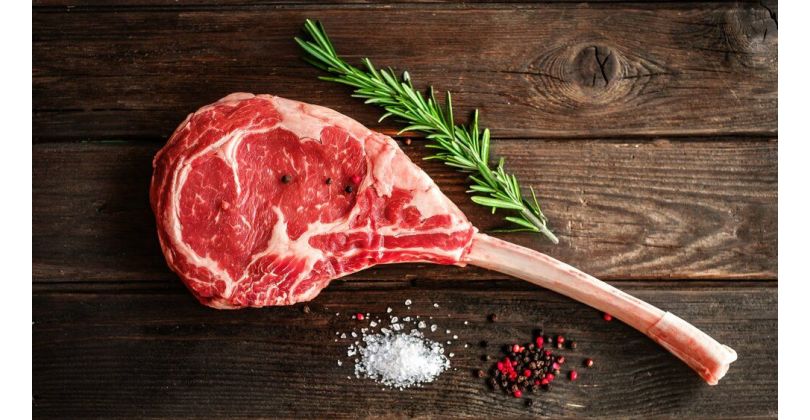
grillfleisch
Which meat cuts are suitable for grilling?
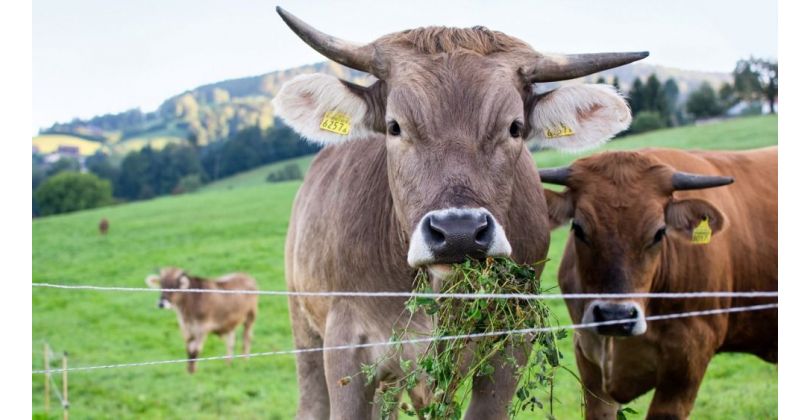
Why Organic?
Why Organic?
dry aged beef
Why Dry Aged Beef?
The Chianina beef
Small tree or big cattle?
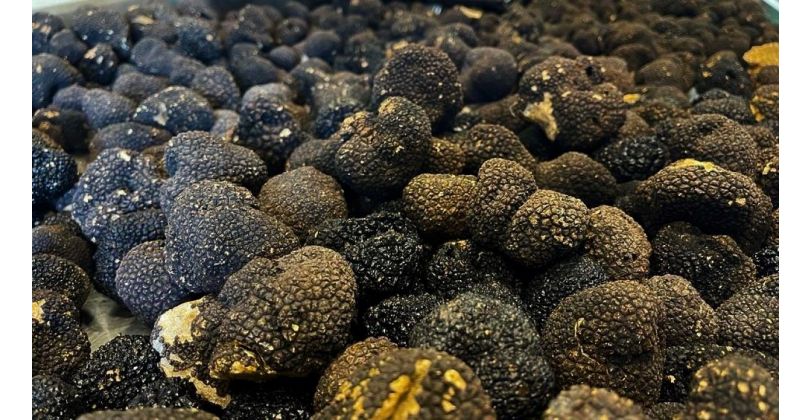
The world of truffles, the passion of Giuliano Tartufi
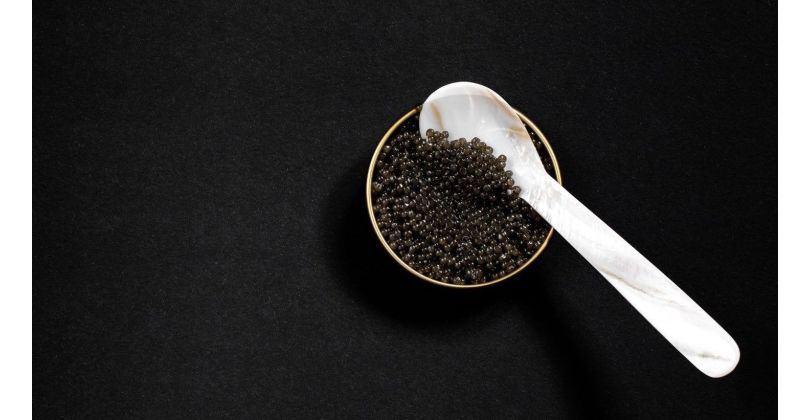
The caviar
The black gold
weisswurst
Oktoberfest in Switzerland, what does it actually include?
Grilled Flank Steak with Kiwi, Kohlrabi, and Pepperoni Salsa on Hummus and Sautéed Baby Kale
Loading...
503 view(s) 7 min read

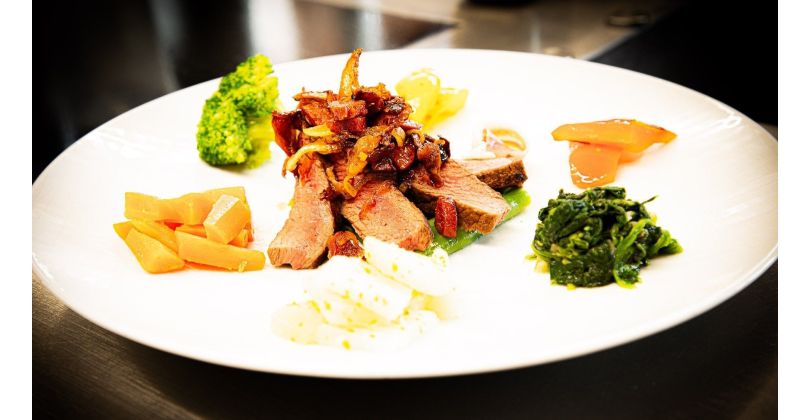
Grilled Flank Steak with Kiwi, Kohlrabi, and Pepperoni Salsa on Hummus and Sautéed Baby Kale

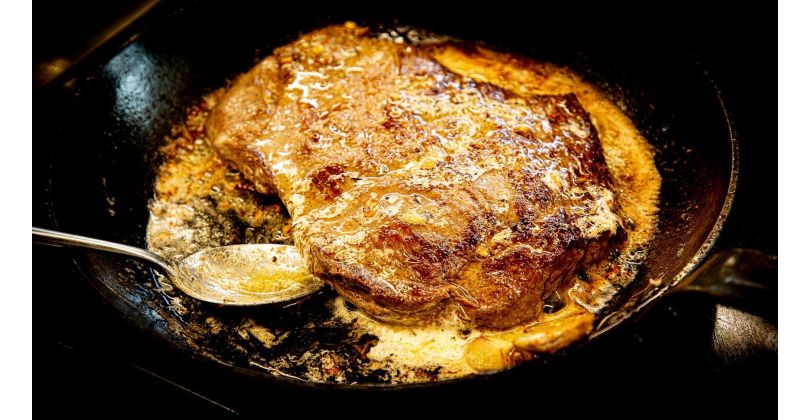
Flank steak is a popular cut of beef that comes from the belly area of ​​the animal, specifically the lower breast. It is characterized by an intense flavor and a relatively fibrous structure, making it a favorite in many grilled dishes and recipes.

History: The origins of flank steak, like many other cuts of beef, date back to the days of ranching. It became popular in the United States in the 19th century, especially during the rise of barbecue culture and the practice of cooking meat outdoors. Originally, flank steak was often considered a less valuable cut and therefore more cost-effective. In the 1980s, attention to flank steak began to shift as chefs and barbecue enthusiasts discovered its flavor and versatility. It became a favorite in American cuisine, especially in dishes like fajitas or marinated barbecue meats, as it pairs well with various seasonings.

Pork Baby Back Ribs (Spare Ribs) with Wild Garlic BBQ Sauce
Loading...
267 view(s) 6 min read

Pork Baby Back Ribs (Spare Ribs) with Wild Garlic BBQ Sauce

Nice to know:

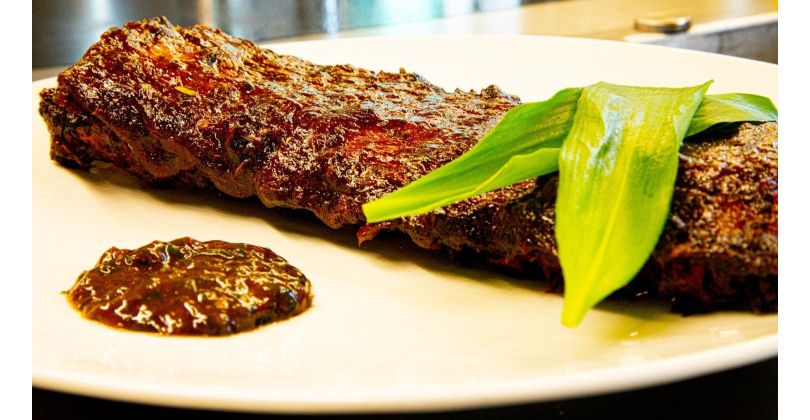
Baby back ribs come from the upper part of the pork loin, near the chops. They were once considered a byproduct of butchering—the prime cut was the chops, the ribs were "what's left over."

In many cultures, however, these cuts were never wasted. Instead, they were:

• slow-cooked to tenderize them
• ​​heavily seasoned to bring out the flavor
• often cooked over an open fire or in simple ovens
This is where the true BBQ culture begins.

Rise in the USA: BBQ Culture & Soul Food
Baby back ribs owe their current cult status primarily to the Southern United States.

In the 18th and 19th centuries, various influences brought together the BBQ tradition:

• European settlers: pig farming and meat processing
• African cooking techniques: slow cooking over fire
• Caribbean influences: spices and marinades

Especially in African American cuisine (soul food), inexpensive cuts of meat like ribs were perfected.

The principle: Low & Slow
Hours of cooking at a low temperature make the ribs incredibly tender.


Regional Styles.
Over time, distinct "rib cultures" developed:

• Memphis: dry rub, minimal sauce
• Kansas City: thick, sweet and smoky BBQ sauce
• Texas: focus on meat and smoke, less sweet
• Carolina: often vinegar-based sauces

Each region swears its version is the best.

Globalization & Modern Cult
In the 20th century, baby back ribs became popular worldwide:

• BBQ restaurants made them a classic
• Food festivals and barbecue competitions fueled the trend
• Today, there are countless variations: from classic American to Asian-style glazed

Grilling season meets asparagus season
Loading...
125 view(s) 1 min read

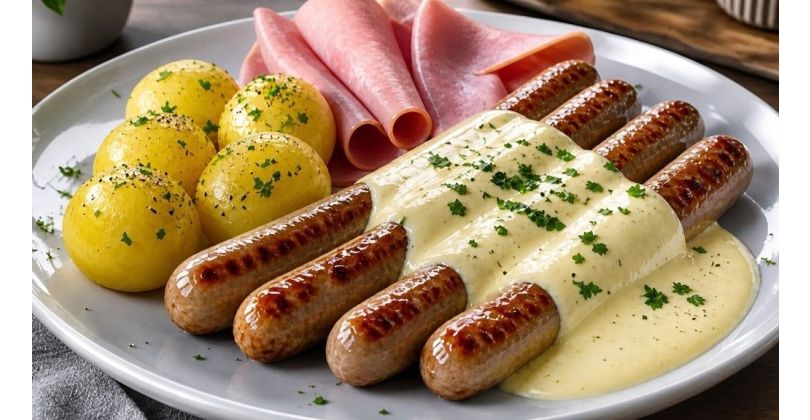
Barbecue season meets asparagus season, or is it fake asparagus?

Beware, there's fake asparagus circulating - or maybe not quite.

If you look closely, you'll see:

not everything that looks like asparagus actually is. But that's precisely what makes this season so exciting:

Tradition meets creativity.

Whether classically prepared with potatoes and hollandaise sauce or given a new twist on the grill -asparagus remains a true highlight on the plate.

My take: Now is the perfect time to play around with familiar dishes and reimagine them.

What's on your grill -classic or creative?

Here's a link to the fake asparagus:
Buy Bratwurst and Cervelat on meat4you.ch | easy online meat shopping.

meat4you says thank you - LUGA 2026, we rocked it together
Loading...
113 view(s) 2 min read

meat4you says thank you - LUGA 2026, we rocked it together

A big thank you to LUGA and the Swiss Barbecue Association for the outstanding organisation and your tireless commitment.

A huge thanks as well to all visitors - for your interest, the many inspiring conversations, your feedback, and the amazing atmosphere throughout.

And of course, a big thank you to all BBQ teams and exhibitors - without you, this energy, this quality, and this experience would not have been possible!

It was incredible to meet so many enthusiastic people, make new connections, and experience this event together. Moments like these show what is possible when passion, quality, and team spirit come together.

LUGA was a great success for us.
And the best part: we rocked it together!

We are already looking forward to seeing you again and to everything that lies ahead.
Yours,
Chris, Jacqueline and Nicole

Roast Chamois Saddle with Spring Vegetables & Red Wine Jus
Loading...
151 view(s) 7 min read

Roast Chamois Saddle with Spring Vegetables & Red Wine Jus

Nice to know:

The chamois is a wild ungulate found primarily in the Alps and other European mountain ranges. It is extremely sure-footed and moves effortlessly across steep, rocky terrain-practically the parkour pro of the mountains.

A few fascinating facts:

• They mostly live at altitudes between 800 and 3000 meters.
• In summer, they graze on herbs, grasses, and young shoots-this directly affects the flavor of the meat.
• In winter, they switch to a more sparse diet such as bark and pine needles.
• Chamois are very shy and are therefore primarily hunted, not farmed.

It is precisely this natural way of life that makes their meat so special: It is a genuine natural product, not mass-produced meat.

Culinary uses of chamois: Chamois meat belongs to the category of game meat and is highly prized in fine dining.

Taste & Characteristics

• Robust yet delicate flavor (less "strong" than older game)
• Very lean and high in protein
• Slightly herbaceous and nutty notes due to the alpine diet
• Particularly tender in young animals

Classic Preparations - Chamois is traditionally prepared in a rustic style, but also with modern interpretations:

• Chamois saddle: briefly seared, pink inside
• Chamois ragout: slowly braised, incredibly aromatic
• Pepper (wild pepper): intensely seasoned, with marinades and a long cooking time
• Sliced ​​meat: quickly seared, often with cream or mushrooms

Typical Accompaniments - Chamois is almost always combined with intense, earthy flavors:

• Red wine jus or game sauce
• Juniper, rosemary, thyme
• Cranberries or other acidic components
• Side dishes such as Spätzle, potatoes, celery, or red cabbage
• Wild garlic in spring - really strong, a perfect match

Beverage Pairings - Robust wines pair well with chamois:

• Red wine such as Pinot Noir, Syrah, or a good Swiss Pinot Noir
• Alternatively, a dark beer for a more rustic option

Degrees of doneness
Loading...
656 view(s) 5 min read

Degrees of doneness

The degrees of doneness Rare, Medium Rare, Medium, Medium Well and Well Done provide in-depth knowledge about the cooking point of meat and its influence on flavour, juiciness and texture.

In this thematic section, meat sommelier Chris clearly explains how the individual degrees of doneness differ and how temperature, cooking time and heat impact shape the final result on the plate.

The focus is not on preparing a specific dish, but on developing an understanding of the correct doneness and its culinary significance.

The typical characteristics of each degree of doneness are highlighted, from the tender, juicy texture of Rare to the fully cooked consistency of Well Done.

This expertise is complemented by practical guidance, sensory indicators and background information that help tailor meat preparation to personal preferences.

The result is an informative knowledge section that builds confidence in handling high-quality cuts of meat and contributes to a deeper understanding of quality, craftsmanship and enjoyment.

Degrees of doneness are thus not viewed merely as stages of cooking, but as a decisive factor for conscious meat enjoyment.

Nice to know: Meat from raw to well-done Even in antiquity and the Middle Ages, cooking levels played a role, although they weren't yet systematically named. Meat was usually prepared over an open fire or on a spit. The cooking time depended heavily on the heat of the fire and the cook's experience. Nobles often preferred succulent, less cooked meat, while in ordinary households, meat was frequently cooked longer to make it more durable and easier to digest.

France and the birth of classic cooking levels: Today's cooking level terms originate primarily from 18th- and 19th-century French cuisine. With the development of haute cuisine, cooking techniques became more precise and standardized. French terms like bleu, saignant, à point, and bien cuit emerged to describe the precise degree of cooking of meat. This differentiation was important because high-quality cuts of meat develop different aromas and textures depending on the degree of cooking.

Crocodile Eye Fillet with Coriander-Orange Marinade, Yams (Cassava) and Okra
Loading...
117 view(s) 8 min read

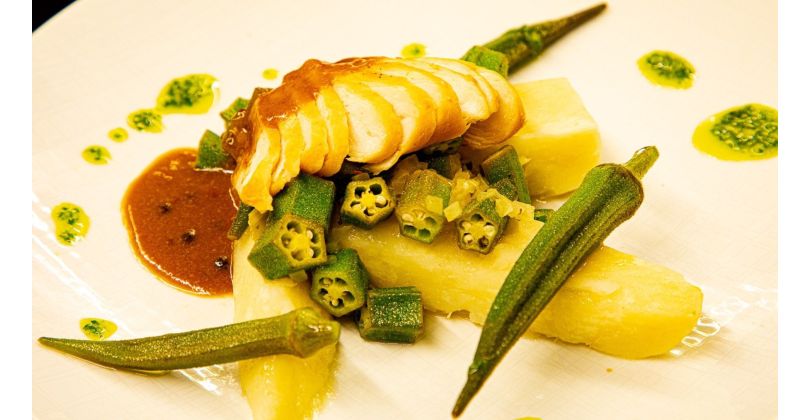
Crocodile Eye Fillet with Coriander-Orange Marinade, Yams (Cassava) and Okra

Crocodile meat has a long, rather quiet culinary history in South Africa, closely linked to the environment, hunting, and regional traditions. Long before European settlers arrived, indigenous communities along rivers and wetlands used crocodiles as an occasional food source. The meat was not considered an everyday food, but rather a rare treat, consumed primarily on special occasions or after successful hunts. The focus was less on culinary enjoyment and more on respecting the animal and fully utilizing its resources.

With the colonial era, the way crocodiles were treated changed significantly. European influences brought new cooking techniques and flavor profiles, while at the same time the crocodile increasingly came into focus as a source of raw material for leather. During this period, the meat was treated as a secondary commodity, but occasionally found its way into the kitchens of hunters, farmers, and adventurers, who prepared it as an exotic alternative to beef or game. Nineteenth-century descriptions mention crocodile meat as light in color, firm, and tasting somewhere between fish and poultry.

It wasn't until the late 20th century that a new phase began in the culinary history of crocodile meat in South Africa. Stricter conservation laws and the establishment of crocodile farms transformed the animal from an endangered wild animal into a controlled, farmed animal. In this context, fine dining also rediscovered the meat. Chefs experimented with crocodile fillets, curries, and grilled steaks, presenting them as a sustainable, protein-rich delicacy with a regional connection.

Today, crocodile meat in South Africa symbolizes the balancing act between tradition and modernity. It evokes pre-colonial hunting practices and colonial eating habits, while simultaneously showcasing a contemporary cuisine that consciously works with local, unusual ingredients. In restaurants and at food festivals, it is often served as a culinary narrative, a piece of history on a plate that tells of landscape, change, and cultural diversity.

Oven-grilled pork hammer on potato-leek mash, caramelized balsamic onions, steamed pepper vegetables with spring onions, olives, sun-dried tomatoes, seeds and mint, served with a strong demi-glace
Loading...
697 view(s) 7 min read

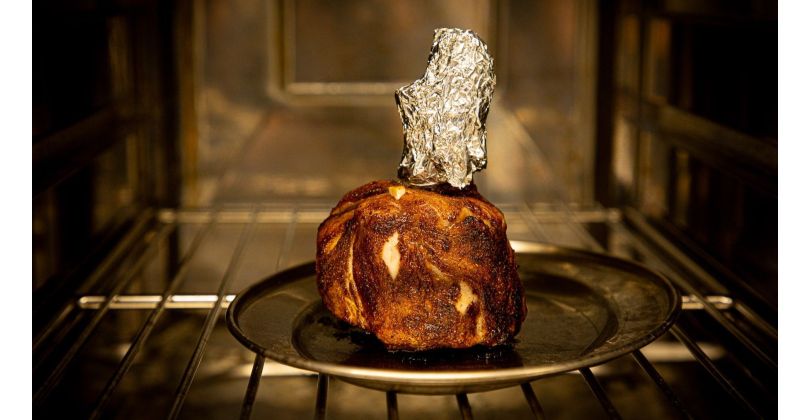
Oven-grilled pork hammer on potato-leek mash, caramelized balsamic onions, steamed pepper vegetables with spring onions, olives, sun-dried tomatoes, seeds and mint, served with a strong demi-glace

Nice to Know:

Nice to know: The pork knuckle is rich in protein and contains a certain amount of fat, which gives it a juicy and tasty touch. However, it is recommended to enjoy it in moderation, as it can also be high in calories. The pork knuckle has made a name for itself beyond its borders and is popular in many other countries.

It is usually appreciated for its hearty crust and juicy meat, and many chefs experiment with different marinades and side dishes to make the dish even more varied. Overall, the pork knuckle is not only a gastronomic highlight, but also a piece of culinary tradition that has developed over centuries and continues to be appreciated.

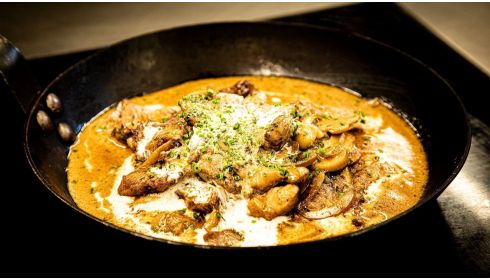
Grilled Denver Cut Steak from a cast iron pan with fresh vegetables and sautéed chorizo, chanterelles, and onions
Loading...
446 view(s) 5 min read

Grilled Denver Cut Steak from a cast iron pan with fresh vegetables and sautéed chorizo, chanterelles, and onions

The Denver Cut Steak is a real insider tip among steak lovers. It comes from the so-called "chuck" area of ​​the beef, more specifically from the shoulder blade muscle. Despite its origin in the shoulder, the Denver Cut Steak is tender and flavorful – a real treat!

What makes the Denver Cut Steak so special? It has fine marbling, tiny veins of fat that melt during cooking, giving the meat its intense flavor. The texture is tender yet firm to the bite—perfect for those seeking a steak with character.

meat4you at LUGA 2026
Loading...
213 view(s) 9 min read

meat4you at LUGA 2026

meat4you at LUGA 2026: BBQ Passion, Grill Masters, and Pure Culinary Delights

LUGA 2026 is just around the corner, and we at meat4you.ch will, of course, be there (April 24-26, 2026).

As Switzerland's largest online butcher, we're bringing our passion for high-quality meat, authentic BBQ craftsmanship, and exciting grilling ideas directly to the trade fair.

Our booth will be the meeting place for everyone who loves good meat, grilling, and authentic enjoyment. Here, everything revolves around quality, inspiration, and the joy of grilling together.

BBQ Passion Meets Expertise We are particularly proud that meat4you is an official sponsor of the Swiss Barbecue Association (SBA). Our collaboration with the BBQ community stands for quality, expertise, and genuine grilling culture.

Together, we promote the passion for grilling and show just how versatile and exciting BBQ can be. At our booth, you can experience this enthusiasm firsthand, get inspired, and chat with our team about everything related to meat, grilling techniques, and BBQ. Surprises at the booth A visit to meat4you is especially worthwhile because we've prepared some highlights:

Exciting insights into our world of online butchery
Inspiration for your next BBQ
Special products for true meat lovers
Little surprises for our visitors

Discover new favorite cuts for the grill, be inspired by new ideas, and experience the world of BBQ up close.

There for you in person For us, LUGA is more than just a trade fair. It's the perfect opportunity to meet our community in person. Many of our customers know us from our online shop. At LUGA, we can finally meet face to face.

Come by, say hello, and experience meat4you live. We look forward to welcoming you personally at our booth at LUGA 2026.

Swiss BBQ Championship: When the best grilling teams compete

A special highlight at LUGA 2026 is the Swiss BBQ Championship, where the best grilling teams in Switzerland compete against each other. The goal is singled out: the title of official Swiss BBQ Champion 2026.

Copyright © 2026 meat4you. All rights reserved.