Facebook Pixel

Posts tagged 'barbecue'

grillfleisch
Which meat cuts are suitable for grilling?
Why Organic?
Why Organic?
dry aged beef
Why Dry Aged Beef?
The Chianina beef
Small tree or big cattle?
The world of truffles, the passion of Giuliano Tartufi
The caviar
The black gold
weisswurst
Oktoberfest in Switzerland, what does it actually include?
Three meat4you Rubs. One Goal: Maximum Flavor.
Loading...
51 view(s) 4 min read

Three meat4you Rubs. One Goal: Maximum Flavor.

Which Rub Is Right for You?

Chicken & Wings    
Savory, balanced, mildly spicy

Pork Ribs & Pulled
Sweet, savory, classic BBQ flavor

Brisket & Pulled
Bold, rich, perfect for low & slow cooking


Conclusion

With our RUBS, getting the perfect seasoning has never been easier. Each blend has been carefully crafted for a specific type of meat, delivering an authentic BBQ experience whether you're grilling, smoking, or cooking in the oven.


Three Rubs. One Goal: Maximum Flavor.


Which one is your favorite?


Share your BBQ creations with us-we'd love to see your photos and hear about your experience! 

Swiss Black Angus Beef Burger with Fried Apple, Sauerkraut, Spinach, Feta Cheese & spicy 4 HOT MEAT Sauce
Loading...
84 view(s) 5 min read

Swiss Black Angus Beef Burger with Fried Apple, Sauerkraut, Spinach, Feta Cheese & spicy 4 HOT MEAT Sauce

Nice to know: The burger as we know it today has a fascinating history. Its roots go back to the German city of Hamburg. During the 19th century, German immigrants brought the so-called Hamburg Steak to the United States. It consisted of seasoned minced beef that was often served as a flat meat patty.

In the United States, this evolved step by step into the modern hamburger. To make it easier and more practical to eat, especially for workers, travelers and the growing street food culture, the meat was eventually placed between two pieces of bread.

By the early 20th century, burgers had become increasingly popular and turned into a key part of American food culture.

Today, burgers are far more than just fast food. From classic beef burgers to premium Black Angus creations with unique ingredients such as fried apples, regional cheeses and special sauces, burgers have become a true gourmet experience enjoyed around the world.

Inside Skirt from Beef (Kronfleisch): Origin, History and Perfect Preparation
Loading...
118 view(s) 5 min read

Inside Skirt from Beef (Kronfleisch): Origin, History and Perfect Preparation

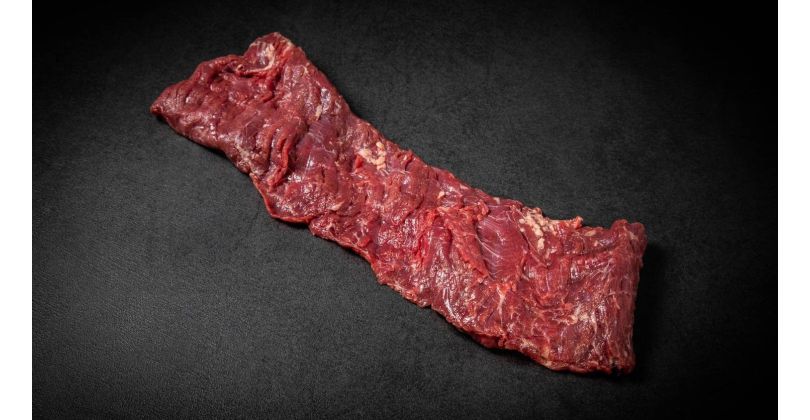
The Inside Skirt, often referred to as Kronfleisch from beef in German-speaking countries, is one of the most aromatic and at the same time most underrated cuts in beef cuisine. For a long time, this cut was mainly known among connoisseurs, butchers, and lovers of traditional cuisine. In recent years, however, Kronfleisch has experienced a renaissance and is increasingly appreciated in modern grilling and steak culture.

Its intense flavour, loose texture, and versatile preparation possibilities make the Inside Skirt a true insider tip for meat lovers. At the same time, this cut looks back on an exciting historical development, ranging from traditional farm slaughtering practices through Parisian bistro cuisine to the international BBQ scene.

In this detailed blog article, you will learn everything about the origin, history, characteristics, preparation, and culinary use of Inside Skirt, also known as Kronfleisch from beef.

Pan-Fried Swiss Inside Skirt Steak with Asian Flavours, Noodles and Baking Soda as a Tenderizer
Loading...
156 view(s) 6 min read

Pan-Fried Swiss Inside Skirt Steak with Asian Flavours, Noodles and Baking Soda as a Tenderizer

Nice to know: Beef Inside Skirt, also known as the inner skirt steak, is one of the oldest and most traditional beef cuts. It comes from the diaphragm area of the animal and was once considered a true butcher's cut. The reason? Many butchers kept these highly flavourful pieces for themselves instead of selling them.

For many years, Inside Skirt remained a relatively unknown cut and was often used for minced meat or slow-cooked dishes. However, in the United States and Mexican cuisine, its full potential was discovered early on. It became especially famous in fajitas because, despite its coarse texture, it delivers an incredibly rich beef flavour.

With the rise of BBQ and grilling culture, Inside Skirt gained popularity worldwide. Today it is considered a true hidden champion among meat lovers: less famous than Ribeye or Entrecôte, but highly valued for its bold flavour, loose fibre structure and intense beef aroma.

The most important tip: cook it quickly over high heat and always slice it against the grain after cooking. This keeps the Inside Skirt exceptionally tender and juicy.

Pork Baby Back Ribs (Spare Ribs) with Wild Garlic BBQ Sauce
Loading...
267 view(s) 6 min read

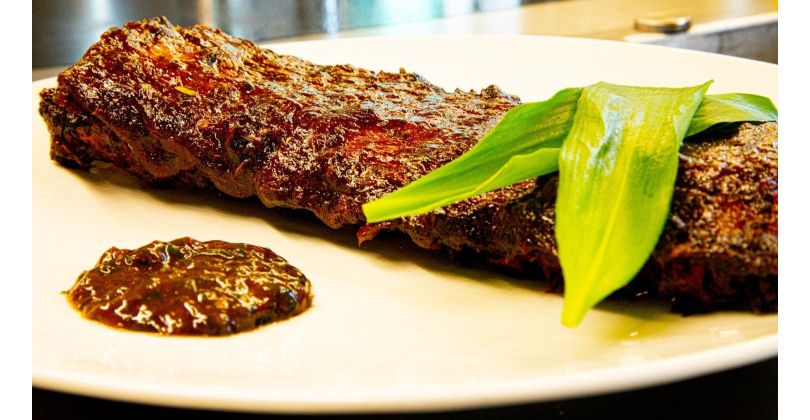
Pork Baby Back Ribs (Spare Ribs) with Wild Garlic BBQ Sauce

Nice to know:

Baby back ribs come from the upper part of the pork loin, near the chops. They were once considered a byproduct of butchering—the prime cut was the chops, the ribs were "what's left over."

In many cultures, however, these cuts were never wasted. Instead, they were:

• slow-cooked to tenderize them
• ​​heavily seasoned to bring out the flavor
• often cooked over an open fire or in simple ovens
This is where the true BBQ culture begins.

Rise in the USA: BBQ Culture & Soul Food
Baby back ribs owe their current cult status primarily to the Southern United States.

In the 18th and 19th centuries, various influences brought together the BBQ tradition:

• European settlers: pig farming and meat processing
• African cooking techniques: slow cooking over fire
• Caribbean influences: spices and marinades

Especially in African American cuisine (soul food), inexpensive cuts of meat like ribs were perfected.

The principle: Low & Slow
Hours of cooking at a low temperature make the ribs incredibly tender.


Regional Styles.
Over time, distinct "rib cultures" developed:

• Memphis: dry rub, minimal sauce
• Kansas City: thick, sweet and smoky BBQ sauce
• Texas: focus on meat and smoke, less sweet
• Carolina: often vinegar-based sauces

Each region swears its version is the best.

Globalization & Modern Cult
In the 20th century, baby back ribs became popular worldwide:

• BBQ restaurants made them a classic
• Food festivals and barbecue competitions fueled the trend
• Today, there are countless variations: from classic American to Asian-style glazed

Crispy grilled beef asados with meat4you seasoning and marinated porcini mushrooms on a roasted potato, onion, and mushroom bed
Loading...
591 view(s) 5 min read

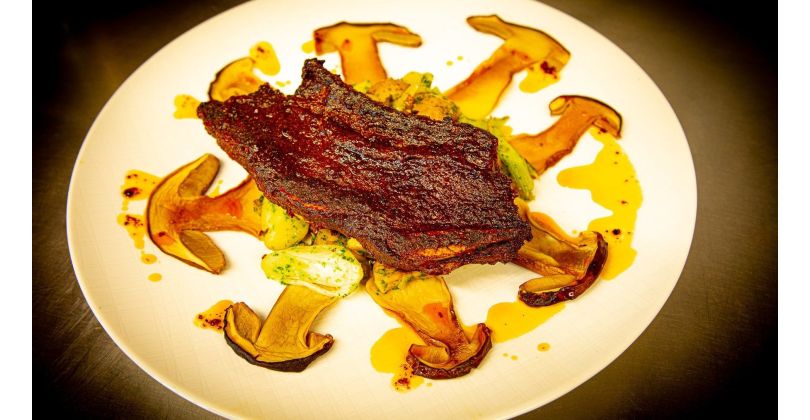
Crispy grilled beef asados with meat4you seasoning and marinated porcini mushrooms on a roasted potato, onion, and mushroom bed

Beef asado is much more than just a dish—it's a cultural experience with deep historical roots, especially in South America. Asado originated in the gaucho traditions of Argentina and Uruguay. The gauchos, the legendary cattle herders of the Pampas, developed it as a practical yet sociable way of preparing beef over an open fire.

In the 18th and 19th centuries, asado was a central part of the lives of gauchos, who often spent days on the pastures. They used simple methods to slowly cook the meat over a wood fire, giving the beef its characteristic smoky flavor. This slow cooking made the meat particularly tender and flavorful – a tradition that is still practiced today. Over time, the asado became a symbol of Argentinian and Uruguayan identity and is now an integral part of family celebrations and social gatherings. It represents community, hospitality, and the joy of sharing good food.

The beef asado thus combines history, culture, and culinary delights in a unique way – a true piece of South American lifestyle on a plate. The asado cut is the cross rib, also called beef ribs, and is cut from the bone-in beef brisket, across the bone. A fresh chimichuri sauce complements it.

Copyright © 2026 meat4you. All rights reserved.