


Facebook Pixel

Posts tagged 'schulter'

grillfleisch
Which meat cuts are suitable for grilling?
Why Organic?
Why Organic?
dry aged beef
Why Dry Aged Beef?
The Chianina beef
Small tree or big cattle?
The world of truffles, the passion of Giuliano Tartufi
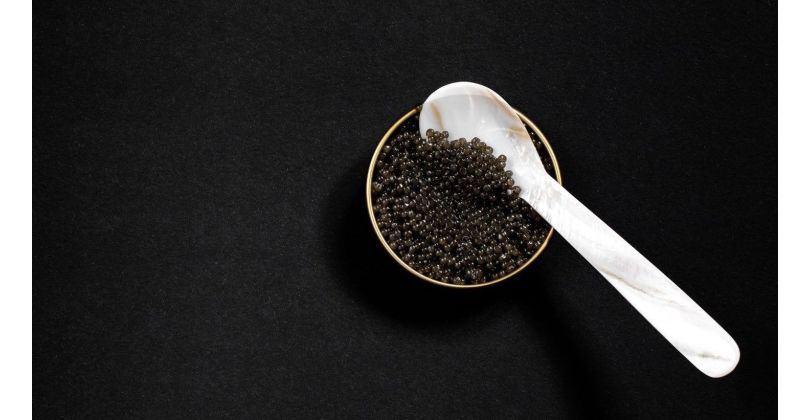
The caviar
The black gold
weisswurst
Oktoberfest in Switzerland, what does it actually include?
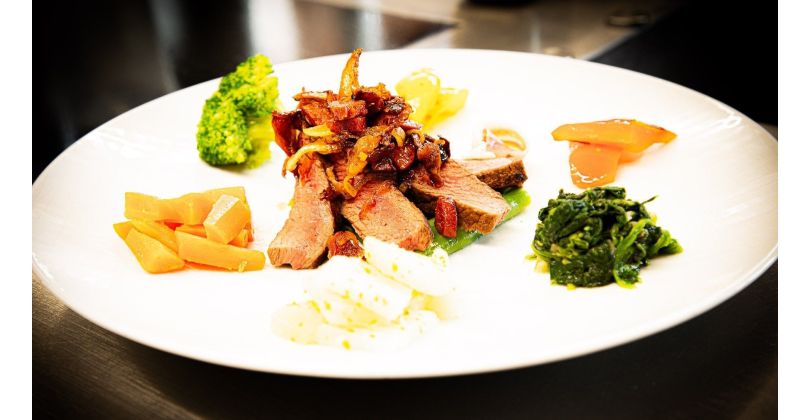
Grilled Denver Cut Steak from a cast iron pan with fresh vegetables and sautéed chorizo, chanterelles, and onions
Loading...
390 view(s) 5 min read

Grilled Denver Cut Steak from a cast iron pan with fresh vegetables and sautéed chorizo, chanterelles, and onions

The Denver Cut Steak is a real insider tip among steak lovers. It comes from the so-called "chuck" area of ​​the beef, more specifically from the shoulder blade muscle. Despite its origin in the shoulder, the Denver Cut Steak is tender and flavorful – a real treat!

What makes the Denver Cut Steak so special? It has fine marbling, tiny veins of fat that melt during cooking, giving the meat its intense flavor. The texture is tender yet firm to the bite—perfect for those seeking a steak with character.

Chili con Carne - the most popular mexican import
Loading...
984 view(s) 5 min read

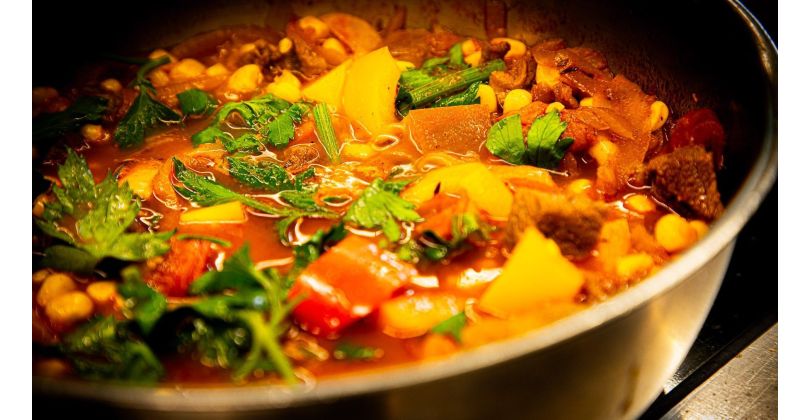
Chili con Carne - the most popular mexican import

Chili con carne is a hearty dish consisting primarily of meat, beans, and a blend of spices, especially chili. The origins of this dish are disputed, but it is generally believed to have originated in the United States, specifically the Texas region, and is deeply rooted in Mexican-American cuisine.

History: The history of chili con carne can be traced back to the 19th century. It is believed to have been introduced by European immigrants who adopted various ingredients and cooking techniques from indigenous peoples and Mexican culture. In particular, the use of chili as a flavor enhancer and the combination of meat and beans reflect the region's culinary traditions.

The first documented recipe for chili con carne appeared in Texas in the 1880s, and the dish quickly gained popularity. It was especially popular during the Gold Rush era and the cowboy lifestyle and was often served at social gatherings and "chili cook-offs."

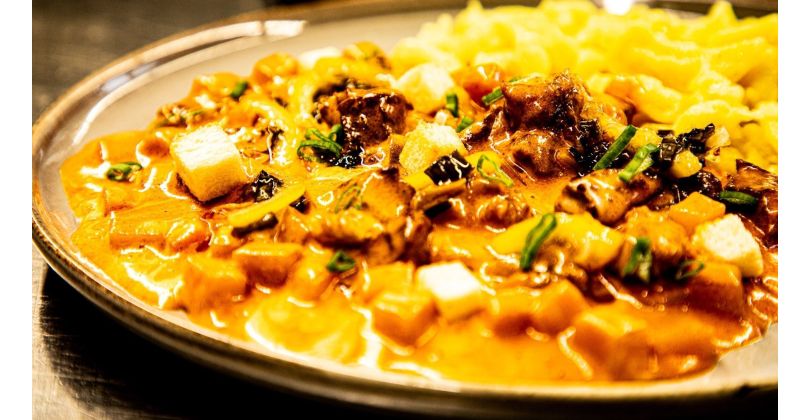
Braised cream goulash with vegetables, hot peppers, caramelised lemons and egg spaetzli
Loading...
524 view(s) 7 min read

Braised cream goulash with vegetables, hot peppers, caramelised lemons and egg spaetzli

Creamed goulash is a classic dish popular in many Eastern European cuisines, particularly in Hungarian, German, and Austrian traditions. It is a variation of traditional goulash, which originated in Hungary and was originally prepared as a stew with meat, peppers, and, depending on the region, various vegetables.

Origin of goulash: Goulash has its roots in 9th-century Hungarian cuisine, where it was invented by shepherds. The original version was a simple dish of meat and peppers cooked in a cauldron over a fire. The addition of various spices, including pepper and caraway, was typical of Hungarian cuisine.

Duet from Teres Major
Loading...
992 view(s) 4 min read

Duet from Teres Major

Preparation options

Cooking: Petit tender can be prepared in a variety of ways, including grilling, roasting or braising. Due to its tenderness, it is important not to overcook the meat to preserve its suppleness and flavor. The ideal preparation is to cook the meat medium-rare to medium.


Two kinds of shoulder

Fry the briefly fried petit tender in a pan or on the grill and, once the core temperature has reached 53 degrees, season with a little salt and leave to rest for 5 minutes. Now cut the piece finely and enjoy it with a freshly made herb relish.

Finely cut the petit tender and then chop it to the desired texture. Finely chop the shallots, gherkins and capers, season with ketchup, Worcestershire sauce, oil, paprika, salt and pepper and add a fresh egg yolk and mix in. Serve and enjoy.
Do you want to pimp up your tartare? Simply grate fresh truffles over it or put a spoonful of the finest caviar on top to add the necessary spice.

Copyright © 2026 meat4you. All rights reserved.