Facebook Pixel

Posts tagged 'gams'

grillfleisch
Which meat cuts are suitable for grilling?
Why Organic?
Why Organic?
dry aged beef
Why Dry Aged Beef?
The Chianina beef
Small tree or big cattle?
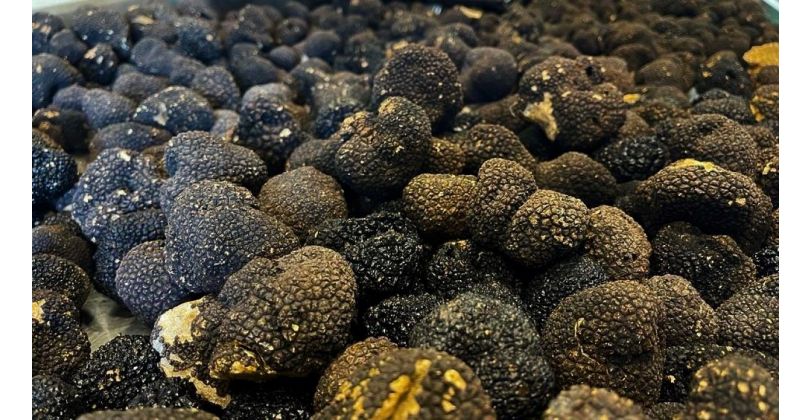
The world of truffles, the passion of Giuliano Tartufi
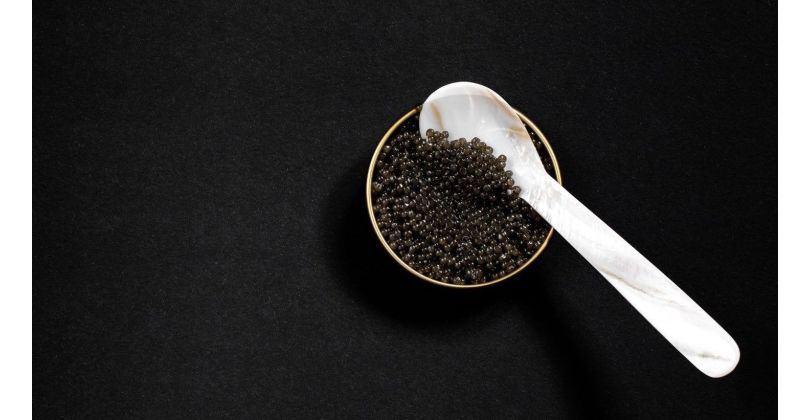
The caviar
The black gold
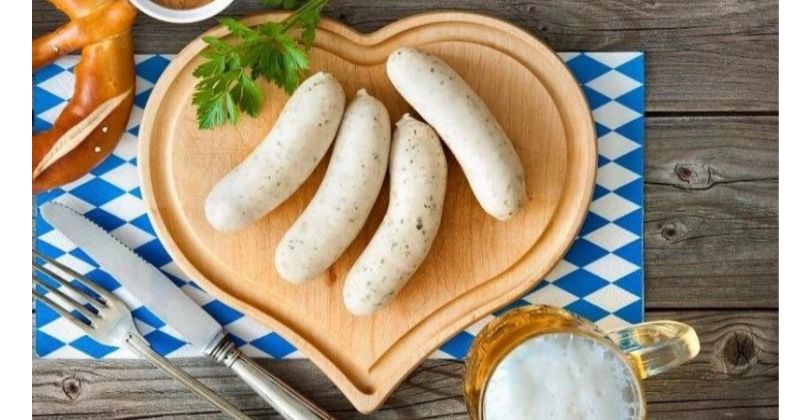
weisswurst
Oktoberfest in Switzerland, what does it actually include?
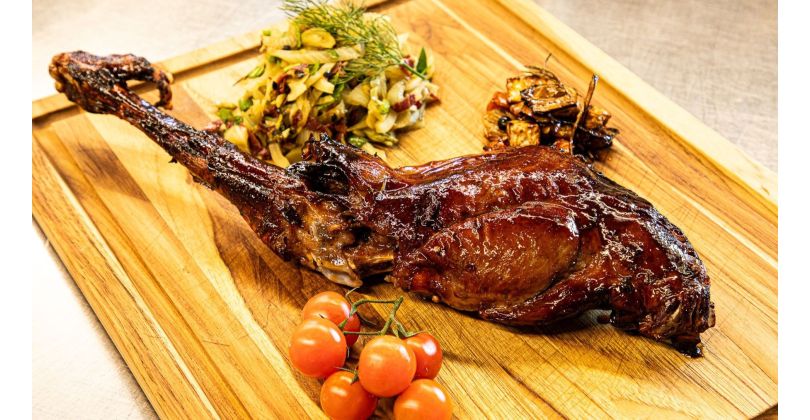
Roasted leg of chamois on the bone with warm fennel salad and game jus
Loading...
77 view(s) 5 min read

Roasted leg of chamois on the bone with warm fennel salad and game jus

Chamois has a long and rustic culinary tradition in Europe, closely tied to Alpine hunting and mountain culture. As early as the Middle Ages, it was considered a valuable game animal in high-altitude regions where livestock farming was limited. Its meat provided an important source of protein for people living in remote valleys and symbolised the skill and courage of the hunter, as chamois hunting was both demanding and dangerous.

In aristocratic cuisine, chamois played a lesser role compared to venison or wild boar, but it remained deeply rooted in regional and rural cooking. The meat was typically braised or roasted, often paired with robust herbs, root vegetables, and berries to balance its intense, slightly gamey flavour. Long cooking times helped tenderise the lean meat.

With the development of game cuisine in the 19th century, particularly in Alpine and southern German regions, chamois gained greater culinary recognition. Chefs began preparing it in more refined ways, such as chamois ragout, saddle of chamois, or delicately seasoned terrines. To this day, chamois represents authenticity, regional identity, and a respectful relationship with nature.

Roast Chamois Saddle with Spring Vegetables & Red Wine Jus
Loading...
98 view(s) 7 min read

Roast Chamois Saddle with Spring Vegetables & Red Wine Jus

Nice to know:

The chamois is a wild ungulate found primarily in the Alps and other European mountain ranges. It is extremely sure-footed and moves effortlessly across steep, rocky terrain-practically the parkour pro of the mountains.

A few fascinating facts:

• They mostly live at altitudes between 800 and 3000 meters.
• In summer, they graze on herbs, grasses, and young shoots-this directly affects the flavor of the meat.
• In winter, they switch to a more sparse diet such as bark and pine needles.
• Chamois are very shy and are therefore primarily hunted, not farmed.

It is precisely this natural way of life that makes their meat so special: It is a genuine natural product, not mass-produced meat.

Culinary uses of chamois: Chamois meat belongs to the category of game meat and is highly prized in fine dining.

Taste & Characteristics

• Robust yet delicate flavor (less "strong" than older game)
• Very lean and high in protein
• Slightly herbaceous and nutty notes due to the alpine diet
• Particularly tender in young animals

Classic Preparations - Chamois is traditionally prepared in a rustic style, but also with modern interpretations:

• Chamois saddle: briefly seared, pink inside
• Chamois ragout: slowly braised, incredibly aromatic
• Pepper (wild pepper): intensely seasoned, with marinades and a long cooking time
• Sliced ​​meat: quickly seared, often with cream or mushrooms

Typical Accompaniments - Chamois is almost always combined with intense, earthy flavors:

• Red wine jus or game sauce
• Juniper, rosemary, thyme
• Cranberries or other acidic components
• Side dishes such as Spätzle, potatoes, celery, or red cabbage
• Wild garlic in spring - really strong, a perfect match

Beverage Pairings - Robust wines pair well with chamois:

• Red wine such as Pinot Noir, Syrah, or a good Swiss Pinot Noir
• Alternatively, a dark beer for a more rustic option

Copyright © 2026 meat4you. All rights reserved.