Facebook Pixel

Posts tagged 'bbq'

grillfleisch
Which meat cuts are suitable for grilling?
Why Organic?
Why Organic?
dry aged beef
Why Dry Aged Beef?
The Chianina beef
Small tree or big cattle?
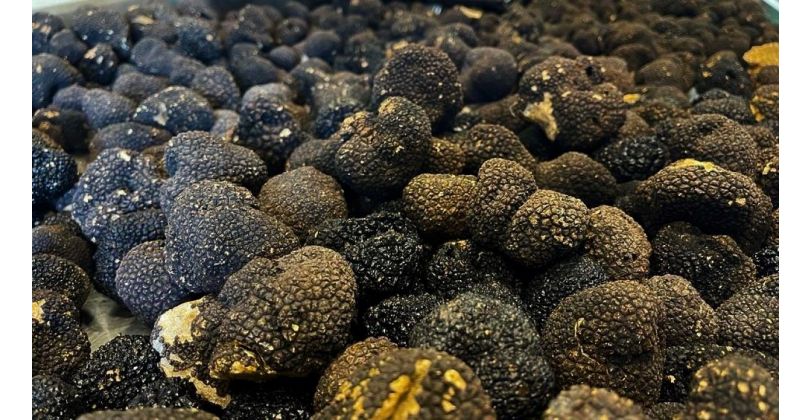
The world of truffles, the passion of Giuliano Tartufi
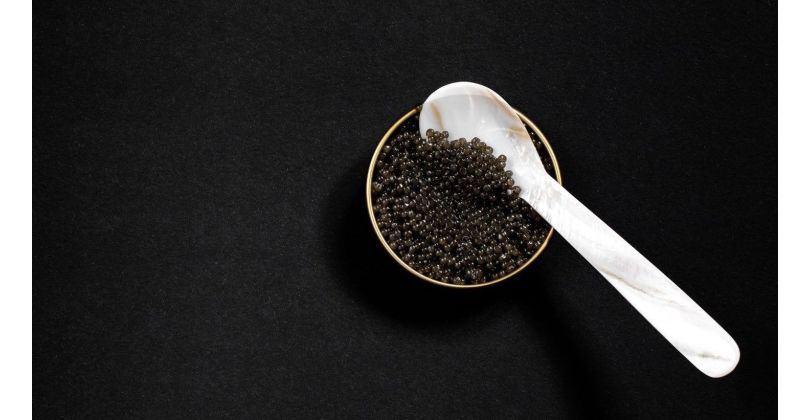
The caviar
The black gold
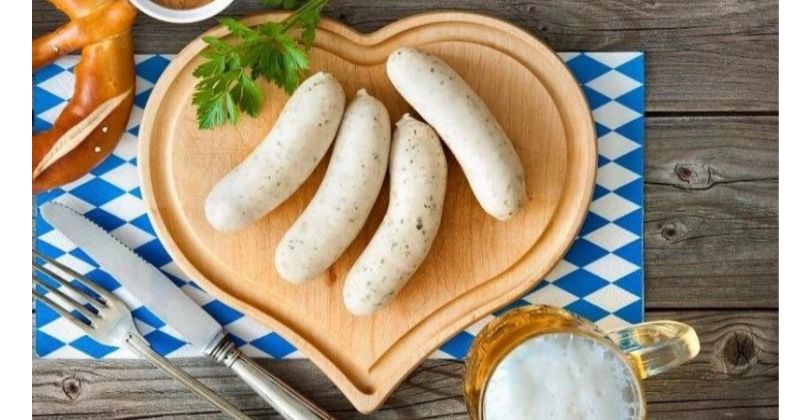
weisswurst
Oktoberfest in Switzerland, what does it actually include?
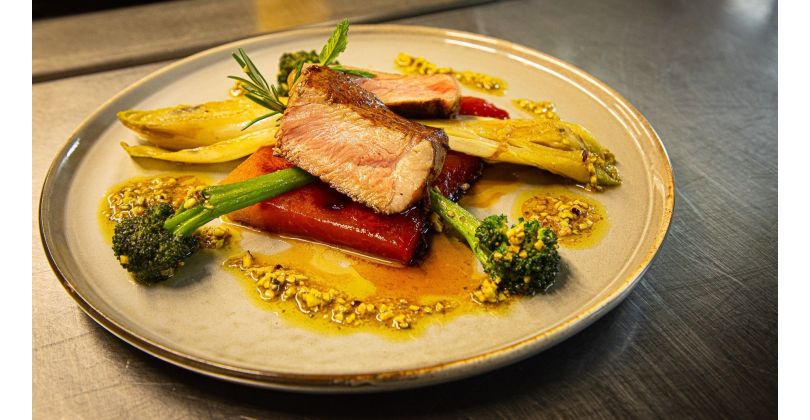
Roasted leg of chamois on the bone with warm fennel salad and game jus
Loading...
77 view(s) 5 min read

Roasted leg of chamois on the bone with warm fennel salad and game jus

Chamois has a long and rustic culinary tradition in Europe, closely tied to Alpine hunting and mountain culture. As early as the Middle Ages, it was considered a valuable game animal in high-altitude regions where livestock farming was limited. Its meat provided an important source of protein for people living in remote valleys and symbolised the skill and courage of the hunter, as chamois hunting was both demanding and dangerous.

In aristocratic cuisine, chamois played a lesser role compared to venison or wild boar, but it remained deeply rooted in regional and rural cooking. The meat was typically braised or roasted, often paired with robust herbs, root vegetables, and berries to balance its intense, slightly gamey flavour. Long cooking times helped tenderise the lean meat.

With the development of game cuisine in the 19th century, particularly in Alpine and southern German regions, chamois gained greater culinary recognition. Chefs began preparing it in more refined ways, such as chamois ragout, saddle of chamois, or delicately seasoned terrines. To this day, chamois represents authenticity, regional identity, and a respectful relationship with nature.

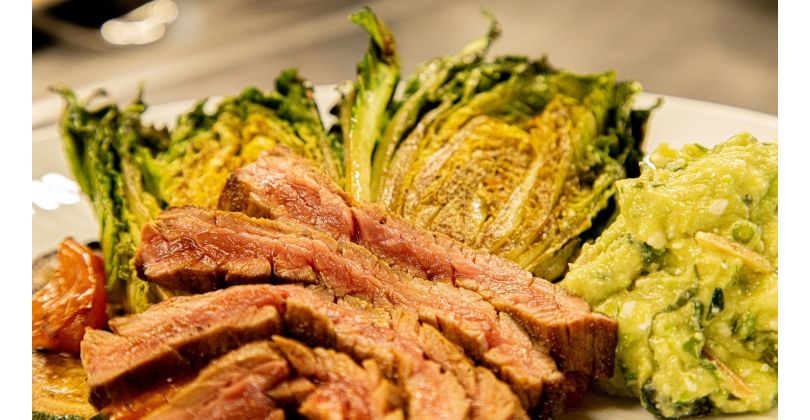
Grilled Flank Steak with Kiwi, Kohlrabi, and Pepperoni Salsa on Hummus and Sautéed Baby Kale
Loading...
472 view(s) 7 min read

Grilled Flank Steak with Kiwi, Kohlrabi, and Pepperoni Salsa on Hummus and Sautéed Baby Kale

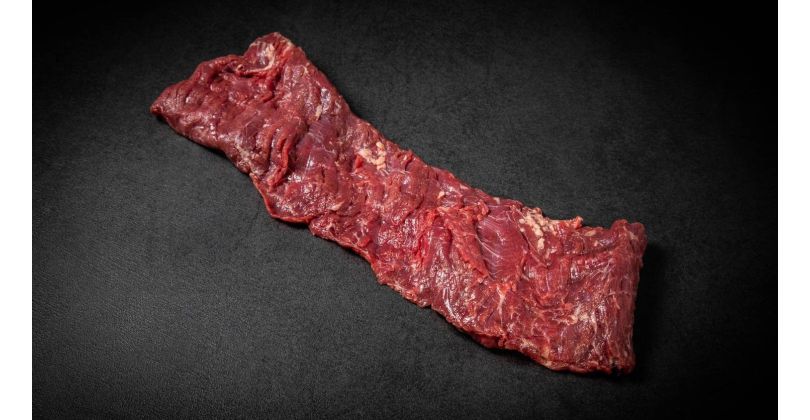
Flank steak is a popular cut of beef that comes from the belly area of ​​the animal, specifically the lower breast. It is characterized by an intense flavor and a relatively fibrous structure, making it a favorite in many grilled dishes and recipes.

History: The origins of flank steak, like many other cuts of beef, date back to the days of ranching. It became popular in the United States in the 19th century, especially during the rise of barbecue culture and the practice of cooking meat outdoors. Originally, flank steak was often considered a less valuable cut and therefore more cost-effective. In the 1980s, attention to flank steak began to shift as chefs and barbecue enthusiasts discovered its flavor and versatility. It became a favorite in American cuisine, especially in dishes like fajitas or marinated barbecue meats, as it pairs well with various seasonings.

Pork Baby Back Ribs (Spare Ribs) with Wild Garlic BBQ Sauce
Loading...
157 view(s) 6 min read

Pork Baby Back Ribs (Spare Ribs) with Wild Garlic BBQ Sauce

Nice to know:

Baby back ribs come from the upper part of the pork loin, near the chops. They were once considered a byproduct of butchering—the prime cut was the chops, the ribs were "what's left over."

In many cultures, however, these cuts were never wasted. Instead, they were:

• slow-cooked to tenderize them
• ​​heavily seasoned to bring out the flavor
• often cooked over an open fire or in simple ovens
This is where the true BBQ culture begins.

Rise in the USA: BBQ Culture & Soul Food
Baby back ribs owe their current cult status primarily to the Southern United States.

In the 18th and 19th centuries, various influences brought together the BBQ tradition:

• European settlers: pig farming and meat processing
• African cooking techniques: slow cooking over fire
• Caribbean influences: spices and marinades

Especially in African American cuisine (soul food), inexpensive cuts of meat like ribs were perfected.

The principle: Low & Slow
Hours of cooking at a low temperature make the ribs incredibly tender.


Regional Styles.
Over time, distinct "rib cultures" developed:

• Memphis: dry rub, minimal sauce
• Kansas City: thick, sweet and smoky BBQ sauce
• Texas: focus on meat and smoke, less sweet
• Carolina: often vinegar-based sauces

Each region swears its version is the best.

Globalization & Modern Cult
In the 20th century, baby back ribs became popular worldwide:

• BBQ restaurants made them a classic
• Food festivals and barbecue competitions fueled the trend
• Today, there are countless variations: from classic American to Asian-style glazed

Grilling season meets asparagus season
Loading...
57 view(s) 1 min read

Barbecue season meets asparagus season, or is it fake asparagus?

Beware, there's fake asparagus circulating - or maybe not quite.

If you look closely, you'll see:

not everything that looks like asparagus actually is. But that's precisely what makes this season so exciting:

Tradition meets creativity.

Whether classically prepared with potatoes and hollandaise sauce or given a new twist on the grill -asparagus remains a true highlight on the plate.

My take: Now is the perfect time to play around with familiar dishes and reimagine them.

What's on your grill -classic or creative?

Here's a link to the fake asparagus:
Buy Bratwurst and Cervelat on meat4you.ch | easy online meat shopping.

meat4you says thank you - LUGA 2026, we rocked it together
Loading...
47 view(s) 2 min read

meat4you says thank you - LUGA 2026, we rocked it together

A big thank you to LUGA and the Swiss Barbecue Association for the outstanding organisation and your tireless commitment.

A huge thanks as well to all visitors - for your interest, the many inspiring conversations, your feedback, and the amazing atmosphere throughout.

And of course, a big thank you to all BBQ teams and exhibitors - without you, this energy, this quality, and this experience would not have been possible!

It was incredible to meet so many enthusiastic people, make new connections, and experience this event together. Moments like these show what is possible when passion, quality, and team spirit come together.

LUGA was a great success for us.
And the best part: we rocked it together!

We are already looking forward to seeing you again and to everything that lies ahead.
Yours,
Chris, Jacqueline and Nicole

Grilled Denver Cut Steak from a cast iron pan with fresh vegetables and sautéed chorizo, chanterelles, and onions
Loading...
390 view(s) 5 min read

Grilled Denver Cut Steak from a cast iron pan with fresh vegetables and sautéed chorizo, chanterelles, and onions

The Denver Cut Steak is a real insider tip among steak lovers. It comes from the so-called "chuck" area of ​​the beef, more specifically from the shoulder blade muscle. Despite its origin in the shoulder, the Denver Cut Steak is tender and flavorful – a real treat!

What makes the Denver Cut Steak so special? It has fine marbling, tiny veins of fat that melt during cooking, giving the meat its intense flavor. The texture is tender yet firm to the bite—perfect for those seeking a steak with character.

Happy Easter from Meatly!
Loading...
58 view(s) 2 min read

THANKS: Happy Easter from Meatly!

Hello everyone!

Today I'm writing to you personally - in my Easter outfit!

My first Easter at meat4you is a special moment for me to pause and simply say thank you.

A huge thank you to our customers:
You trust us every day, consciously choose quality, and make our work possible in the first place.

Without you, there would be no meat4you - and no Meatly either!

A heartfelt thank you also to our suppliers and partners:
Your reliability, your passion, and your high standards are the foundation for everything we do. Together, we stand for quality, transparency, and genuine enjoyment.

Easter symbolizes new beginnings, fresh ideas, and togetherness - exactly what we live by in our everyday lives.

I wish you all:
relaxing holidays,
enjoyable moments,
and lots of time with your loved ones.

Yours truly,
Meatly and TEAM meat4you

Breaded Chicken Drumsticks on Warm Potato Salad with Chorizo
Loading...
185 view(s) 6 min read

Breaded Chicken Drumsticks on Warm Potato Salad with Chorizo

The chicken drumstick, or lower leg of the chicken, is one of the oldest and most widely consumed cuts of meat in human culinary history. Even with the domestication of the chicken in Southeast Asia several thousand years ago, this cut of meat was prized for its relatively high meat content, succulence, and ease of preparation.

In the historical everyday cuisine of Europe, the drumstick was long considered a typical dish for simple households. Whole chickens were boiled or braised, with the drumsticks being regarded as particularly nutritious. In many regions, they symbolized a hearty meal, often served on holidays or after hard work in the fields.

The chicken drumstick developed a special cultural significance in North America during the 19th and 20th centuries. With the rise of the fried chicken tradition, it became an iconic part of the local food culture. Its shape was ideal for eating by hand, making it particularly popular with street food vendors and later in fast-food chains.

Today, the chicken drumstick is a global all-rounder. Whether grilled, baked, fried, or braised, it combines culinary tradition with modern cuisine. Its story shows how a simple component, through cultural diversity and practical features, became a timeless classic.

Braised wild pigeon breast on fried zucchini rounds, crispy and grated potatoes, shaved black summer truffle, and fresh game jus
Loading...
179 view(s) 5 min read

Braised wild pigeon breast on fried zucchini rounds, crispy and grated potatoes, shaved black summer truffle, and fresh game jus

Wild Pigeon – A Fascinating Chapter in History and Culinary Art

The wild pigeon, also known as the wood pigeon, has a long tradition in European culture and cuisine. It was already prized in ancient times: Romans and Greeks kept the pigeon not only as a symbol of peace and love, but also as a delicate food. In the Middle Ages, the wild pigeon was a sought-after game dish served in manor houses and monasteries. Culinary delights include its tender, dark meat with a delicate, slightly nutty aroma.

It is considered a particularly noble game species, especially appreciated in modern cuisine during the fall and winter. Traditionally, the wild pigeon is often braised or roasted, often accompanied by rich sauces made from red wine or game stock, as well as seasonal vegetables and mushrooms. Preparation requires some experience, as the meat can dry out quickly. However, those who master the art will be rewarded with an intense flavor experience that impressively demonstrates the connection between nature and culinary tradition.

Roasted partridge breast saltimbocca with sautéed cauliflower florets, spring onions, garlic, and new potatoes, served with rich, truffled game stock
Loading...
228 view(s) 7 min read

Roasted partridge breast saltimbocca with sautéed cauliflower florets, spring onions, garlic, and new potatoes, served with rich, truffled game stock

The Partridge – A Fascinating Piece of Cultural History and a Culinary Highlight

The partridge (Perdix perdix) has been a symbol of rural idyll and traditional hunting in Europe for centuries. Originally native to large parts of Europe, it was particularly prized in hunting during the 19th and early 20th centuries. Its characteristic plumage with its delicate patterns makes it unmistakable and symbolizes the connection between nature and humanity.

The partridge is considered a culinary delicacy. Its tender, aromatic meat is particularly fine and ideal for classic game dishes. Traditionally, it is often served with seasonal side dishes such as red cabbage, chestnuts, or mushrooms. Preparation requires a delicate touch, as the meat is very lean and tender – gentle cooking, such as in the oven or in a delicate sauce, best brings out its full flavor.

Copyright © 2026 meat4you. All rights reserved.