
Facebook Pixel

Posts tagged 'second cut'

grillfleisch
Which meat cuts are suitable for grilling?
Why Organic?
Why Organic?
dry aged beef
Why Dry Aged Beef?
The Chianina beef
Small tree or big cattle?
The world of truffles, the passion of Giuliano Tartufi
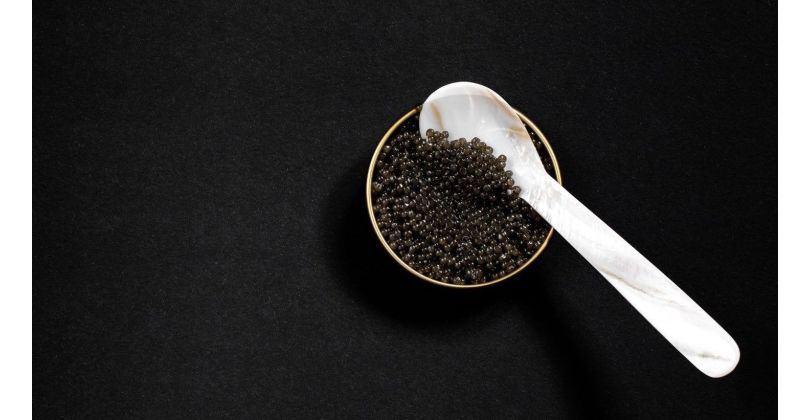
The caviar
The black gold
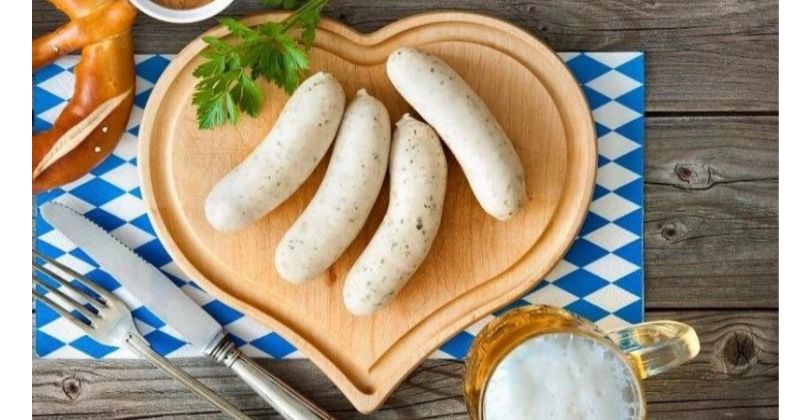
weisswurst
Oktoberfest in Switzerland, what does it actually include?
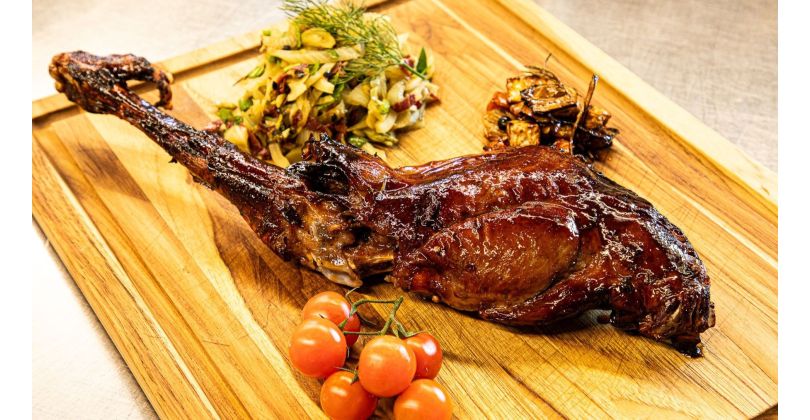
Roasted leg of chamois on the bone with warm fennel salad and game jus
Loading...
77 view(s) 5 min read

Roasted leg of chamois on the bone with warm fennel salad and game jus

Chamois has a long and rustic culinary tradition in Europe, closely tied to Alpine hunting and mountain culture. As early as the Middle Ages, it was considered a valuable game animal in high-altitude regions where livestock farming was limited. Its meat provided an important source of protein for people living in remote valleys and symbolised the skill and courage of the hunter, as chamois hunting was both demanding and dangerous.

In aristocratic cuisine, chamois played a lesser role compared to venison or wild boar, but it remained deeply rooted in regional and rural cooking. The meat was typically braised or roasted, often paired with robust herbs, root vegetables, and berries to balance its intense, slightly gamey flavour. Long cooking times helped tenderise the lean meat.

With the development of game cuisine in the 19th century, particularly in Alpine and southern German regions, chamois gained greater culinary recognition. Chefs began preparing it in more refined ways, such as chamois ragout, saddle of chamois, or delicately seasoned terrines. To this day, chamois represents authenticity, regional identity, and a respectful relationship with nature.

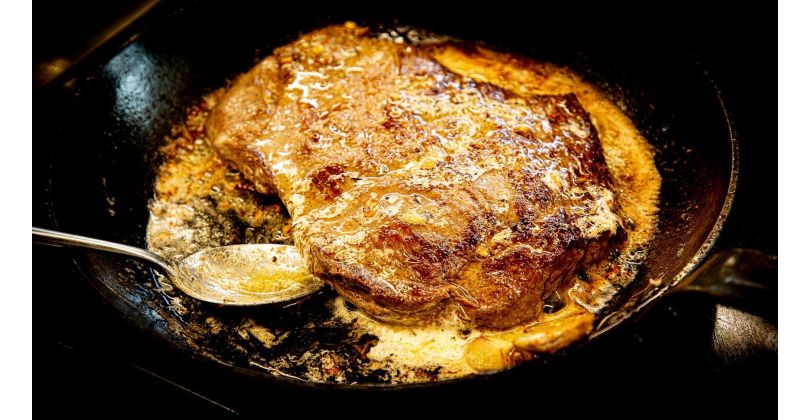
Grilled Flank Steak with Kiwi, Kohlrabi, and Pepperoni Salsa on Hummus and Sautéed Baby Kale
Loading...
472 view(s) 7 min read

Grilled Flank Steak with Kiwi, Kohlrabi, and Pepperoni Salsa on Hummus and Sautéed Baby Kale

Flank steak is a popular cut of beef that comes from the belly area of ​​the animal, specifically the lower breast. It is characterized by an intense flavor and a relatively fibrous structure, making it a favorite in many grilled dishes and recipes.

History: The origins of flank steak, like many other cuts of beef, date back to the days of ranching. It became popular in the United States in the 19th century, especially during the rise of barbecue culture and the practice of cooking meat outdoors. Originally, flank steak was often considered a less valuable cut and therefore more cost-effective. In the 1980s, attention to flank steak began to shift as chefs and barbecue enthusiasts discovered its flavor and versatility. It became a favorite in American cuisine, especially in dishes like fajitas or marinated barbecue meats, as it pairs well with various seasonings.

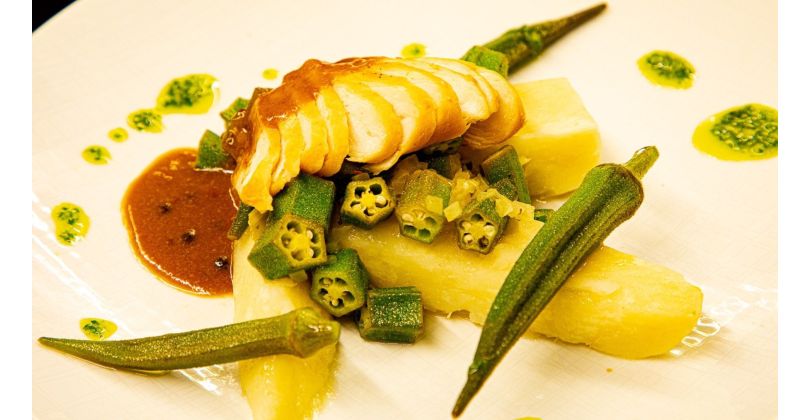
Crocodile Eye Fillet with Coriander-Orange Marinade, Yams (Cassava) and Okra
Loading...
47 view(s) 8 min read

Crocodile Eye Fillet with Coriander-Orange Marinade, Yams (Cassava) and Okra

Crocodile meat has a long, rather quiet culinary history in South Africa, closely linked to the environment, hunting, and regional traditions. Long before European settlers arrived, indigenous communities along rivers and wetlands used crocodiles as an occasional food source. The meat was not considered an everyday food, but rather a rare treat, consumed primarily on special occasions or after successful hunts. The focus was less on culinary enjoyment and more on respecting the animal and fully utilizing its resources.

With the colonial era, the way crocodiles were treated changed significantly. European influences brought new cooking techniques and flavor profiles, while at the same time the crocodile increasingly came into focus as a source of raw material for leather. During this period, the meat was treated as a secondary commodity, but occasionally found its way into the kitchens of hunters, farmers, and adventurers, who prepared it as an exotic alternative to beef or game. Nineteenth-century descriptions mention crocodile meat as light in color, firm, and tasting somewhere between fish and poultry.

It wasn't until the late 20th century that a new phase began in the culinary history of crocodile meat in South Africa. Stricter conservation laws and the establishment of crocodile farms transformed the animal from an endangered wild animal into a controlled, farmed animal. In this context, fine dining also rediscovered the meat. Chefs experimented with crocodile fillets, curries, and grilled steaks, presenting them as a sustainable, protein-rich delicacy with a regional connection.

Today, crocodile meat in South Africa symbolizes the balancing act between tradition and modernity. It evokes pre-colonial hunting practices and colonial eating habits, while simultaneously showcasing a contemporary cuisine that consciously works with local, unusual ingredients. In restaurants and at food festivals, it is often served as a culinary narrative, a piece of history on a plate that tells of landscape, change, and cultural diversity.

Crispy Porchetta with Tomato Risotto, Purslane, Onion and Zucchini Vegetables, and Red Wine Reduction
Loading...
214 view(s) 8 min read

Crispy Porchetta with Tomato Risotto, Purslane, Onion and Zucchini Vegetables, and Red Wine Reduction

Porchetta is one of Italy's most traditional pork dishes and much more than just a roast; it's a celebration, street food, and a craft all in one.

Origin in Central Italy: Its roots lie in Central Italy, especially in the Lazio region around Ariccia. There, porchetta is considered a culinary symbol, and the town remains famous for its version, Porchetta di Ariccia. Historians believe that even in ancient times, pigs were stuffed with herbs on spit, possibly as early as the Roman Empire. Pork was a staple food in rural Italy, and processing an entire animal was a sign of prosperity and community.

The principle: Whole animal, lots of patience: Traditionally, a whole, boneless pig is used. It is heavily seasoned inside, usually with:
Fennel, rosemary, garlic, pepper, and salt.

Then it is tightly rolled, tied, and slowly roasted over a wood fire. An extremely crispy rind develops on the outside, while the meat inside remains juicy and flavorful. This contrast is the very essence of porchetta.

A feast and street food in one: Porchetta was originally a festive dish at:
• Village festivals
• Weddings
• Religious celebrations
• Fairs

Over time, it became a legendary street food. Throughout Italy, you'll see stalls selling enormous porchetta rolls at markets. It is sliced ​​thickly and often simply served in bread, without any fuss. The meat itself is the star.

Craftsmanship with pride: The preparation is traditionally a craft, often passed down through generations by specialized porchetta makers. Every family, every region has its own blend of spices; the exact recipe is often a secret.

Why porchetta is so special: Porchetta stands for:
• Nose-to-tail cuisine
• Respect for the animal
• Sharing a meal
• Patience instead of haste
• Rustic perfection

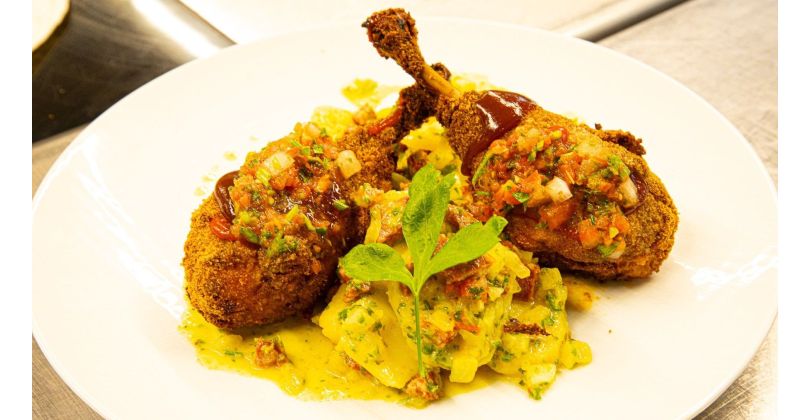
Breaded Chicken Drumsticks on Warm Potato Salad with Chorizo
Loading...
185 view(s) 6 min read

Breaded Chicken Drumsticks on Warm Potato Salad with Chorizo

The chicken drumstick, or lower leg of the chicken, is one of the oldest and most widely consumed cuts of meat in human culinary history. Even with the domestication of the chicken in Southeast Asia several thousand years ago, this cut of meat was prized for its relatively high meat content, succulence, and ease of preparation.

In the historical everyday cuisine of Europe, the drumstick was long considered a typical dish for simple households. Whole chickens were boiled or braised, with the drumsticks being regarded as particularly nutritious. In many regions, they symbolized a hearty meal, often served on holidays or after hard work in the fields.

The chicken drumstick developed a special cultural significance in North America during the 19th and 20th centuries. With the rise of the fried chicken tradition, it became an iconic part of the local food culture. Its shape was ideal for eating by hand, making it particularly popular with street food vendors and later in fast-food chains.

Today, the chicken drumstick is a global all-rounder. Whether grilled, baked, fried, or braised, it combines culinary tradition with modern cuisine. Its story shows how a simple component, through cultural diversity and practical features, became a timeless classic.

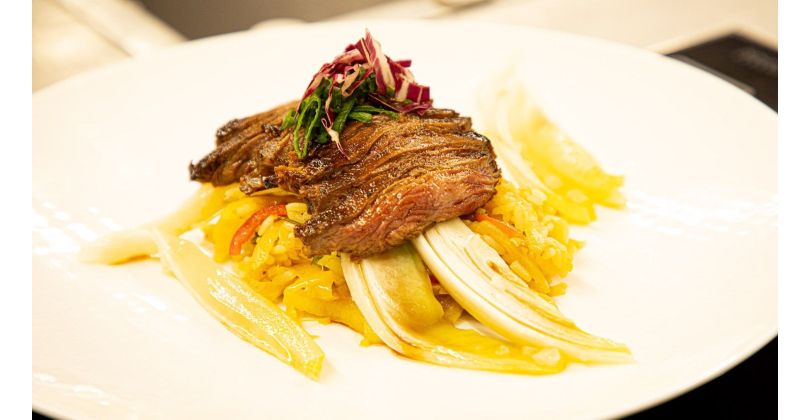
Marinated Inside Skirt Steak on Steamed Brussels Endive with Rice, Pepperoni, and Spring Onions
Loading...
165 view(s) 8 min read

Marinated Inside Skirt Steak on Steamed Brussels Endive with Rice, Pepperoni, and Spring Onions

The inside skirt, also known as the inner hemisphere of the diaphragm, has a long but often overrated history in meat culture. Even in traditional European peasant cuisine, this cut was used, though mostly as boiled meat or for simple dishes, as it was considered too coarse-grained for fine dining. Prime cuts like filet mignon or ribeye were clearly the focus.

The inside skirt steak experienced its real rise in popularity in North and South America. In the 19th century, it was particularly prized in the USA by butchers and laborers who had access to less sought-after cuts but knew their intense flavor. In Mexico and Argentina, the cut simultaneously became a staple of barbecue culture. It was quickly recognized there that the inside skirt, when cooked briefly at very high heat, is exceptionally juicy and aromatic.

It wasn't until the late 20th century, with the trend towards nose-to-tail eating and alternative cuts, that the inside skirt also gained recognition in Europe's upscale restaurants. Top chefs discovered it as a characterful steak with rustic charm. Today, it is considered a prime example of how taste depends not on prestige, but on origin, maturation, and preparation.

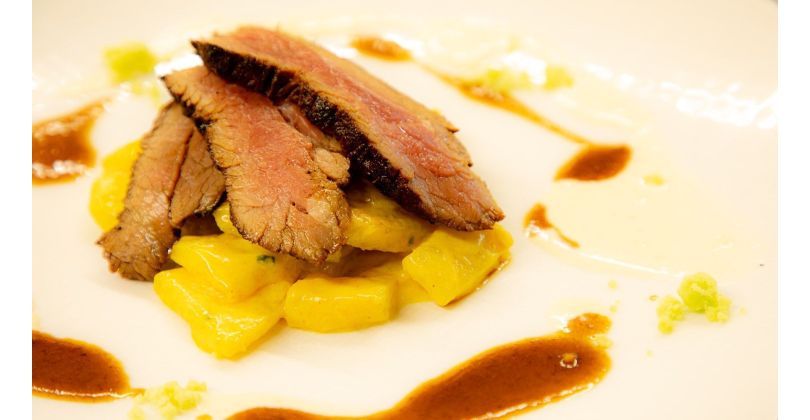
Sous Vide Tri-Tip in Soy–Honey Marinade
Loading...
302 view(s) 5 min read

Sous Vide Tri-Tip in Soy–Honey Marinade

Nice to know: Tri-tip has a long and evolving culinary history and is valued in both European and international cuisine.

Anatomically, tri-tip comes from the lower part of the beef sirloin. For a long time, it was considered a secondary cut and was often used for slow-cooked dishes. Over time, butchers and chefs discovered that, when properly trimmed and cooked, tri-tip is exceptionally flavorful and tender.

Traditionally, tri-tip benefits from gentle cooking methods such as braising or slow roasting. Today, it is especially popular within modern and nose-to-tail–inspired cooking and is enjoyed sous vide, pan-seared, or grilled.

Tri-tip thus represents the shift in meat culture—from an underrated cut to a versatile and highly regarded centerpiece with strong culinary character.

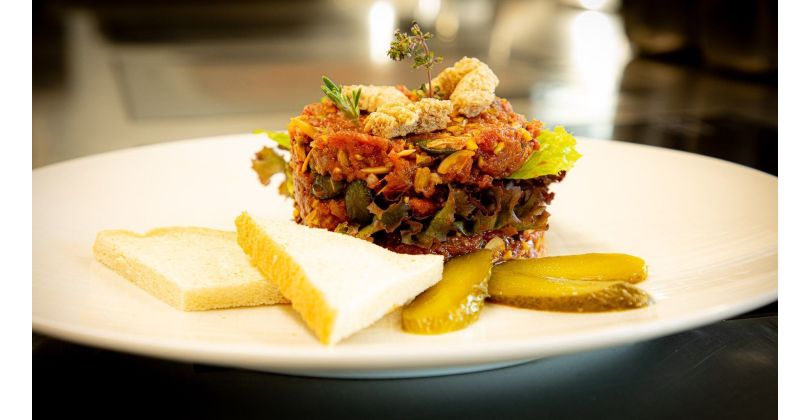
Swiss Buffalo Tartare - Simple and Delicious
Loading...
468 view(s) 4 min read

Swiss Buffalo Tartare - Simple and Delicious

The dish "Tartar" or "Tatar Steak" (often simply called "Tartar") is a raw minced meat dish, traditionally made with beef. The origins of this dish date back to various influences that blended in European cuisine. The name "Tartar" is often associated with the Tatars, a Turkic-speaking horse-riding people from the Eurasian steppe. Legend has it that the Tatars prepared raw meat under their saddles by pounding it flat, thus tenderizing it.

However, this story is not historically verified and is considered more of a myth. It is more likely that the dish became popular in Central Europe in the 19th century, particularly in Germany, Austria, and France. There, "Steak Tartare" developed as a fine dish made of raw, very finely minced or diced beef, often served with onions, capers, spices, and a raw egg yolk. Tatar is therefore a product of European cuisine, which, although inspired by the supposed historical image of the Tatars, is primarily based on culinary traditions of the 19th century.

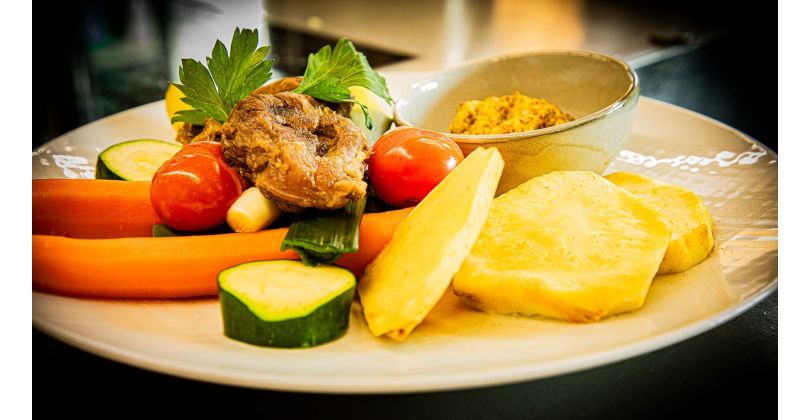
Pot au Feu with Golden Coin Beef and Market Vegetables
Loading...
244 view(s) 4 min read

Pot au Feu with Golden Coin Beef and Market Vegetables

Pot au feu is a classic French dish often considered the "good old food" of French cuisine. The term "pot au feu" literally means "pot over the fire" and describes the preparation of a stew consisting of various meats, vegetables, and spices. The history of pot au feu dates back to at least the 17th century and is closely linked to the rural cuisine of France.

Originally, pot au feu was prepared from simple ingredients that were often readily available in rural areas. It was usually beef, pork, or poultry, cooked in a large pot with root vegetables such as carrots, celery, and leeks. At that time, its preparation was primarily practical: the ingredients could be cooked in a single pot, which saved time and resources.

Over the centuries, pot au feu evolved in different regions of France. Culinary preferences and regionally specific ingredients led to different variations of this dish. It became a symbol of family meals and social gatherings. In the 19th century, it also gained popularity in haute cuisine and was served in fine restaurants, leading to further refinement of its preparation.

Traditionally, pot au feu was served in three courses.

1st course: The broth
2nd course: The meat and vegetable platter
3rd course: Both together

Roasted Beef Flat Iron Steak with Glazed Beetroot and Celery, Served with Red Wine Reduction
Loading...
377 view(s) 6 min read

Roasted Beef Flat Iron Steak with Glazed Beetroot and Celery, Served with Red Wine Reduction

The flat iron steak has an interesting history, closely linked to the development of beef butchering and the meat industry. The flat iron steak comes from the shoulder area of ​​the cow, more specifically from the so-called "top blade" or "shoulder cut." This part of the beef was previously considered less valuable because it contained many tendons and connective tissue that made the meat tough.

In the early 2000s, however, meat scientists and butchers discovered that by cutting it in a special way and removing the tough tendon, a particularly tender and flavorful steak could be obtained from the shoulder area. This new steak was called the "flat iron steak" because of its flat, triangular shape, reminiscent of a flat iron.

The discovery of the flat iron steak was a breakthrough because it represents a low-cost alternative to more expensive steaks like ribeye or fillet, yet is still very tender and flavorful. Since then, the flat iron steak has gained popularity, especially in the US and increasingly in Europe, and can now be found in many restaurants and meat counters.
In summary, the flat iron steak is an example of how innovation in meat cutting can open up new, high-quality cuts of meat that previously received little attention.


Copyright © 2026 meat4you. All rights reserved.