Facebook Pixel

Posts tagged 'spareribs'

grillfleisch
Which meat cuts are suitable for grilling?
Why Organic?
Why Organic?
dry aged beef
Why Dry Aged Beef?
The Chianina beef
Small tree or big cattle?
The world of truffles, the passion of Giuliano Tartufi
The caviar
The black gold
weisswurst
Oktoberfest in Switzerland, what does it actually include?
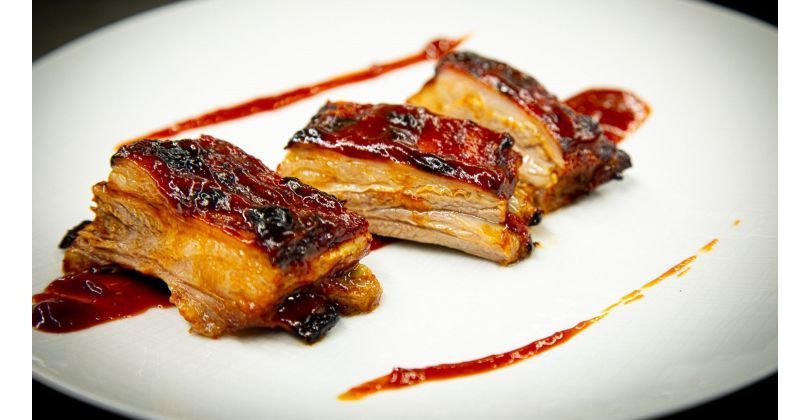
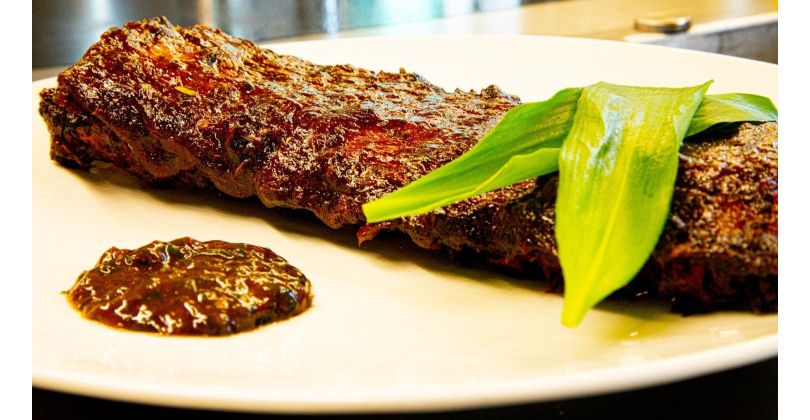
Pork Baby Back Ribs (Spare Ribs) with Wild Garlic BBQ Sauce
Loading...
157 view(s) 6 min read

Pork Baby Back Ribs (Spare Ribs) with Wild Garlic BBQ Sauce

Nice to know:

Baby back ribs come from the upper part of the pork loin, near the chops. They were once considered a byproduct of butchering—the prime cut was the chops, the ribs were "what's left over."

In many cultures, however, these cuts were never wasted. Instead, they were:

• slow-cooked to tenderize them
• ​​heavily seasoned to bring out the flavor
• often cooked over an open fire or in simple ovens
This is where the true BBQ culture begins.

Rise in the USA: BBQ Culture & Soul Food
Baby back ribs owe their current cult status primarily to the Southern United States.

In the 18th and 19th centuries, various influences brought together the BBQ tradition:

• European settlers: pig farming and meat processing
• African cooking techniques: slow cooking over fire
• Caribbean influences: spices and marinades

Especially in African American cuisine (soul food), inexpensive cuts of meat like ribs were perfected.

The principle: Low & Slow
Hours of cooking at a low temperature make the ribs incredibly tender.


Regional Styles.
Over time, distinct "rib cultures" developed:

• Memphis: dry rub, minimal sauce
• Kansas City: thick, sweet and smoky BBQ sauce
• Texas: focus on meat and smoke, less sweet
• Carolina: often vinegar-based sauces

Each region swears its version is the best.

Globalization & Modern Cult
In the 20th century, baby back ribs became popular worldwide:

• BBQ restaurants made them a classic
• Food festivals and barbecue competitions fueled the trend
• Today, there are countless variations: from classic American to Asian-style glazed

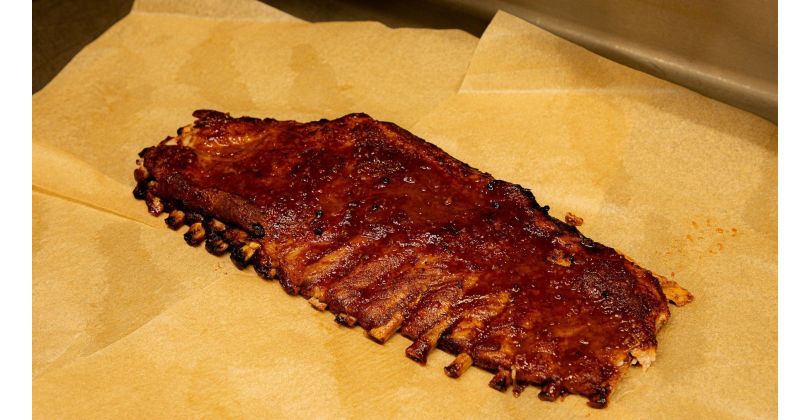
Perfectly cooked Costine – tender and juicy, falling off the bone
Loading...
1058 view(s) 9 min read

Perfectly cooked Costine – tender and juicy, falling off the bone

The history of the Costine is closely linked to the development of barbecue culture, especially in the USA, where barbecue has a long tradition. Originally, ribs were often considered an inexpensive cut of meat, appreciated by the less affluent segments of the population. Over time, chefs and grill masters discovered the full potential of the Costine – slow cooking at low temperatures makes them buttery tender and develops a distinctive flavor.

In Europe, Costine pork is also very popular, especially in Italian and German cuisine, where it is often marinated or refined with spicy sauces. Whether braised in the oven, grilled on the barbecue or as part of a hearty stew – Costine are versatile and a real treat.

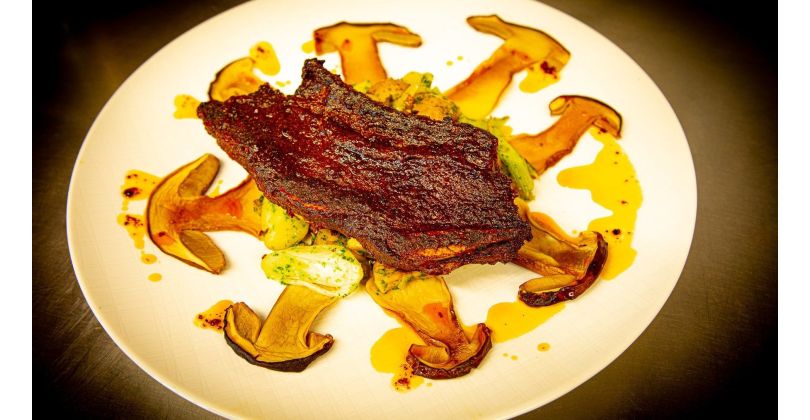
Crispy grilled beef asados with meat4you seasoning and marinated porcini mushrooms on a roasted potato, onion, and mushroom bed
Loading...
444 view(s) 5 min read

Crispy grilled beef asados with meat4you seasoning and marinated porcini mushrooms on a roasted potato, onion, and mushroom bed

Beef asado is much more than just a dish—it's a cultural experience with deep historical roots, especially in South America. Asado originated in the gaucho traditions of Argentina and Uruguay. The gauchos, the legendary cattle herders of the Pampas, developed it as a practical yet sociable way of preparing beef over an open fire.

In the 18th and 19th centuries, asado was a central part of the lives of gauchos, who often spent days on the pastures. They used simple methods to slowly cook the meat over a wood fire, giving the beef its characteristic smoky flavor. This slow cooking made the meat particularly tender and flavorful – a tradition that is still practiced today. Over time, the asado became a symbol of Argentinian and Uruguayan identity and is now an integral part of family celebrations and social gatherings. It represents community, hospitality, and the joy of sharing good food.

The beef asado thus combines history, culture, and culinary delights in a unique way – a true piece of South American lifestyle on a plate. The asado cut is the cross rib, also called beef ribs, and is cut from the bone-in beef brisket, across the bone. A fresh chimichuri sauce complements it.

Juicy Aargau pasture-fed lamb spareribs with BBQ sauce
Loading...
585 view(s) 4 min read

Juicy Aargau pasture-fed lamb spareribs with BBQ sauce - easy and quick to prepare

Juicy Aargau pasture-fed lamb spareribs with BBQ sauce


Ingredients for 2 people
1 kg lamb spareribs
2 tbsp olive oil
2 tbsp honey or maple syrup
2 tbsp soy sauce
2 tbsp ketchup
2 tbsp mayonnaise
1 tbsp mustard
3 tbsp Big Sam's Chueli Peeling Rub, also goes great with lamb (optional)


Preparation:


Prepare the marinade: In a bowl, mix olive oil, honey, soy sauce, ketchup, mayonnaise and a little mustard with Big Sam's Chueli Rub.

Marinate the spareribs: Place the lamb spareribs in a large freezer bag or a flat bowl and pour the marinade over them. Close the bag well or cover the bowl and marinate in the refrigerator for at least 2 hours, ideally overnight.

Prepare for roasting: Preheat the oven to 200 °C (fan oven 200 °C). Take the marinated spareribs out of the fridge and remove them from the marinade (set aside).

Baking: Cook the spareribs in the oven at 200 °C for 20 minutes covered with aluminum foil. Then remove the aluminum foil, coat the spareribs again with the marinade and bake for another 5-10 minutes until they are golden brown.

Serving: Take the lamb spareribs out of the oven and let them rest for a short while. Serve with baked potatoes and a spicy BBQ sauce.


Here is another simple recipe to go with it.


Ingredients:
300 g ketchup
100 ml apple cider vinegar
50 g brown sugar
2 tbsp honey
1 tbsp Worcestershire sauce
1 tsp mustard
1 tsp smoked paprika
1 tsp garlic powder
1 tsp onion powder
Salt and pepper to taste


Preparation:


Mix: Put all ingredients in a medium-sized saucepan and mix well.

Heating: Heat the mixture over medium heat, stirring occasionally, until the sauce begins to simmer.

Simmer: Reduce the heat and simmer the sauce gently for about 15-20 minutes to allow the flavors to combine. Stir occasionally.

Seasoning: Taste the sauce and adjust to taste with salt, pepper or additional seasonings.

Allow to cool: Remove the sauce from the heat and allow to cool. It can be served warm or cold.

Copyright © 2026 meat4you. All rights reserved.