Facebook Pixel

Posts tagged 'beef'

grillfleisch
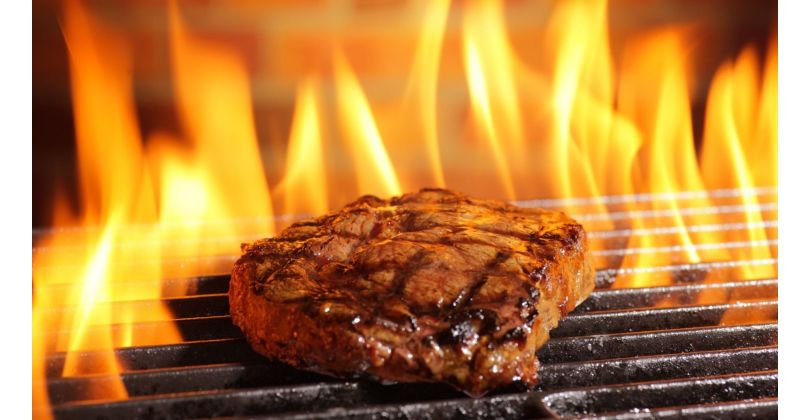
Which meat cuts are suitable for grilling?
Why Organic?
Why Organic?
dry aged beef
Why Dry Aged Beef?
The Chianina beef
Small tree or big cattle?
The world of truffles, the passion of Giuliano Tartufi
The caviar
The black gold
weisswurst
Oktoberfest in Switzerland, what does it actually include?
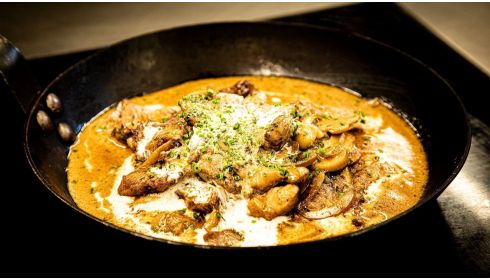
Grilled Denver Cut Steak from a cast iron pan with fresh vegetables and sautéed chorizo, chanterelles, and onions
Loading...
390 view(s) 5 min read

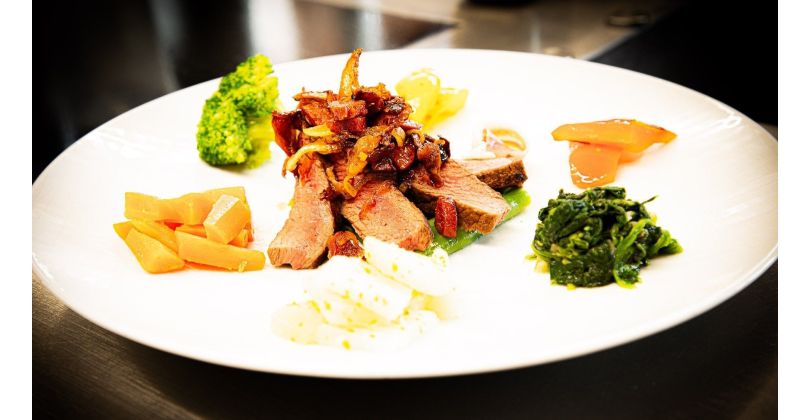
Grilled Denver Cut Steak from a cast iron pan with fresh vegetables and sautéed chorizo, chanterelles, and onions

The Denver Cut Steak is a real insider tip among steak lovers. It comes from the so-called "chuck" area of ​​the beef, more specifically from the shoulder blade muscle. Despite its origin in the shoulder, the Denver Cut Steak is tender and flavorful – a real treat!

What makes the Denver Cut Steak so special? It has fine marbling, tiny veins of fat that melt during cooking, giving the meat its intense flavor. The texture is tender yet firm to the bite—perfect for those seeking a steak with character.

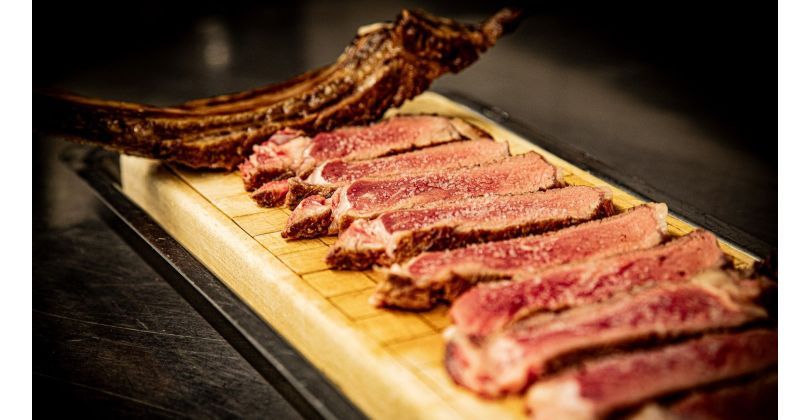
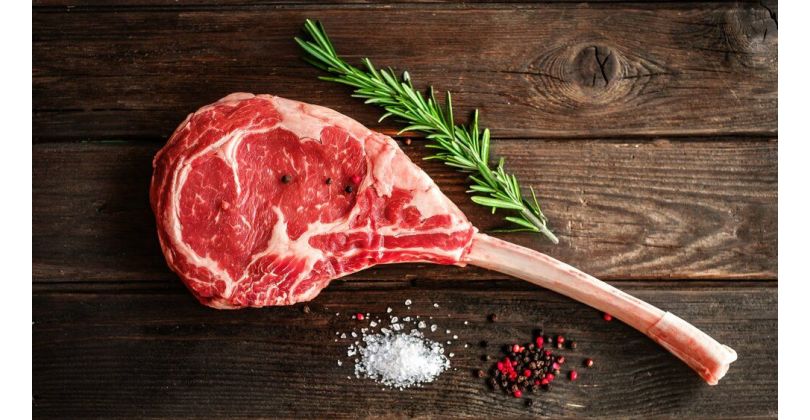
The Tomahawk Steak - Dry Aged - Kettyle Irish Food - The Dry Aged Pioneer
Loading...
891 view(s) 4 min read

The Tomahawk Steak - Dry Aged - Kettyle Irish Food - The Dry Aged Pioneer

The Tomahawk Steak - Dry Aged - Kettyle Irish Food - The Dry Aged Pioneer


A Tomahawk steak is not only a treat, but also an impressive piece of meat that should be prepared properly to bring out its full flavor. Here is a recipe to perfectly fry a Tomahawk steak:

Ingredients for 2-3 people

1 Tomahawk steak (approx. 1-1.3kg)
Coarse salt (e.g. sea salt or fleur de sel)
Freshly ground black pepper
2-3 tbsp olive oil or clarified butter


Preparation:


Preparation: Take the Tomahawk steak out of the fridge about 1-2 hours before frying so that it reaches room temperature. This helps to achieve even cooking.

Seasoning: Rub the steak with coarse salt and freshly ground black pepper. Seasoning should be done at least 30 minutes before frying so that the steak can absorb the flavors.

Frying: Heat a large pan (or grill) over high heat and add the olive oil or clarified butter.

Once the oil is hot, place the steak in the pan. Fry for 4-5 minutes on each side until a nice crust forms. Alternatively, you can sear the steak on a grill over direct heat.

Indirect heat: After searing, place the steak on an indirect heat zone of the grill or in the preheated oven (approx. 120-150 °C) to achieve the desired level of doneness. Use a meat thermometer to check the core temperature:


Rare: 50-52 °C

Medium-Rare: 54-57 °C

Medium: 60-63 °C

Medium-Well: 65-68 °C

Well Done: Over 70 °C


Let it rest: Take the steak off the grill or pan and let it rest on a cutting board for about 10-15 minutes. This allows the juices to distribute throughout the meat.

Serve: Cut the steak into slices across the grain and serve with your favorite side dishes.

Tips: Use a meat thermometer to achieve the perfect level of doneness.

Grilled Sashi or Choco Côte de Boeuf with Caramelized Cherry Tomatoes, Gorgonzola, Garlic, and Sage
Loading...
228 view(s) 4 min read

Grilled Sashi or Choco Côte de Boeuf with Caramelized Cherry Tomatoes, Gorgonzola, Garlic, and Sage

The Rib Eye Bone-In, also known as Côte de boeuf, is a coveted cut among discerning steak gourmets due to its pronounced marbling and tender texture with an intense meaty flavor. The fact that this taste experience has also made its way onto international palates is once again thanks to the innovative mind of John "Sashi" Nielsen. The Dane and founder of the renowned meat producer JN Meat is a true "maniac" when it comes to excellent meat.

His unerring nose for the best quality led him to Finland. Everything there convinced the expert. Particularly protein-rich grass, clear air, and absolutely clean water provide the best conditions for a species-appropriate, natural, and healthy diet for the cattle. Nielsen focuses on ensuring that his animals can live and grow up as stress-free as possible – ultimately, this should have a positive effect on the quality of the meat.

In Finland, he finds exactly the right conditions: Vast landscapes with fresh grass and clear air provide ideal living conditions for cattle. These exceptional living conditions are noticeable with every bite of the hearty steak: The meat is particularly tender and flavorful.

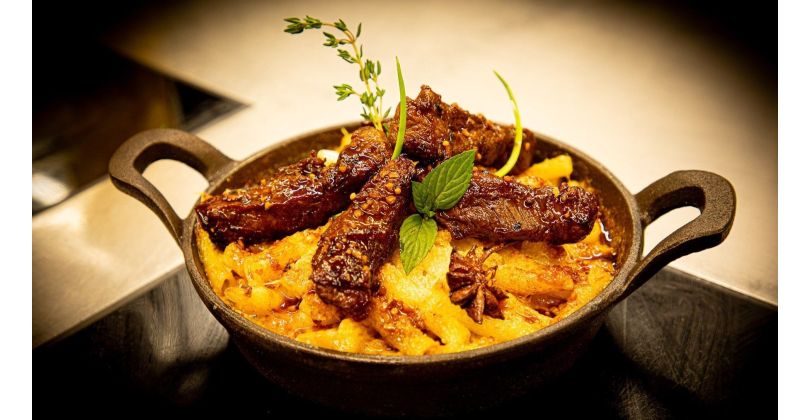
Grilled Beef Rib Fingers with Mac & Cheese
Loading...
137 view(s) 4 min read

Grilled Beef Rib Fingers with Mac & Cheese

Beef rib fingers are narrow, elongated strips of meat that come from the ribs of a cow. More specifically, they are the meat that sits between the rib bones—the "strips of meat" along the beef ribs. This meat is particularly juicy and flavorful because it has a high fat content and absorbs a lot of flavor due to its proximity to the bone.

Origin: Beef rib fingers are particularly popular in American barbecue cuisine. The tradition of valuing and slow-cooking beef originates from the southern United States, where barbecue has a long history and great cultural significance. There, beef ribs are often smoked or grilled at low temperatures for several hours to tenderize and flavor the meat. Rib fingers are a kind of "by-product" of beef rib processing, and are increasingly being valued as a product in their own right.

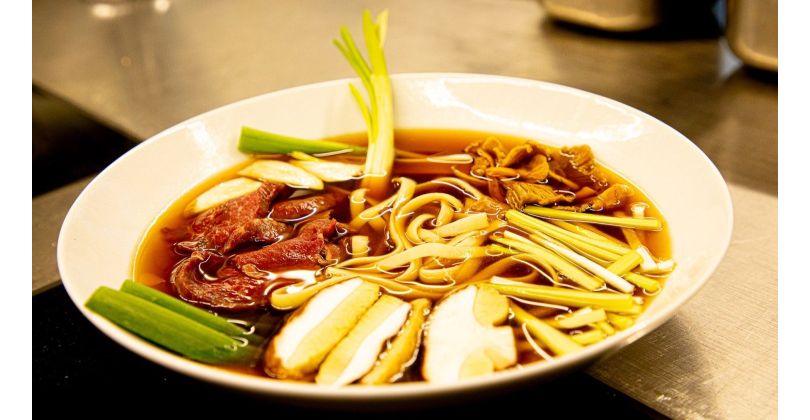
Beef Broth with Kobe Beef Shabu Shabu
Loading...
335 view(s) 5 min read

Beef Broth with Kobe Beef Shabu Shabu

Origin and term: The word bouillon comes from French and literally means "boil" or "that which boils." It originally referred to a clear broth made by boiling meat, bones, vegetables, and spices. Even in the Middle Ages, it was common practice in Europe to boil leftover meat and bones in water to produce nutrient-rich soups.

Development in France: In 17th and 18th-century France, bouillon became a staple in haute cuisine. Chefs developed systematic methods for making meat stocks and clear soups.

Bouillon as a popular dish: In the 19th century, so-called bouillons emerged in Paris – simple restaurants where workers received inexpensive meals, often a bowl of bouillon with bread or meat.

Industrial production: With industrialization, people began to preserve bouillon:

• 1840s: First attempts to produce concentrated meat extracts.
• 1850s: German chemist Justus von Liebig developed "meat extract," which was later marketed in cube form (bouillon cubes).
• 20th century: Brands like Maggi and Knorr made bouillon cubes and powder popular worldwide. This made bouillon a quick base for soups and sauces in almost every household.

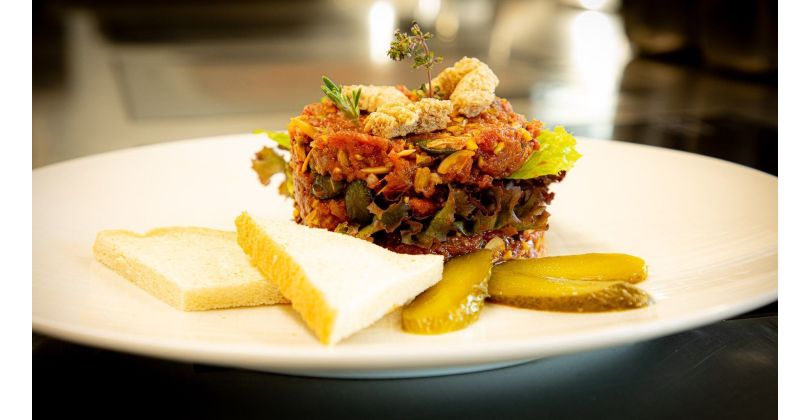
Swiss Buffalo Tartare - Simple and Delicious
Loading...
468 view(s) 4 min read

Swiss Buffalo Tartare - Simple and Delicious

The dish "Tartar" or "Tatar Steak" (often simply called "Tartar") is a raw minced meat dish, traditionally made with beef. The origins of this dish date back to various influences that blended in European cuisine. The name "Tartar" is often associated with the Tatars, a Turkic-speaking horse-riding people from the Eurasian steppe. Legend has it that the Tatars prepared raw meat under their saddles by pounding it flat, thus tenderizing it.

However, this story is not historically verified and is considered more of a myth. It is more likely that the dish became popular in Central Europe in the 19th century, particularly in Germany, Austria, and France. There, "Steak Tartare" developed as a fine dish made of raw, very finely minced or diced beef, often served with onions, capers, spices, and a raw egg yolk. Tatar is therefore a product of European cuisine, which, although inspired by the supposed historical image of the Tatars, is primarily based on culinary traditions of the 19th century.

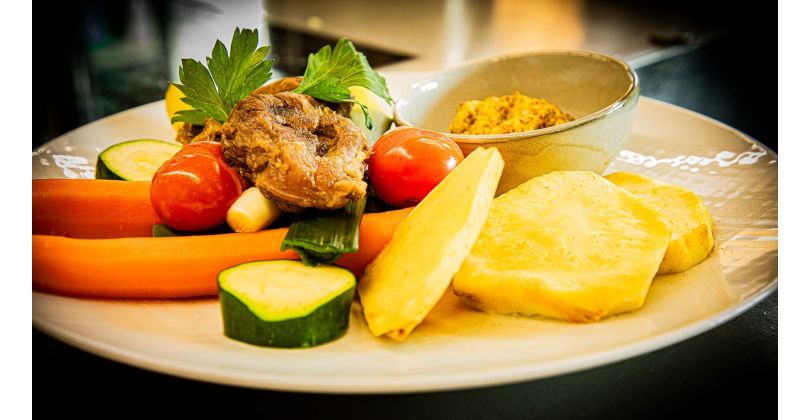
Pot au Feu with Golden Coin Beef and Market Vegetables
Loading...
244 view(s) 4 min read

Pot au Feu with Golden Coin Beef and Market Vegetables

Pot au feu is a classic French dish often considered the "good old food" of French cuisine. The term "pot au feu" literally means "pot over the fire" and describes the preparation of a stew consisting of various meats, vegetables, and spices. The history of pot au feu dates back to at least the 17th century and is closely linked to the rural cuisine of France.

Originally, pot au feu was prepared from simple ingredients that were often readily available in rural areas. It was usually beef, pork, or poultry, cooked in a large pot with root vegetables such as carrots, celery, and leeks. At that time, its preparation was primarily practical: the ingredients could be cooked in a single pot, which saved time and resources.

Over the centuries, pot au feu evolved in different regions of France. Culinary preferences and regionally specific ingredients led to different variations of this dish. It became a symbol of family meals and social gatherings. In the 19th century, it also gained popularity in haute cuisine and was served in fine restaurants, leading to further refinement of its preparation.

Traditionally, pot au feu was served in three courses.

1st course: The broth
2nd course: The meat and vegetable platter
3rd course: Both together

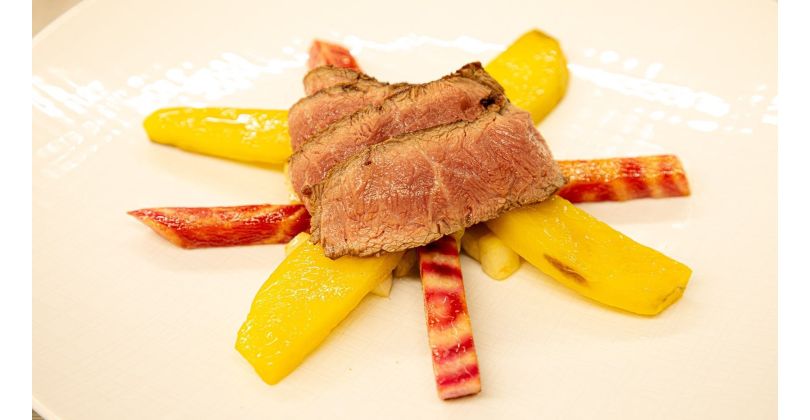
Roasted Beef Flat Iron Steak with Glazed Beetroot and Celery, Served with Red Wine Reduction
Loading...
377 view(s) 6 min read

Roasted Beef Flat Iron Steak with Glazed Beetroot and Celery, Served with Red Wine Reduction

The flat iron steak has an interesting history, closely linked to the development of beef butchering and the meat industry. The flat iron steak comes from the shoulder area of ​​the cow, more specifically from the so-called "top blade" or "shoulder cut." This part of the beef was previously considered less valuable because it contained many tendons and connective tissue that made the meat tough.

In the early 2000s, however, meat scientists and butchers discovered that by cutting it in a special way and removing the tough tendon, a particularly tender and flavorful steak could be obtained from the shoulder area. This new steak was called the "flat iron steak" because of its flat, triangular shape, reminiscent of a flat iron.

The discovery of the flat iron steak was a breakthrough because it represents a low-cost alternative to more expensive steaks like ribeye or fillet, yet is still very tender and flavorful. Since then, the flat iron steak has gained popularity, especially in the US and increasingly in Europe, and can now be found in many restaurants and meat counters.
In summary, the flat iron steak is an example of how innovation in meat cutting can open up new, high-quality cuts of meat that previously received little attention.


Classic - Irish beef striploin grilled with Allumette fries
Loading...
345 view(s) 4 min read

Classic - Irish beef striploin grilled with Allumette fries

Entrecote is a classic French steak dish, cut from the striploin of beef. It is particularly tender and flavorful. The side dish, "pommes allumette," is thinly sliced, crispy French fries, also from French cuisine. Irish beef is known worldwide for its quality, as the animals are mostly raised on lush pastures with natural feed, which gives the meat a particularly delicate flavor and tender texture. The combination of Irish beef and French cooking creates an elegant and delicious dish.
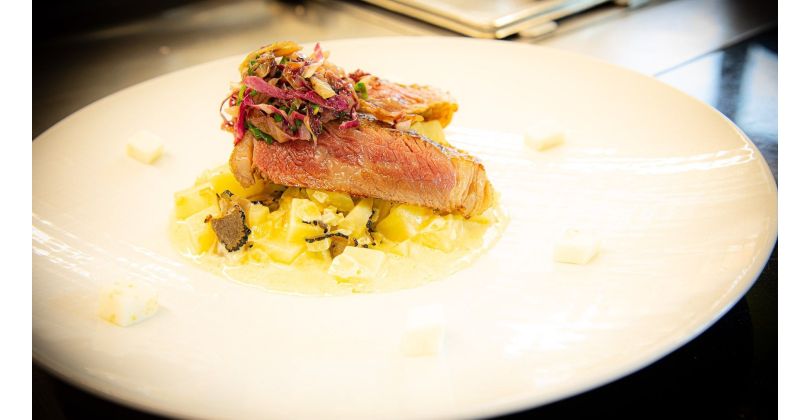
Grilled US Wagyu Beef ribeye on Creamed Celery with Black Truffle Slices and Sautéed Radicchio
Loading...
200 view(s) 4 min read

Grilled US Wagyu Beef ribeye on Creamed Celery with Black Truffle Slices and Sautéed Radicchio

Wagyu beef is known worldwide for its exceptional quality and exquisite flavor. Here are some interesting facts and information about Wagyu that illustrate what makes this meat special:

Origin: Wagyu originated in Japan. The term "Wagyu" means "Japanese cattle" (wa = Japanese, gyu = cattle).

Breeding: Wagyu breeding dates back to ancient Japanese cattle breeds first documented in the 2nd century AD. These cattle were originally used as working animals and were subject to special breeding and care conditions.

Breed:

Main lines: The most well-known Wagyu breeds are the Japanese Black, Japanese Brown, Japanese Shorthorn, and Japanese Polled. The Japanese Black breed is the most widespread.

Marbling:

Fat distribution: Wagyu is famous for its high fat marbling, meaning that intramuscular fat is evenly distributed throughout the meat. This marbling ensures a tender texture and rich flavor.

Health benefits:

Fat composition: Wagyu beef contains a higher proportion of unsaturated fatty acids, which are considered healthier, and is thus rich in omega-3 and omega-6 fatty acids, which are important for health.

Copyright © 2026 meat4you. All rights reserved.