Facebook Pixel

Posts tagged 'grill'

grillfleisch
Which meat cuts are suitable for grilling?
Why Organic?
Why Organic?
dry aged beef
Why Dry Aged Beef?
The Chianina beef
Small tree or big cattle?
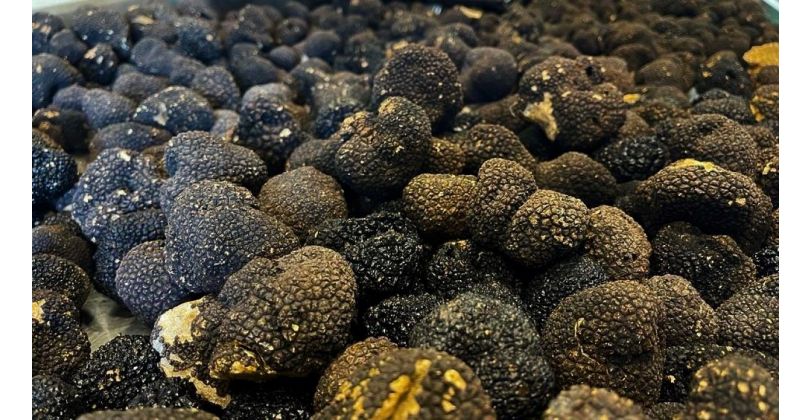
The world of truffles, the passion of Giuliano Tartufi
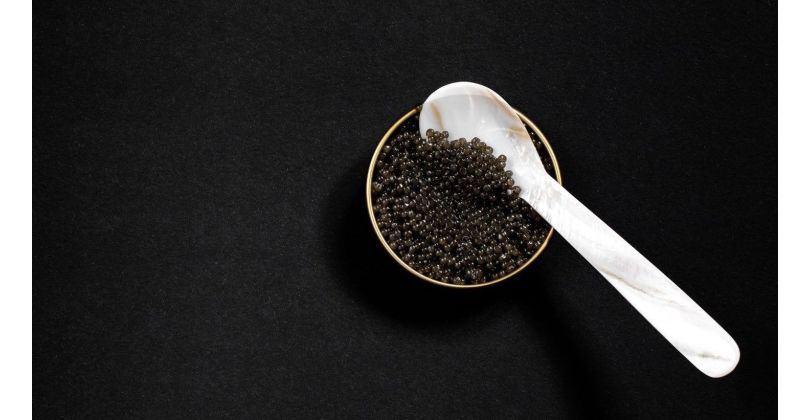
The caviar
The black gold
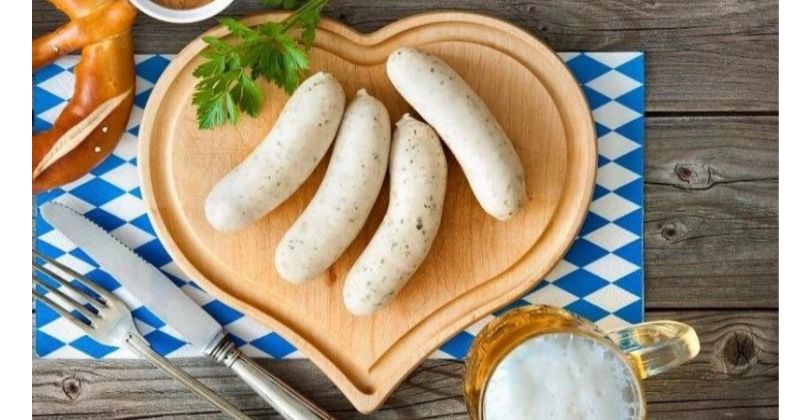
weisswurst
Oktoberfest in Switzerland, what does it actually include?
Iberian Lardo on Toasted Country Bread with Honey, Rosemary and Pan-Roasted Tomatoes
Loading...
108 view(s) 4 min read

Iberian Lardo on Toasted Country Bread with Honey, Rosemary and Pan-Roasted Tomatoes

Nice to know: Lardo has its roots in traditional European pig farming, where every part of the animal was carefully utilized. While the most famous version originates from Italy, Spain also has a long-standing tradition of producing exceptional cured pork specialties.

In regions such as Extremadura, Andalusia and Castile, pigs have been raised for generations for the outstanding quality of their fat. The renowned Iberian pigs, in particular, produce highly aromatic and beautifully marbled fat.

As early as the Middle Ages, pork fat was preserved through salting and curing, providing farmers, shepherds and travelers with an important source of energy.

To produce Lardo, selected pieces of back fat are carefully rubbed with sea salt and seasoned with ingredients such as garlic, pepper, rosemary and other Mediterranean herbs. The fat is then cured under controlled conditions for several weeks or even months.

During this maturation process, Lardo develops its characteristic silky texture and delicate, savory flavor.

Today, Spanish Iberian Lardo is considered a gourmet delicacy. Thanks to the exceptional quality of Iberian pork fat and the traditional curing process, it offers remarkable creaminess and refined flavor. Thinly sliced, it is enjoyed on fresh bread, alongside grilled meats or as an elegant ingredient in modern cuisine.

Pan-Fried Venison Picanha with Butter, Lemon and Thyme, White Asparagus and Green-White Asparagus Salad with Parsley-Spinach Vinaigrette
Loading...
120 view(s) 5 min read

Pan-Fried Venison Picanha with Butter, Lemon and Thyme, White Asparagus and Green-White Asparagus Salad with Parsley-Spinach Vinaigrette

Nice to know:   Venison has a long tradition in European cuisine and has been considered a noble game meat for centuries. During the Middle Ages, venison was highly valued at royal and aristocratic banquets, as hunting rights were often reserved for nobility. Today, venison remains one of the most popular game meats, especially during the autumn and winter seasons.

Culinarily, venison is known for its delicate and aromatic game flavor. Compared to other game meats such as roe deer or chamois, its taste is generally milder and more balanced. It is also very lean, high in protein, and contains very little intramuscular fat, making gentle cooking methods especially important.

Popular cuts:

Venison loin → exceptionally tender, ideal for quick cooking
Venison entrecôte or picanha → flavorful and juicy
Venison rump → fine texture and versatile
Venison stew meat or shoulder → perfect for slow cooking and braising

Traditional pairings in game cuisine include cranberries, red wine, mushrooms, chestnuts, Brussels sprouts, and seasonal sides such as asparagus. Herbs like thyme, rosemary, juniper berries, and mint also complement venison exceptionally well.

Interesting fact: A deer’s natural diet directly influences the flavor of its meat. Since deer feed on herbs, grasses, young shoots, buds, and forest fruits, the meat often develops subtle herbal and woodland notes that are rarely found in farm-raised meat.

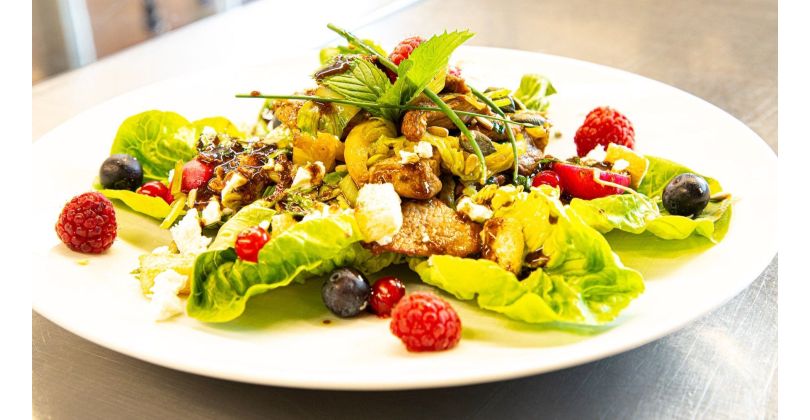
Stir-Fried Lamb Strips with Berries, Feta Cheese and Mint Vinaigrette
Loading...
113 view(s) 4 min read

Stir-Fried Lamb Strips with Berries, Feta Cheese and Mint Vinaigrette

Nice to know:  The combination of tender lamb, fresh salad and flavourful berries creates a perfectly balanced taste experience. While the lamb provides a rich and distinctive flavour, raspberries, red currants and blueberries add a refreshing fruity note and a pleasant natural sweetness.

Fruit has long been used in salads and is especially popular in Mediterranean cuisine. The gentle acidity of the berries pairs beautifully with savoury feta cheese and the freshness of mint. Together, they create an exciting contrast of sweet, salty and slightly tangy flavours.

In addition to their delicious taste, berries are a valuable source of vitamins and natural antioxidants. Combined with crisp lettuce, mixed seeds and premium lamb, they create a light and balanced meal that is perfect for warm summer days or as an elegant starter or main course.

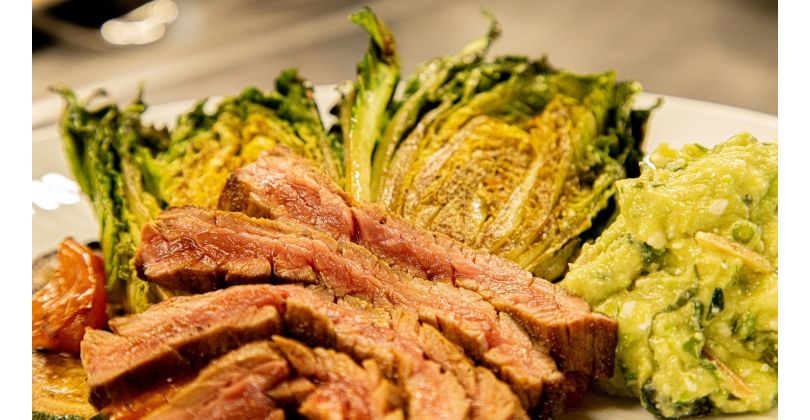
Grilled Outside Skirt Steak with Avocado-Feta Dip and Grilled Lettuce
Loading...
165 view(s) 5 min read

Grilled Outside Skirt Steak with Avocado-Feta Dip and Grilled Lettuce

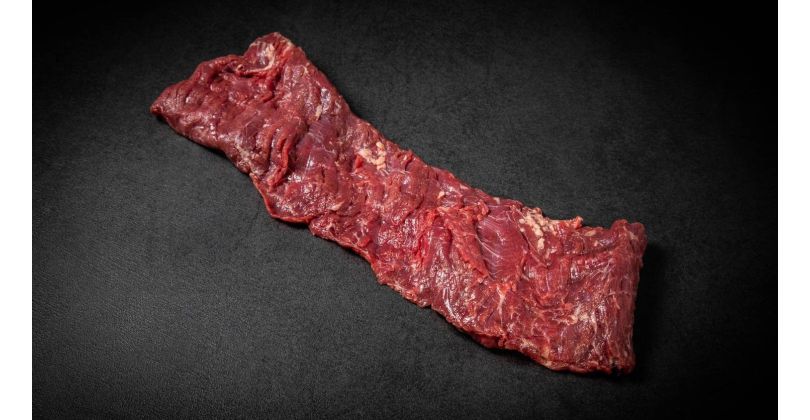
Nice to know: Origin: Beef Outside Skirt is one of the most flavourful and traditional beef cuts. It comes from the outer part of the diaphragm and is located in the belly and flank area of the animal. Because this muscle is constantly in motion, the meat develops a distinctive fibre structure and an intense, rich beef flavour.

The underestimated butcher's cut: For a long time, Outside Skirt played only a minor role in traditional European butchery. It was often used for minced meat or slow-cooked dishes. However, butchers and meat experts already knew about its exceptional flavour, which is why it was often considered a true butcher's cut and frequently kept for personal use.

International breakthrough: Outside Skirt became widely known through American BBQ culture and Tex-Mex cuisine. It gained particular fame through dishes such as fajitas, where the meat is traditionally marinated, grilled over high heat and sliced into thin strips.

This cooking method showed that even heavily used muscles can become exceptionally tender and juicy when prepared correctly.

Today: A true hidden champion

• bold and intense flavour
• distinctive fibre structure
• excellent for marinades
• perfect for quick grilling and searing
• ideal for fajitas, steak sandwiches and wok dishes

Internal temperatures & Meat Sommelier tip 

Outside Skirt should always be cooked quickly over high heat:

• Rare: 48-50 °C (118-122 °F)
• Medium Rare (recommended): 52-54 °C (126-129 °F)
• Medium: 55-57 °C (131-135 °F)
• Well Done: above 60 °C (140 °F+) (not recommended)

Swiss Black Angus Beef Burger with Fried Apple, Sauerkraut, Spinach, Feta Cheese & spicy 4 HOT MEAT Sauce
Loading...
84 view(s) 5 min read

Swiss Black Angus Beef Burger with Fried Apple, Sauerkraut, Spinach, Feta Cheese & spicy 4 HOT MEAT Sauce

Nice to know: The burger as we know it today has a fascinating history. Its roots go back to the German city of Hamburg. During the 19th century, German immigrants brought the so-called Hamburg Steak to the United States. It consisted of seasoned minced beef that was often served as a flat meat patty.

In the United States, this evolved step by step into the modern hamburger. To make it easier and more practical to eat, especially for workers, travelers and the growing street food culture, the meat was eventually placed between two pieces of bread.

By the early 20th century, burgers had become increasingly popular and turned into a key part of American food culture.

Today, burgers are far more than just fast food. From classic beef burgers to premium Black Angus creations with unique ingredients such as fried apples, regional cheeses and special sauces, burgers have become a true gourmet experience enjoyed around the world.

Inside Skirt from Beef (Kronfleisch): Origin, History and Perfect Preparation
Loading...
118 view(s) 5 min read

Inside Skirt from Beef (Kronfleisch): Origin, History and Perfect Preparation

The Inside Skirt, often referred to as Kronfleisch from beef in German-speaking countries, is one of the most aromatic and at the same time most underrated cuts in beef cuisine. For a long time, this cut was mainly known among connoisseurs, butchers, and lovers of traditional cuisine. In recent years, however, Kronfleisch has experienced a renaissance and is increasingly appreciated in modern grilling and steak culture.

Its intense flavour, loose texture, and versatile preparation possibilities make the Inside Skirt a true insider tip for meat lovers. At the same time, this cut looks back on an exciting historical development, ranging from traditional farm slaughtering practices through Parisian bistro cuisine to the international BBQ scene.

In this detailed blog article, you will learn everything about the origin, history, characteristics, preparation, and culinary use of Inside Skirt, also known as Kronfleisch from beef.

Pan-Fried Swiss Inside Skirt Steak with Asian Flavours, Noodles and Baking Soda as a Tenderizer
Loading...
156 view(s) 6 min read

Pan-Fried Swiss Inside Skirt Steak with Asian Flavours, Noodles and Baking Soda as a Tenderizer

Nice to know: Beef Inside Skirt, also known as the inner skirt steak, is one of the oldest and most traditional beef cuts. It comes from the diaphragm area of the animal and was once considered a true butcher's cut. The reason? Many butchers kept these highly flavourful pieces for themselves instead of selling them.

For many years, Inside Skirt remained a relatively unknown cut and was often used for minced meat or slow-cooked dishes. However, in the United States and Mexican cuisine, its full potential was discovered early on. It became especially famous in fajitas because, despite its coarse texture, it delivers an incredibly rich beef flavour.

With the rise of BBQ and grilling culture, Inside Skirt gained popularity worldwide. Today it is considered a true hidden champion among meat lovers: less famous than Ribeye or Entrecôte, but highly valued for its bold flavour, loose fibre structure and intense beef aroma.

The most important tip: cook it quickly over high heat and always slice it against the grain after cooking. This keeps the Inside Skirt exceptionally tender and juicy.

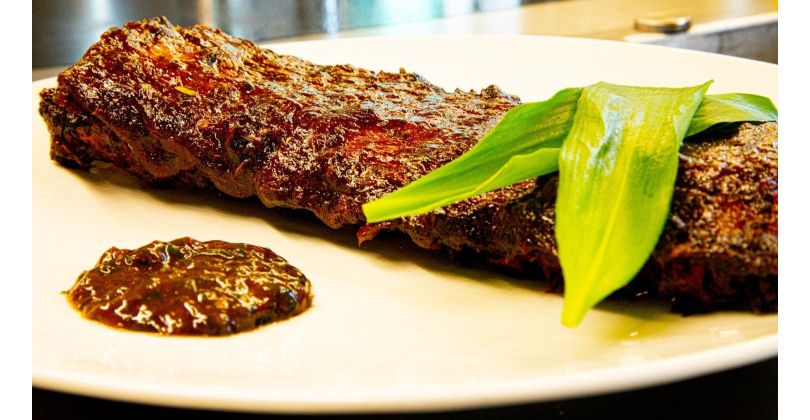
Pork Baby Back Ribs (Spare Ribs) with Wild Garlic BBQ Sauce
Loading...
267 view(s) 6 min read

Pork Baby Back Ribs (Spare Ribs) with Wild Garlic BBQ Sauce

Nice to know:

Baby back ribs come from the upper part of the pork loin, near the chops. They were once considered a byproduct of butchering—the prime cut was the chops, the ribs were "what's left over."

In many cultures, however, these cuts were never wasted. Instead, they were:

• slow-cooked to tenderize them
• ​​heavily seasoned to bring out the flavor
• often cooked over an open fire or in simple ovens
This is where the true BBQ culture begins.

Rise in the USA: BBQ Culture & Soul Food
Baby back ribs owe their current cult status primarily to the Southern United States.

In the 18th and 19th centuries, various influences brought together the BBQ tradition:

• European settlers: pig farming and meat processing
• African cooking techniques: slow cooking over fire
• Caribbean influences: spices and marinades

Especially in African American cuisine (soul food), inexpensive cuts of meat like ribs were perfected.

The principle: Low & Slow
Hours of cooking at a low temperature make the ribs incredibly tender.


Regional Styles.
Over time, distinct "rib cultures" developed:

• Memphis: dry rub, minimal sauce
• Kansas City: thick, sweet and smoky BBQ sauce
• Texas: focus on meat and smoke, less sweet
• Carolina: often vinegar-based sauces

Each region swears its version is the best.

Globalization & Modern Cult
In the 20th century, baby back ribs became popular worldwide:

• BBQ restaurants made them a classic
• Food festivals and barbecue competitions fueled the trend
• Today, there are countless variations: from classic American to Asian-style glazed

Copyright © 2026 meat4you. All rights reserved.