
Facebook Pixel

Posts tagged 'nosetotail'

grillfleisch
Which meat cuts are suitable for grilling?
Why Organic?
Why Organic?
dry aged beef
Why Dry Aged Beef?
The Chianina beef
Small tree or big cattle?
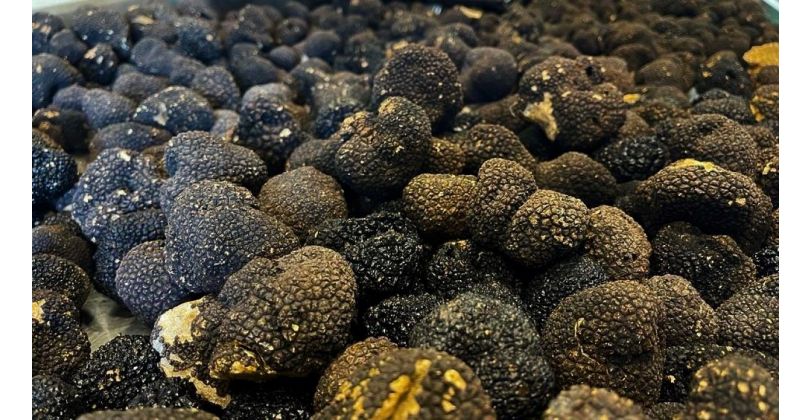
The world of truffles, the passion of Giuliano Tartufi
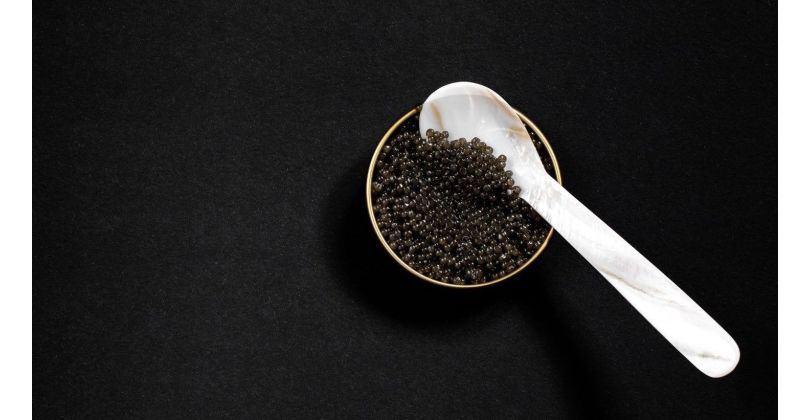
The caviar
The black gold
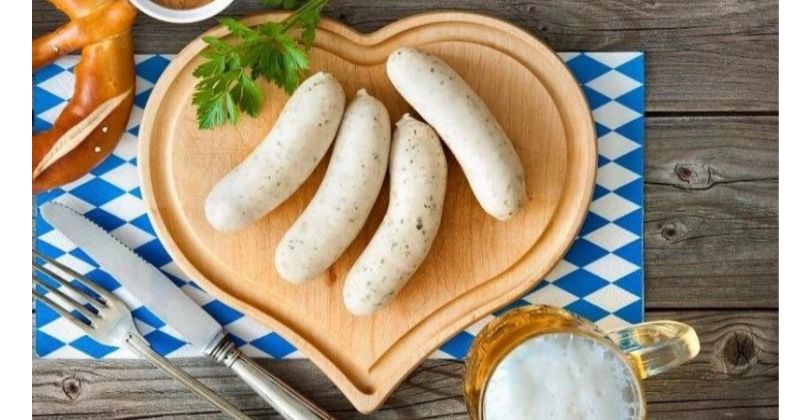
weisswurst
Oktoberfest in Switzerland, what does it actually include?
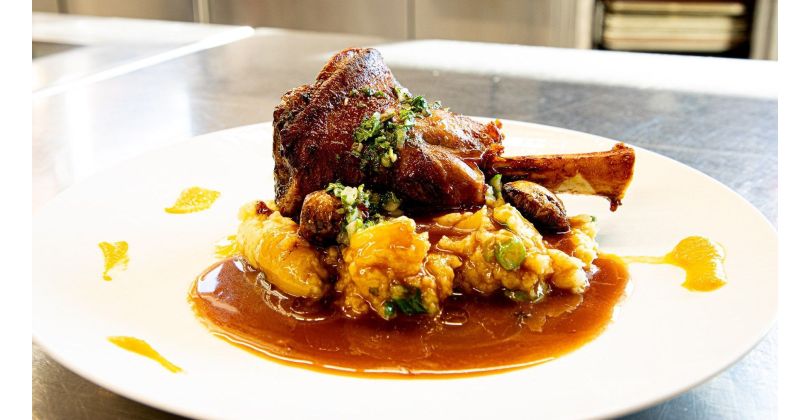
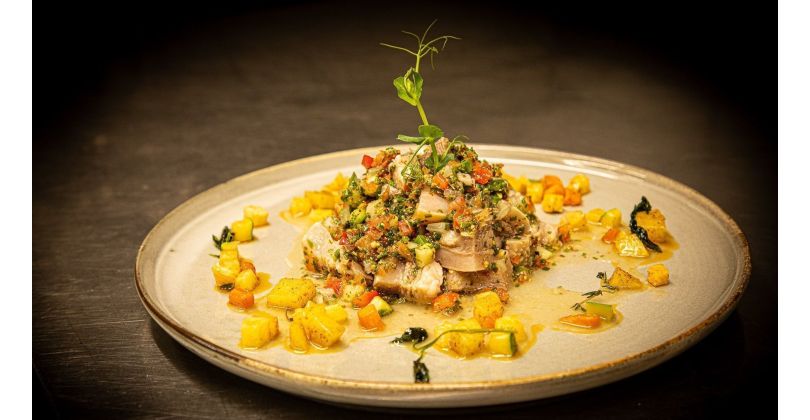
Oven-grilled Lamb Hammer on Mashed Potatoes with Green Asparagus, Jus, and Arugula-Mint Pesto
Loading...
84 view(s) 6 min read

Oven-grilled Lamb Hammer on Mashed Potatoes with Green Asparagus, Jus, and Arugula-Mint Pesto

Nice to know: Lamb is one of the oldest types of meat known to humankind. Sheep were domesticated in the Near East over 10,000 years ago. Because they provided milk, wool, and meat, they were perfect farm animals.

Culinary role in the past, Ancient times (Greeks, Romans): Lamb was both a sacrificial offering and a festive meal. At religious festivals, an animal was sacrificed and then eaten together. This was not just food, but a social event. It was seasoned with herbs, garlic, vinegar, and honey.

Middle ages in Europe: Lamb was particularly important in spring because young animals were available then. After Lent, lamb was often the first "real" meat to reappear on the table.

The shank (from the leg, i.e., the lower leg) was not considered a delicacy for a long time. It contains a lot of connective tissue, tendons, and bones. In the past, this meant work in the kitchen.

Historical background: Peasant and working-class cuisine: The whole animal was used. Prime cuts went to the wealthy, while pork knuckle remained with the common people.

Long cooking made it tender → the perfect base for stews, broths, and braised dishes.

Technology shapes flavor: It wasn't until the 18th and 19th centuries, with improved ovens and roasting techniques, that the crispy roasted pork knuckle became popular, especially in southern Germany and Austria.

Pub culture: With beer culture and urban taverns, pork knuckle became a hearty classic: high in calories, inexpensive, and filling. What was once a "leftover" became a cult dish.

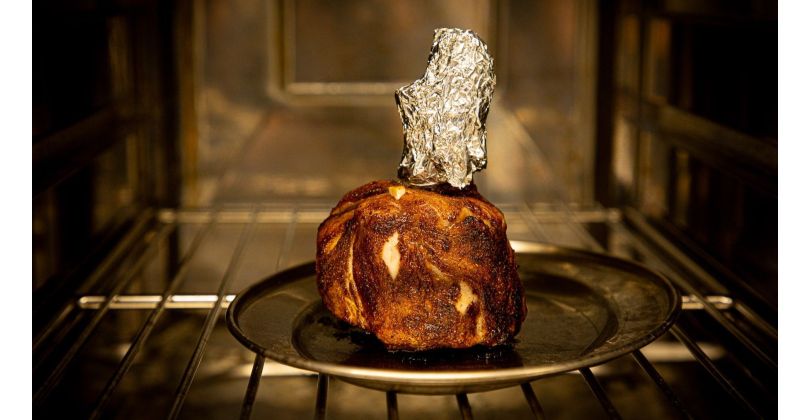
Oven-grilled pork hammer on potato-leek mash, caramelized balsamic onions, steamed pepper vegetables with spring onions, olives, sun-dried tomatoes, seeds and mint, served with a strong demi-glace
Loading...
619 view(s) 7 min read

Oven-grilled pork hammer on potato-leek mash, caramelized balsamic onions, steamed pepper vegetables with spring onions, olives, sun-dried tomatoes, seeds and mint, served with a strong demi-glace

Nice to Know:

Nice to know: The pork knuckle is rich in protein and contains a certain amount of fat, which gives it a juicy and tasty touch. However, it is recommended to enjoy it in moderation, as it can also be high in calories. The pork knuckle has made a name for itself beyond its borders and is popular in many other countries.

It is usually appreciated for its hearty crust and juicy meat, and many chefs experiment with different marinades and side dishes to make the dish even more varied. Overall, the pork knuckle is not only a gastronomic highlight, but also a piece of culinary tradition that has developed over centuries and continues to be appreciated.

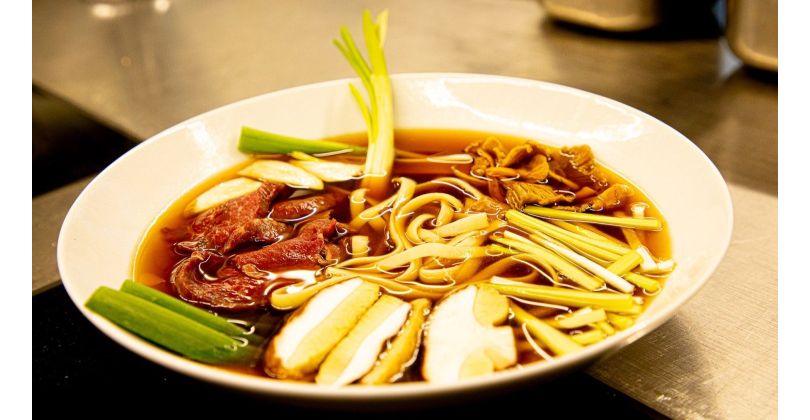
Beef Broth with Kobe Beef Shabu Shabu
Loading...
335 view(s) 5 min read

Beef Broth with Kobe Beef Shabu Shabu

Origin and term: The word bouillon comes from French and literally means "boil" or "that which boils." It originally referred to a clear broth made by boiling meat, bones, vegetables, and spices. Even in the Middle Ages, it was common practice in Europe to boil leftover meat and bones in water to produce nutrient-rich soups.

Development in France: In 17th and 18th-century France, bouillon became a staple in haute cuisine. Chefs developed systematic methods for making meat stocks and clear soups.

Bouillon as a popular dish: In the 19th century, so-called bouillons emerged in Paris – simple restaurants where workers received inexpensive meals, often a bowl of bouillon with bread or meat.

Industrial production: With industrialization, people began to preserve bouillon:

• 1840s: First attempts to produce concentrated meat extracts.
• 1850s: German chemist Justus von Liebig developed "meat extract," which was later marketed in cube form (bouillon cubes).
• 20th century: Brands like Maggi and Knorr made bouillon cubes and powder popular worldwide. This made bouillon a quick base for soups and sauces in almost every household.

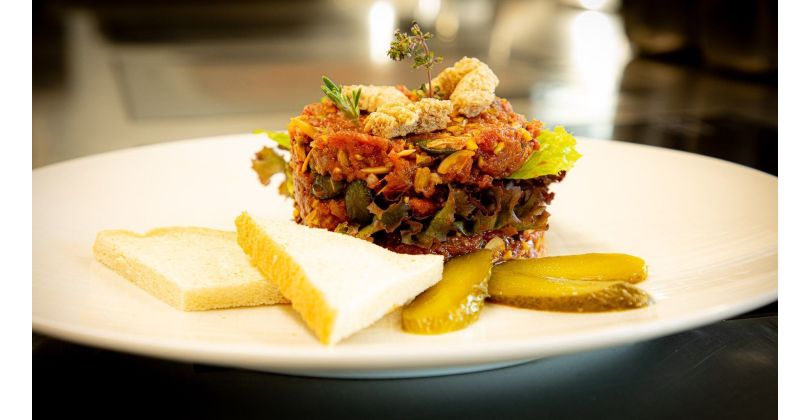
Swiss Buffalo Tartare - Simple and Delicious
Loading...
468 view(s) 4 min read

Swiss Buffalo Tartare - Simple and Delicious

The dish "Tartar" or "Tatar Steak" (often simply called "Tartar") is a raw minced meat dish, traditionally made with beef. The origins of this dish date back to various influences that blended in European cuisine. The name "Tartar" is often associated with the Tatars, a Turkic-speaking horse-riding people from the Eurasian steppe. Legend has it that the Tatars prepared raw meat under their saddles by pounding it flat, thus tenderizing it.

However, this story is not historically verified and is considered more of a myth. It is more likely that the dish became popular in Central Europe in the 19th century, particularly in Germany, Austria, and France. There, "Steak Tartare" developed as a fine dish made of raw, very finely minced or diced beef, often served with onions, capers, spices, and a raw egg yolk. Tatar is therefore a product of European cuisine, which, although inspired by the supposed historical image of the Tatars, is primarily based on culinary traditions of the 19th century.

Pot au Feu with Golden Coin Beef and Market Vegetables
Loading...
244 view(s) 4 min read

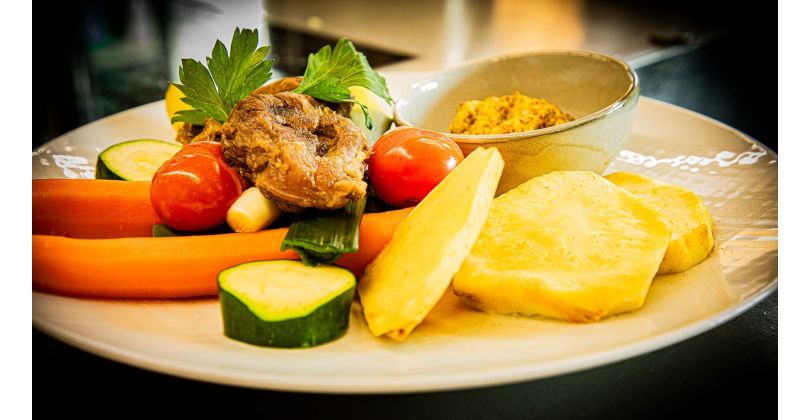
Pot au Feu with Golden Coin Beef and Market Vegetables

Pot au feu is a classic French dish often considered the "good old food" of French cuisine. The term "pot au feu" literally means "pot over the fire" and describes the preparation of a stew consisting of various meats, vegetables, and spices. The history of pot au feu dates back to at least the 17th century and is closely linked to the rural cuisine of France.

Originally, pot au feu was prepared from simple ingredients that were often readily available in rural areas. It was usually beef, pork, or poultry, cooked in a large pot with root vegetables such as carrots, celery, and leeks. At that time, its preparation was primarily practical: the ingredients could be cooked in a single pot, which saved time and resources.

Over the centuries, pot au feu evolved in different regions of France. Culinary preferences and regionally specific ingredients led to different variations of this dish. It became a symbol of family meals and social gatherings. In the 19th century, it also gained popularity in haute cuisine and was served in fine restaurants, leading to further refinement of its preparation.

Traditionally, pot au feu was served in three courses.

1st course: The broth
2nd course: The meat and vegetable platter
3rd course: Both together

Roasted Beef Flat Iron Steak with Glazed Beetroot and Celery, Served with Red Wine Reduction
Loading...
377 view(s) 6 min read

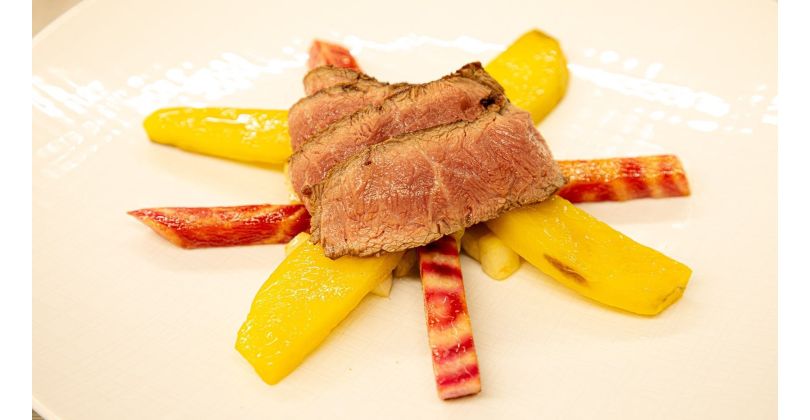
Roasted Beef Flat Iron Steak with Glazed Beetroot and Celery, Served with Red Wine Reduction

The flat iron steak has an interesting history, closely linked to the development of beef butchering and the meat industry. The flat iron steak comes from the shoulder area of ​​the cow, more specifically from the so-called "top blade" or "shoulder cut." This part of the beef was previously considered less valuable because it contained many tendons and connective tissue that made the meat tough.

In the early 2000s, however, meat scientists and butchers discovered that by cutting it in a special way and removing the tough tendon, a particularly tender and flavorful steak could be obtained from the shoulder area. This new steak was called the "flat iron steak" because of its flat, triangular shape, reminiscent of a flat iron.

The discovery of the flat iron steak was a breakthrough because it represents a low-cost alternative to more expensive steaks like ribeye or fillet, yet is still very tender and flavorful. Since then, the flat iron steak has gained popularity, especially in the US and increasingly in Europe, and can now be found in many restaurants and meat counters.
In summary, the flat iron steak is an example of how innovation in meat cutting can open up new, high-quality cuts of meat that previously received little attention.


Braised and Pulled Oxtail Burger with Apple BBQ Sauce, Fried Onions, Crispy Bacon, and Grilled Apple Slices
Loading...
389 view(s) 6 min read

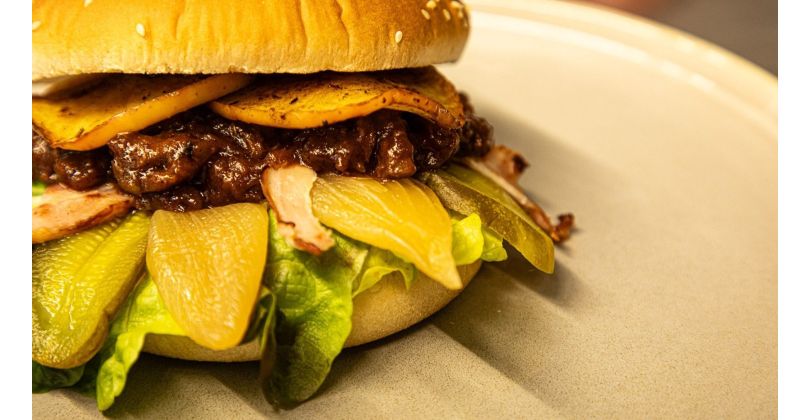
Braised and Pulled Oxtail Burger with Apple BBQ Sauce, Fried Onions, Crispy Bacon, and Grilled Apple Slices

Pulled beef or pulled ox-tail is a delicious dish that consists of slow-cooked, tender beef. When prepared, the meat, often from the shoulder or breast, is usually cooked at a low temperature for several hours until it is so tender that it can be pulled apart with a fork - hence the name "pulled".
 
Preparation
 
The classic method of preparing pulled beef is braising in the oven or in a slow cooker, but it is also commonly prepared on the grill or in a smoker. The meat is often marinated beforehand or rubbed with a spice mixture that can consist of ingredients such as paprika, cumin, garlic powder and black pepper. These spices give the pulled beef an intense flavour.
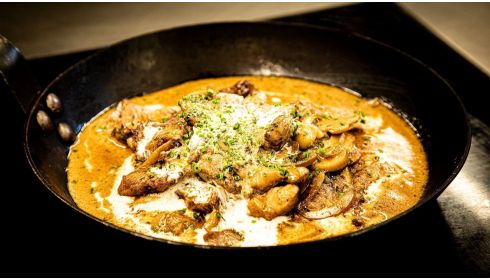
Braised cream goulash with vegetables, hot peppers, caramelised lemons and egg spaetzli
Loading...
524 view(s) 7 min read

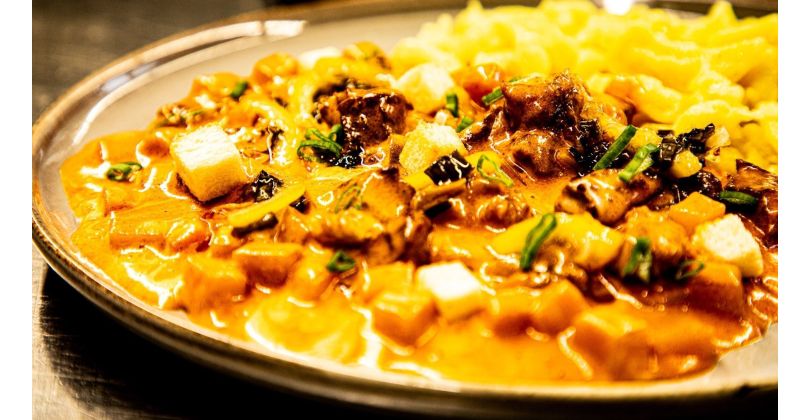
Braised cream goulash with vegetables, hot peppers, caramelised lemons and egg spaetzli

Creamed goulash is a classic dish popular in many Eastern European cuisines, particularly in Hungarian, German, and Austrian traditions. It is a variation of traditional goulash, which originated in Hungary and was originally prepared as a stew with meat, peppers, and, depending on the region, various vegetables.

Origin of goulash: Goulash has its roots in 9th-century Hungarian cuisine, where it was invented by shepherds. The original version was a simple dish of meat and peppers cooked in a cauldron over a fire. The addition of various spices, including pepper and caraway, was typical of Hungarian cuisine.

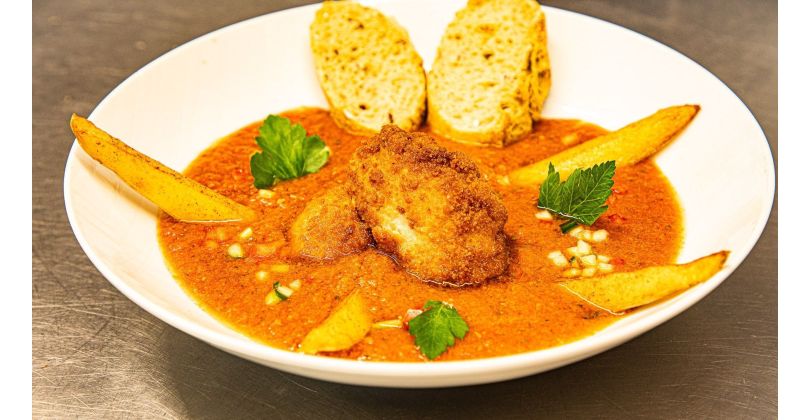
Crispy fried bull testicles with fried potato wedges on fresh gazpacho
Loading...
722 view(s) 6 min read

Crispy fried bull testicles with fried potato wedges on fresh gazpacho

Nice to know:
 

“Bull testicles” or “bull testicles” are a delicacy appreciated in various cuisines around the world. In European cuisine, especially in Mediterranean gastronomy, they are a traditional dish in some regions. They can be prepared in a variety of ways, often fried, grilled or incorporated into egg dishes. The origins of the dish are varied and often linked to the culture and eating habits of each region. In countries such as Spain, they are sometimes served in tapas form, while in France they are included in dishes such as “les ris de veau” (veal testicles). In Italian cuisine, there are also specific recipes that include bull testicles.

The preparation and use of bull testicles in cooking has not only culinary but also cultural significance. In many cultures, eating offal, including testicles, is considered a sign of courage or masculinity. In some countries, they are also served as part of celebrations or special occasions. As with many delicacies, the acceptance of bull testicles as food depends heavily on cultural norms and personal preferences.

A freshly made Demi-glace / glazy sauce is the foundation of a good sauce
Loading...
1698 view(s) 9 min read

A freshly made Demi-glace / glazy sauce is the foundation of a good sauce

Nice to know:

Gravy has a long and varied history that is closely linked to the development of cooking and food culture in Europe. Its origins can be traced back to ancient times, when simple sauces made from stocks, fats and herbs were used to intensify the flavour of meat dishes.

In the Middle Ages, sauces often became more complex and included various ingredients such as wine, spices and vinegar. These sauces were not only used to enhance flavour, but also to preserve food. This period also saw the first recipes for sauces written down in cookbooks. 

Over the centuries, especially during the Renaissance, European cooking flourished, introducing new techniques and ingredients that expanded the variety of sauces. French cuisine, which is particularly famous for its sauces, developed a variety of gravies in the 17th and 18th centuries that served as the basis for many dishes.

One of the most popular is demi-glace, a rich sauce made from beef stock and a reduced brown sauce.

Copyright © 2026 meat4you. All rights reserved.