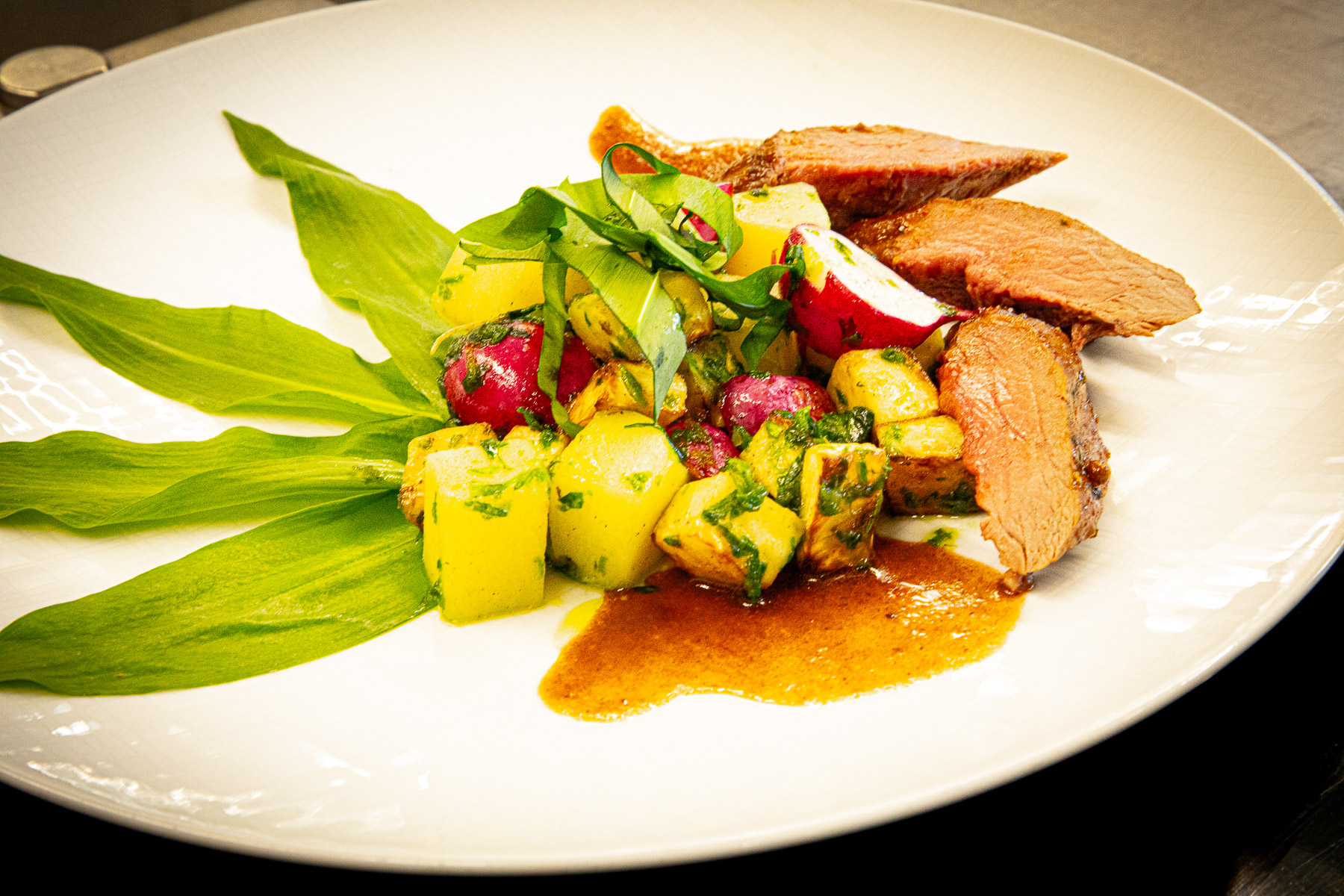
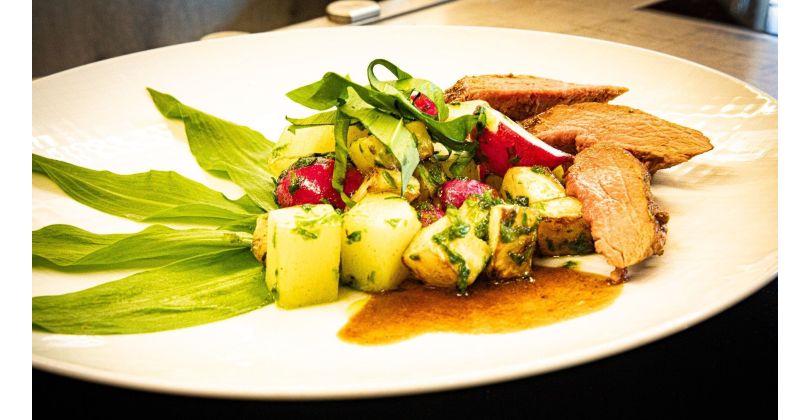
Ingredients for 4 people
For the chamois saddle:
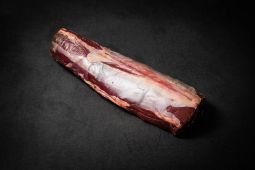
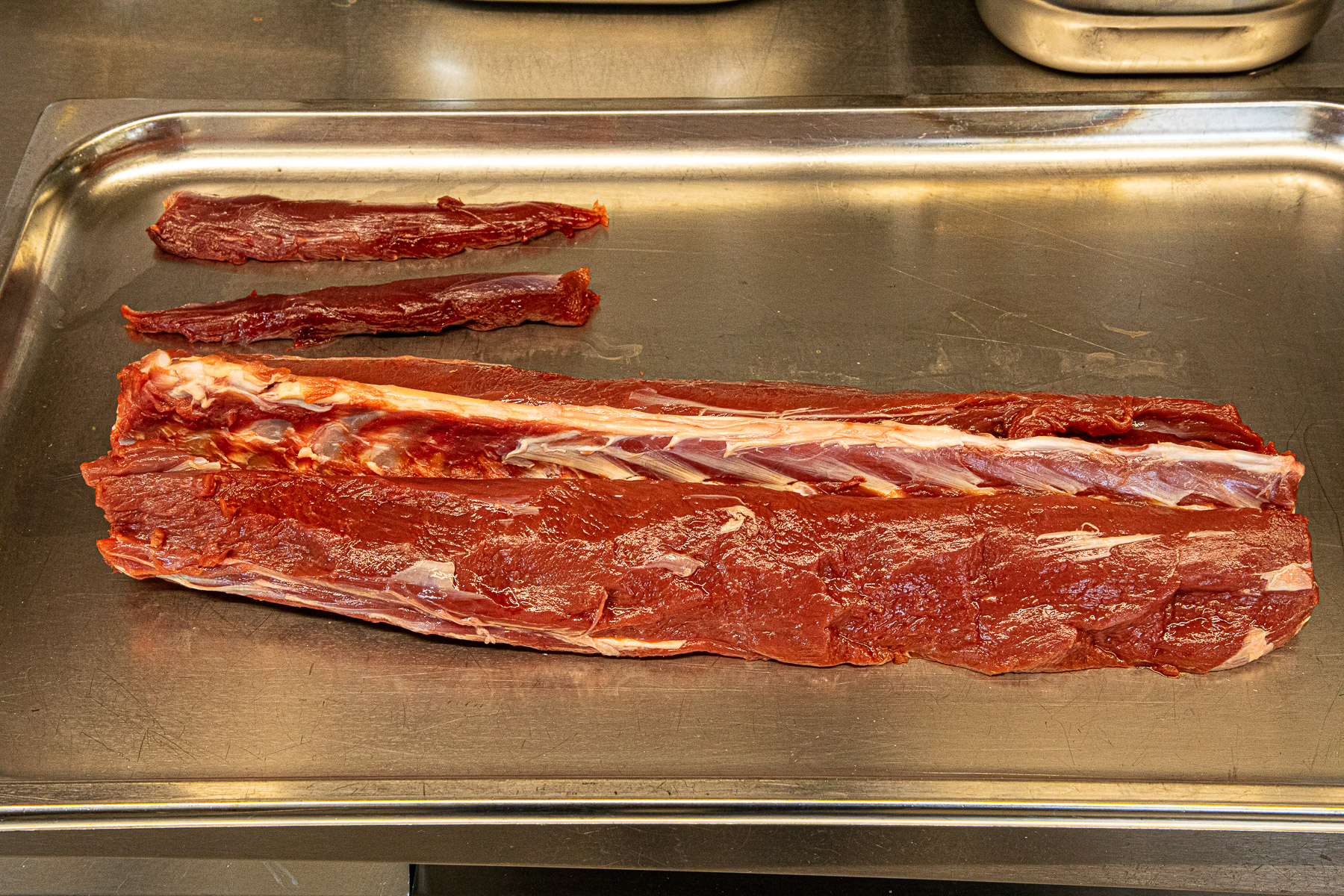
800 g chamois saddle (trimmed)
Salt, pepper
2 tbsp butter or oil
1 sprig rosemary
2 cloves garlic, crushed
For the vegetables:
200 g radishes, halved
200 g celery, diced
600 g potatoes, cut into chunks
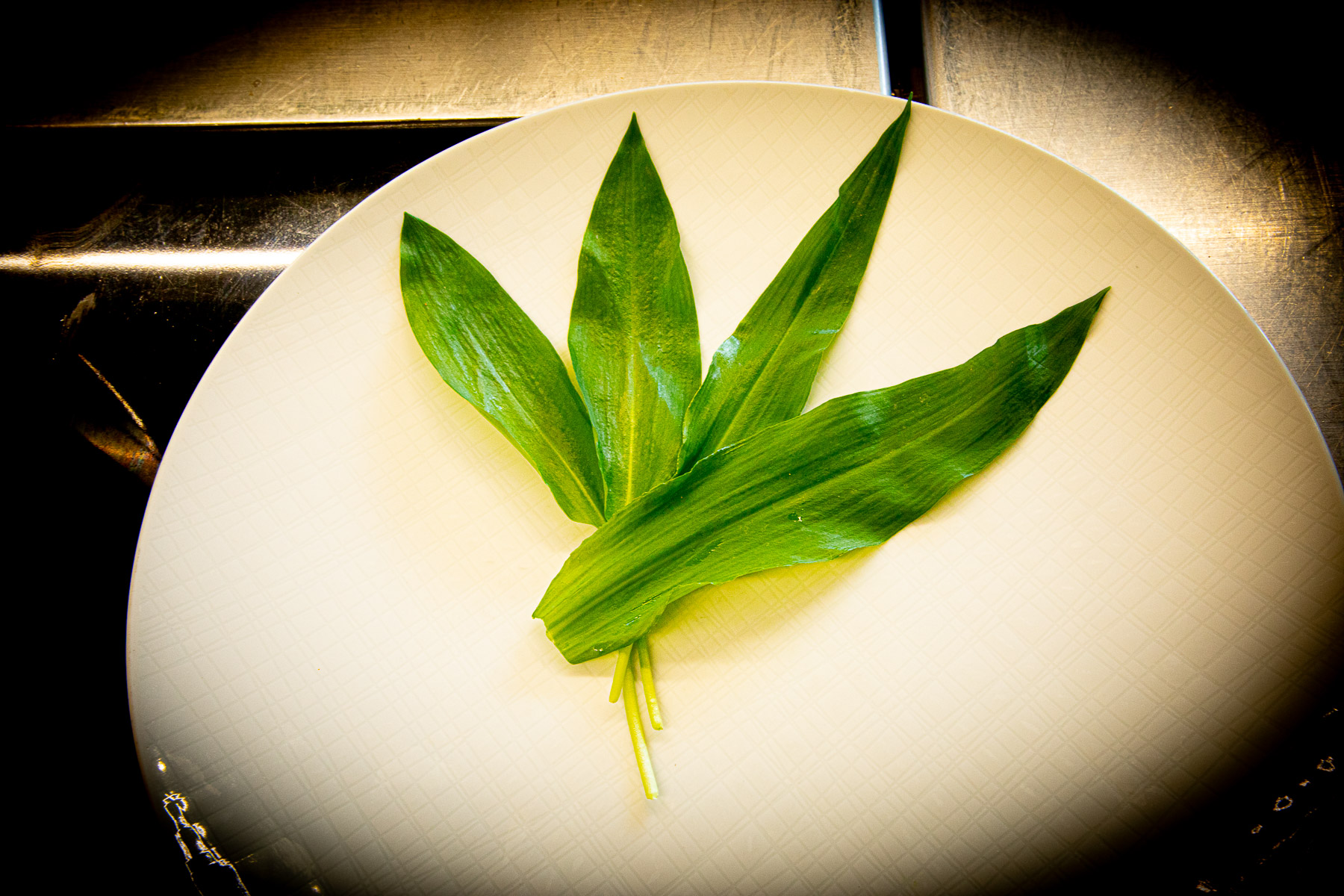
1 bunch wild garlic, roughly chopped
30 g butter
Salt, pepper
For the red wine jus:
300 ml robust red wine
200 ml game stock or beef stock
1 small onion, finely chopped
1 clove garlic, finely chopped
1 tbsp tomato paste
1 sprig thyme
1 tbsp cold butter
Salt, pepper
Preparation
Cook the potatoes: Boil potatoes in salted water for about 15-20 minutes, until tender. Drain and keep warm.
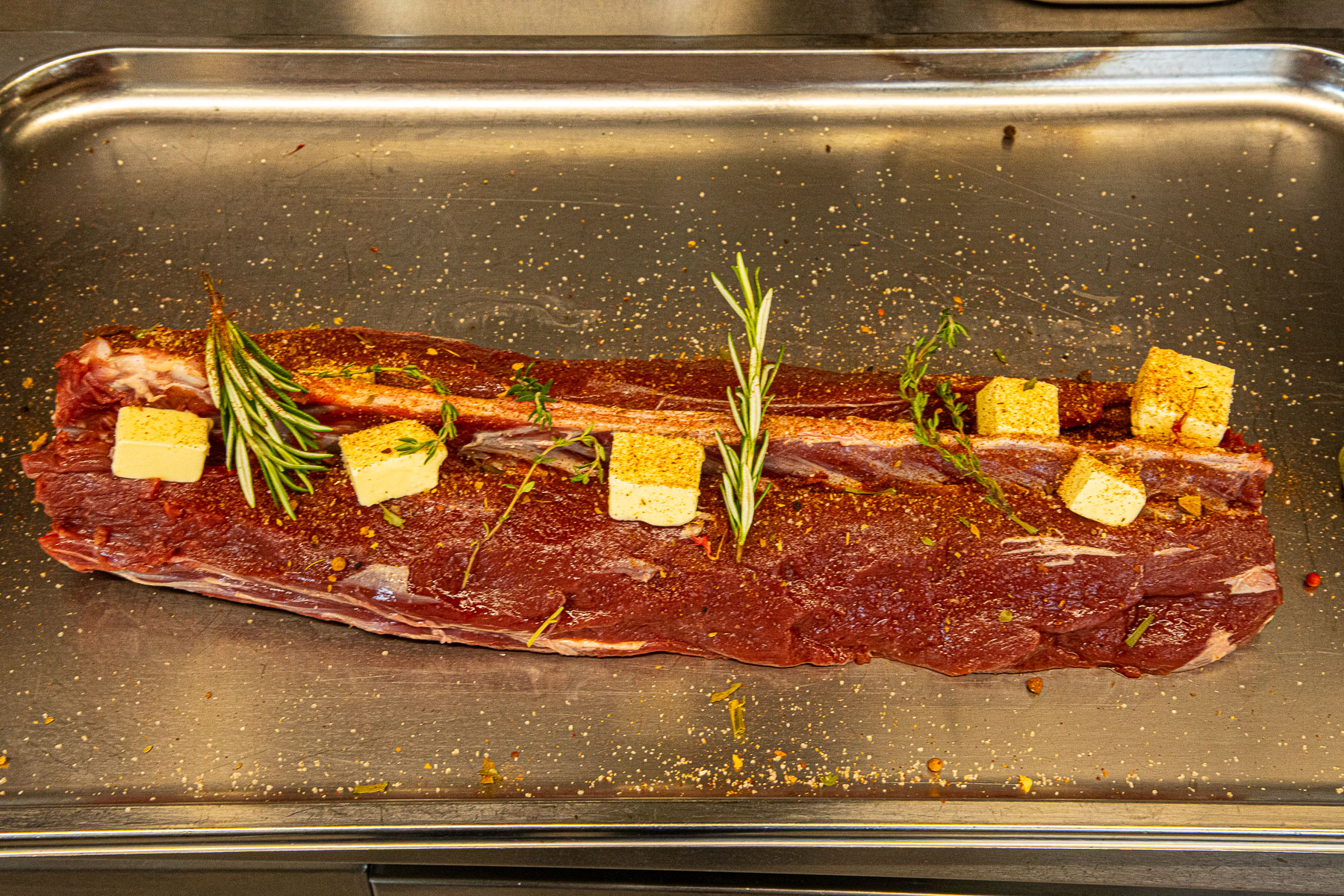
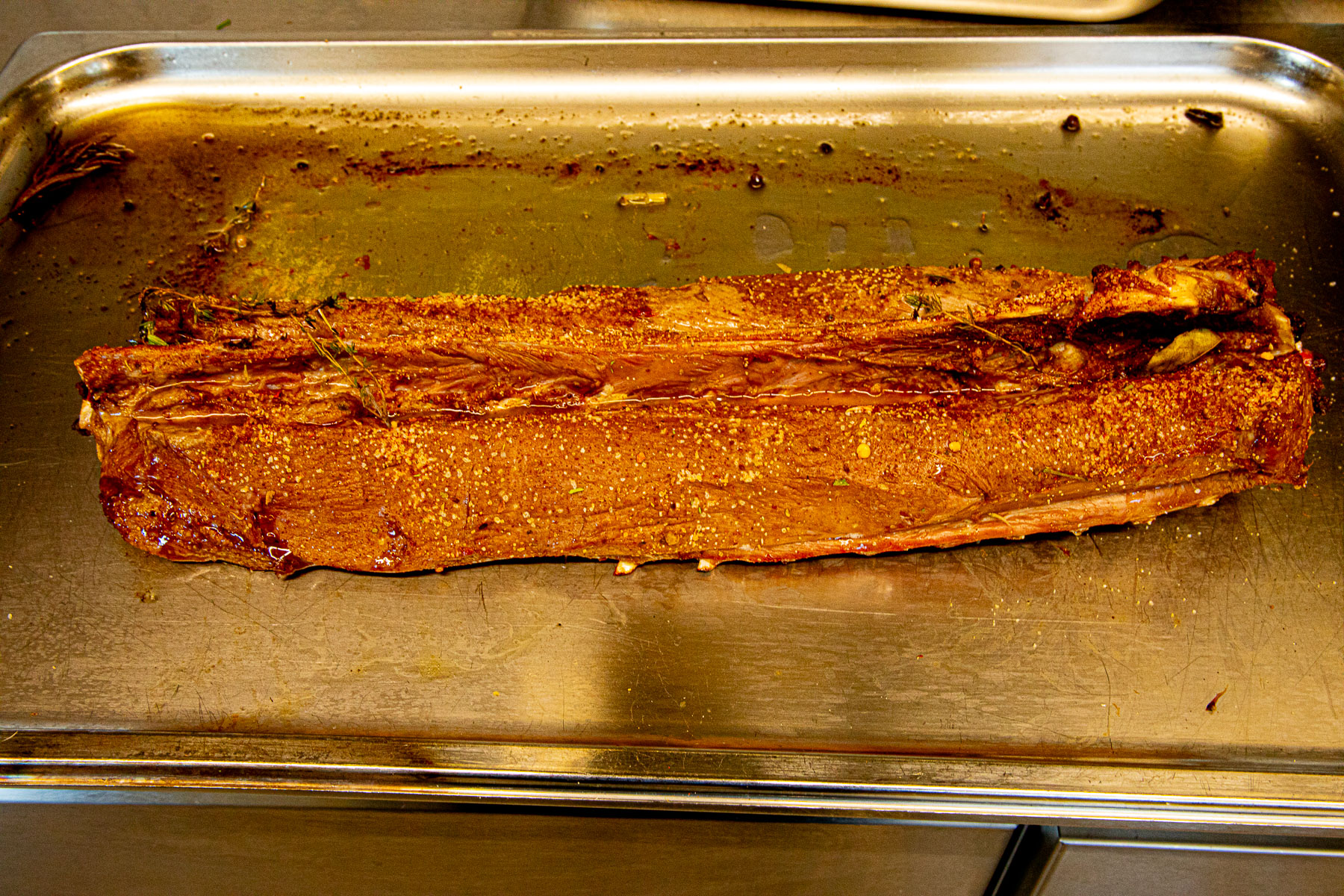
Roast the chamois saddle: Season the meat with salt and pepper.
Heat butter in a pan, add rosemary and garlic. Sear on all sides. Then cook in the oven at 150°C (300°F) for about 25-30 minutes.
Reduce the heat to 70°C (160°F) and continue cooking for another 30-40 minutes.
Remove from the oven and let it rest for 5 minutes.
If you have a thermometer: approximately 56-58°C (133-136°F) internal temperature = perfectly pink.
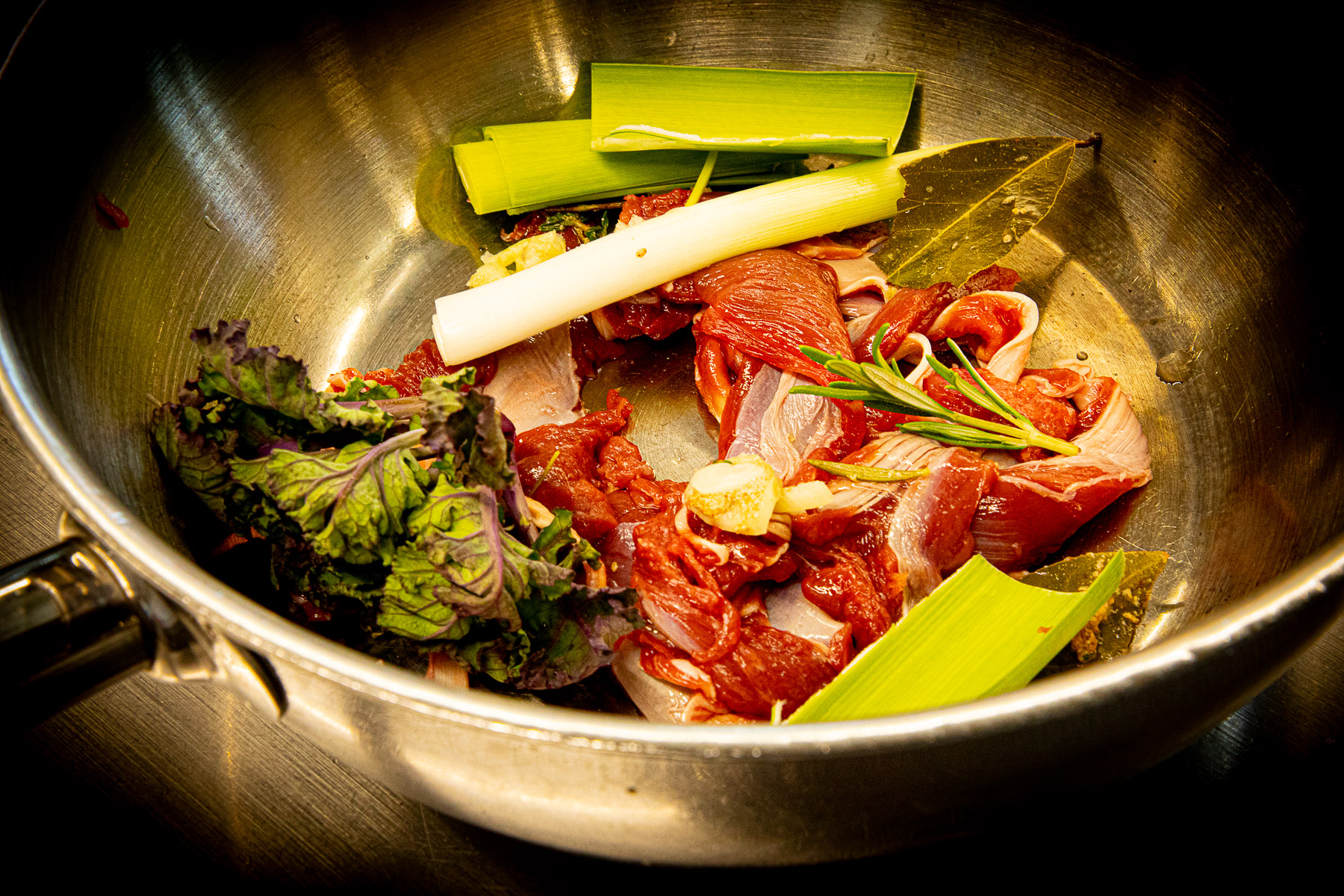
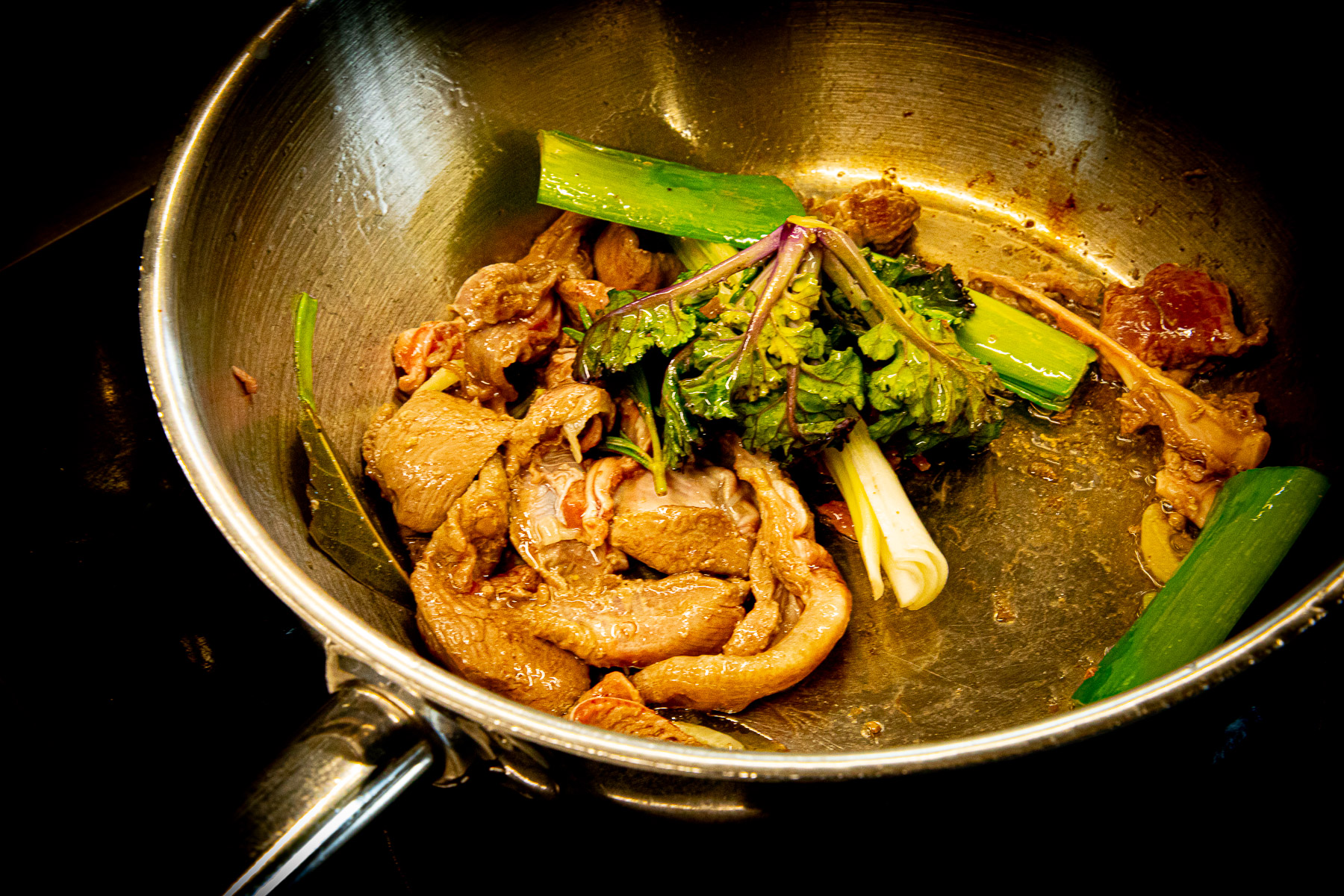
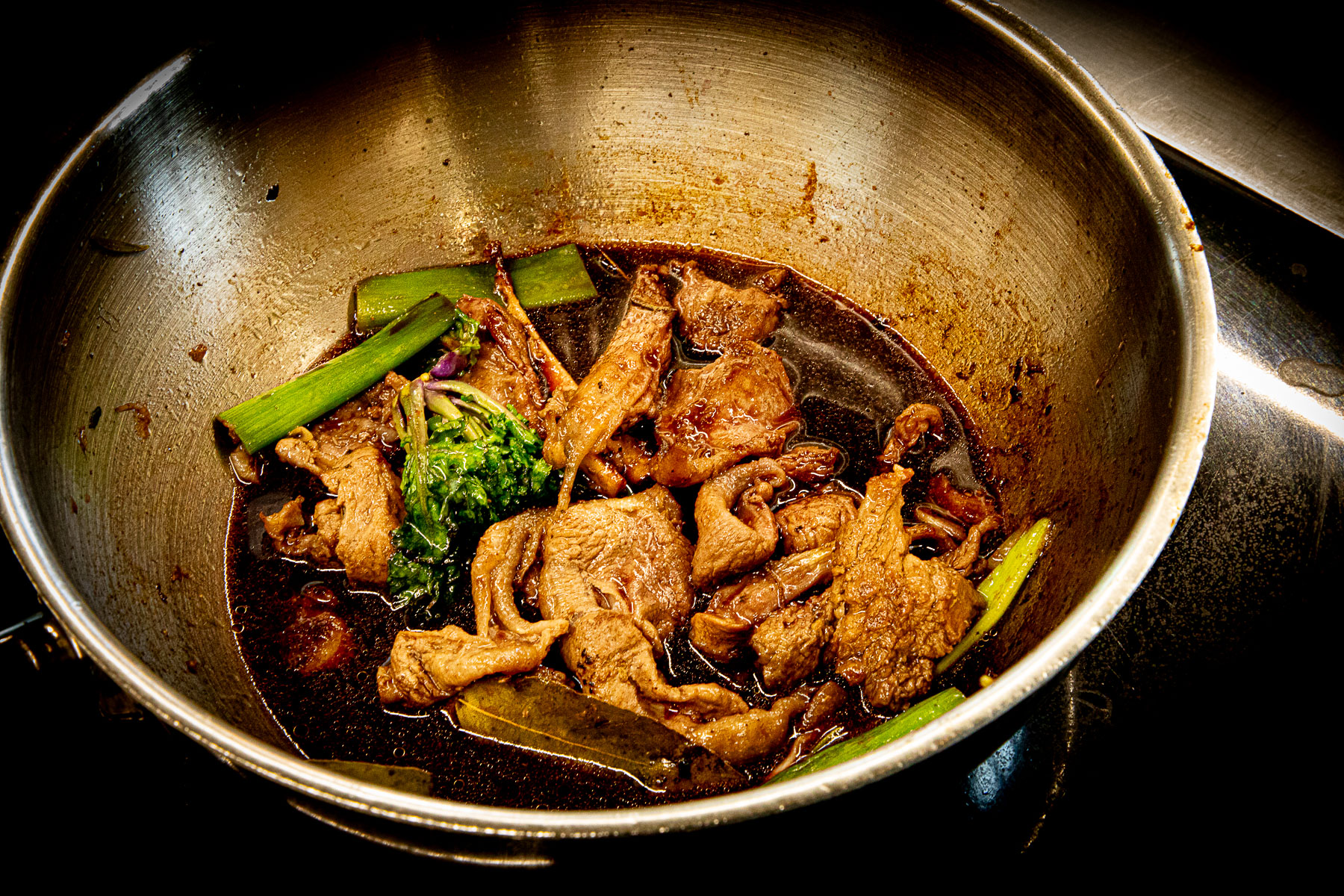
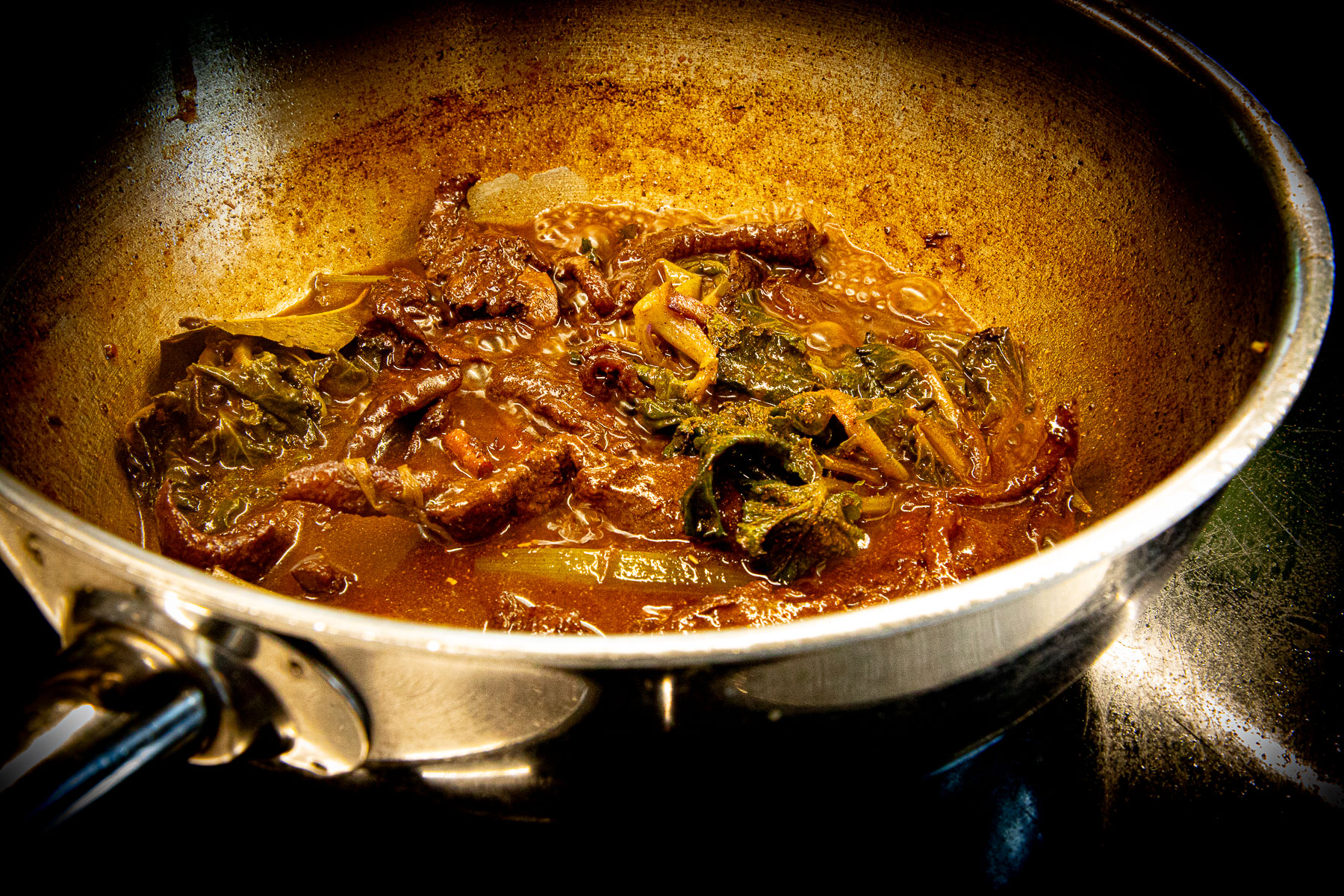
Prepare the red wine jus: Use the same pan you used to sear the saddle, add onion and garlic, and sauté until translucent. Add tomato paste and toast briefly. Deglaze with red wine and add thyme.
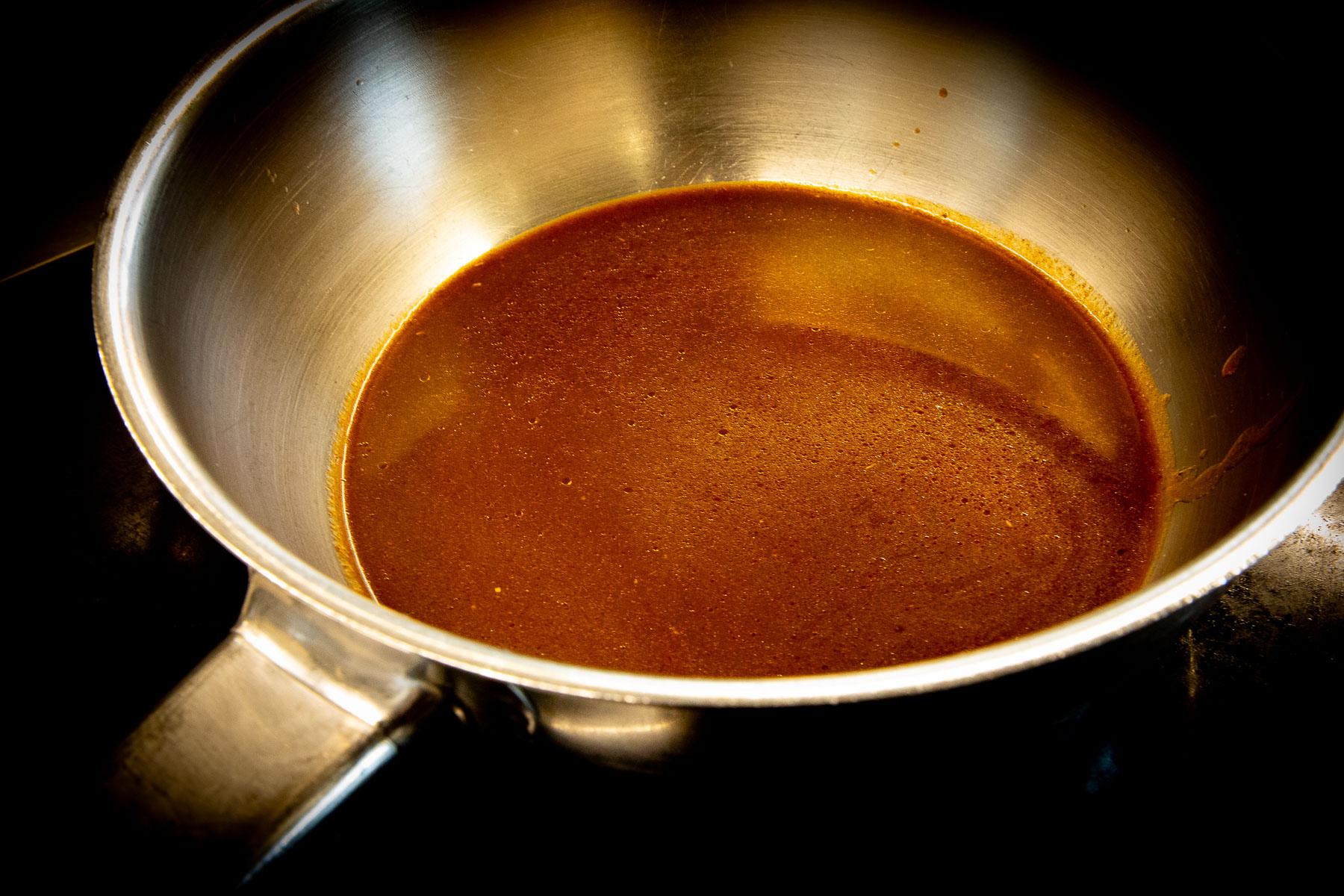
Reduce by about two-thirds. Add stock and continue to reduce until the sauce thickens. Remove the thyme and season with salt and pepper.
Just before serving, whisk in cold butter.
A little pro tip: If you have time, let it reduce significantly-this intensifies the flavor and gives the sauce a richer, darker color.
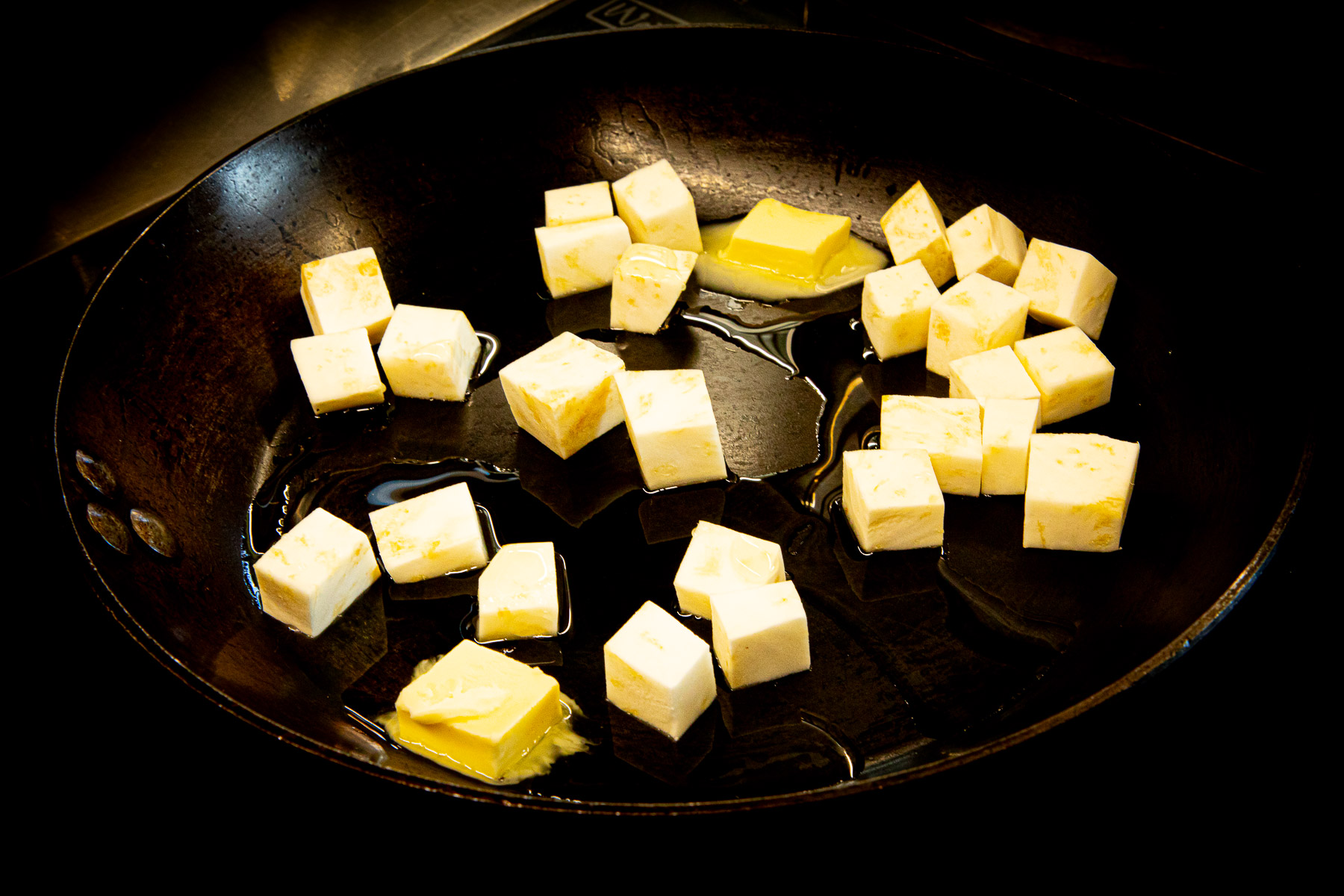
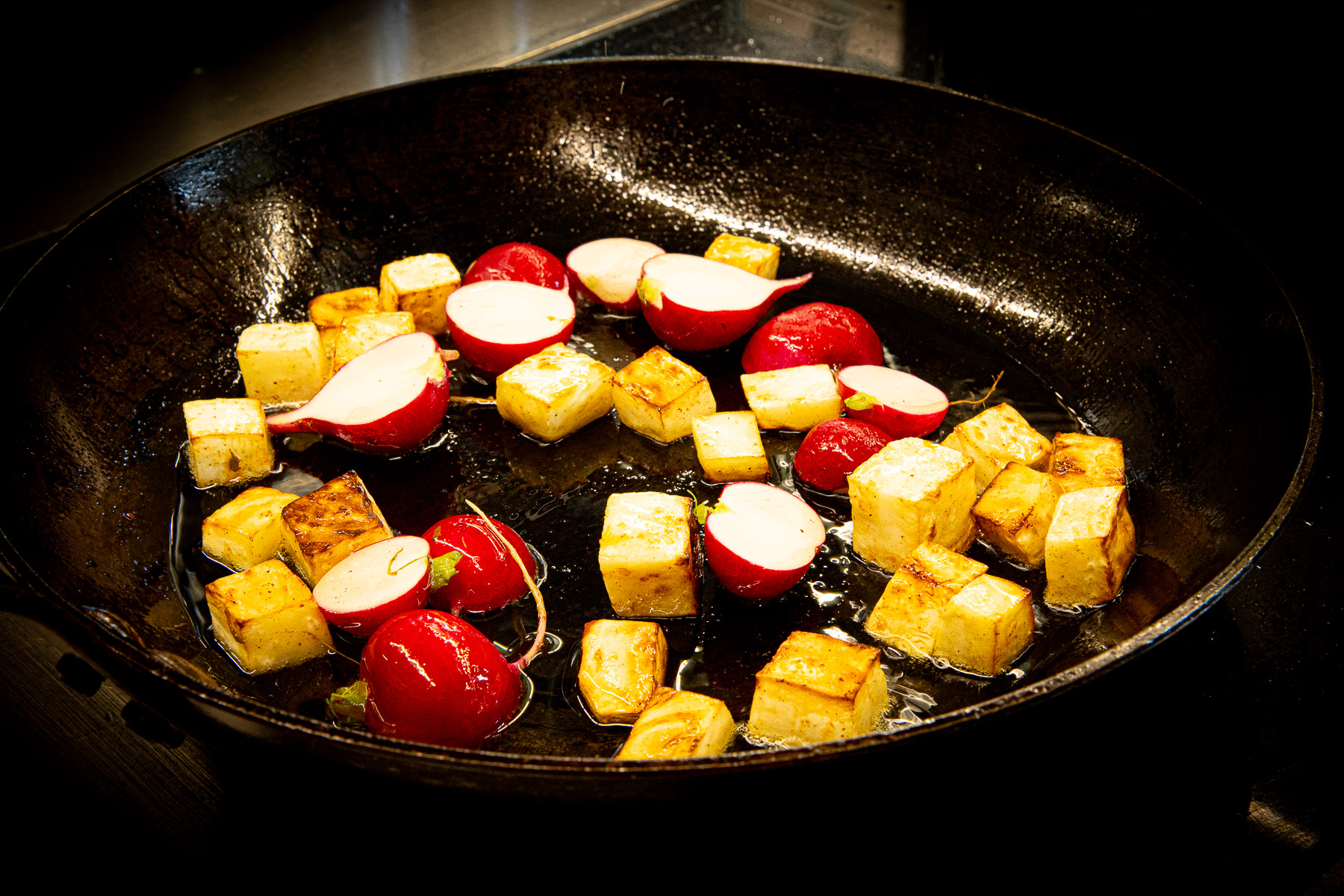
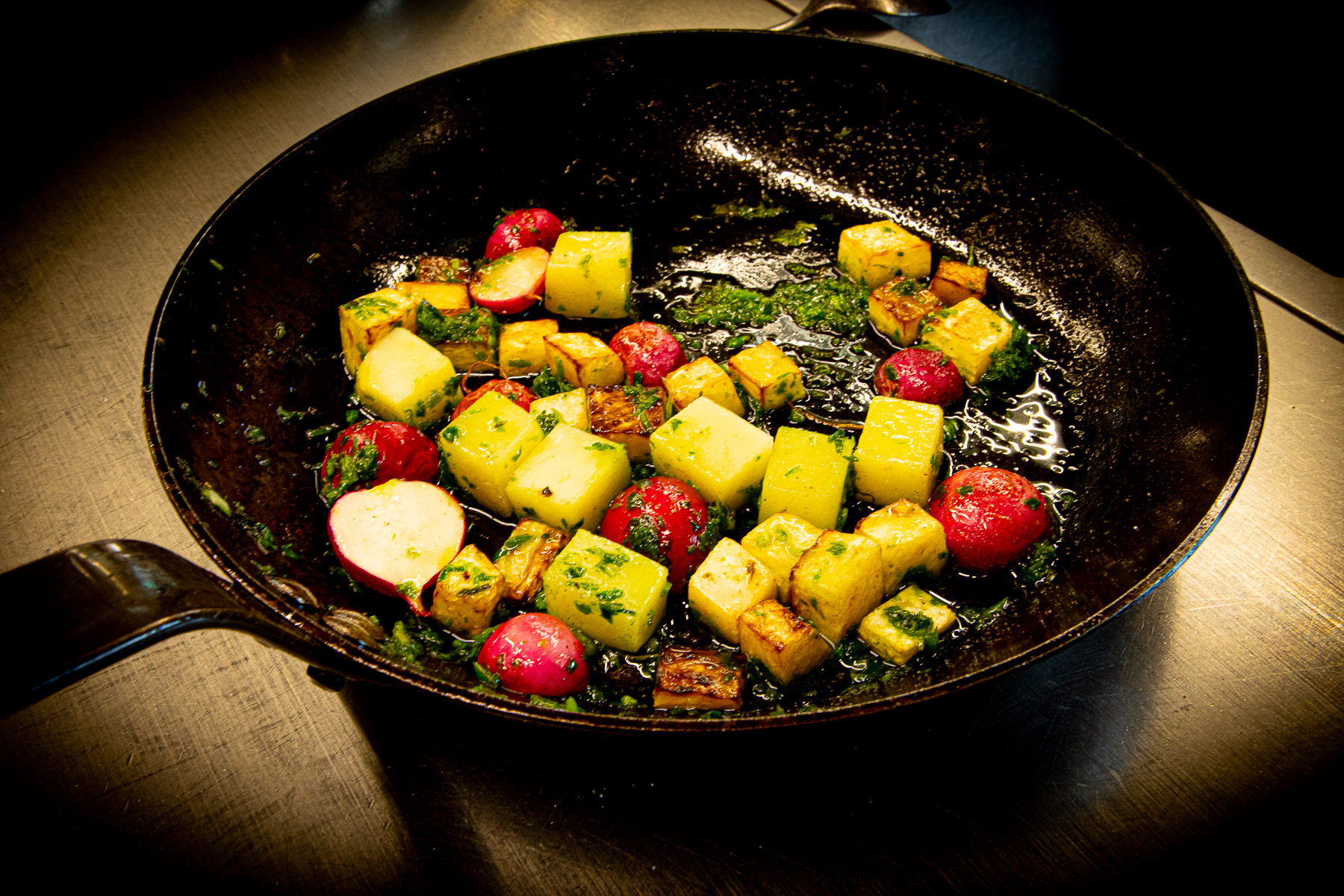
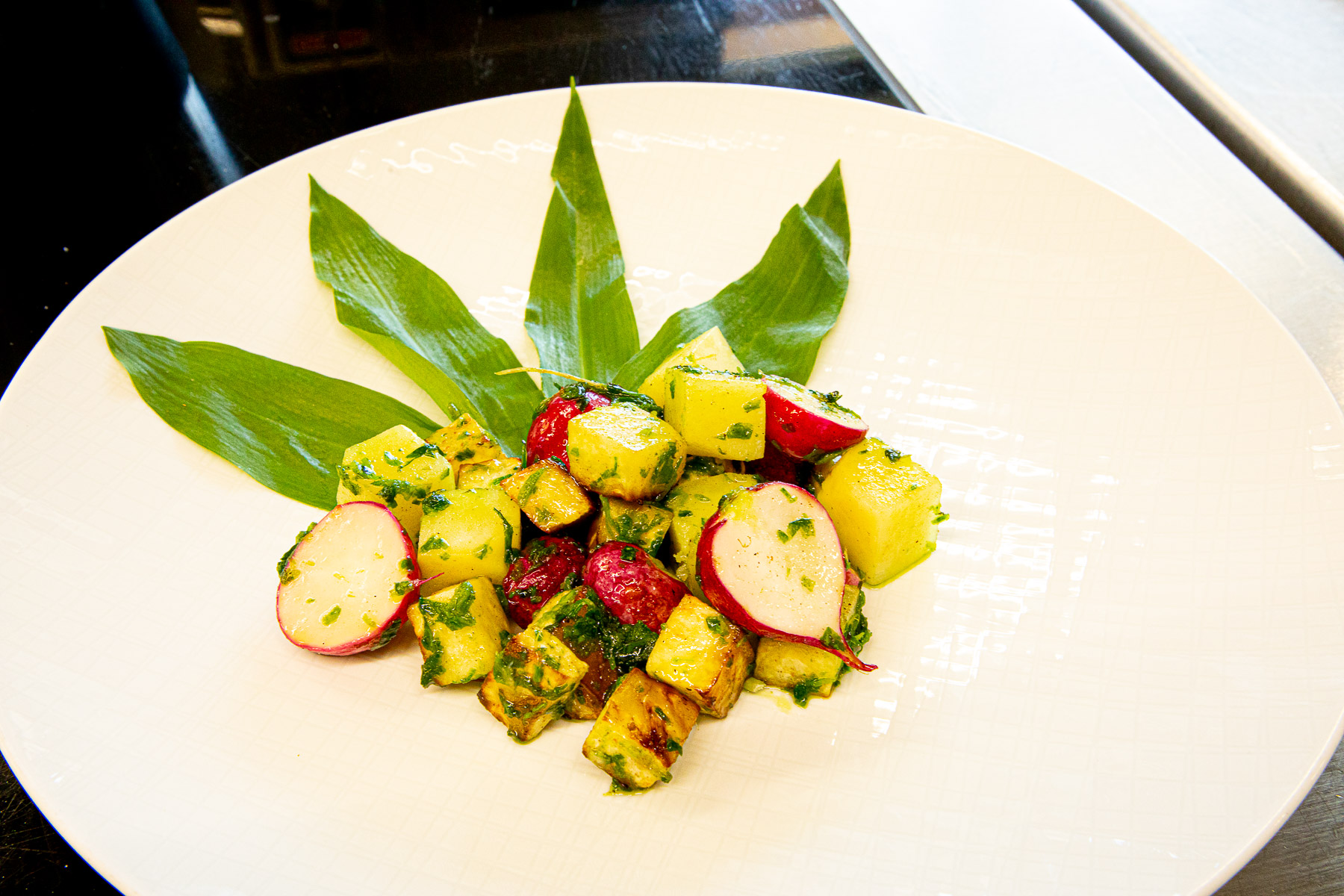
Sauté the vegetables: Heat the butter. Sauté the celery for about 5 minutes. Add the radishes and sauté for another 5 minutes.
Stir in the wild garlic and let it wilt briefly. Season with salt and pepper.
Nice to know:
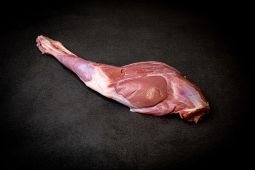
The chamois is a wild ungulate found primarily in the Alps and other European mountain ranges. It is extremely sure-footed and moves effortlessly across steep, rocky terrain-practically the parkour pro of the mountains.
A few fascinating facts:
• They mostly live at altitudes between 800 and 3000 meters.
• In summer, they graze on herbs, grasses, and young shoots-this directly affects the flavor of the meat.
• In winter, they switch to a more sparse diet such as bark and pine needles.
• Chamois are very shy and are therefore primarily hunted, not farmed.
It is precisely this natural way of life that makes their meat so special: It is a genuine natural product, not mass-produced meat.
Culinary uses of chamois: Chamois meat belongs to the category of game meat and is highly prized in fine dining.
Taste & Characteristics
• Robust yet delicate flavor (less "strong" than older game)
• Very lean and high in protein
• Slightly herbaceous and nutty notes due to the alpine diet
• Particularly tender in young animals
Classic Preparations - Chamois is traditionally prepared in a rustic style, but also with modern interpretations:
• Chamois saddle: briefly seared, pink inside
• Chamois ragout: slowly braised, incredibly aromatic
• Pepper (wild pepper): intensely seasoned, with marinades and a long cooking time
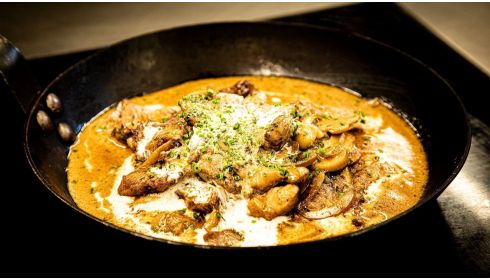
• Sliced meat: quickly seared, often with cream or mushrooms
Typical Accompaniments - Chamois is almost always combined with intense, earthy flavors:
• Red wine jus or game sauce
• Juniper, rosemary, thyme
• Cranberries or other acidic components
• Side dishes such as Spätzle, potatoes, celery, or red cabbage
• Wild garlic in spring - really strong, a perfect match
Beverage Pairings - Robust wines pair well with chamois:
• Red wine such as Pinot Noir, Syrah, or a good Swiss Pinot Noir
• Alternatively, a dark beer for a more rustic option