

Roast Chamois Saddle with Spring Vegetables & Red Wine Jus
Nice to know:
The chamois is a wild ungulate found primarily in the Alps and other European mountain ranges. It is extremely sure-footed and moves effortlessly across steep, rocky terrain-practically the parkour pro of the mountains.
A few fascinating facts:
• They mostly live at altitudes between 800 and 3000 meters.
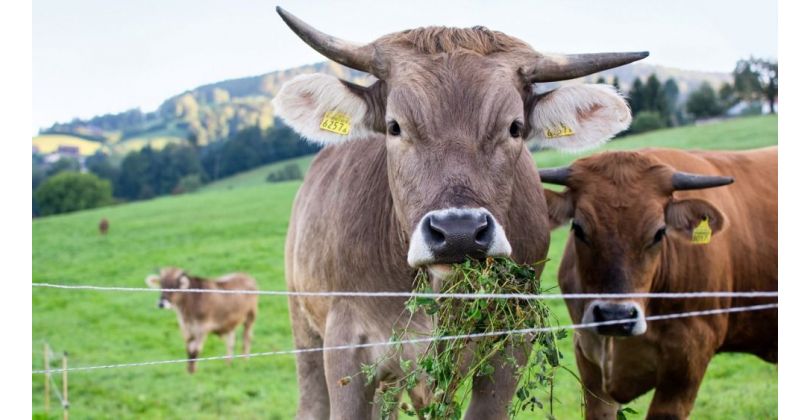
• In summer, they graze on herbs, grasses, and young shoots-this directly affects the flavor of the meat.
• In winter, they switch to a more sparse diet such as bark and pine needles.
• Chamois are very shy and are therefore primarily hunted, not farmed.
It is precisely this natural way of life that makes their meat so special: It is a genuine natural product, not mass-produced meat.
Culinary uses of chamois: Chamois meat belongs to the category of game meat and is highly prized in fine dining.
Taste & Characteristics
• Robust yet delicate flavor (less "strong" than older game)
• Very lean and high in protein
• Slightly herbaceous and nutty notes due to the alpine diet
• Particularly tender in young animals
Classic Preparations - Chamois is traditionally prepared in a rustic style, but also with modern interpretations:
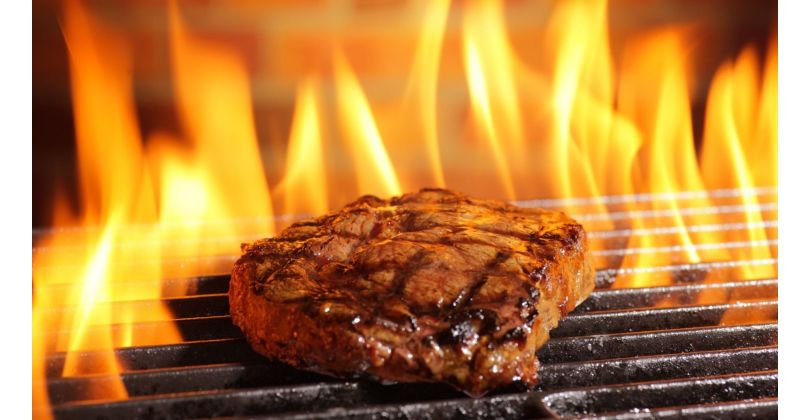
• Chamois saddle: briefly seared, pink inside
• Chamois ragout: slowly braised, incredibly aromatic
• Pepper (wild pepper): intensely seasoned, with marinades and a long cooking time
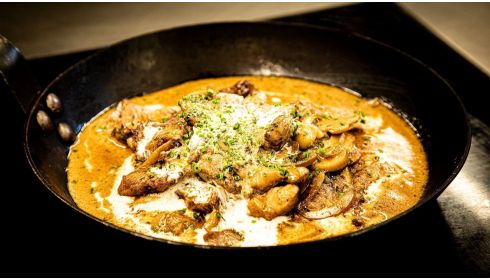
• Sliced meat: quickly seared, often with cream or mushrooms
Typical Accompaniments - Chamois is almost always combined with intense, earthy flavors:
• Red wine jus or game sauce
• Juniper, rosemary, thyme
• Cranberries or other acidic components
• Side dishes such as Spätzle, potatoes, celery, or red cabbage
• Wild garlic in spring - really strong, a perfect match
Beverage Pairings - Robust wines pair well with chamois:
• Red wine such as Pinot Noir, Syrah, or a good Swiss Pinot Noir
• Alternatively, a dark beer for a more rustic option