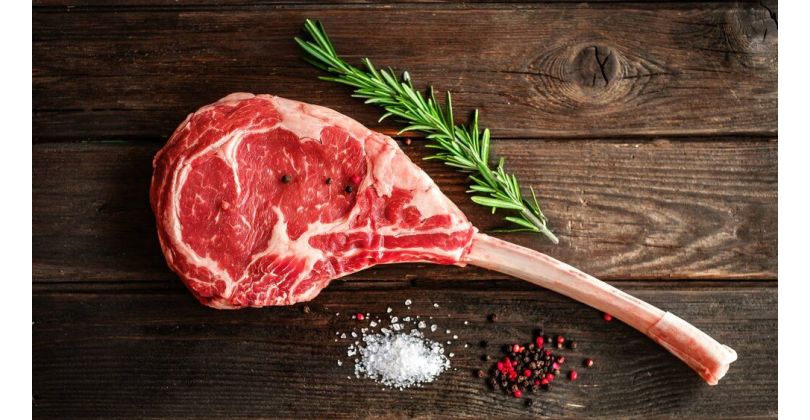
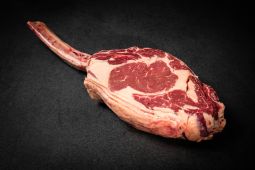
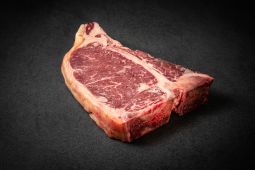
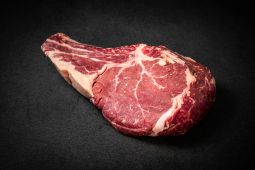
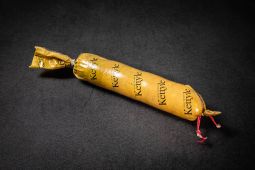
Dry aged meat is an old tradition for storing beef until vacuum packaging was introduced to the meat industry in the 1970's.
Dry aging involves aging raw meat in a controlled environment for 28-50 days. During this process, the outer surface of the meat hardens and encases the inner meat in the shell. As the muscle's natural moisture evaporates, the beef develops a subtle, rich flavor and tender texture within the crust. When the beef has reached the desired age, the inedible outer crust is carefully removed, and then the meat is cut into individual pieces and processed into the best steaks you've ever eaten.
To dry beef properly, we need a separate microclimate that provides precise temperature control, relative humidity and airflow, and special UV lighting to fight bacteria.
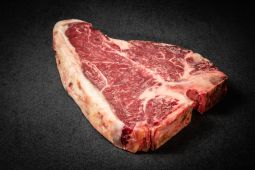
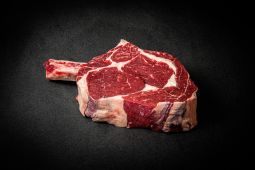
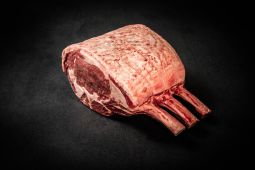
Dry-aged meat is more expensive than normal meat because the loss of juice during aging can enhance the meat's flavor and texture far more than regular steak. Dry aging works best with marbled cuts of meat. The most typical dry-aged cuts are Porterhouses or T-bones and Ribeyes.
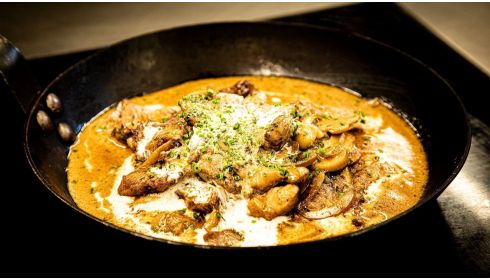
Zurich-style veal strips with veal kidneys and röstiIngredients for 4 people For the veal strips:500 g veal (veal kidneys)200 g veal kidneys2 onions200g mushrooms2-3 cloves of garlic200 ml cream100 ml white wine2 tbsp butter2 tbsp olive oil100ml veal stockSalt and pepper For the...
Visiting Thailand - Tom Ka Gai or Tom Khing Kai Tom Kha Gai / Tom Khing Kai with chicken feet Tom Kha Gai or Tom Khing Kai is a Thai coconut soup that is usually made with chicken.In this recipe we use chicken feet, which give the soup an interesting texture and a special taste. Tom Kha...
"meat4you Swiss Beef Selection Dry Aged" by restaurant and bucher shop zum Ochsen from Lupfig Discover the high-quality cuts from selected Swiss cattle - exclusively from female animals - The "meat4you Swiss Beef Selection" The "meat4you Swiss Beef Selection Dry Aged" is an exclusive...