
Facebook Pixel

Blog

grillfleisch
Which meat cuts are suitable for grilling?
Why Organic?
Why Organic?
dry aged beef
Why Dry Aged Beef?
The Chianina beef
Small tree or big cattle?
The world of truffles, the passion of Giuliano Tartufi
The caviar
The black gold
weisswurst
Oktoberfest in Switzerland, what does it actually include?
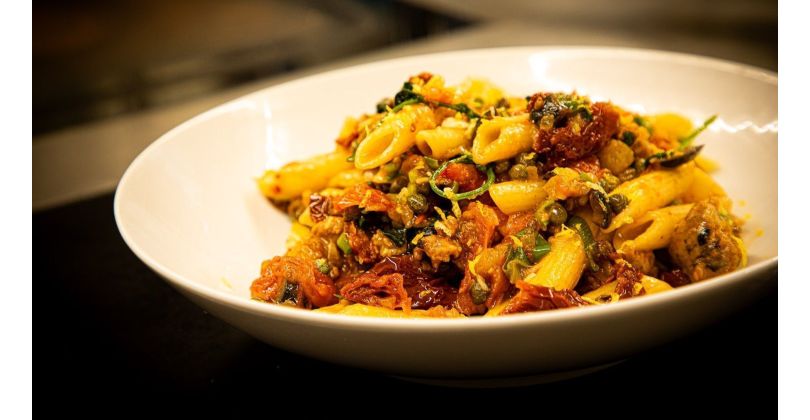
Pasta with squeezed Mediterranean pork sausage, olives, sun-dried tomatoes and capers in a spicy tomato sauce
Loading...
472 view(s) 6 min read

Pasta with squeezed Mediterranean pork sausage, olives, sun-dried tomatoes and capers in a spicy tomato sauce

Nice to know:

The origin of tomato sauce or tomato sugo is closely linked to the history of the tomato itself. The tomato originally comes from Central and South America and was used as food by the indigenous peoples. After the discovery of America by the Europeans in the 15th century, the tomato found its way to Europe, where it was initially considered an ornamental plant.

In the 18th century, the Italians began to use the tomato in the kitchen. One of the first documented uses was the preparation of "Salsa di Pomodoro", a sauce made from fresh tomatoes. This Italian tomato sauce evolved over time, with different ingredients being added such as onions, garlic, herbs and spices.

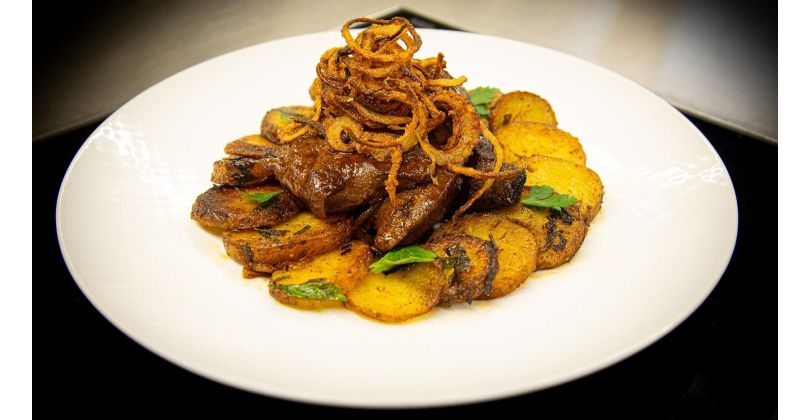
Fried beef liver patties with fried onions, fried potatoes and balsamic sauce
Loading...
820 view(s) 5 min read

Fried beef liver patties with fried onions, fried potatoes and balsamic sauce

Beef liver is extremely rich in nutrients and offers a variety of health benefits. It contains vitamin A, among other things, which is important for good eyesight, healthy skin and a strong immune system.

It also provides B vitamins, especially vitamin B12, which is crucial for the functioning of the nervous system and the production of red blood cells. Is the liver taste too strong for you? Here's a tip: Soak the liver in milk an hour before frying and store in the refrigerator. By soaking the liver in milk, it becomes milder in taste and contracts less when fried.

Gebeizte und geschmorte Kalbskopfbäggli in Portweinjus auf Selleriepüree und karamellisierten Cherrytomaten
Loading...
1025 view(s) 8 min read

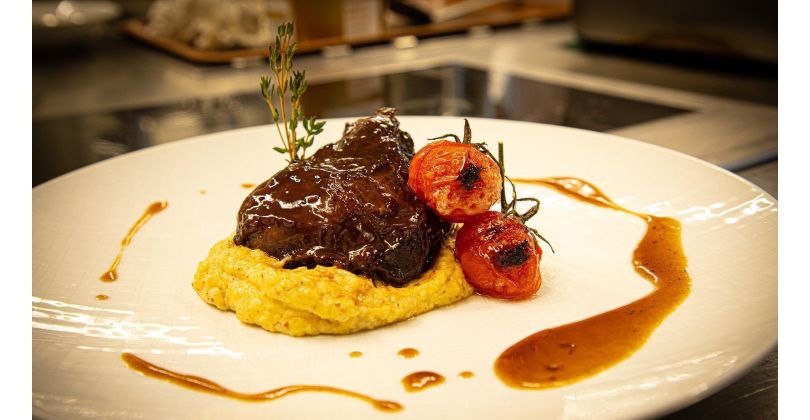
Marinated and braised calf cheeks in port wine jus on celery puree and caramelised cherry tomatoes

The dish has experienced something of a renaissance in recent years as more and more people are interested in slow food and the use of whole animals. In many modern restaurants and taverns, calf cheeks is now offered as a gourmet dish that takes up the tradition of sustainable and respectful animal use. Another interesting aspect of the history of this dish is the cultural significance it has in different countries. In many regions of Europe, especially in France, Italy but also in Switzerland, similar dishes are also popular, which shows how deeply rooted the tradition of offal and by-products is in European cuisine. In Switzerland, the dish is often accompanied by side dishes such as potatoes and vegetables, making it a popular choice for a hearty and nutritious meal. Due to the rediscovery of traditional cooking skills and the increasing popularity of regional products, the dish "calf cheek" is finding more and more recognition and space on the menus of modern kitchens.
Roast lamb chops on risotto with red chicory with seeds and spinach
Loading...
561 view(s) 5 min read

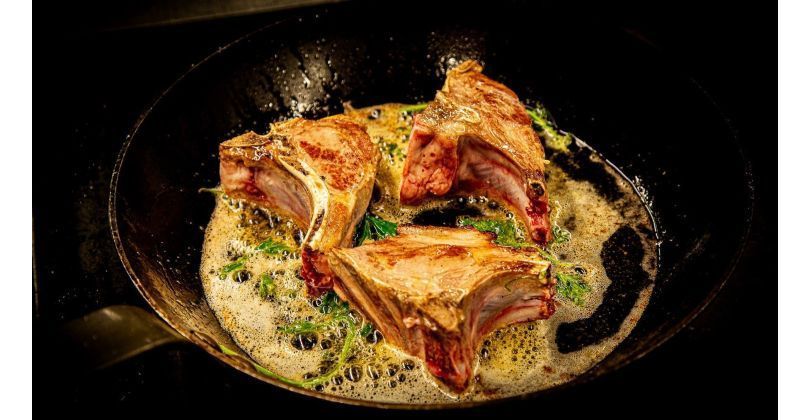
Roast lamb chops on risotto with red chicory with seeds and spinach

Lamb chops are a tender and tasty meat that comes from the rib section of the lamb. They are one of the most popular cuts of lamb and are known for their unique flavor and tender texture. Lamb chops can be prepared in a variety of ways, be it grilled, roasted or baked in the oven.

Reindeer entrecote with cranberry sauce, chestnuts, Brussels sprouts, polenta and its jus
Loading...
533 view(s) 7 min read

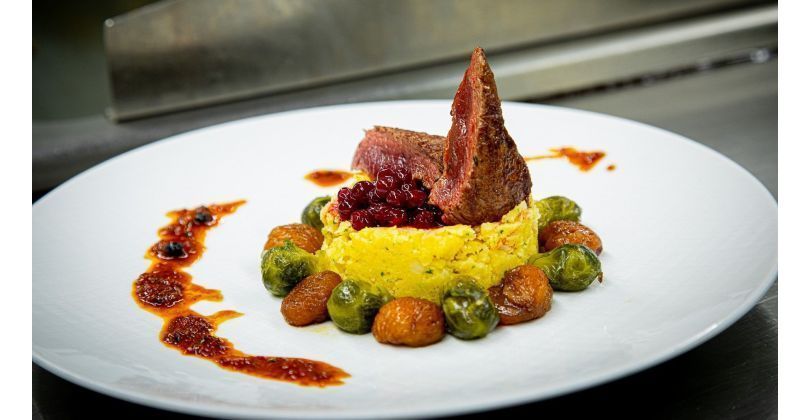
Reindeer entrecote with cranberry sauce, chestnuts, Brussels sprouts, polenta and its jus

Nice to know: Reindeer are an important cultural, economic and ecological resource in Scandinavia, especially for the indigenous peoples living in the northern parts of the country. These animals are adapted to the harsh climate and the vast, untouched landscapes.

Main characteristics of reindeer:

Adaptability: Reindeer are excellent adaptors to extreme cold. Their thick fur and an insulating layer of air help them survive in cold winters.

Migration: In summer, reindeer move to higher altitudes where they can feed better, and in winter they migrate to lower valleys.

Diet: Their diet consists mainly of lichens, mosses, grasses and other plants.

Cultural significance: For the indigenous people, reindeer are not only a means of subsistence, but also a part of their identity. Reindeer husbandry, or "rein herding", is a traditional industry and plays a central role in culture and customs. Reindeer are used for food, clothing, tools and as a means of transport (e.g. sleighs).

Medium rare grilled Iberico Secreto with fig-chili sauce and mint
Loading...
1210 view(s) 5 min read

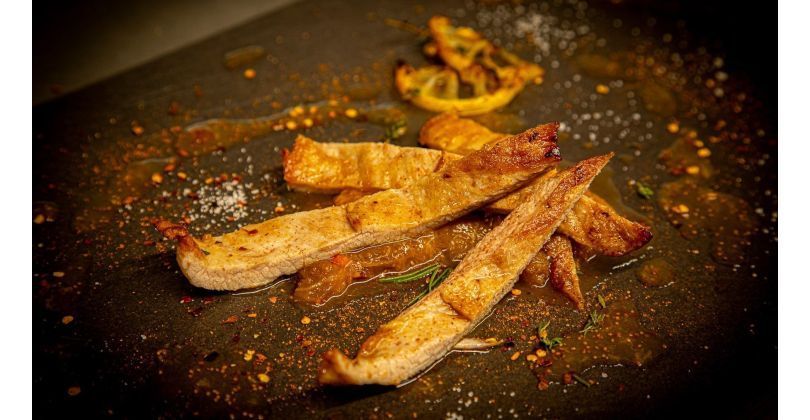
Medium rare grilled Iberico Secreto with fig-chili sauce and mint

Nice to know: The Iberian pig, also known as "Iberico", is a breed of pig that is common in the Iberian Peninsula, especially in Spain and Portugal. This breed is famous for its excellent meat quality and high fat content, especially intramuscular fat, which gives the meat a unique taste and tender texture.


Characteristics of the Iberian pig:

Origin: The breed originates from the region of the Iberian Peninsula and has a long history that dates back to ancient times. Ibérico pigs are uniquely adapted to the conditions and climate of this region.
Diet: The Iberian pig is often kept in free-range conditions and moves in spacious pastures. This contributes to high-quality meat production. Eating acorns in season gives the meat its special flavor.

Meat quality: The meat of the Iberian pig is known for its marbling, which results in a rich, full-bodied flavor. Particularly high-quality cuts such as "Jamón Ibérico" (air-dried ham) are highly sought after internationally and contribute to the high reputation of this breed of pig.

Cultural importance: In Spain and Portugal, the Iberian pig plays a central role in gastronomy. The products made from this pig are an important part of the traditional cuisines of both countries.

Health aspects: The fat of the Iberian pig, especially the intramuscular fat, contains high levels of monounsaturated fatty acids, which are considered healthier than saturated fats. This contributes to the positive perception of Iberian ham.

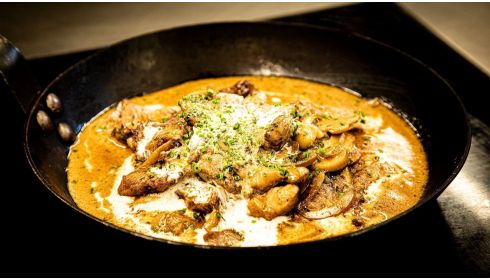
A classic - beef fillet stroganoff
Loading...
2634 view(s) 6 min read

A classic - beef fillet stroganoff

A classic - beef fillet stroganoff   Ingredients (for 4 people) For the stroganoff: 500 g beef fillet (original with the beef fillet tip) 250 g mushrooms (or other mushrooms of your choice) 2 medium-sized onions 2 cloves of garlic 1dl red wine 200 ml beef broth or demi gace 1 piece of red pepper 2 pieces of pickled gherkins 200 ml crème fraîche (sour cream) and some whipped cream 1 tbsp mustard and ketchup 2 tbsp paprika powder (sweet) 2 tbsp flour 2 tbsp butter 2 tbsp vegetable oil (e.g. sunflower oil) Salt and pepper For the pasta: 300 g pasta 1 tbsp salt For the garnish: Fresh parsley or chives, finely chopped   Preparation   Beef fillet: Take the beef fillet out of the fridge and allow to temper for about 30 minutes before preparation. Then cut into cubes or strips. Vegetables: Cut the onions into fine cubes, finely chop the garlic and cut the mushrooms and peppers into slices. Cook pasta: Bring a pot of water to the boil and add 1 tablespoon of salt. Add the egg noodles to the boiling water and cook until al dente. After cooking, drain and rinse briefly with cold water to prevent sticking. Keep warm. Fry beef fillet: Heat the vegetable oil and 1 tablespoon of butter in a pan. Add the beef fillet cubes or strips to the pan in portions (not all at once) and fry until lightly browned on all sides (approx. 2-3 minutes). Remove the fried cubes or strips from the pan and put them aside on a plate. Make sure not to fry the cubes or strips for too long, otherwise they will become tough. Fry vegetables: Sauté the onions until translucent. Add the garlic and sauté briefly. Add the mushrooms and peppers and sauté until well browned and soft. Prepare the sauce: Sprinkle the flour evenly over the vegetables and stir well to combine. This helps to bind the sauce. Stir in the paprika, mustard and ketchup and fry briefly. Slowly add the beef stock or demi glace and red wine, stirring constantly to avoid lumps. Mix everything well and bring to the boil. Reduce the heat and stir in the crème fraîche (sour cream) and whipped cream. Now add the pickled gherkins cut into strips. Simmer the sauce for about 5-10 minutes until it has thickened slightly. Season with salt and pepper to taste. Add the beef fillet back: Put the seared beef fillet strips back into the pan and heat briefly so that they remain tender. The sauce should now be nice and creamy. Serving: Divide the pasta between plates and generously arrange the beef stroganoff next to it. Garnish with freshly chopped parsley or chives.
Menapian pork chop Tomapunk perfectly grilled and roasted
Loading...
522 view(s) 5 min read

Menapian pork chop Tomapunk perfectly grilled and roasted

Menapian pork chop Tomapunk perfectly grilled and roasted
Ingredients for 2 people


1 pork chop (approx. 500 g per piece)
1 tbsp olive oil or butter
Salt and pepper to taste
1 lemon


Preparation:


Prepare the meat: Rinse the pork chop with cold water and pat dry with kitchen paper. Season both sides with salt and pepper.

Grill: Heat the olive oil or butter in a pan at medium to high temperature. Grill the chop for about 3-4 minutes on one side until golden brown.
Turn over and fry the other side for 3-4 minutes and cook in the oven until the desired core temperature (internal temperature of at least 63 °C).

Let rest: After frying, take the chop out of the oven and place on a plate. Cover with aluminum foil and let rest for about 5 minutes so that the juices distribute throughout the meat.


Freshly made ajvar goes well with this, it's simple and super tasty.


Ingredients:
3-4 red peppers
2-3 cloves of garlic
1-2 tablespoons of olive oil
1 teaspoon of vinegar (e.g. wine vinegar)
Salt to taste
Pepper to taste
Chili
Peppermint


Preparation:


Roast the peppers: Roast the peppers in the oven at 200 °C until the skin blisters and burns slightly (approx. 20-30 minutes).
Alternatively, you can roast the peppers over an open flame if you have a grill or a gas stove.

Remove the skin: Take the roasted peppers out of the oven and place them in a bowl. Cover with cling film so that they steam and the skin can be removed more easily. After about 10 minutes, peel off the skin and remove the seeds.

Puree the ingredients: Put the flesh of the peppers in a food processor. Puree together with the garlic, olive oil, vinegar, salt, pepper, chili and a little peppermint until a homogeneous mass is formed.

Bison fillet in straw with black truffle and caramelized figs and grilled vegetables
Loading...
287 view(s) 6 min read

Bison fillet in straw with black truffle and caramelized figs and grilled vegetables

Bison fillet in straw with black truffle and caramelized figs and grilled vegetables

Ingredients for 1 person
For the bison fillet:
1 bison fillet (approx. 200-250 g)
Straw (special food straw, untreated animal feed)
2-3 tablespoons olive oil
Salt and pepper to taste
2-3 sprigs of fresh thyme or rosemary
1 black truffle (freshly shaved)

For the caramelized figs:
2-3 fresh figs (quartered)
2 tablespoons butter
2 tablespoons honey or sugar
1-2 tablespoons balsamic vinegar
A pinch of salt and pepper
A few walnuts for garnish


Preparation:


Preparing the straw:
Soak the straw in a bowl of red wine so that it doesn't burn during cooking. It should be soaked for at least 30 minutes.

Preparing the bison fillet:
Take the bison fillet out of the fridge about 30 minutes before frying so that it reaches room temperature.
Rub with olive oil and season with salt and pepper.

Frying the fillet:
Heat a pan over high heat and add a tablespoon of butter. When the butter foams, fry the fillet for about 2-3 minutes per side to get a nice crust.
Place the fillet on a plate and let it rest for a short while.

Straw garnish:
Drain the soaked straw and place it evenly in a heat-resistant dish or on a baking tray.
Place the fillet on the straw, add the fresh herbs and spread the truffle slices on top.

Cooking in the oven:
Preheat the oven to 180 °C (top/bottom heat).
Place the dish with the bison fillet in the oven for about 5-7 minutes to mix the flavors and finish cooking the meat. Check the core temperature to ensure the meat stays medium rare (approx. 55-57 °C).

Prepare caramelized figs:
In a separate pan, heat the additional butter and then add the quartered figs.
Add the honey or sugar and caramelize the figs for about 2-3 minutes until they are soft and lightly golden brown. Add the balsamic vinegar and bring to a boil briefly so that the sauce thickens slightly. Season to taste with a pinch of salt and pepper.

Serve:
Remove the fillet from the oven and carefully remove the straw. Arrange on preheated plates with fresh straw.
Place the caramelized figs on top and garnish with a few chopped walnuts if desired.
Drizzle with a little extra balsamic vinegar if desired.

Nice to know:
Bison meat cooks through more quickly than beef, so take it out much earlier and let it rest a little longer.

The Swiss's favorite Christmas dish
Loading...
413 view(s) 5 min read

The Swiss's favorite Christmas dish

The Swiss's favorite Christmas dish Meat fondue, Chinoise, table grill and fondue bourguignonne are all social forms of eating that focus on communal eating and are perfect for convivial evenings with friends or family. Each of these preparation methods brings its own special features and culinary experiences.

Meat fondue is a classic variant in which small pieces of meat are cooked in a large pot of hot oil or broth. The guests skewer the prepared meat with long forks and dip it into the hot pot. The combination of different types of meat, such as beef, pork or chicken, ensures a varied taste experience. Various dips and side dishes, such as fresh vegetables, bread and sauces, are usually served to round off the fondue dish. 

Chinoise is a variant of meat fondue that is inspired by Asian cuisine and has gained popularity especially in recent years. Here, an aromatic broth, often with Asian spices and ingredients, is heated in a special pot. Guests have the option of cooking different types of meat, fish and vegetables in the broth. Typical accompaniments are rice, special sauces and fresh herbs.

Chinoise offers a cozy atmosphere and encourages interactive cooking at the table. The table grill is another social method of cooking where guests can grill their food directly at the table. An electric grill is often used on which various ingredients, such as meat, fish, vegetables and perhaps even fruit, are prepared. The ability to determine the grilling time yourself makes it a flexible and fun dining option.

Table grills are ideal for relaxed evenings, as everyone can decide for themselves what and how much they want to eat. Finally, there is Fondue Bourguignonne, a particularly delicate form of meat fondue that comes from the French region of Burgundy.

Here, the meat is fried directly in hot oil, giving it a crispy texture. Traditionally, beef steaks are used, cut into bite-sized pieces and served with a selection of sauces and side dishes. Guests enjoy the prepared meat with freshly baked baguette and refreshing salads.

Regardless of the method of preparation chosen, these communal eating methods not only offer a delicious meal, but also a wonderful opportunity to spend time together, have conversations and discover new flavor combinations. Whether it's traditional fondue, contemporary chinoise or a sociable table grill - these culinary options create unforgettable memories.

Copyright © 2026 meat4you. All rights reserved.