
Facebook Pixel

Posts tagged 'wildzeit'

grillfleisch
Which meat cuts are suitable for grilling?
Why Organic?
Why Organic?
dry aged beef
Why Dry Aged Beef?
The Chianina beef
Small tree or big cattle?
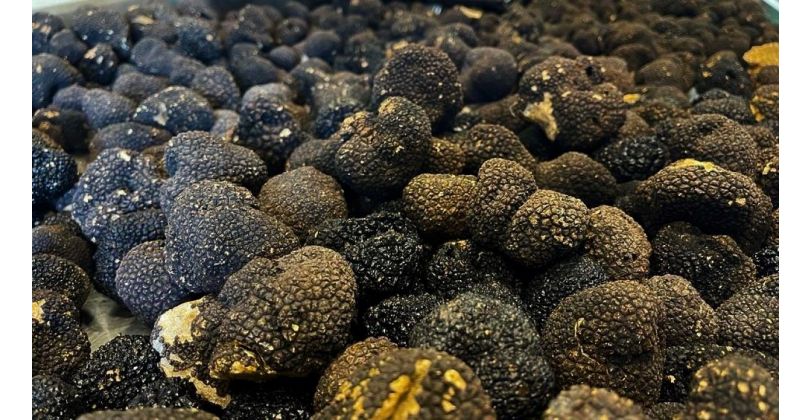
The world of truffles, the passion of Giuliano Tartufi
The caviar
The black gold
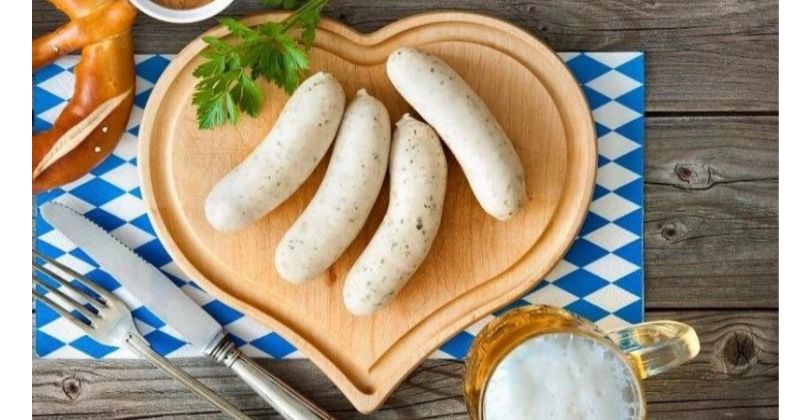
weisswurst
Oktoberfest in Switzerland, what does it actually include?
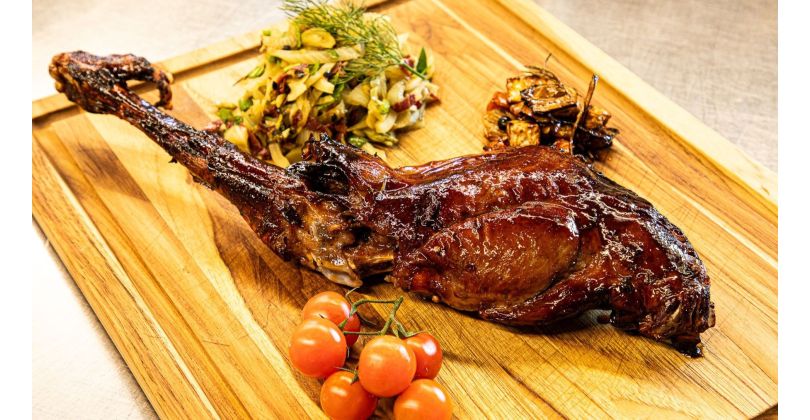
Roasted leg of chamois on the bone with warm fennel salad and game jus
Loading...
77 view(s) 5 min read

Roasted leg of chamois on the bone with warm fennel salad and game jus

Chamois has a long and rustic culinary tradition in Europe, closely tied to Alpine hunting and mountain culture. As early as the Middle Ages, it was considered a valuable game animal in high-altitude regions where livestock farming was limited. Its meat provided an important source of protein for people living in remote valleys and symbolised the skill and courage of the hunter, as chamois hunting was both demanding and dangerous.

In aristocratic cuisine, chamois played a lesser role compared to venison or wild boar, but it remained deeply rooted in regional and rural cooking. The meat was typically braised or roasted, often paired with robust herbs, root vegetables, and berries to balance its intense, slightly gamey flavour. Long cooking times helped tenderise the lean meat.

With the development of game cuisine in the 19th century, particularly in Alpine and southern German regions, chamois gained greater culinary recognition. Chefs began preparing it in more refined ways, such as chamois ragout, saddle of chamois, or delicately seasoned terrines. To this day, chamois represents authenticity, regional identity, and a respectful relationship with nature.

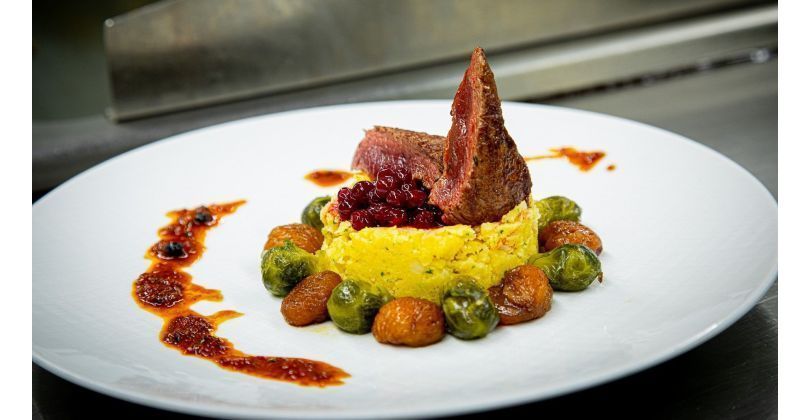
Reindeer entrecote with cranberry sauce, chestnuts, Brussels sprouts, polenta and its jus
Loading...
441 view(s) 7 min read

Reindeer entrecote with cranberry sauce, chestnuts, Brussels sprouts, polenta and its jus

Nice to know: Reindeer are an important cultural, economic and ecological resource in Scandinavia, especially for the indigenous peoples living in the northern parts of the country. These animals are adapted to the harsh climate and the vast, untouched landscapes.

Main characteristics of reindeer:

Adaptability: Reindeer are excellent adaptors to extreme cold. Their thick fur and an insulating layer of air help them survive in cold winters.

Migration: In summer, reindeer move to higher altitudes where they can feed better, and in winter they migrate to lower valleys.

Diet: Their diet consists mainly of lichens, mosses, grasses and other plants.

Cultural significance: For the indigenous people, reindeer are not only a means of subsistence, but also a part of their identity. Reindeer husbandry, or "rein herding", is a traditional industry and plays a central role in culture and customs. Reindeer are used for food, clothing, tools and as a means of transport (e.g. sleighs).

Copyright © 2026 meat4you. All rights reserved.