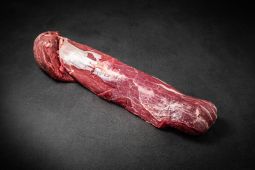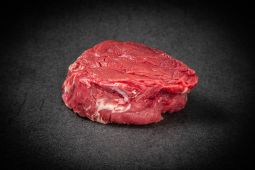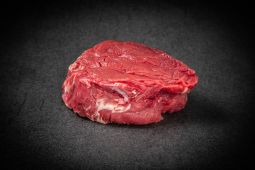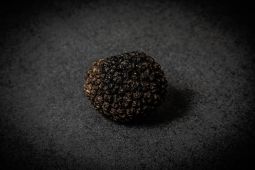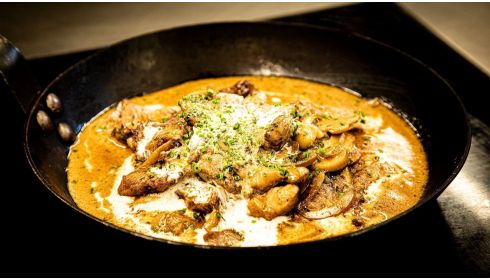

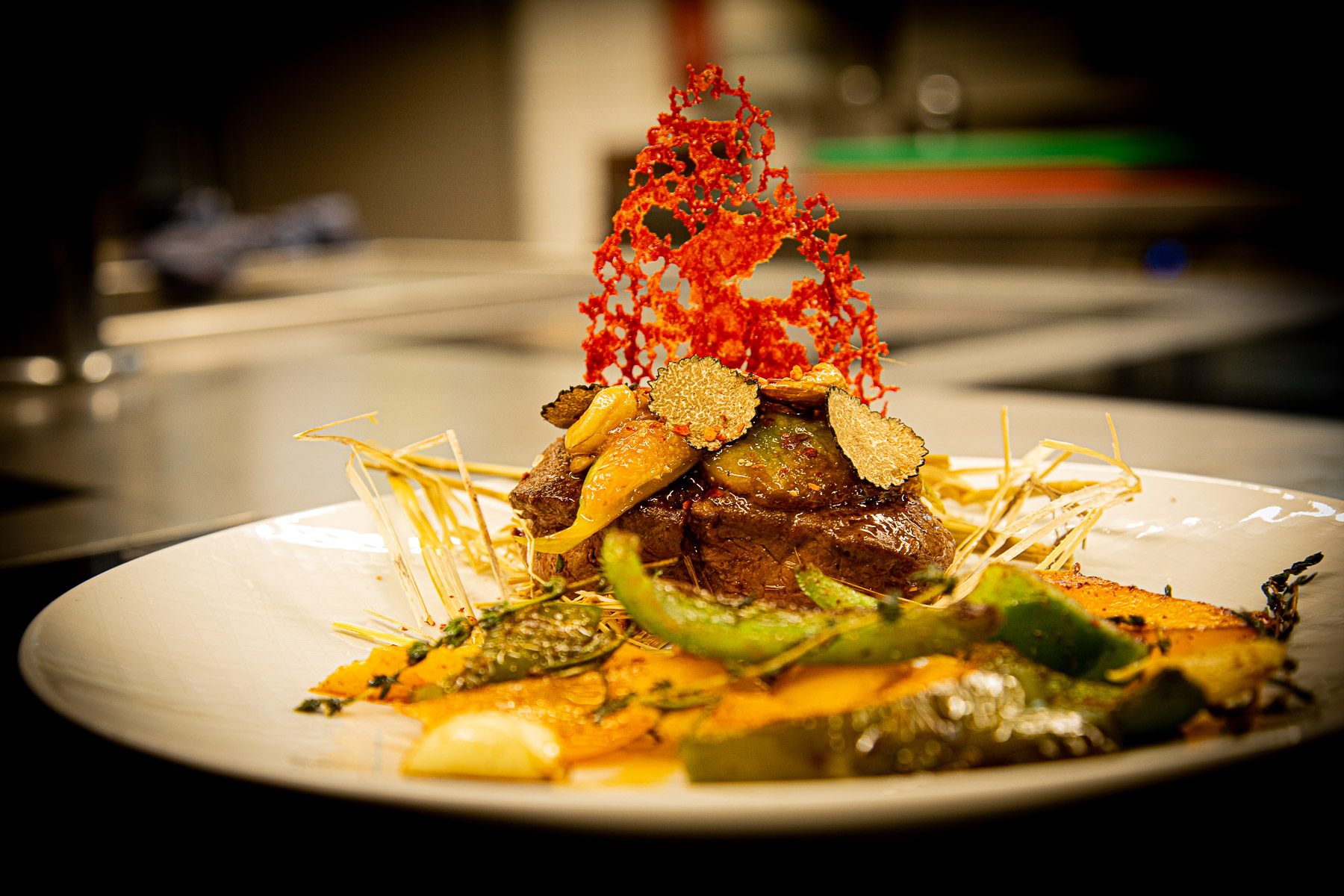
Bison fillet in straw with black truffle and caramelized figs and grilled vegetables
Ingredients for 1 person
For the bison fillet:
1 bison fillet (approx. 200-250 g)
Straw (special food straw, untreated animal feed)
2-3 tablespoons olive oil
Salt and pepper to taste
2-3 sprigs of fresh thyme or rosemary
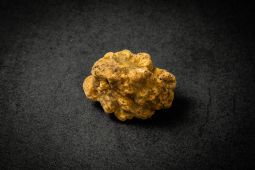
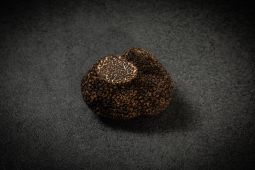
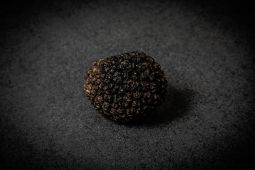
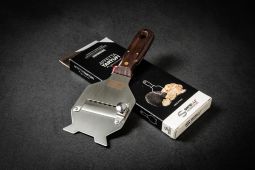
1 black truffle (freshly shaved)
For the caramelized figs:
2-3 fresh figs (quartered)
2 tablespoons butter
2 tablespoons honey or sugar
1-2 tablespoons balsamic vinegar
A pinch of salt and pepper
A few walnuts for garnish
Preparation:
Preparing the straw: Soak the straw in a bowl of red wine so that it doesn't burn during cooking. It should be soaked for at least 30 minutes.
Preparing the bison fillet: Take the bison fillet out of the fridge about 30 minutes before frying so that it reaches room temperature.
Rub with olive oil and season with salt and pepper.
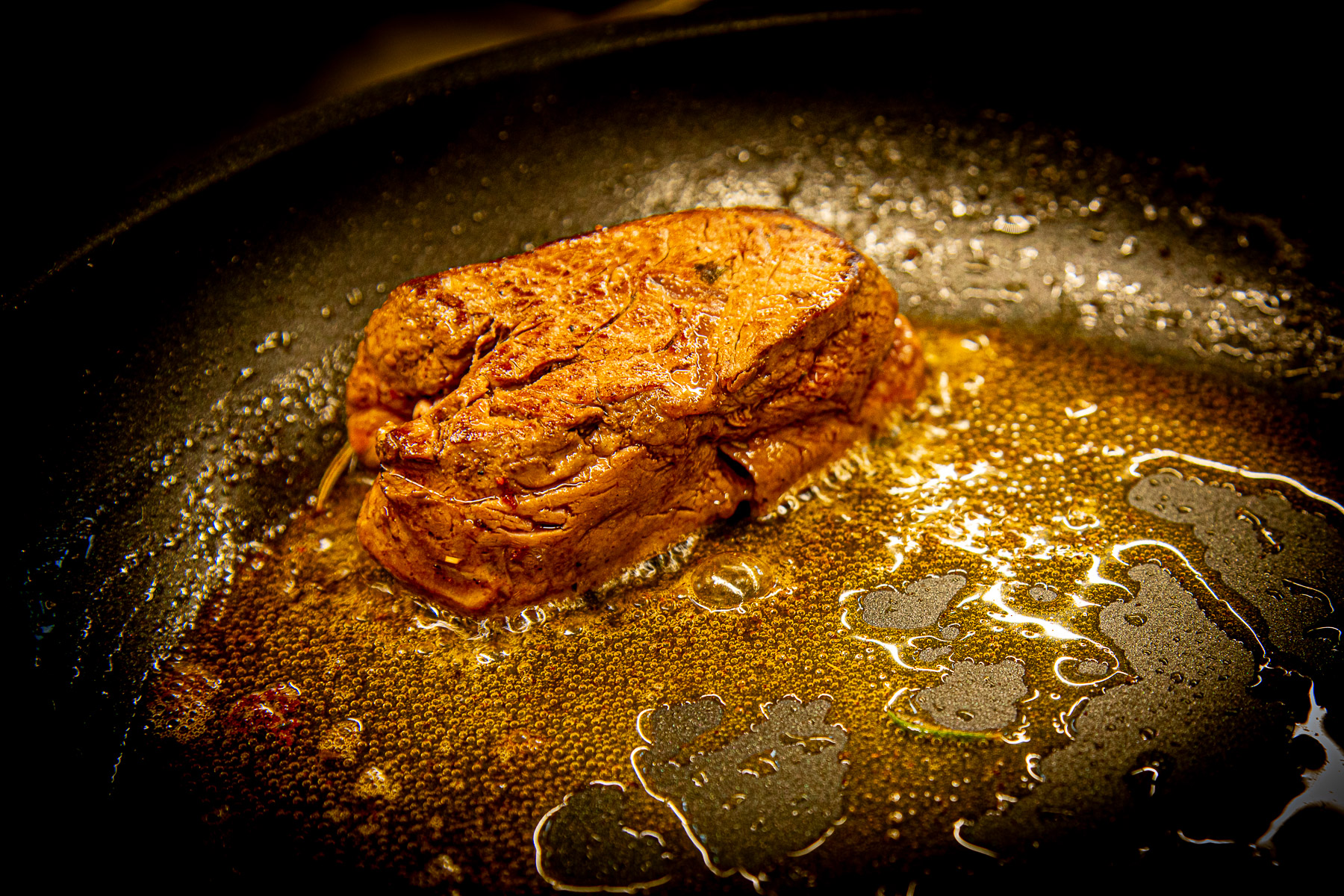
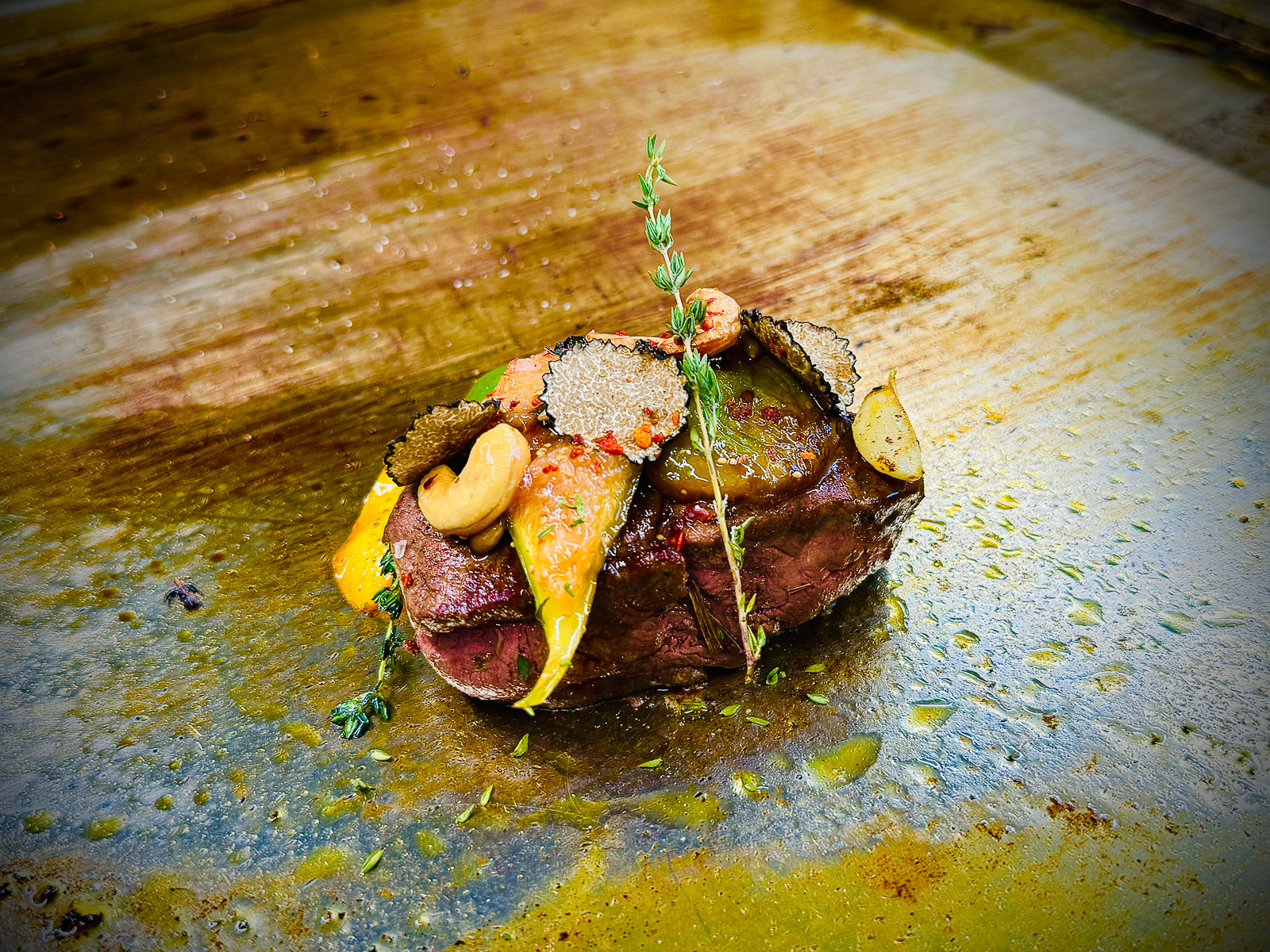
Frying the fillet: Heat a pan over high heat and add a tablespoon of butter. When the butter foams, fry the fillet for about 2-3 minutes per side to get a nice crust.
Place the fillet on a plate and let it rest for a short while.
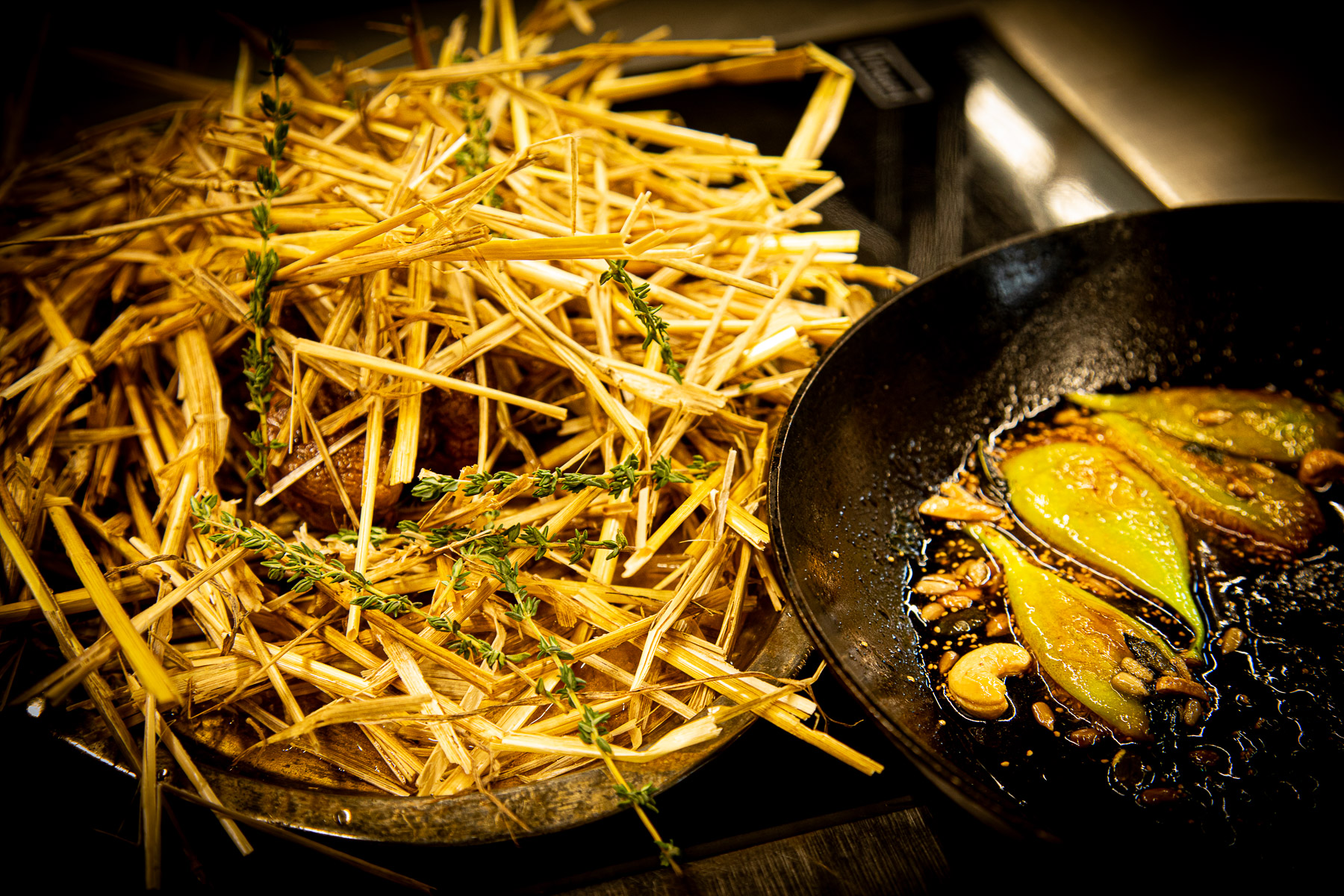
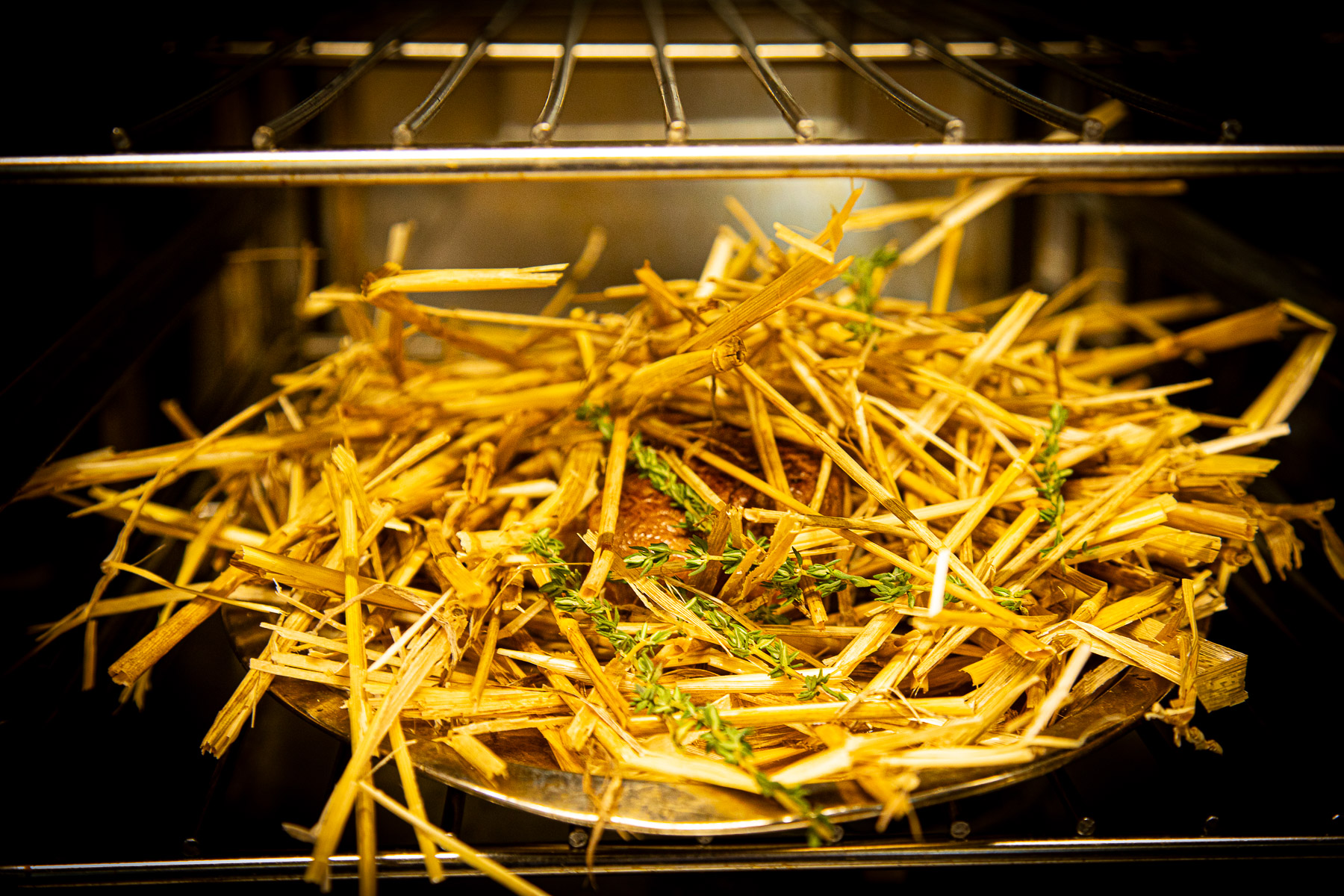
Straw garnish: Drain the soaked straw and place it evenly in a heat-resistant dish or on a baking tray.
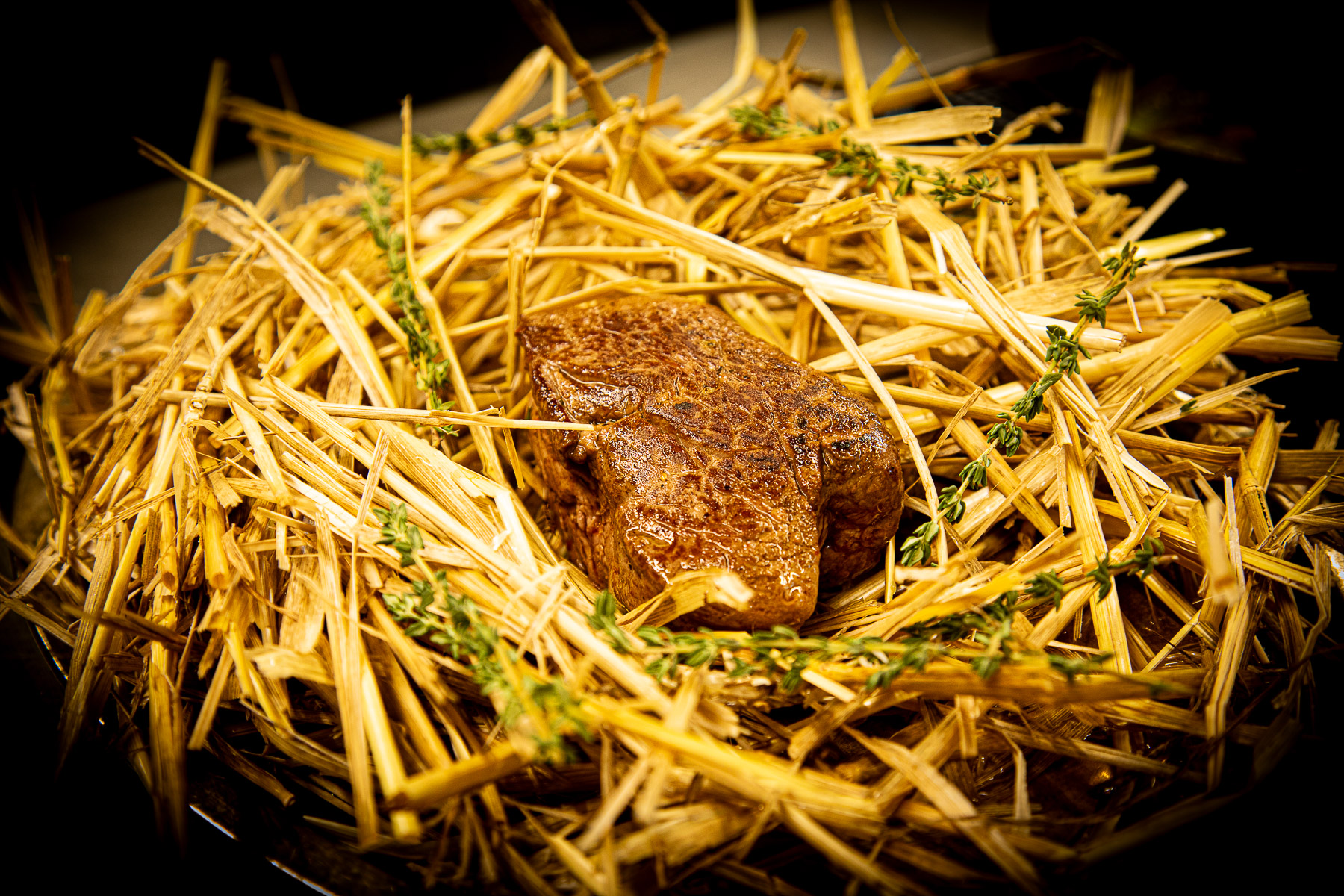
Place the fillet on the straw, add the fresh herbs and spread the truffle slices on top.
Cooking in the oven: Preheat the oven to 180 °C (top/bottom heat).
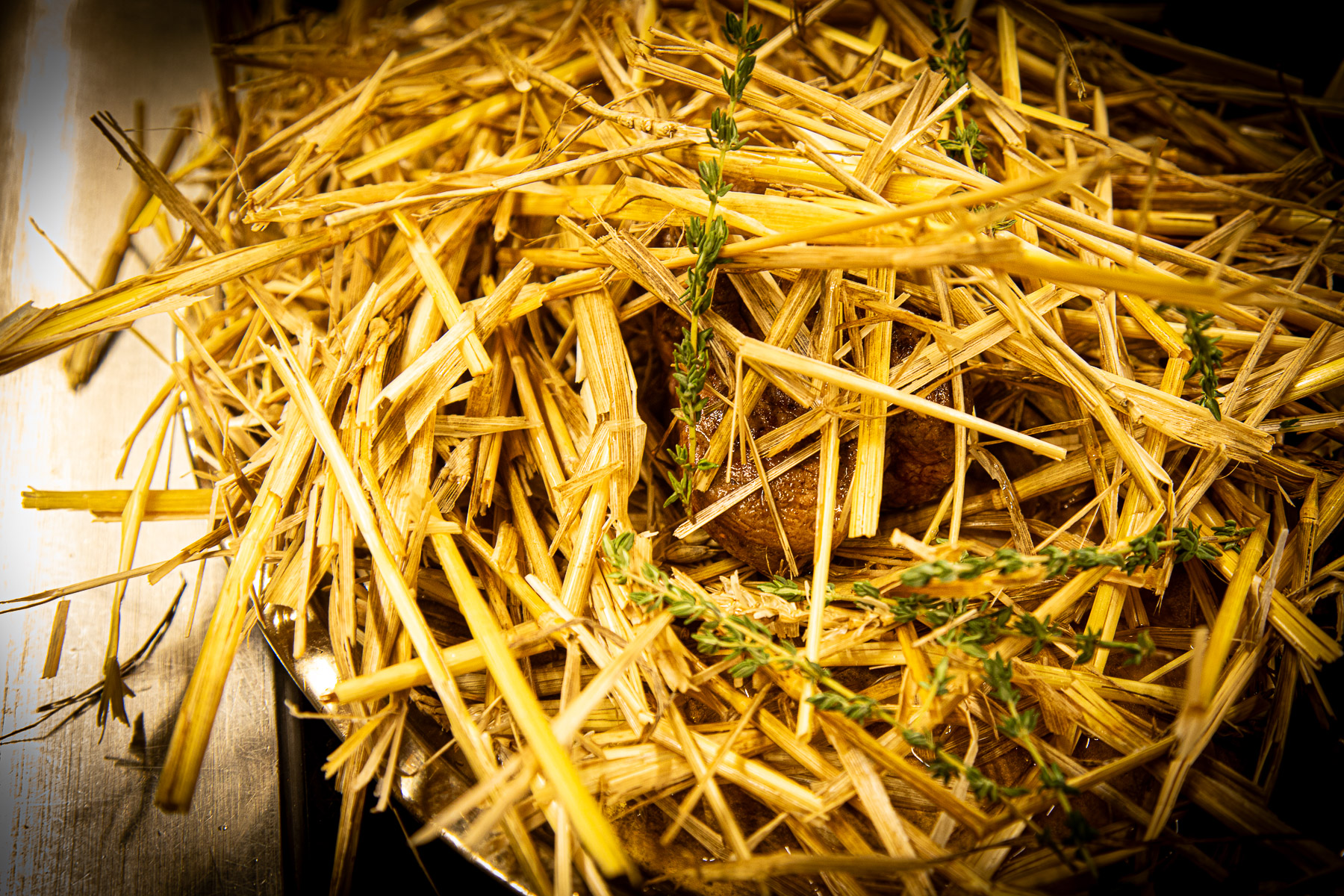
Place the dish with the bison fillet in the oven for about 5-7 minutes to mix the flavors and finish cooking the meat. Check the core temperature to ensure the meat stays medium rare (approx. 55-57 °C).
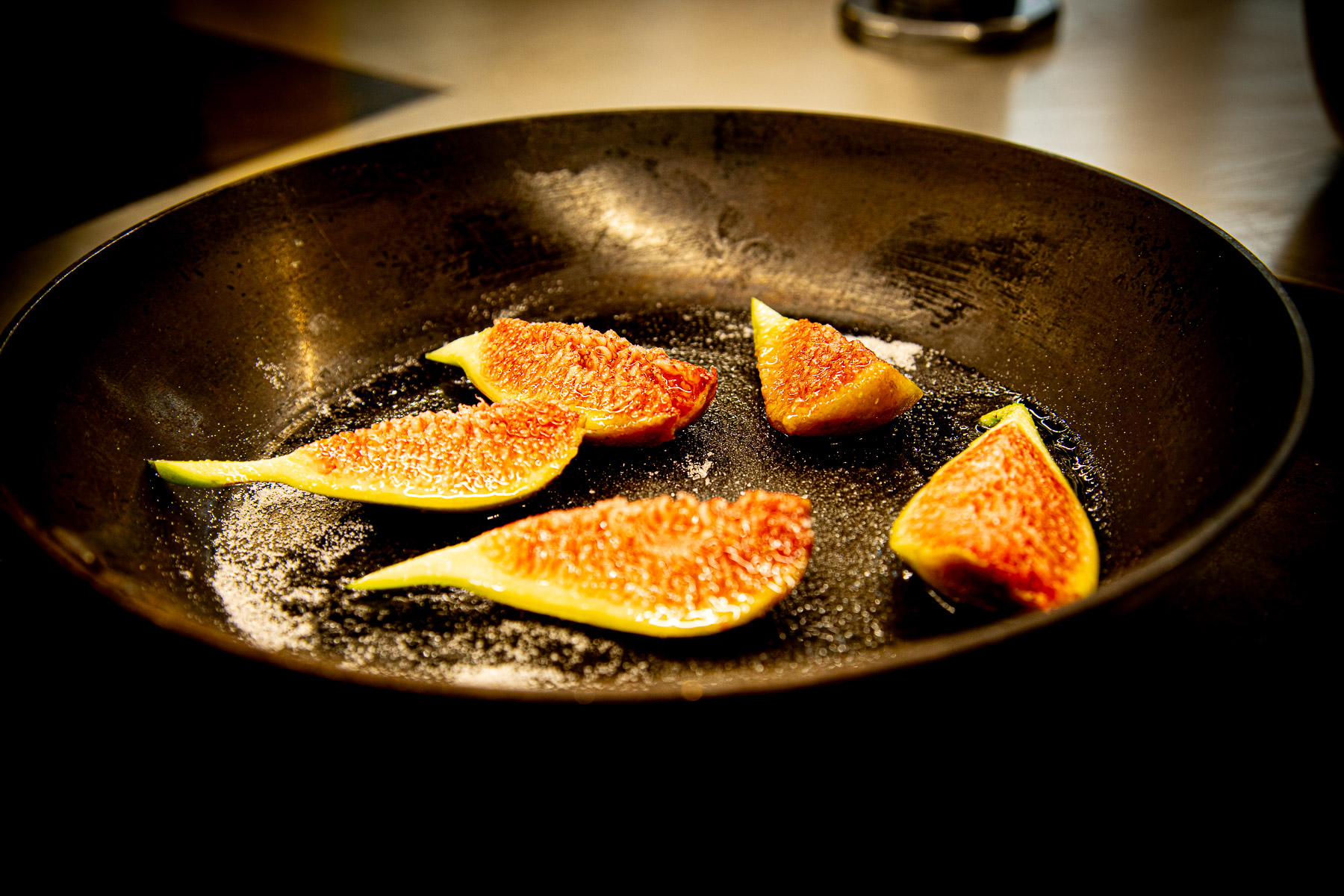
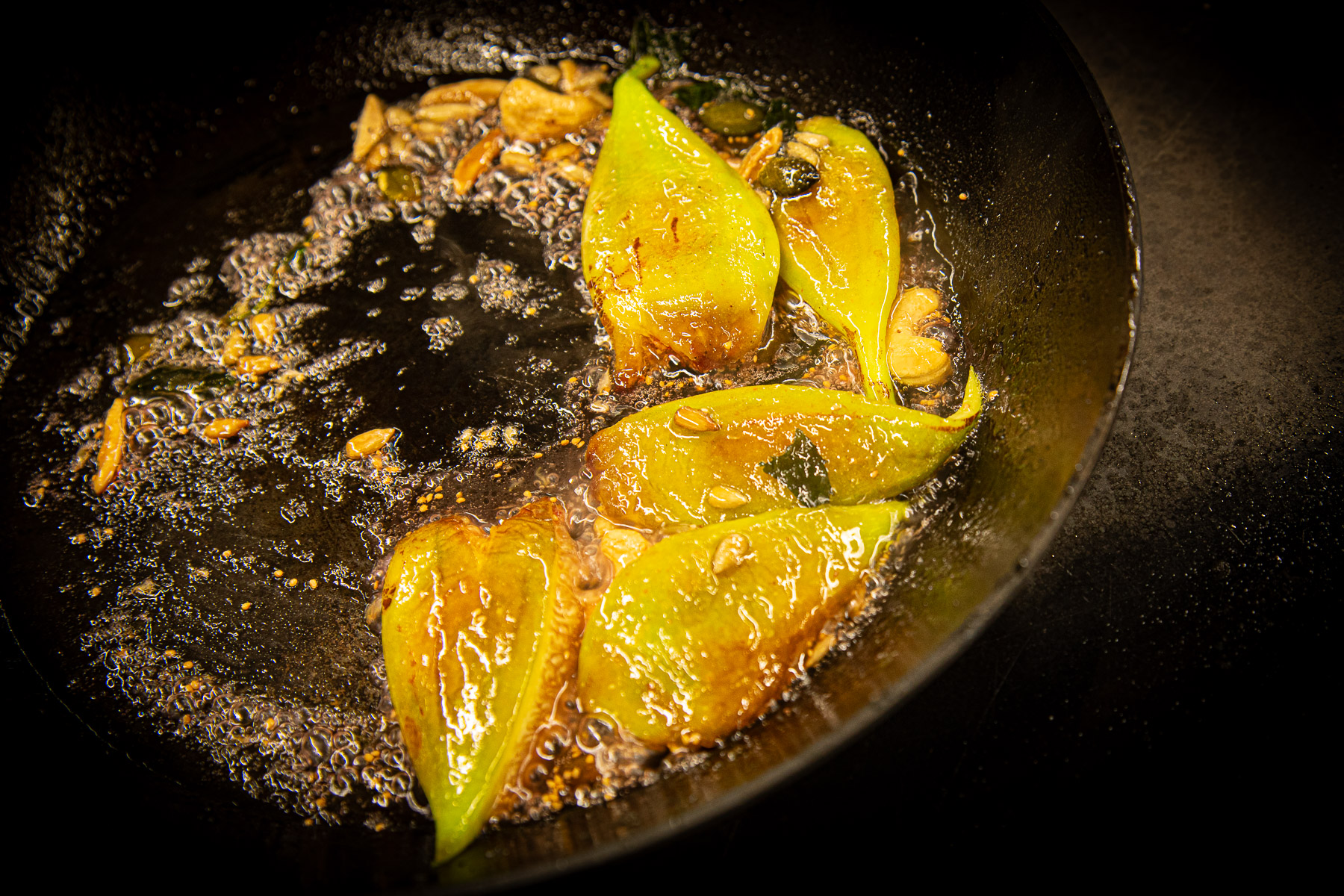
Prepare caramelized figs: In a separate pan, heat the additional butter and then add the quartered figs.
Add the honey or sugar and caramelize the figs for about 2-3 minutes until they are soft and lightly golden brown. Add the balsamic vinegar and bring to a boil briefly so that the sauce thickens slightly. Season to taste with a pinch of salt and pepper.
Serve: Remove the fillet from the oven and carefully remove the straw. Arrange on preheated plates with fresh straw.
Place the caramelized figs on top and garnish with a few chopped walnuts if desired.
Drizzle with a little extra balsamic vinegar if desired.
Nice to know: Bison meat cooks through more quickly than beef, so take it out much earlier and let it rest a little longer.
Nice to know: Bison are not only an impressive sight, they also provide the finest meat with a distinctive taste. Bison meat is extremely lean and has its own flavor, unlike beef, which only gets its distinctive taste from the marbling of fat. Bison meat cooks particularly quickly, but unlike beef it has to rest twice as long.
Bison originally come from Eurasia and immigrated to America over the Bering land bridge between Siberia and Alaska during the Ice Age. The current form of bison, also known as wild cattle, developed from the original bison around 6,000 years ago. According to estimates, between 25 and 30 million bison lived in North America in the 16th century.
Due to the strong demand for bison leather in Europe, the bison were reduced to a few hundred animals by the end of the 19th century, before protected areas were established for the last bison. The meat of the shot bison was not used at that time and was left to rot on the prairie. There are currently around 500,000 bison in North America. Today, two different types of bison are distinguished - the prairie bison and the wood bison.
The bison bull is the largest land mammal in North America with a body length of 3.80 meters and a weight of 900 kg. The female animals reach a length of 2.40 meters and a weight of around 500 kg. The animals are very frugal and feed mainly on grass, herbs, moss and lichen. Their thick, dark winter fur allows the animals to withstand temperatures down to -40°C. After a gestation period of nine months, the female bison give birth to a calf weighing 30 kg, which is guarded by the cow and fiercely defended against all enemies.