Facebook Pixel

Posts tagged 'pata negra'

grillfleisch
Which meat cuts are suitable for grilling?
Why Organic?
Why Organic?
dry aged beef
Why Dry Aged Beef?
The Chianina beef
Small tree or big cattle?
The world of truffles, the passion of Giuliano Tartufi
The caviar
The black gold
weisswurst
Oktoberfest in Switzerland, what does it actually include?
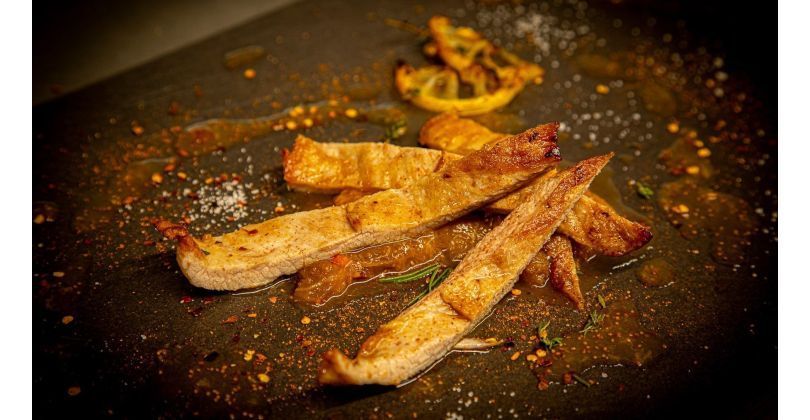
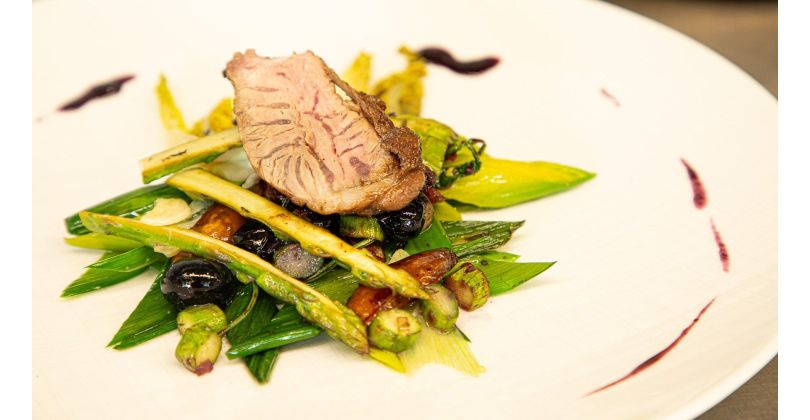
Quickly roasted Iberico head cheeks on blanched leeks and sautéed green asparagus with blueberries and dates, accompanied by a blueberry jus
Loading...
421 view(s) 5 min read

Quickly roasted Iberico head cheeks on blanched leeks and sautéed green asparagus with blueberries and dates, accompanied by a blueberry jus

The Iberian pig and its head cheeks are deeply rooted in the culinary tradition of the Iberian Peninsula.

Gastronomy: The head cheeks of the Iberian pig are widely used in Iberian cuisine, both in traditional dishes and as a delicacy. The special marbling of the meat makes it very flavorful and tender, which encourages its use in a variety of dishes. The Iberian pig is believed to have descended from wild pigs that lived in the forests of the Iberian Peninsula. This breed has evolved over centuries and is well adapted to local conditions.

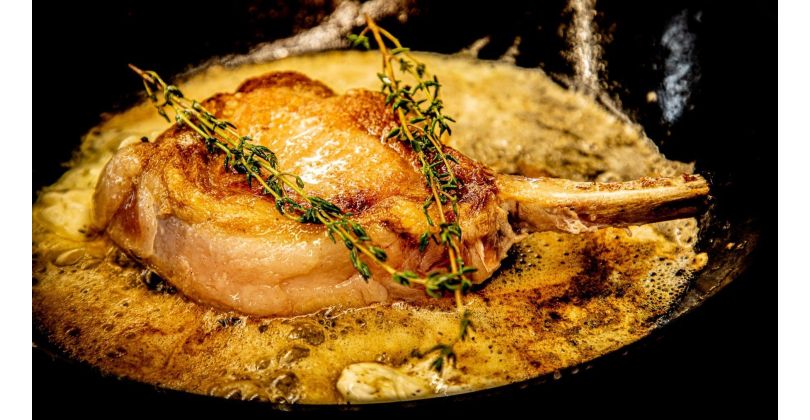
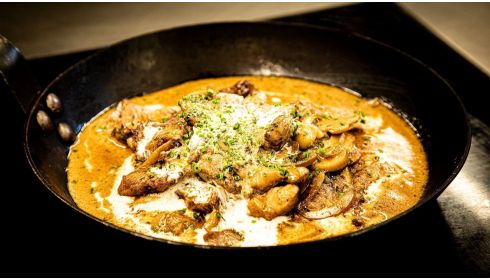
Fried Iberico Pork Chop on Spicy Mango Mushroom Rice and Fried Broccoli Leaf
Loading...
432 view(s) 6 min read

Fried Iberico Pork Chop on Spicy Mango Mushroom Rice and Fried Broccoli Leaf

The Iberian pig (or Ibérico pig) is a breed of pig that originated on the Iberian Peninsula, particularly in Spain and Portugal. The breed is prized for its high-quality meat, which plays a special role in gourmet cuisine, especially in the production of high-quality hams such as the famous Jamón Ibérico.

History: The breeding of the Iberian pig dates back to ancient times. The first historical evidence of the use of pigs in this region dates back to the Romans. Iberian pigs were traditionally raised in the region's oak forests, where they could feed on acorns (bellotas), which significantly influences the taste and quality of the meat.

Over the centuries, the Iberian pig has been bred primarily in rural areas of Spain and Portugal, where it has adapted to local conditions and the Mediterranean climate. The breed has evolved into various lines, including the "Pata Negra" (black legs), which is considered particularly high-quality.

Medium rare grilled Iberico Secreto with fig-chili sauce and mint
Loading...
968 view(s) 5 min read

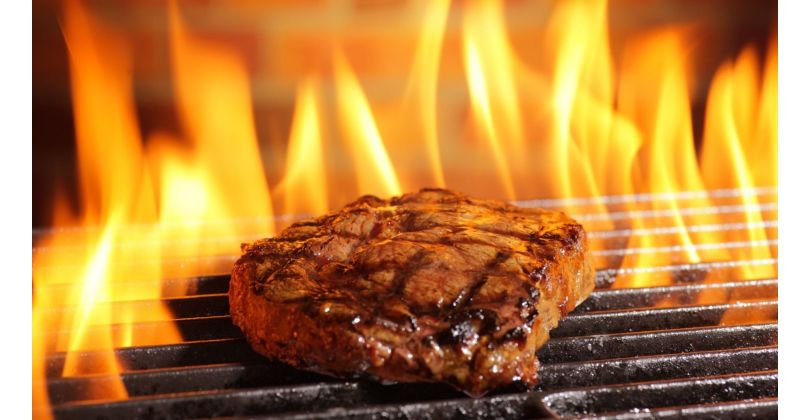
Medium rare grilled Iberico Secreto with fig-chili sauce and mint

Nice to know: The Iberian pig, also known as "Iberico", is a breed of pig that is common in the Iberian Peninsula, especially in Spain and Portugal. This breed is famous for its excellent meat quality and high fat content, especially intramuscular fat, which gives the meat a unique taste and tender texture.


Characteristics of the Iberian pig:

Origin: The breed originates from the region of the Iberian Peninsula and has a long history that dates back to ancient times. Ibérico pigs are uniquely adapted to the conditions and climate of this region.
Diet: The Iberian pig is often kept in free-range conditions and moves in spacious pastures. This contributes to high-quality meat production. Eating acorns in season gives the meat its special flavor.

Meat quality: The meat of the Iberian pig is known for its marbling, which results in a rich, full-bodied flavor. Particularly high-quality cuts such as "Jamón Ibérico" (air-dried ham) are highly sought after internationally and contribute to the high reputation of this breed of pig.

Cultural importance: In Spain and Portugal, the Iberian pig plays a central role in gastronomy. The products made from this pig are an important part of the traditional cuisines of both countries.

Health aspects: The fat of the Iberian pig, especially the intramuscular fat, contains high levels of monounsaturated fatty acids, which are considered healthier than saturated fats. This contributes to the positive perception of Iberian ham.

Grilled pluma with sautéed and caramelized zest and grilled peppers
Loading...
1178 view(s) 6 min read

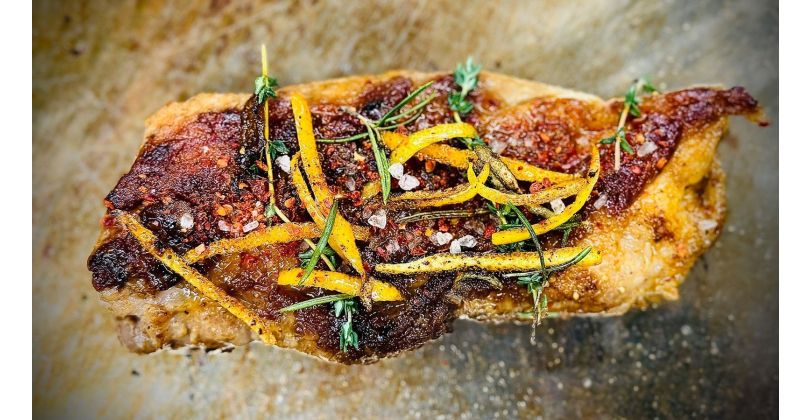
Grilled pluma with sautéed and caramelized zest and grilled peppers

Grilled pluma with sautéed and caramelized zest and grilled peppers

Pluma is a delicious cut of meat from the Iberian pig that comes from the shoulder. Here is a simple recipe to prepare pluma:

Ingredients for 2 people
500 g Iberian pluma
2-3 tablespoons olive oil
3-4 cloves garlic, finely chopped
1 teaspoon paprika (smoked or sweet depending on your preference)
Salt (coarse grain) and pepper to taste
Fresh herbs (e.g. rosemary or thyme)
1-2 tablespoons balsamic vinegar (optional)
1 piece of green and yellow pepper
1 lime and 1 orange (for the juice) and the zests

Preparation:


Prepare the meat: Dry the pluma well and then season with salt and pepper.
Marinade: Mix olive oil, chopped garlic, paprika and balsamic vinegar if you like in a bowl. Put the meat in the marinade and leave it in the fridge for at least 30 minutes (or better yet, a few hours).


Grilling or roasting:

Grilling: Preheat the grill to medium heat (indirect) or on a plancha. Grill the pluma for about 4-5 minutes on each side until it has a nice crust and remains tender on the inside. Now grill the split peppers on the grill and give them a real roasted aroma, finally seasoning with a little coarse salt.

Roasting: Heat a pan over medium heat and add a little olive oil. Fry the pluma for 4-5 minutes on each side until it is cooked but not cooked through. Briefly fry the zest of the citrus fruit and later spread it over the meat.

Resting time: After roasting, let the meat rest for 5-10 minutes so that the juices can settle.

Serving: Cut into thin slices and sprinkle with fresh herbs and squeeze a lime and 1 orange over the top. Spread the fried zest over the meat and garnish with orange and lime slices.

Side dishes: Pluma goes well with grilled vegetables such as peppers, a side dish of potatoes or a fresh salad. A delicious bread is also good for soaking up the flavors.

Copyright © 2026 meat4you. All rights reserved.