
Loading...
1024 view(s)
8 min read
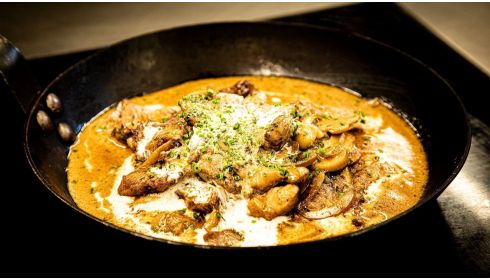
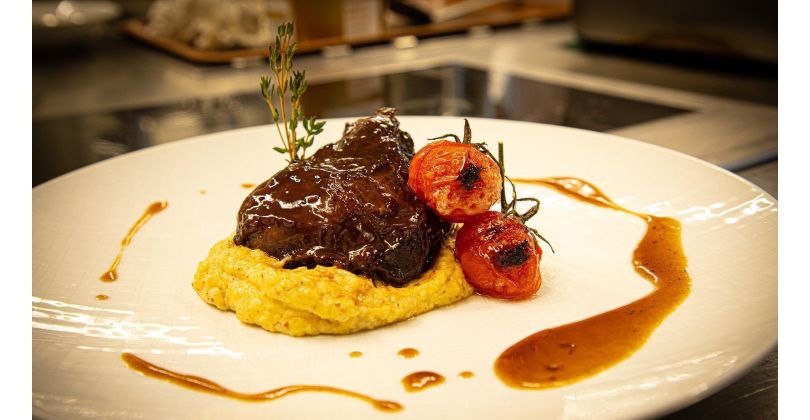
Marinated and braised calf cheeks in port wine jus on celery puree and caramelised cherry tomatoes
The dish has experienced something of a renaissance in recent years as more and more people are interested in slow food and the use of whole animals.
In many modern restaurants and taverns, calf cheeks is now offered as a gourmet dish that takes up the tradition of sustainable and respectful animal use.
Another interesting aspect of the history of this dish is the cultural significance it has in different countries.
In many regions of Europe, especially in France, Italy but also in Switzerland, similar dishes are also popular, which shows how deeply rooted the tradition of offal and by-products is in European cuisine. In Switzerland, the dish is often accompanied by side dishes such as potatoes and vegetables, making it a popular choice for a hearty and nutritious meal.
Due to the rediscovery of traditional cooking skills and the increasing popularity of regional products, the dish "calf cheek" is finding more and more recognition and space on the menus of modern kitchens.