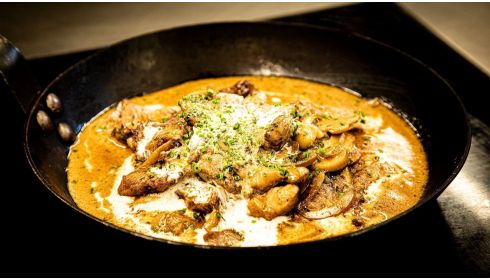
Ingredients for 4 people
For the Porchetta
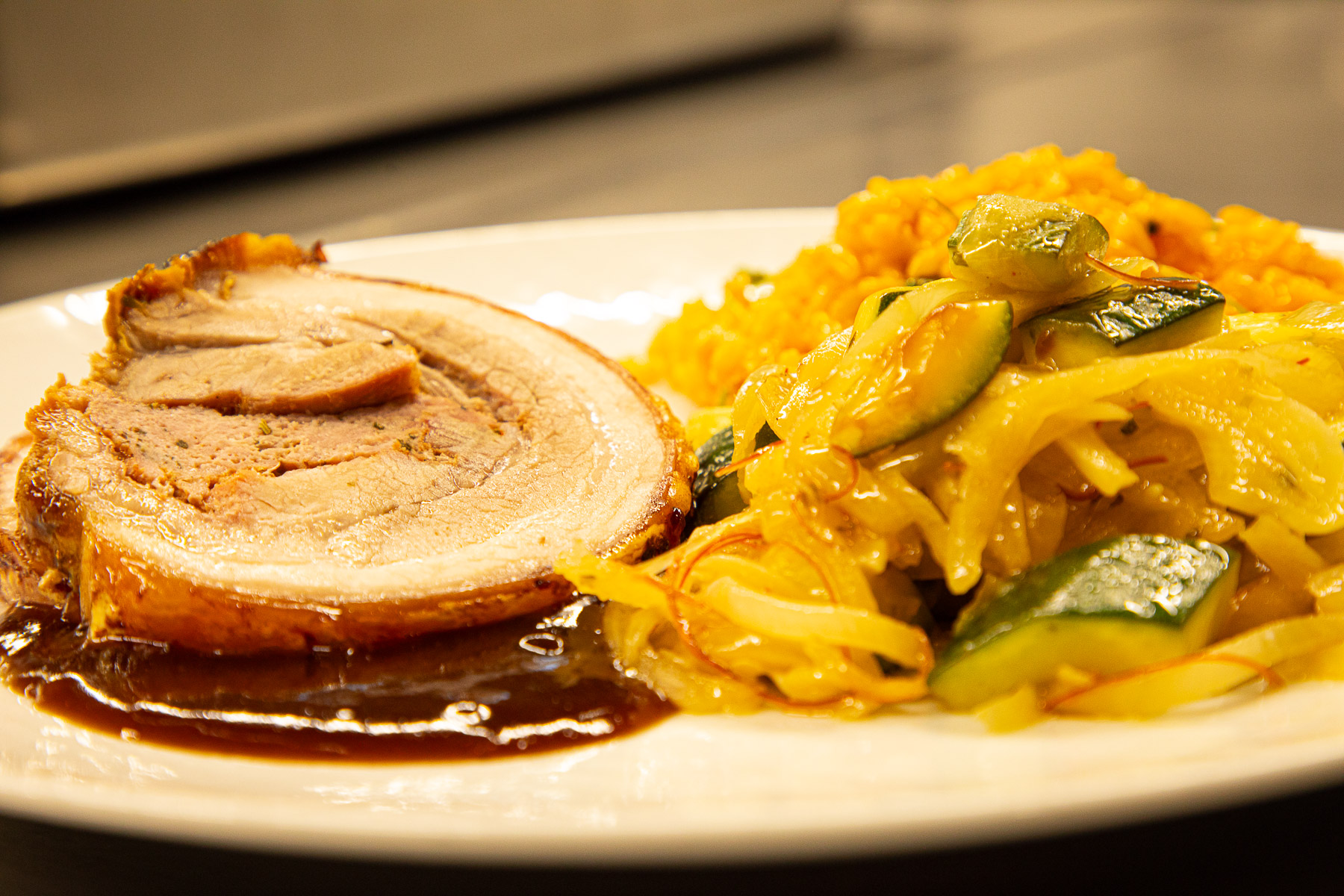
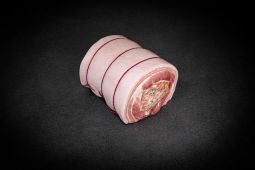
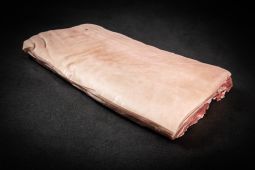
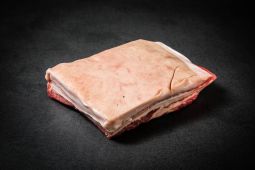
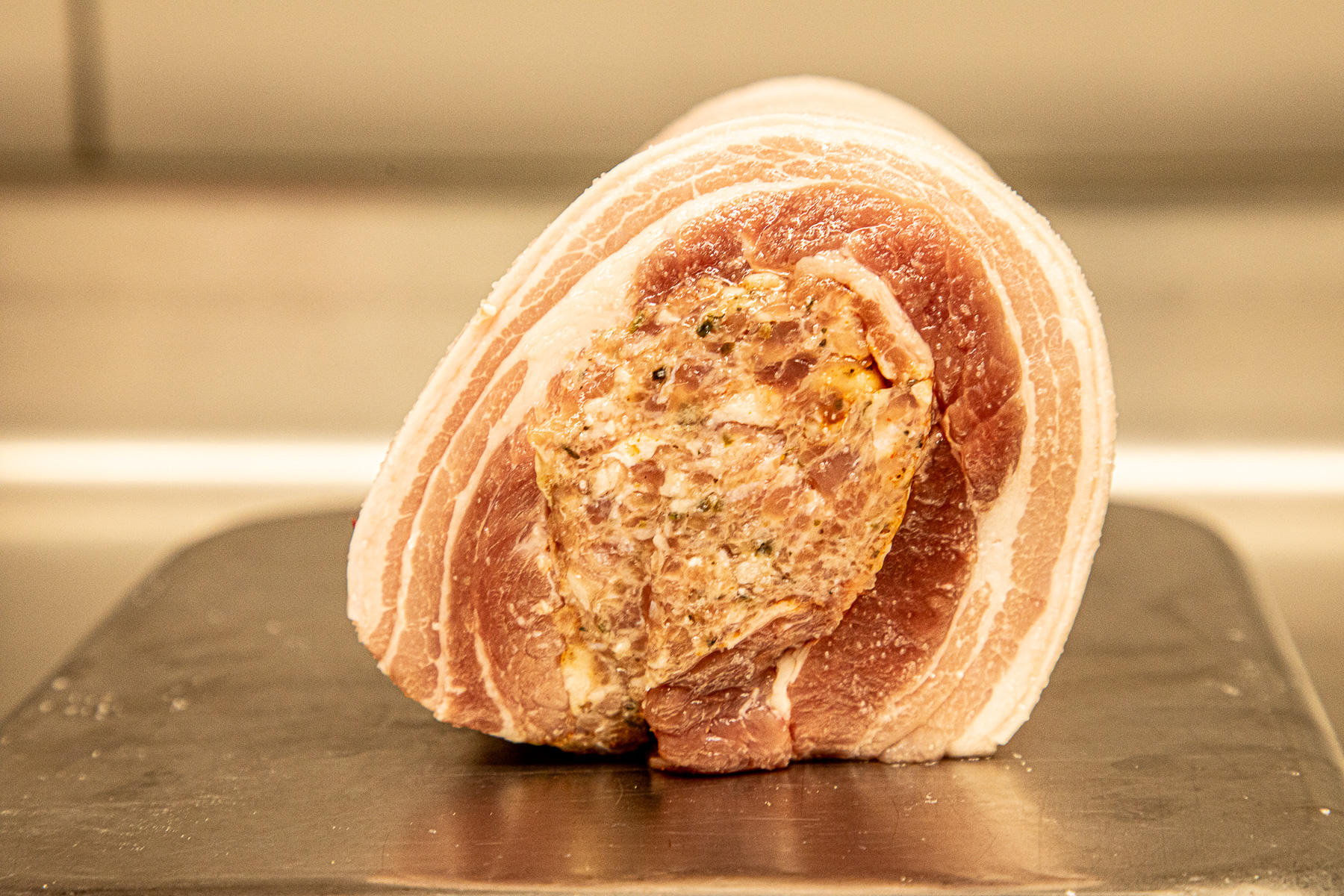
1.3 kg porchetta (rolled pork belly filled with rind)
coarse salt
a little oil
For the Tomato and Purslane Risotto
300 g risotto rice
1 shallot, finely diced
1 clove garlic, finely chopped
2 tbsp olive oil
100 ml white wine
approx. 1 l hot vegetable stock
200 g chopped tomatoes
2 tbsp butter
50 g grated Parmesan cheese
1 handful fresh purslane
salt, pepper
For the Braised Onion and Zucchini Vegetables
1 zucchini
2 large onions
2 tbsp olive oil
salt, pepper
1 pinch of sugar
a little thyme (optional)
For the Red Wine Reduction
250 ml red wine
1 shallot, finely diced
1 1 teaspoon sugar
1 sprig rosemary
1 tablespoon cold butter
Salt, pepper
Preparing
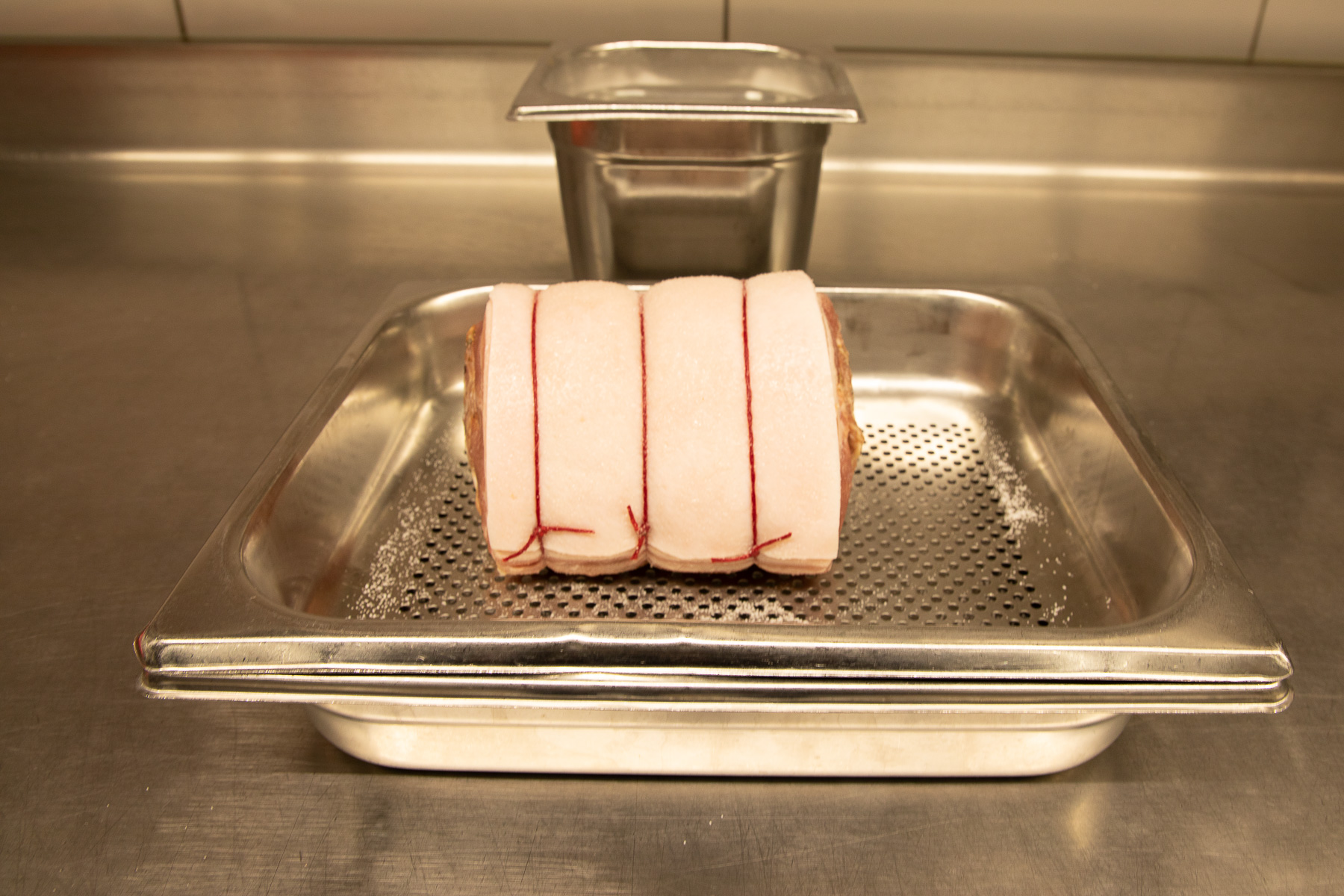
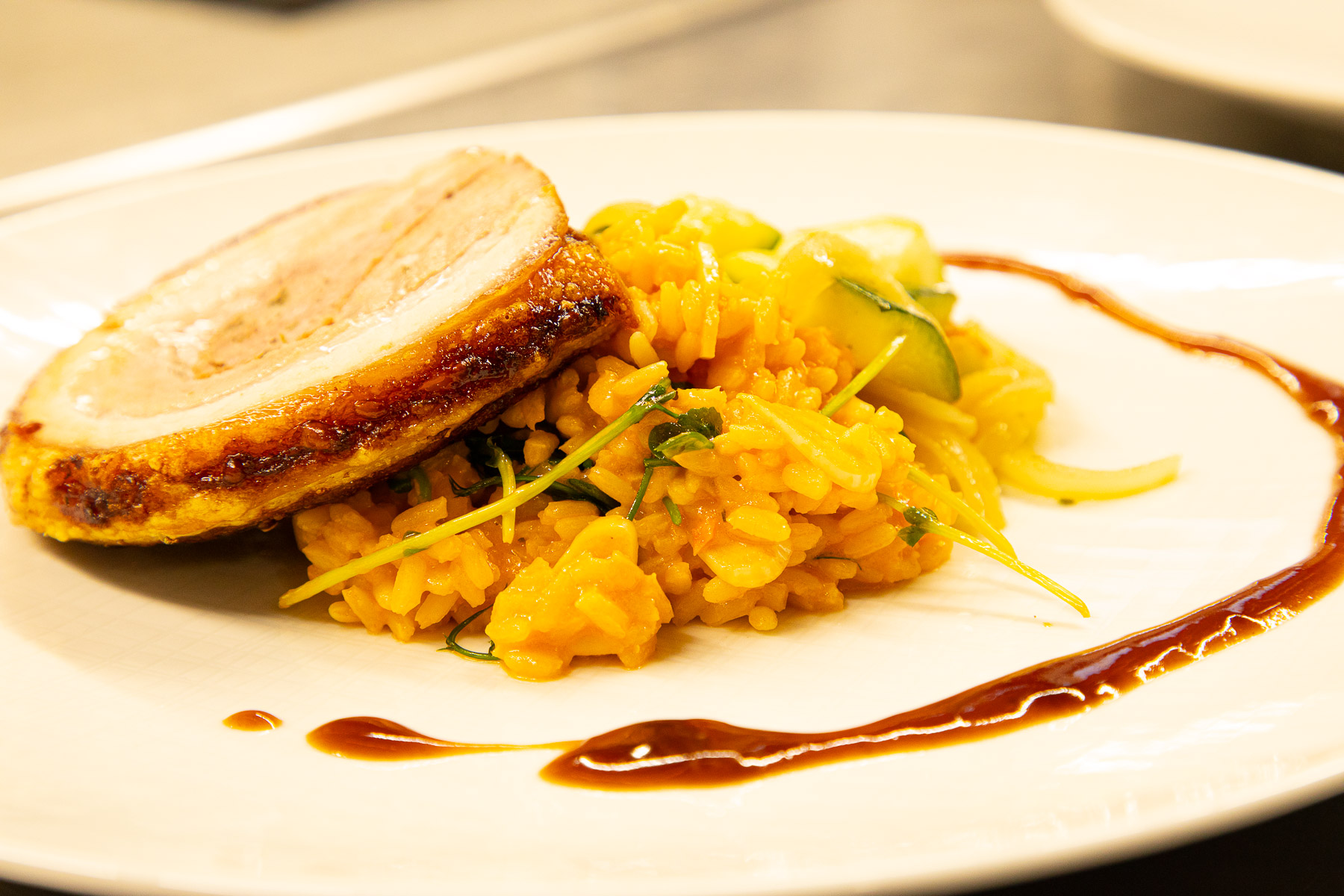
Preparing the porchetta the day before: Remove the porchetta from the refrigerator and packaging. Place it on a wire rack over a baking sheet. Pour boiling water over the rind to open the cuts.
Pat very dry. Generously cover all sides with salt, especially the rind. Refrigerate uncovered overnight.
Preparing the porchetta on the day of cooking: Remove from the refrigerator 1 hour before cooking. Wipe off the salt layer with a paper towel. Rub the meat with oil and season again with fresh salt.
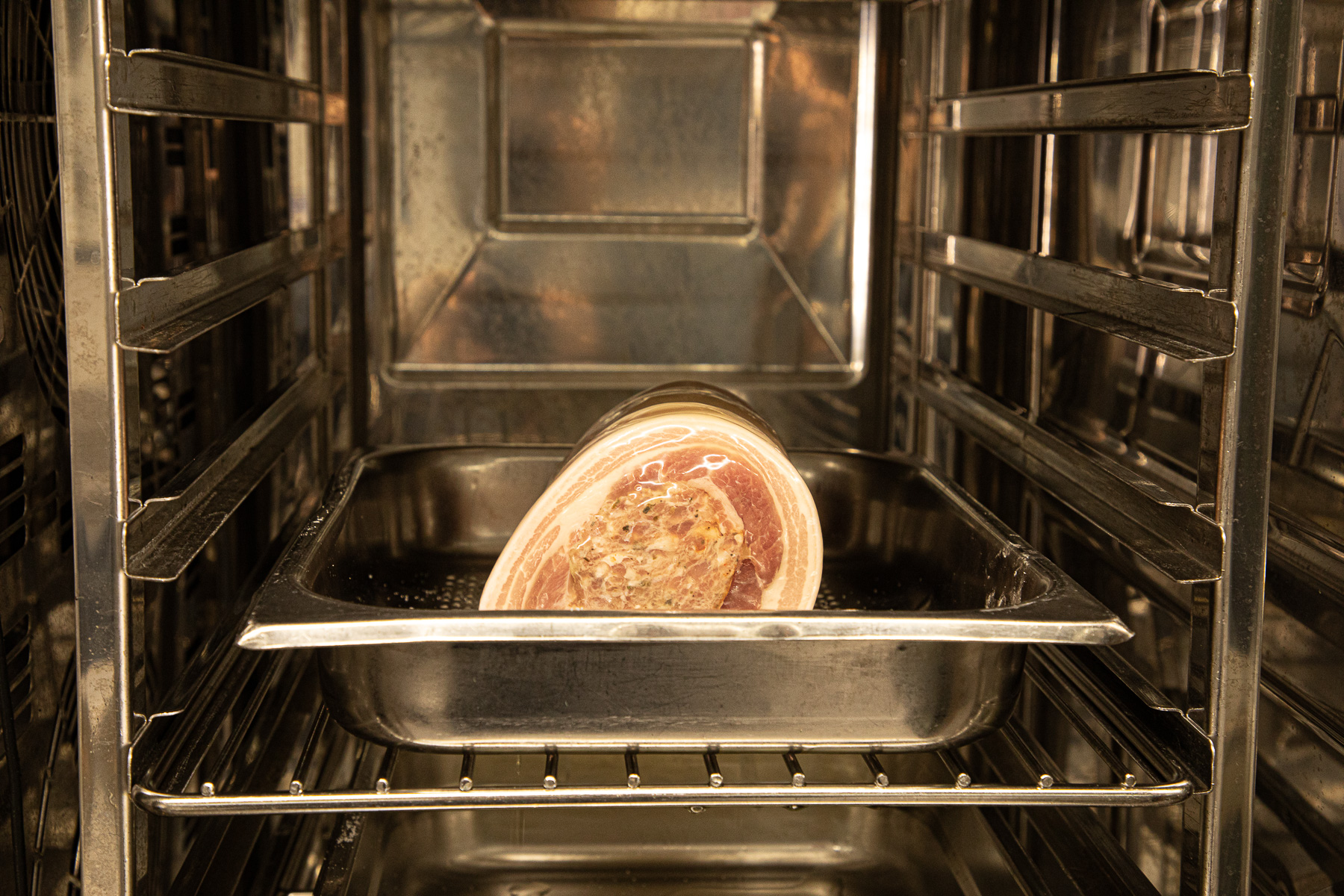
Preheat oven: 220°C (425°F) convection or 230°C (450°F) conventional.
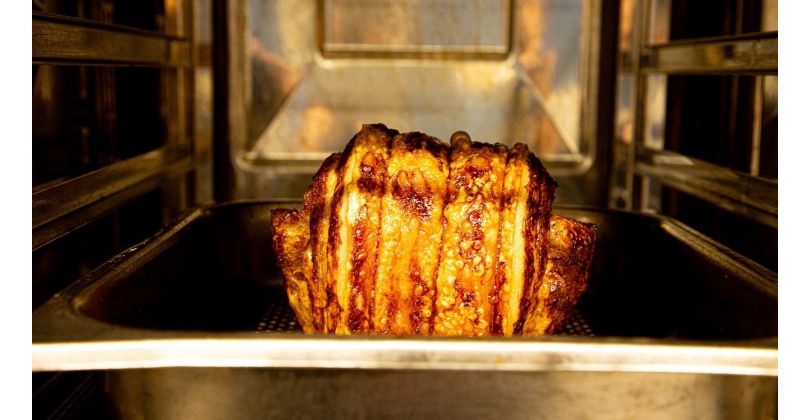
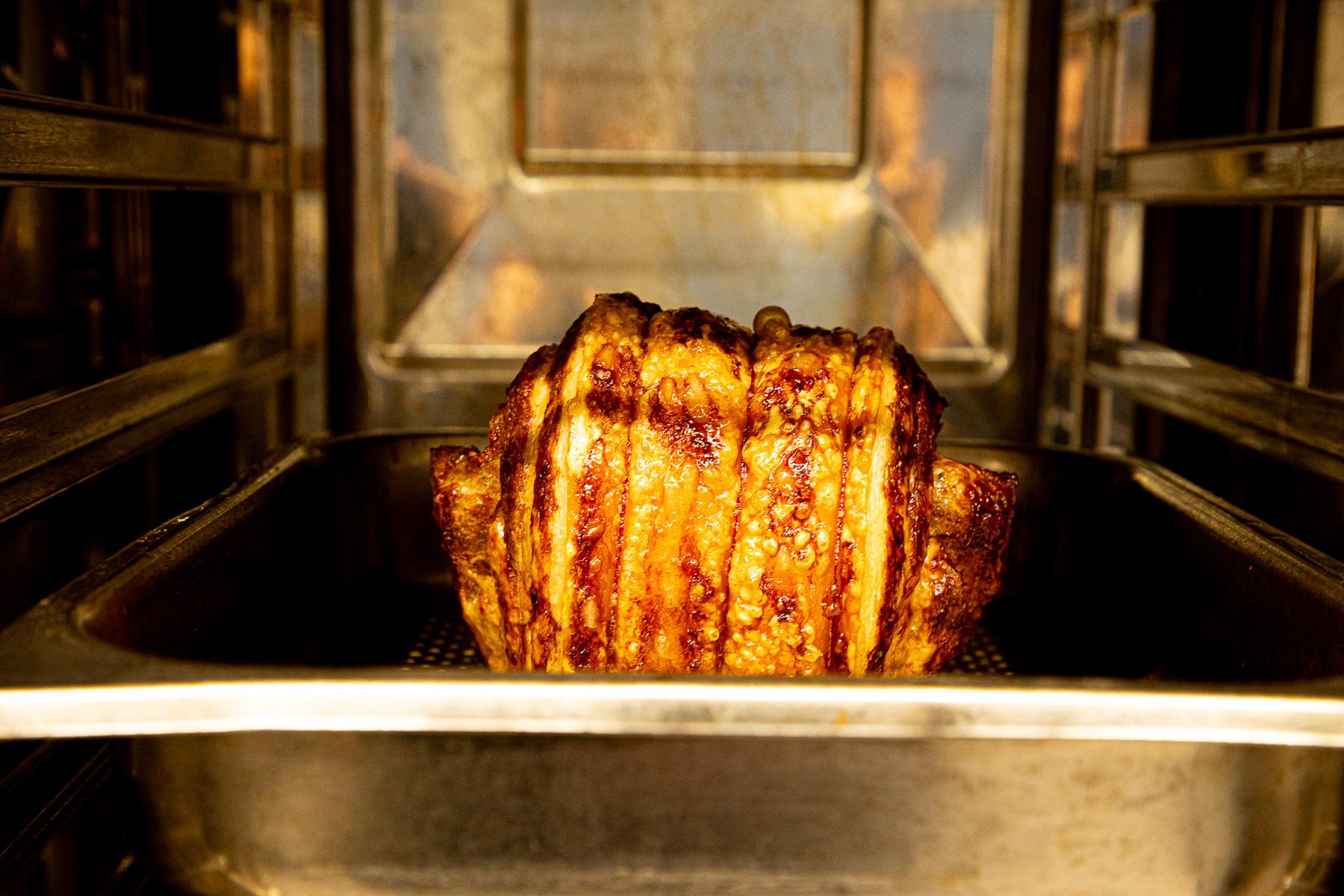
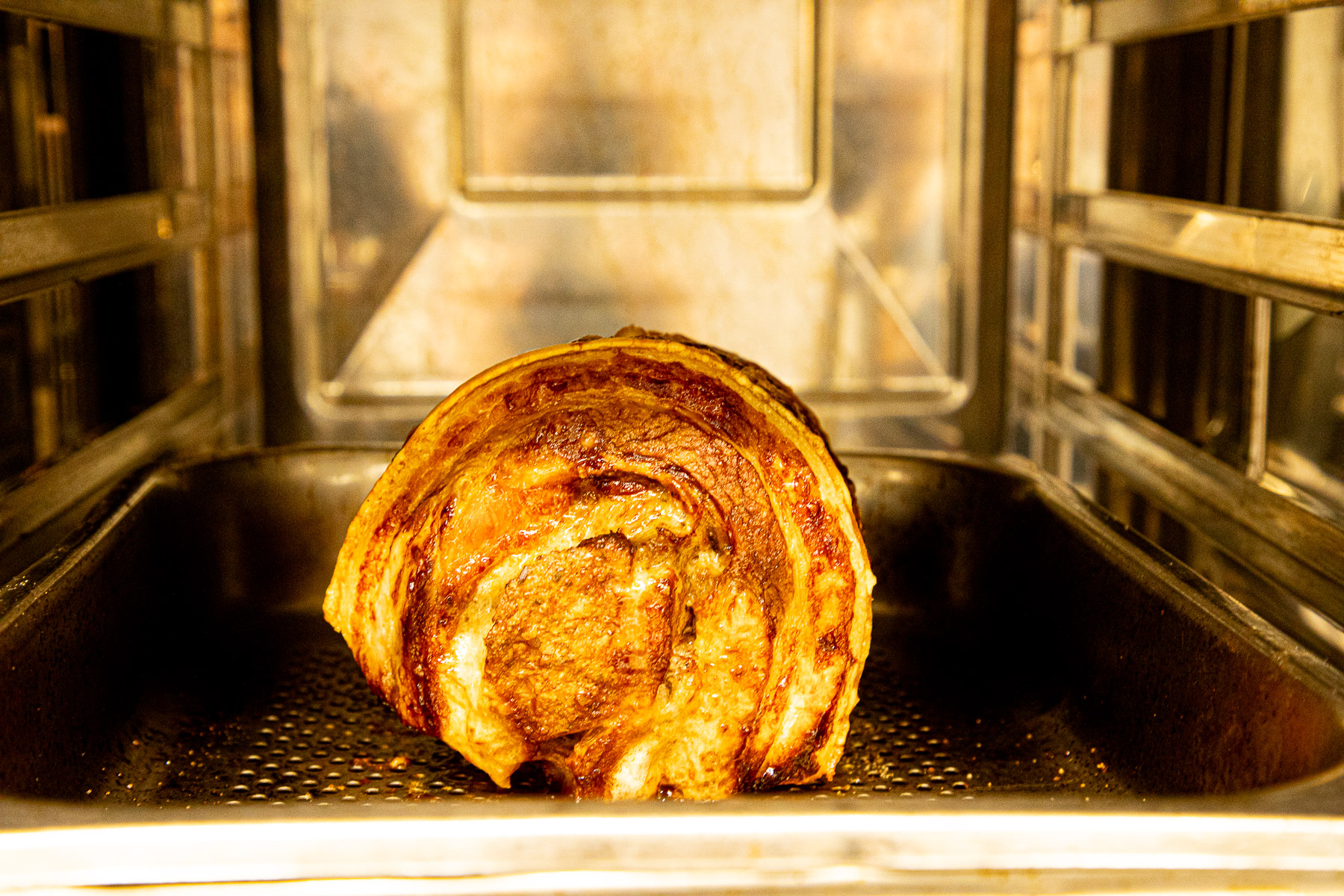
Roast the porchetta for 30 minutes to crisp the crust.
Reduce the temperature to 180°C (350°F) and continue cooking: 40 minutes per kilogram (2.2 lbs) of meat.
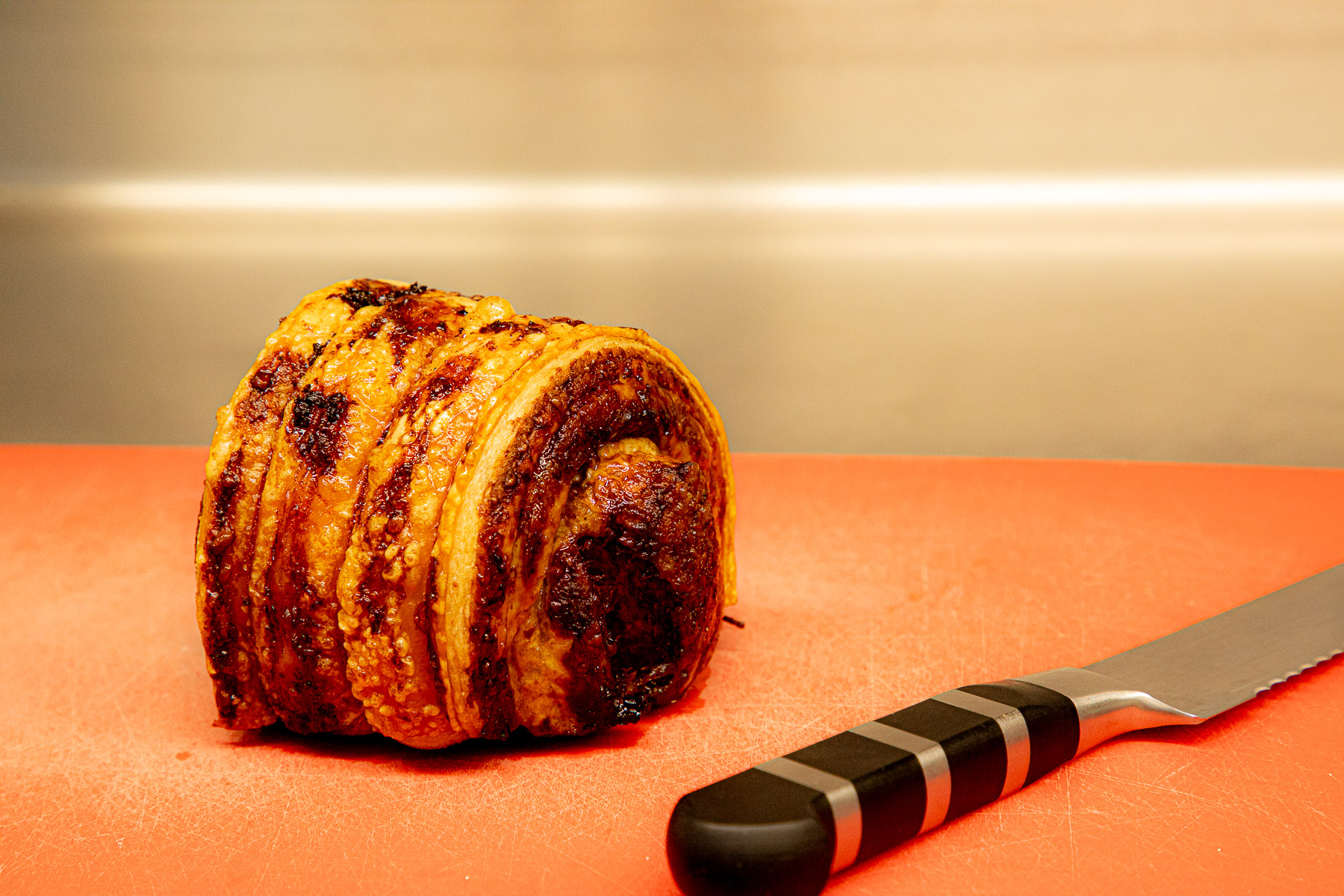
The internal temperature should reach 77°C (160°F). Remove from the oven, loosely cover with aluminum foil, and let rest for 15 minutes. Remove kitchen twine before slicing.
Guidelines: 1.5 kg → approx. 37 minutes after the first stage
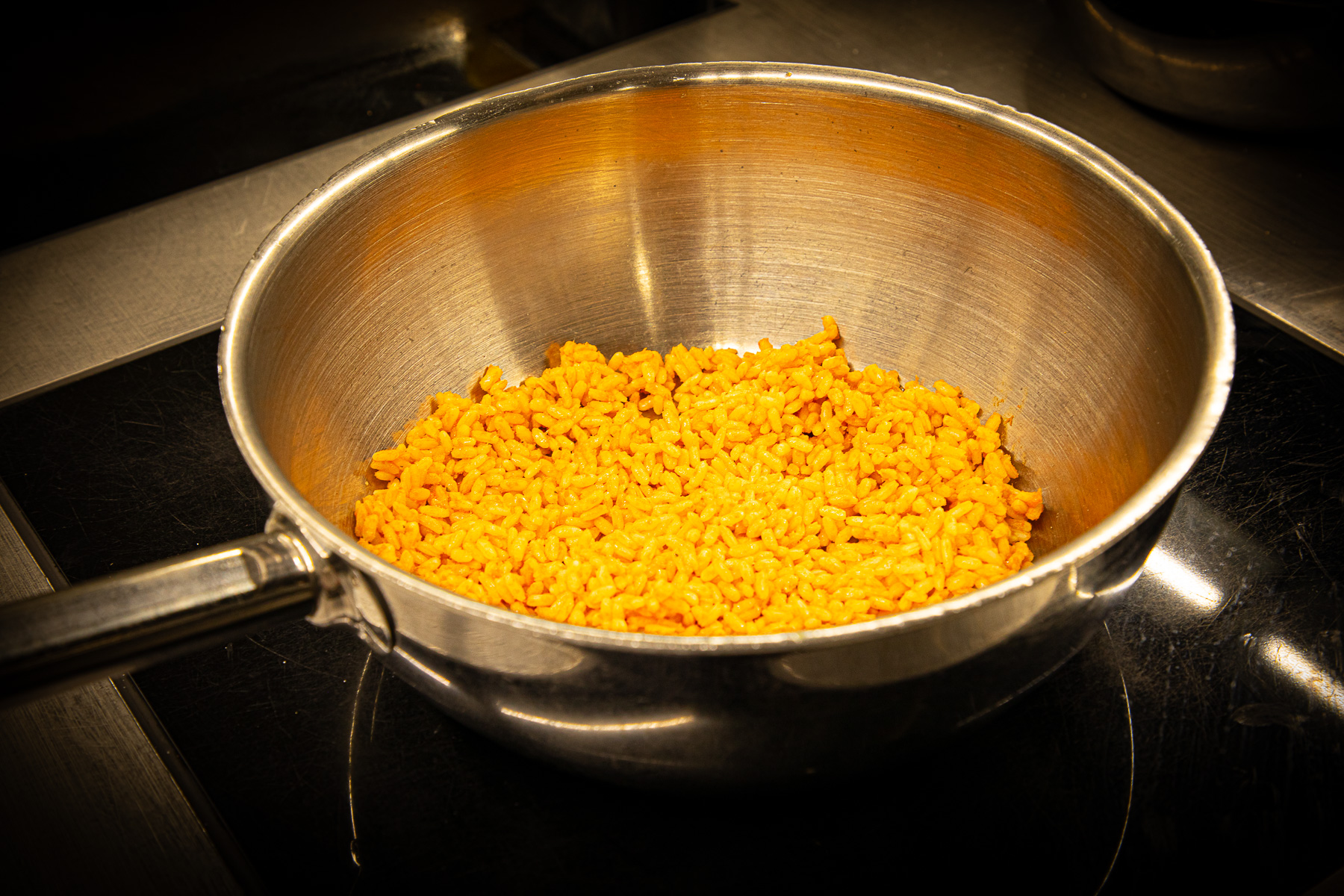
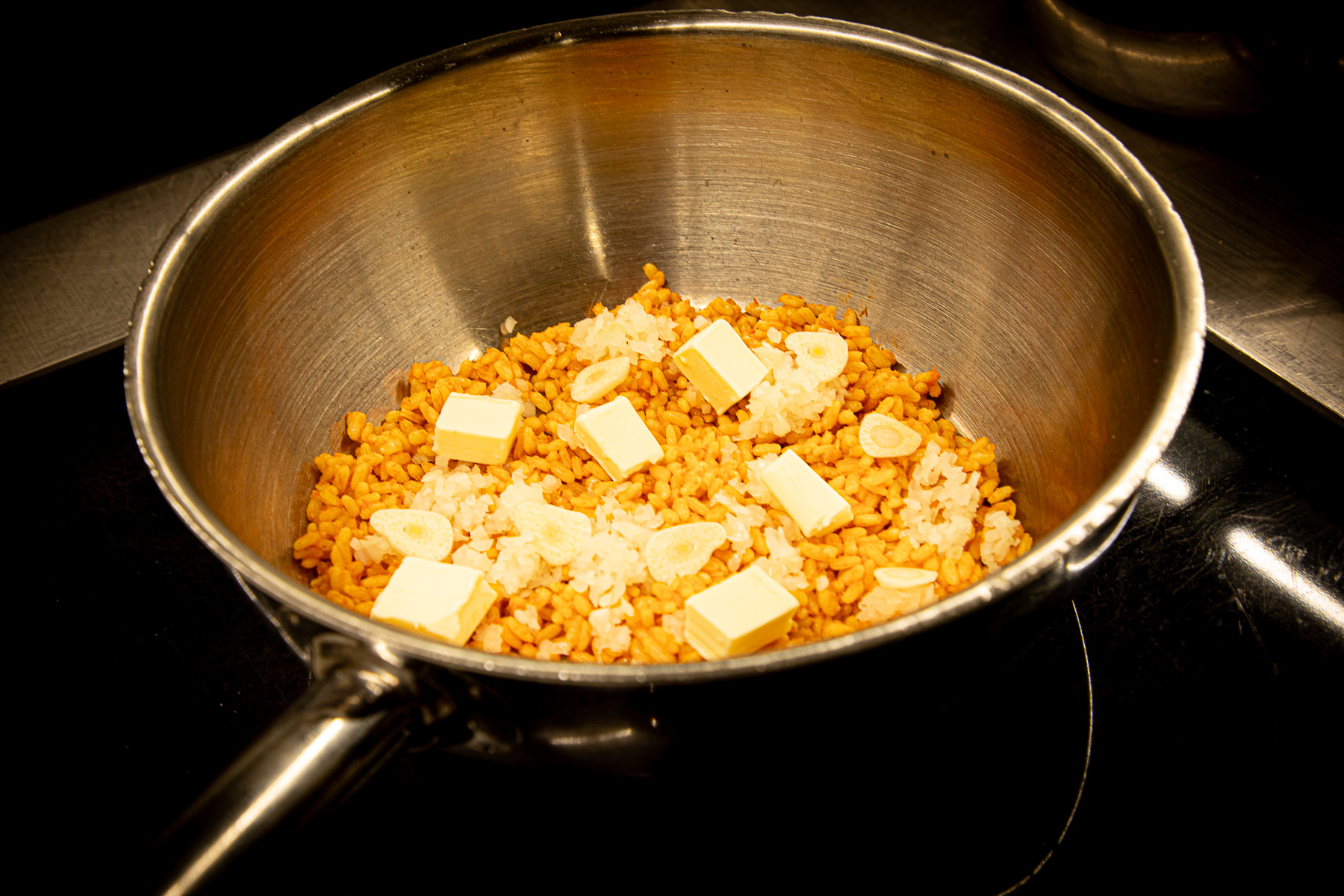
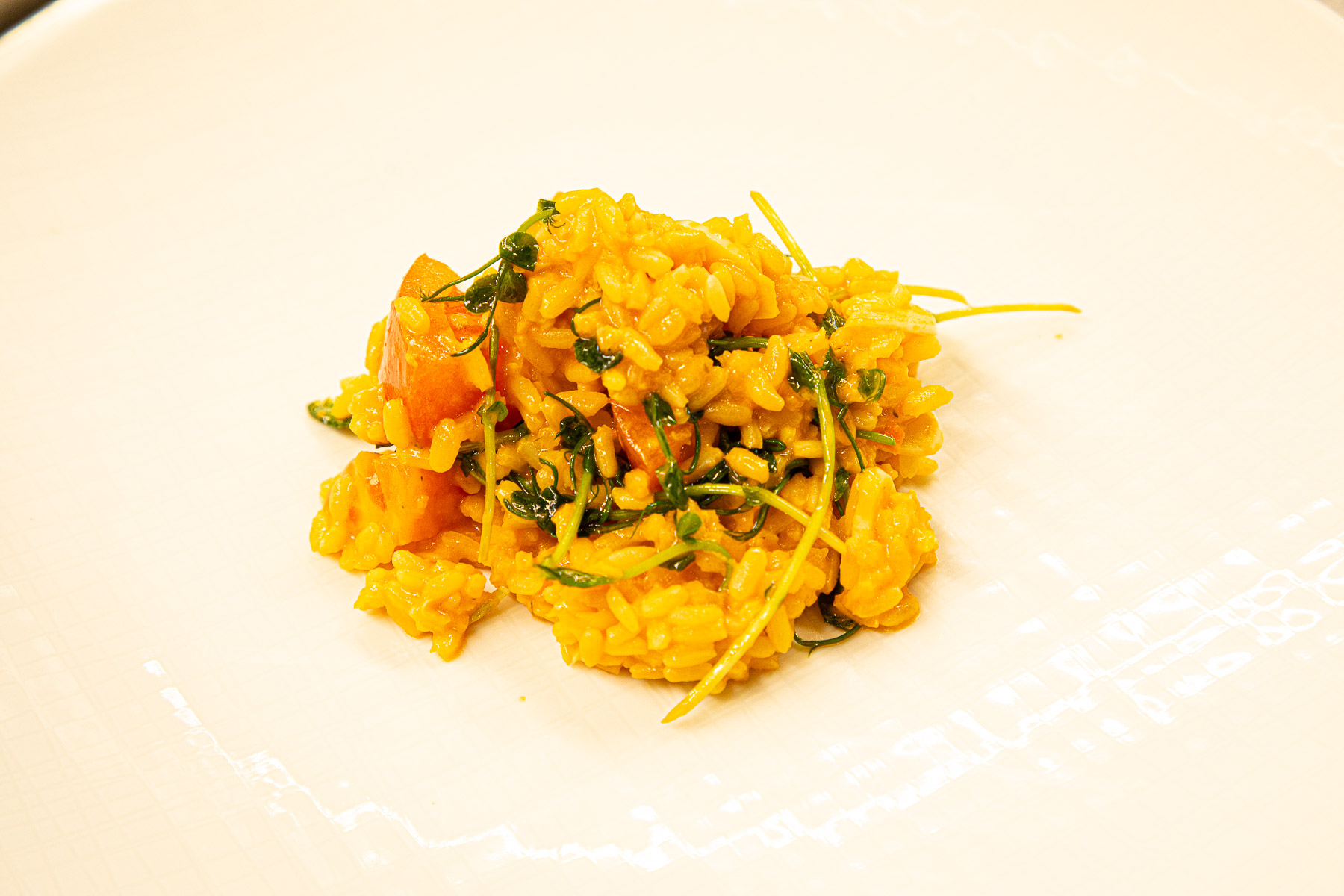
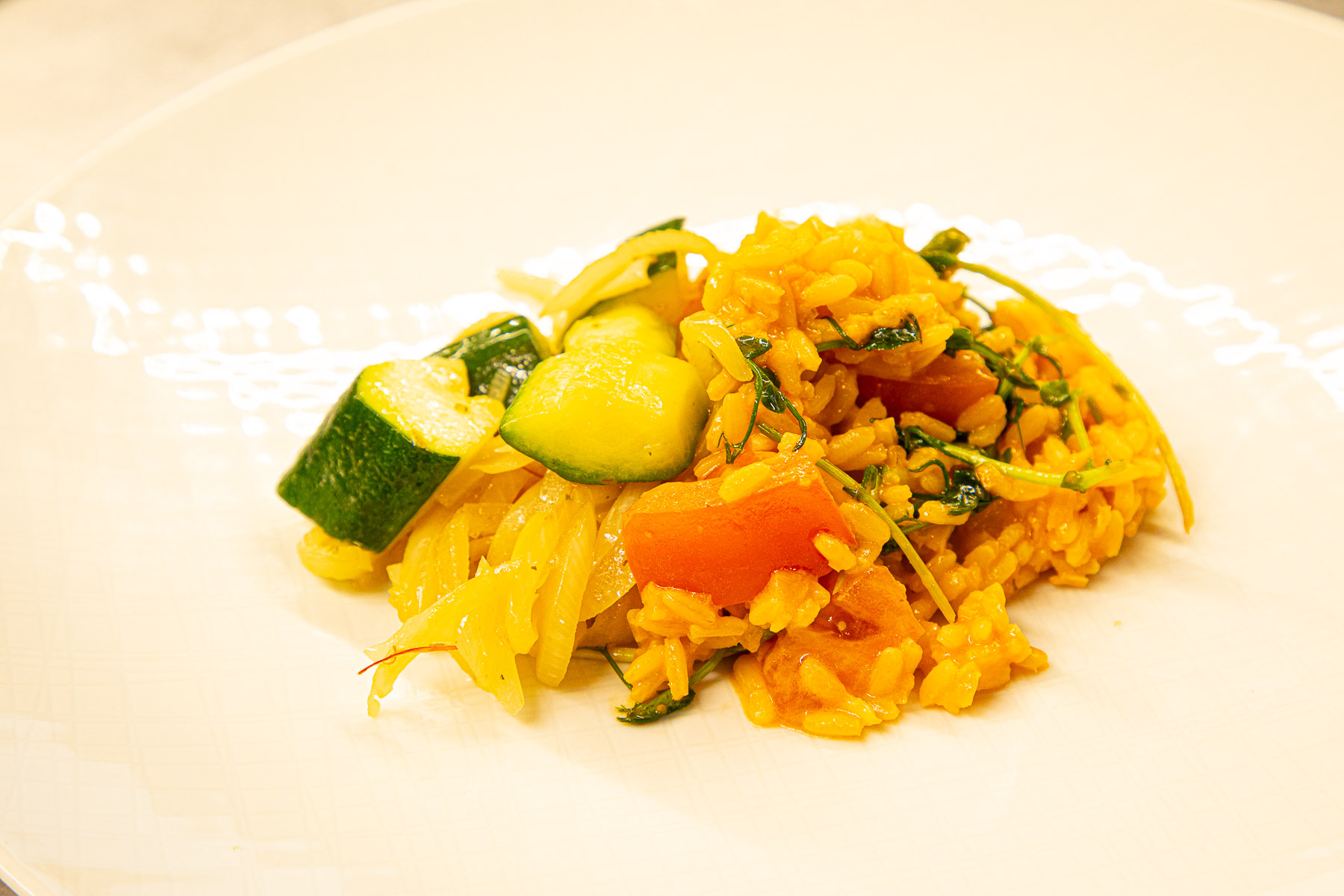
Prepare the risotto: Sauté the shallot and garlic in olive oil until translucent.
Add the rice and toast for 1-2 minutes. Deglaze with white wine.
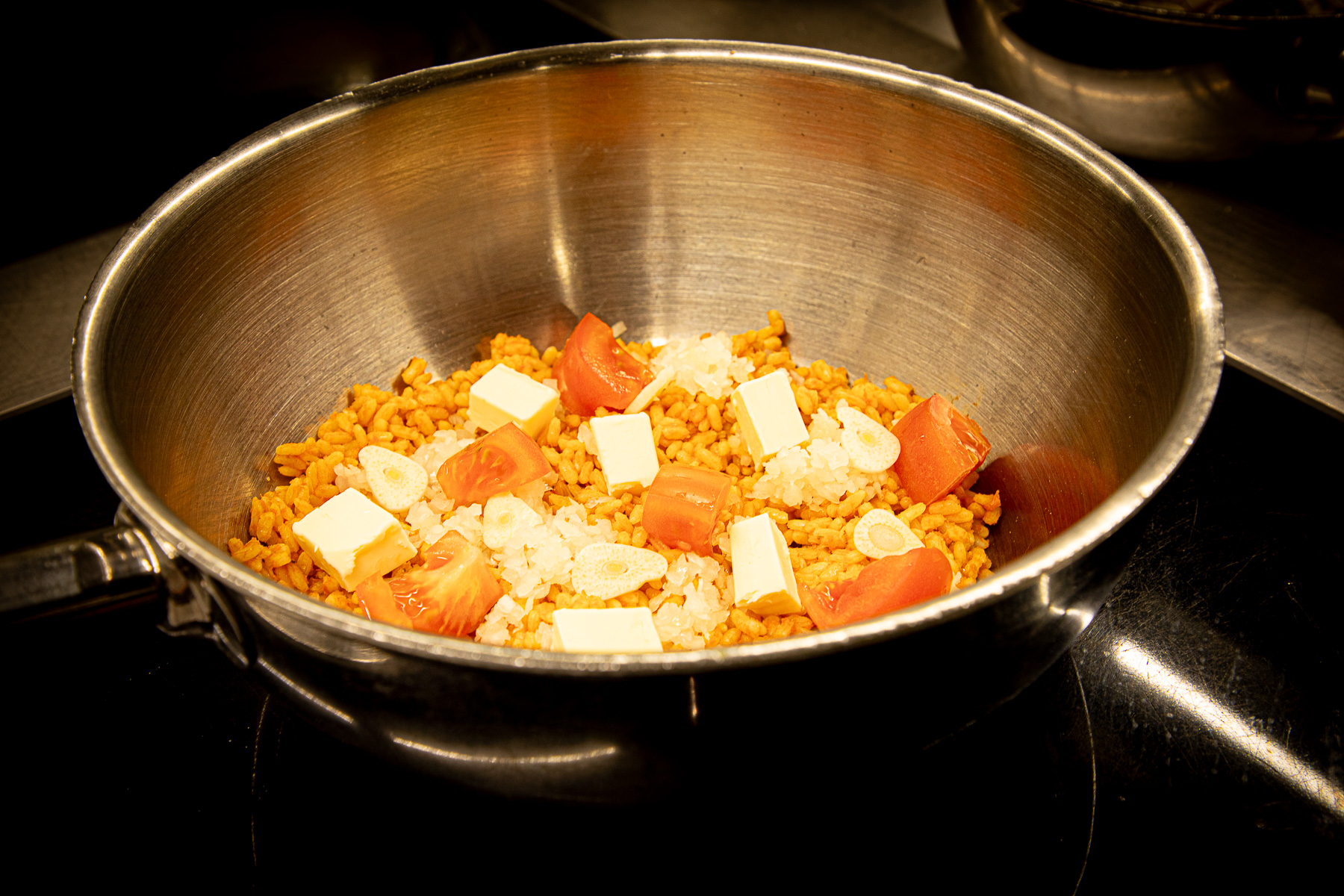
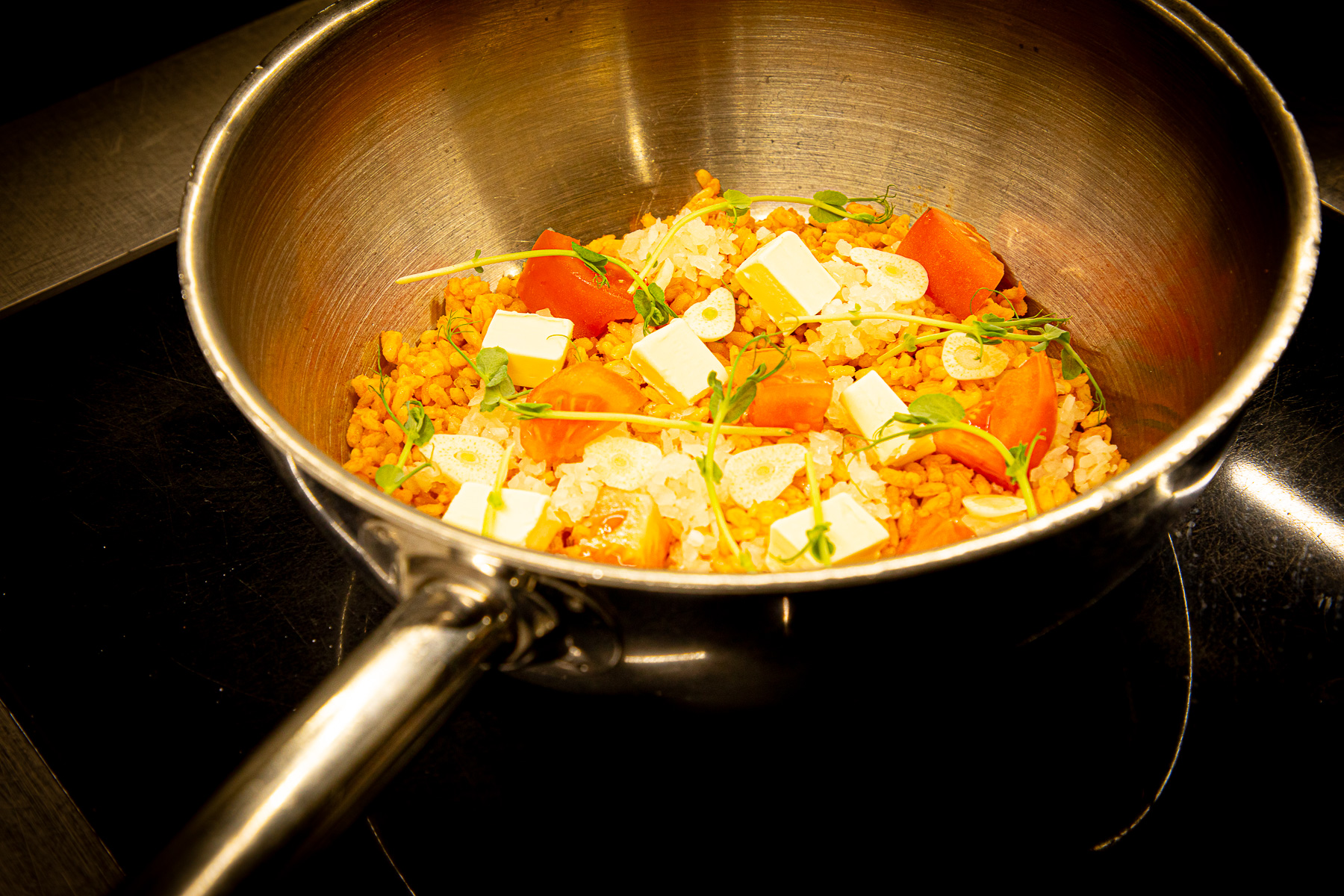
Stir in the tomatoes. Gradually add the hot stock, stirring constantly until almost all the liquid is absorbed. Cook for about 18 minutes until creamy; the rice should still have a slight bite. Stir in the butter and Parmesan cheese. Stir in the purslane just before serving. Season with salt and pepper.
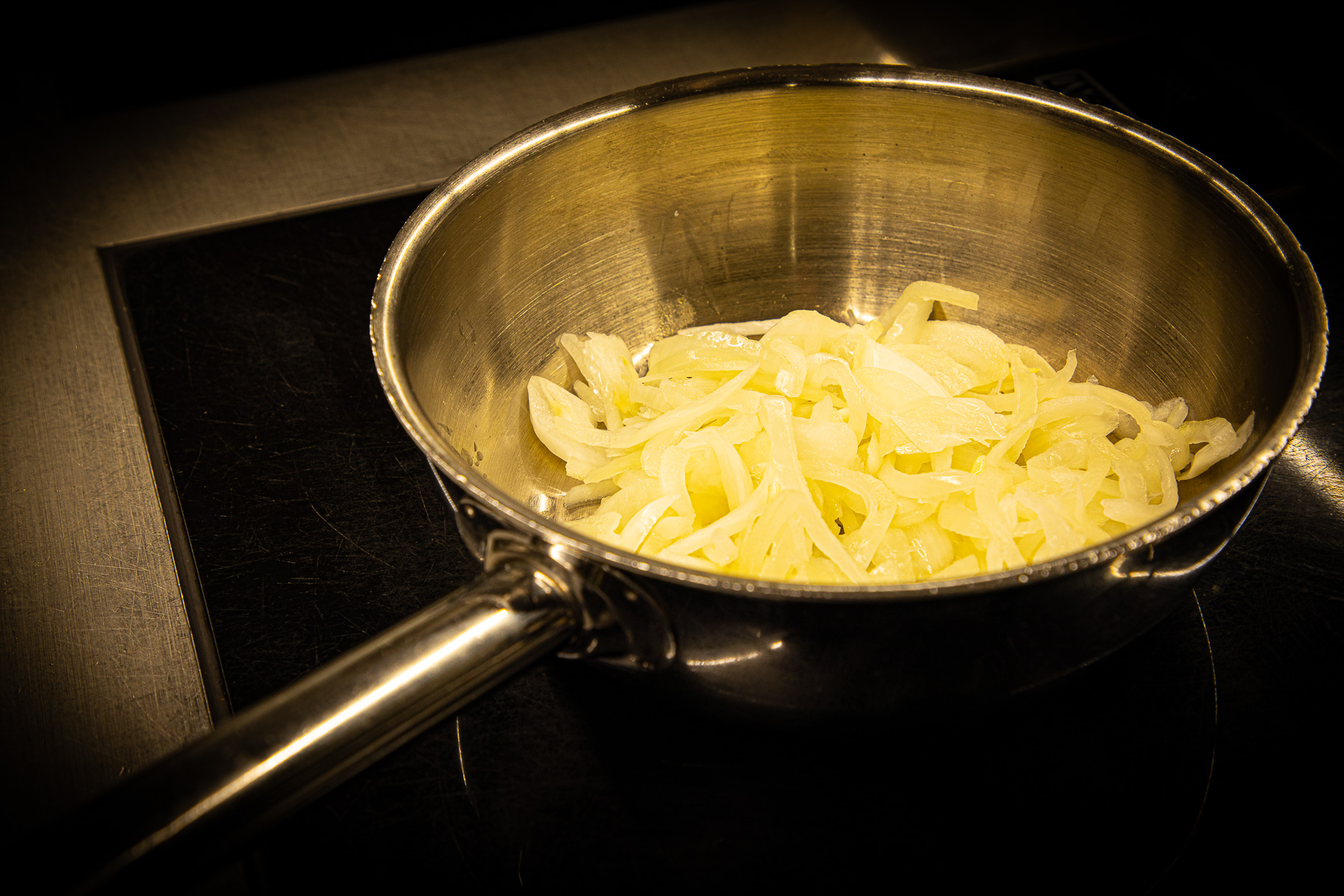
Prepare the onion and zucchini vegetables: Slice the onions and zucchini. Heat the oil and gently sauté the onions with a pinch of sugar until softened.
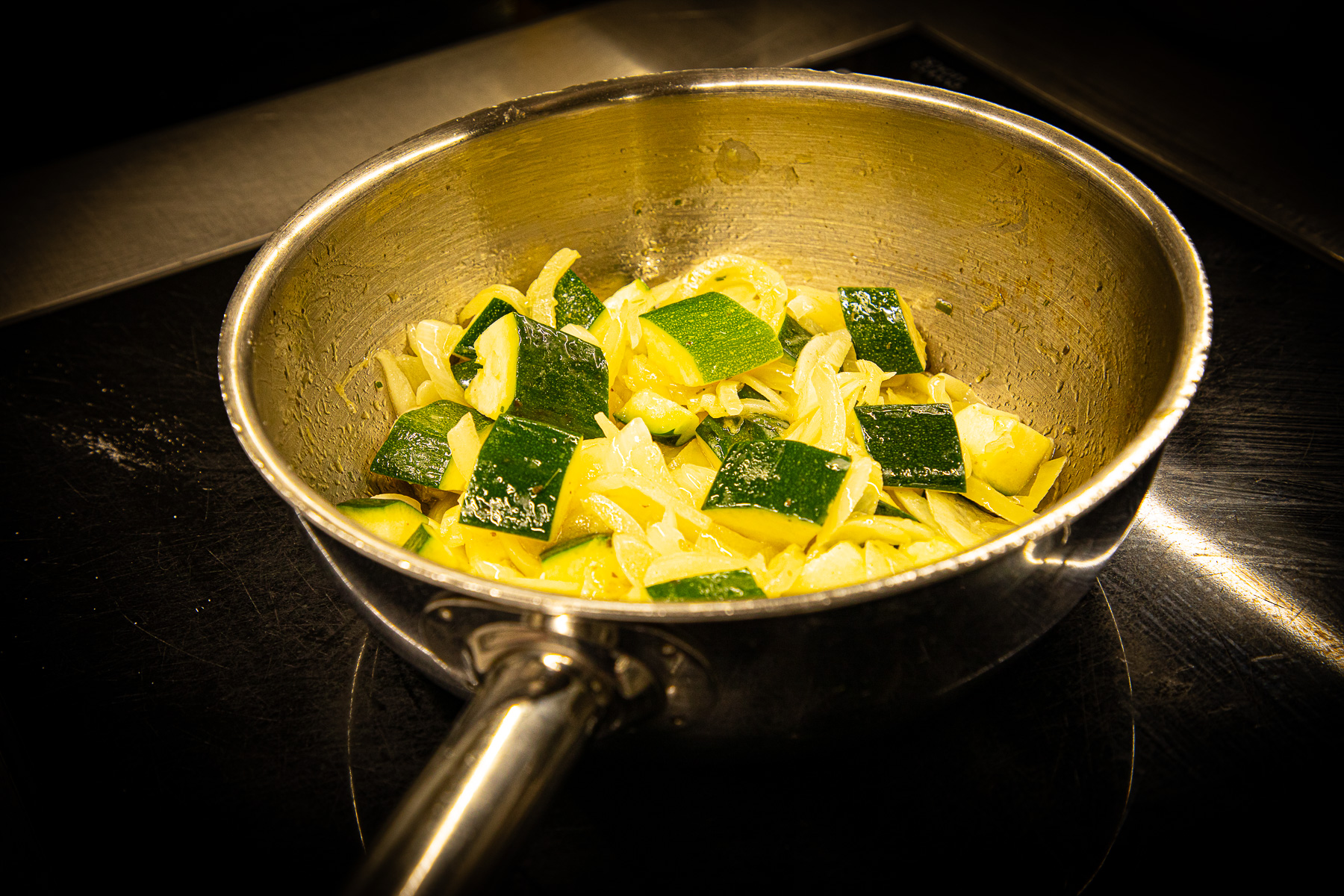
Add the zucchini and fry over medium heat until tender but still slightly firm to the bite. Season, and optionally stir in some thyme.
To make the reduction: Sauté the shallot with sugar in a small saucepan.
Deglaze with red wine. Add the rosemary and reduce by about two-thirds. Stir in cold butter until the sauce is glossy. Season with salt and pepper.
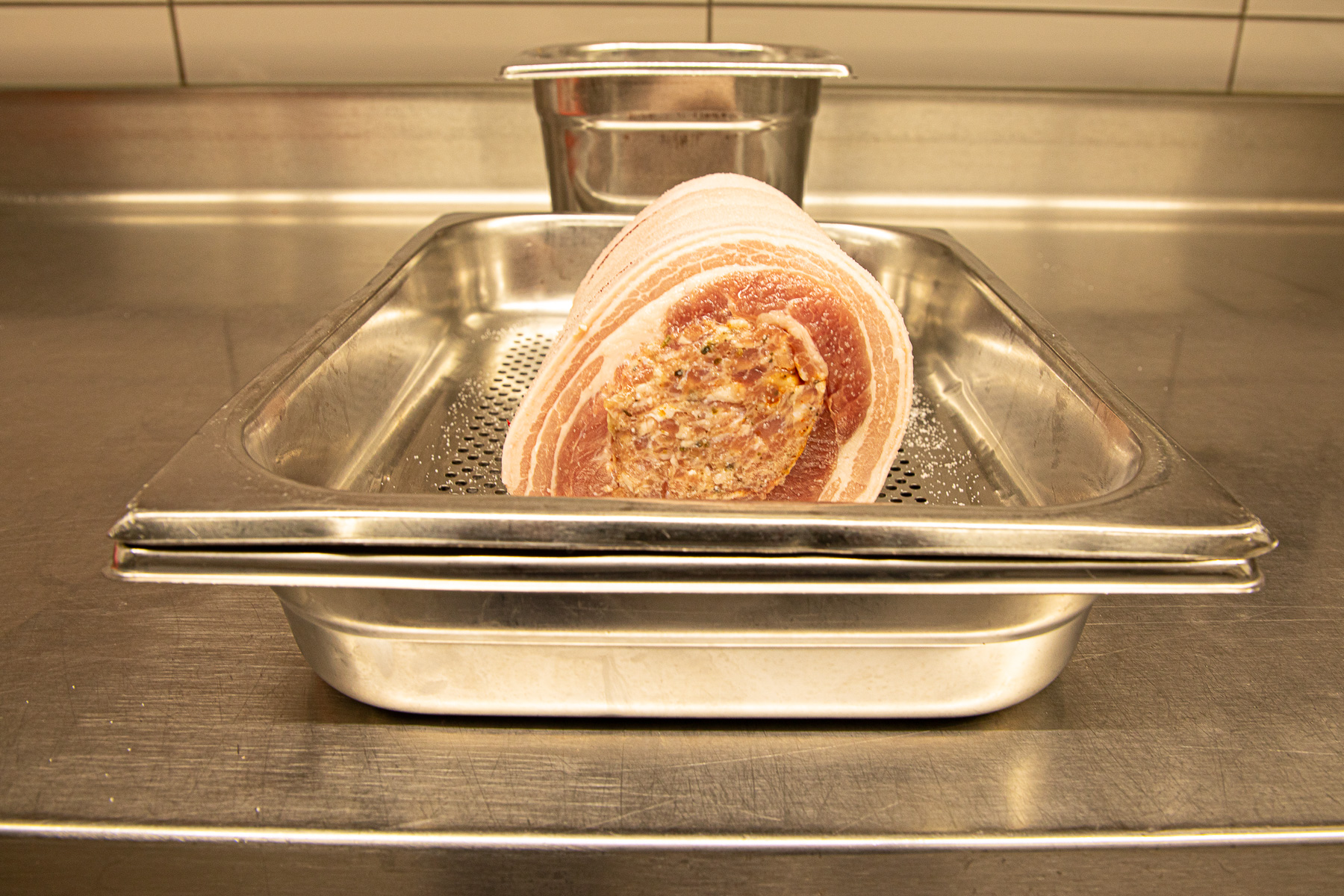
Nice to know: Porchetta is one of Italy's most traditional pork dishes and much more than just a roast; it's a celebration, street food, and a craft all in one.
Origin in Central Italy: Its roots lie in Central Italy, especially in the Lazio region around Ariccia. There, porchetta is considered a culinary symbol, and the town remains famous for its version, Porchetta di Ariccia. Historians believe that even in ancient times, pigs were stuffed with herbs on spit, possibly as early as the Roman Empire.
Pork was a staple food in rural Italy, and processing an entire animal was a sign of prosperity and community.
The principle: Whole animal, lots of patience: Traditionally, a whole, boneless pig is used. It is heavily seasoned inside, usually with:
Fennel, rosemary, garlic, pepper, and salt.
Then it is tightly rolled, tied, and slowly roasted over a wood fire. An extremely crispy rind develops on the outside, while the meat inside remains juicy and flavorful. This contrast is the very essence of porchetta.
A feast and street food in one: Porchetta was originally a festive dish at:
• Village festivals
• Weddings
• Religious celebrations
• Fairs
Over time, it became a legendary street food. Throughout Italy, you'll see stalls selling enormous porchetta rolls at markets. It is sliced thickly and often simply served in bread, without any fuss. The meat itself is the star.
Craftsmanship with pride: The preparation is traditionally a craft, often passed down through generations by specialized porchetta makers. Every family, every region has its own blend of spices; the exact recipe is often a secret.
Why porchetta is so special: Porchetta stands for:
• Nose-to-tail cuisine
• Respect for the animal
• Sharing a meal
• Patience instead of haste
• Rustic perfection