Ingredients for 5 people
1 kg Golden Coin Beef
2 liters of beef bouillon or water
2 large carrots
1 celeriac
4 onions
1 zucchini
1 dl white wine
1 leek
1 bunch of fresh parsley
2-3 sprigs of thyme
2-3 bay leaves
4 cloves
1 handful of peppercorns
4 potatoes
1-2 cloves of garlic
Mustard
Salt
Preparation:
Prepare the ingredients: Rinse the Golden Coin Beef with cold water and cut into pieces (5cm x 5cm).
Clean the carrots, celery, and leeks and chop them into large pieces. Peel the onions and finely dice them.
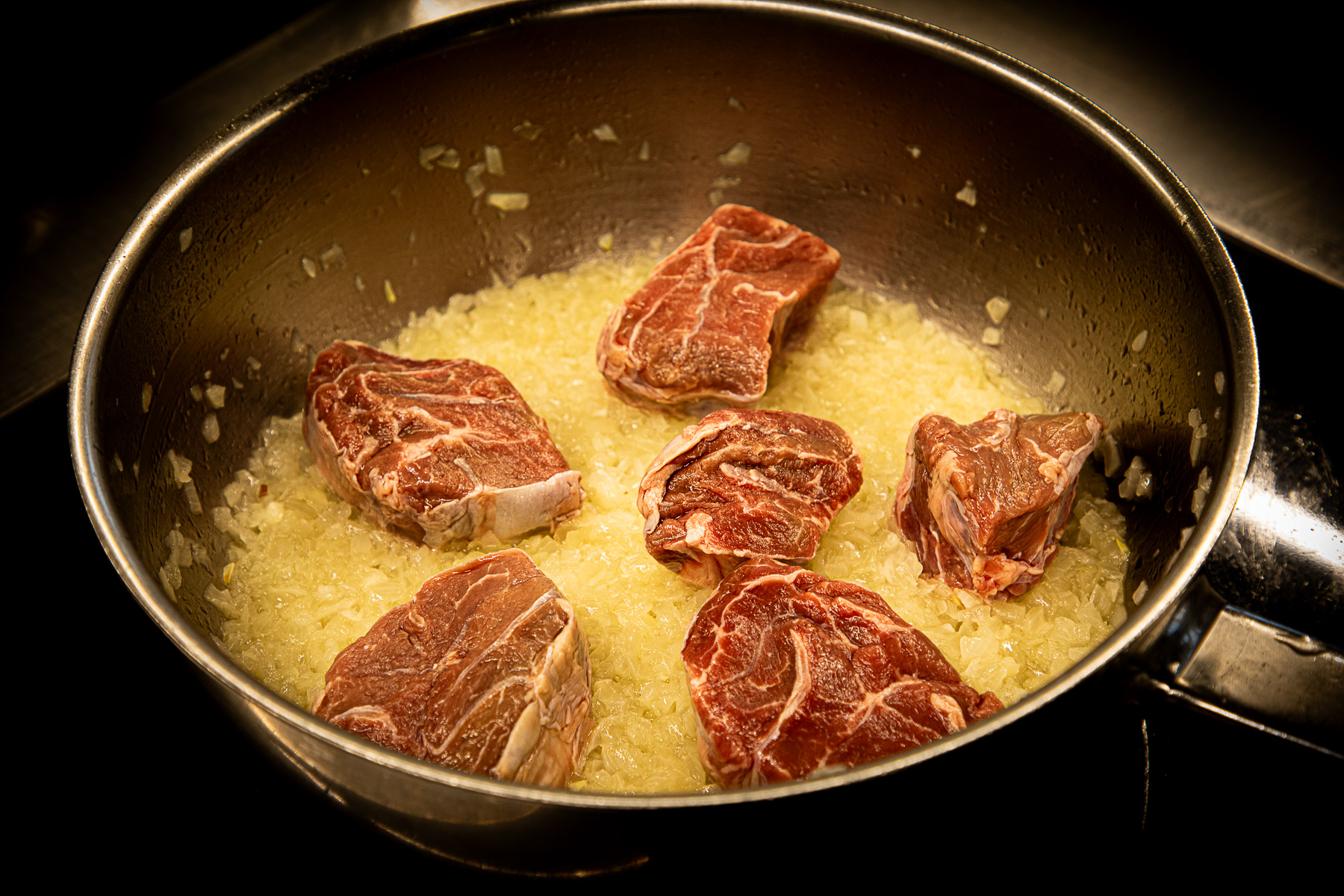
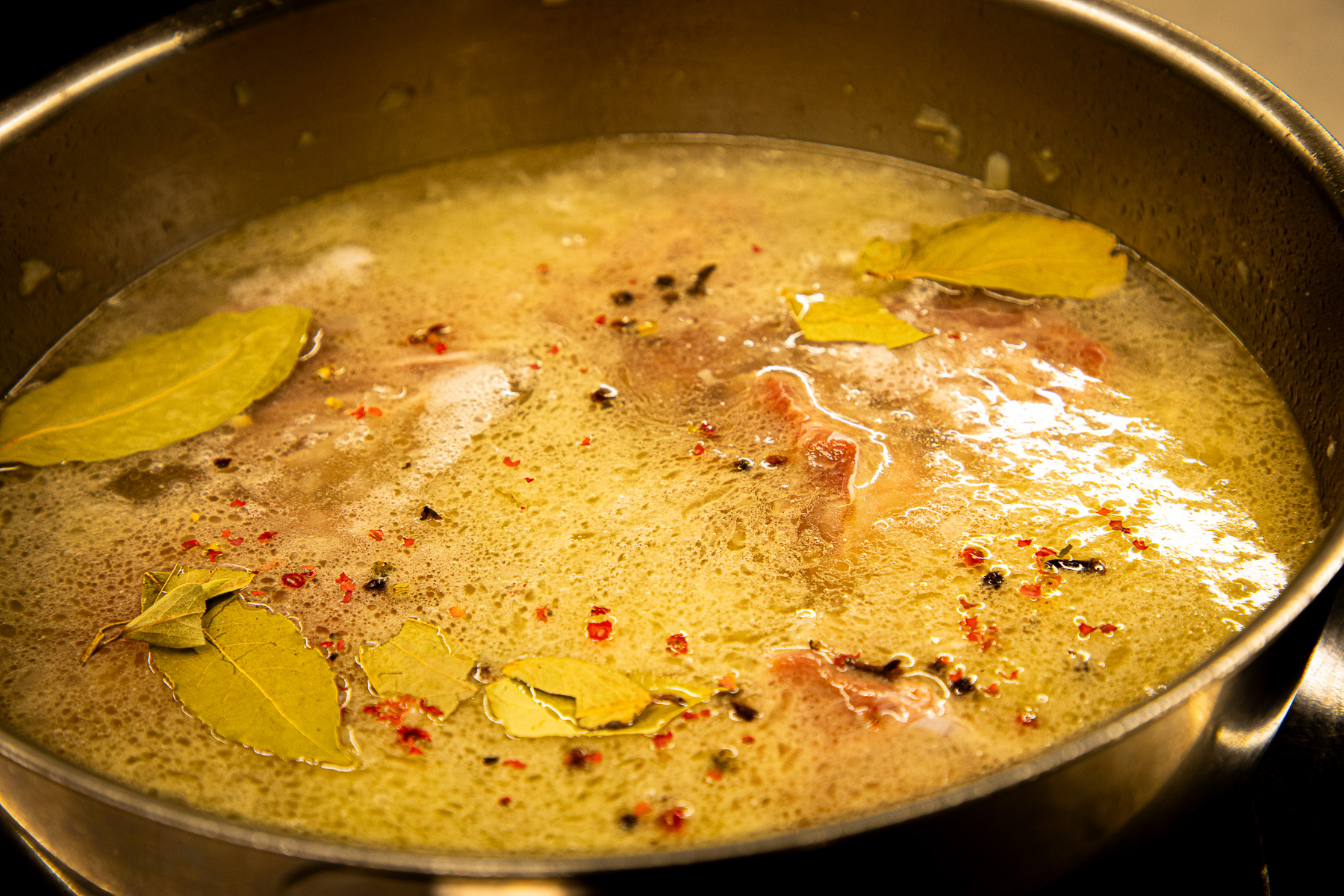
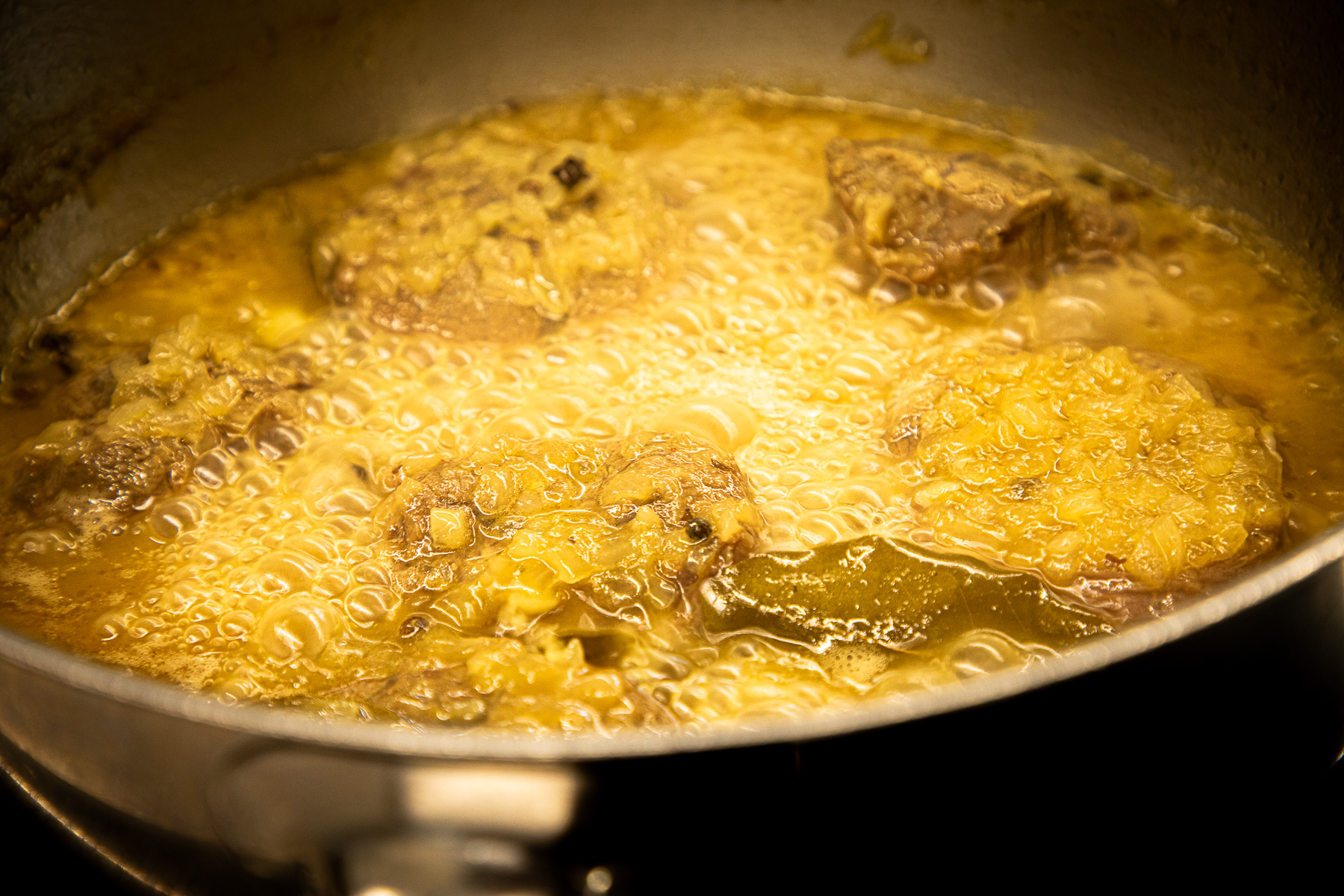
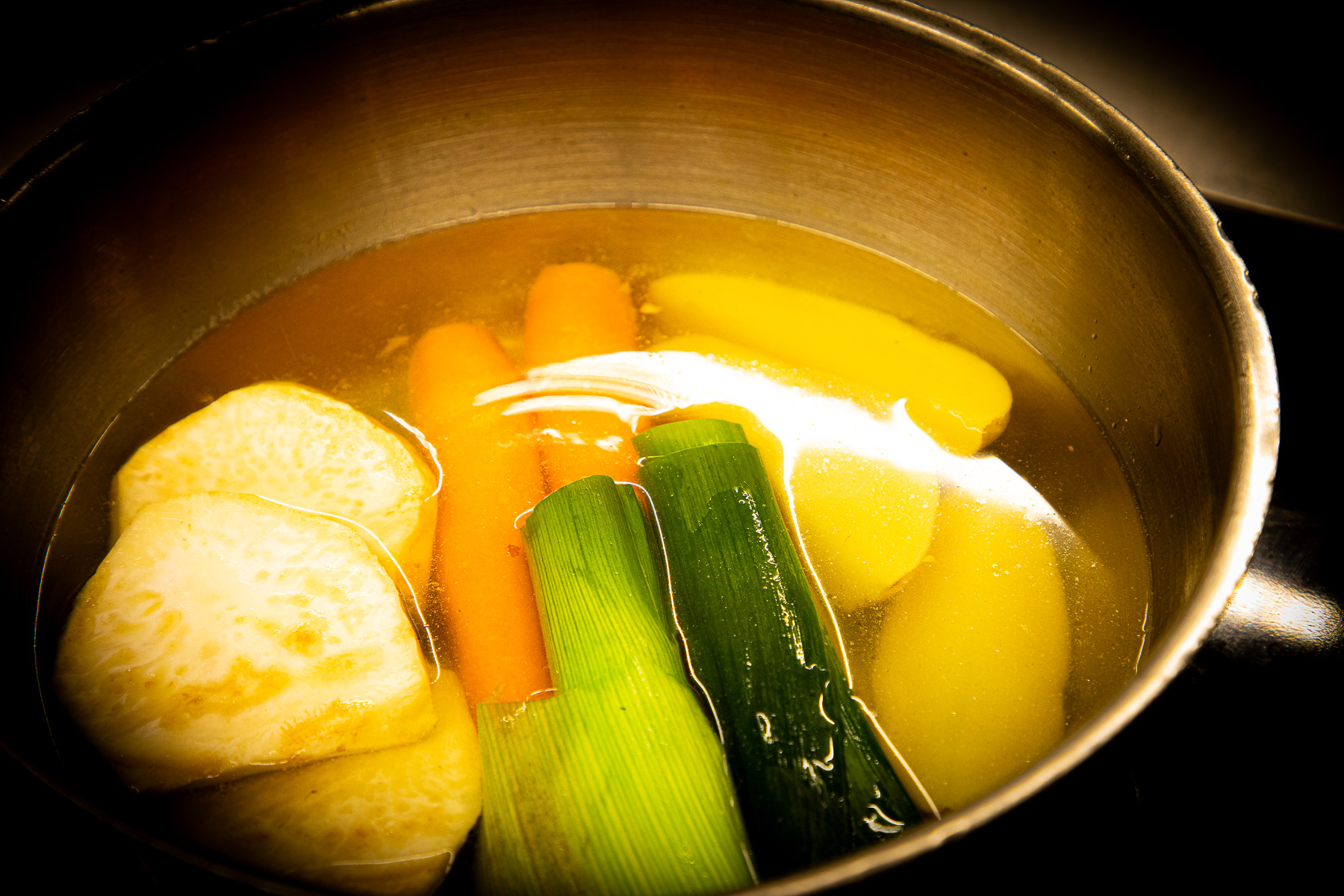
Cooking: Sauté the finely diced onions in a pan with a little oil until golden brown. Add the meat pieces and top up with cold beef stock or cold water. Add the spices (cloves, bay leaves, peppercorns, thyme) and bring to a boil. Simmer for about 1 3/4 hours until tender, skimming off the fat from the top frequently. Now add the potatoes and vegetables (onions, carrots, celery, leeks, and garlic cloves) and cook until slightly tender. Now add a splash of white wine and the zucchini.
Seasoning: Just before the end of the cooking time, season with salt. The spices and herbs can be removed at this point.
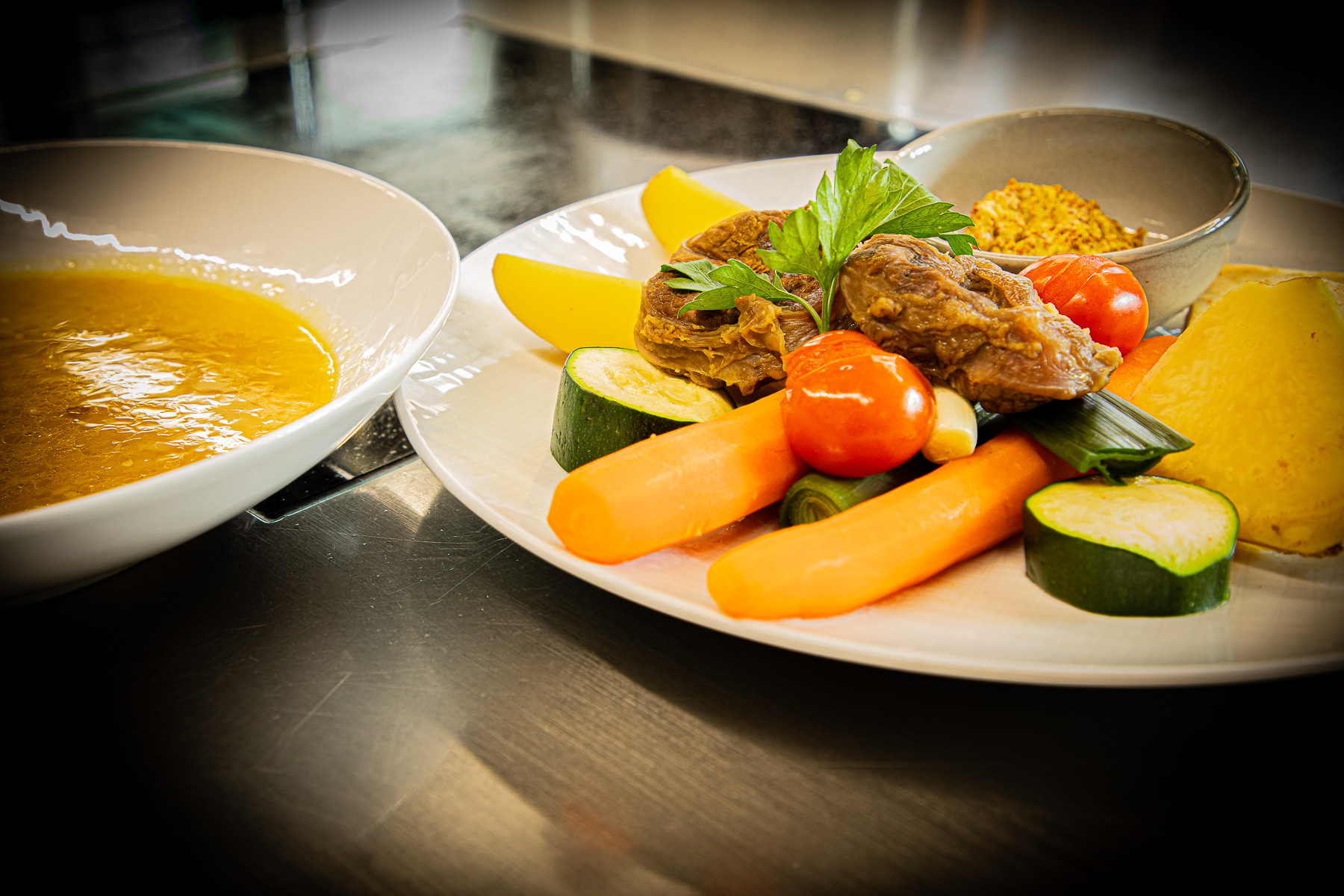
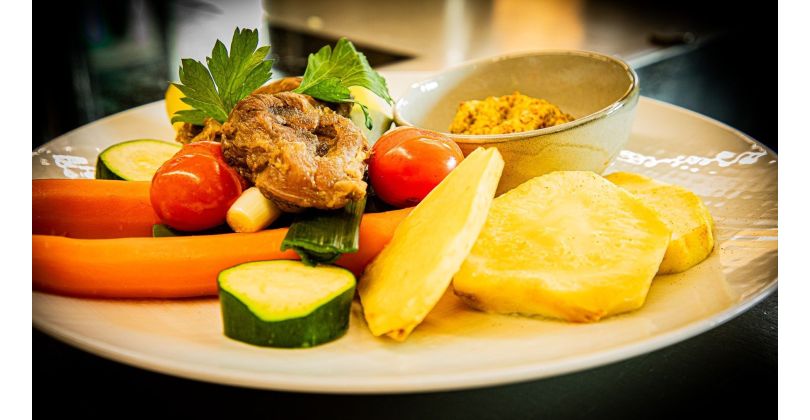
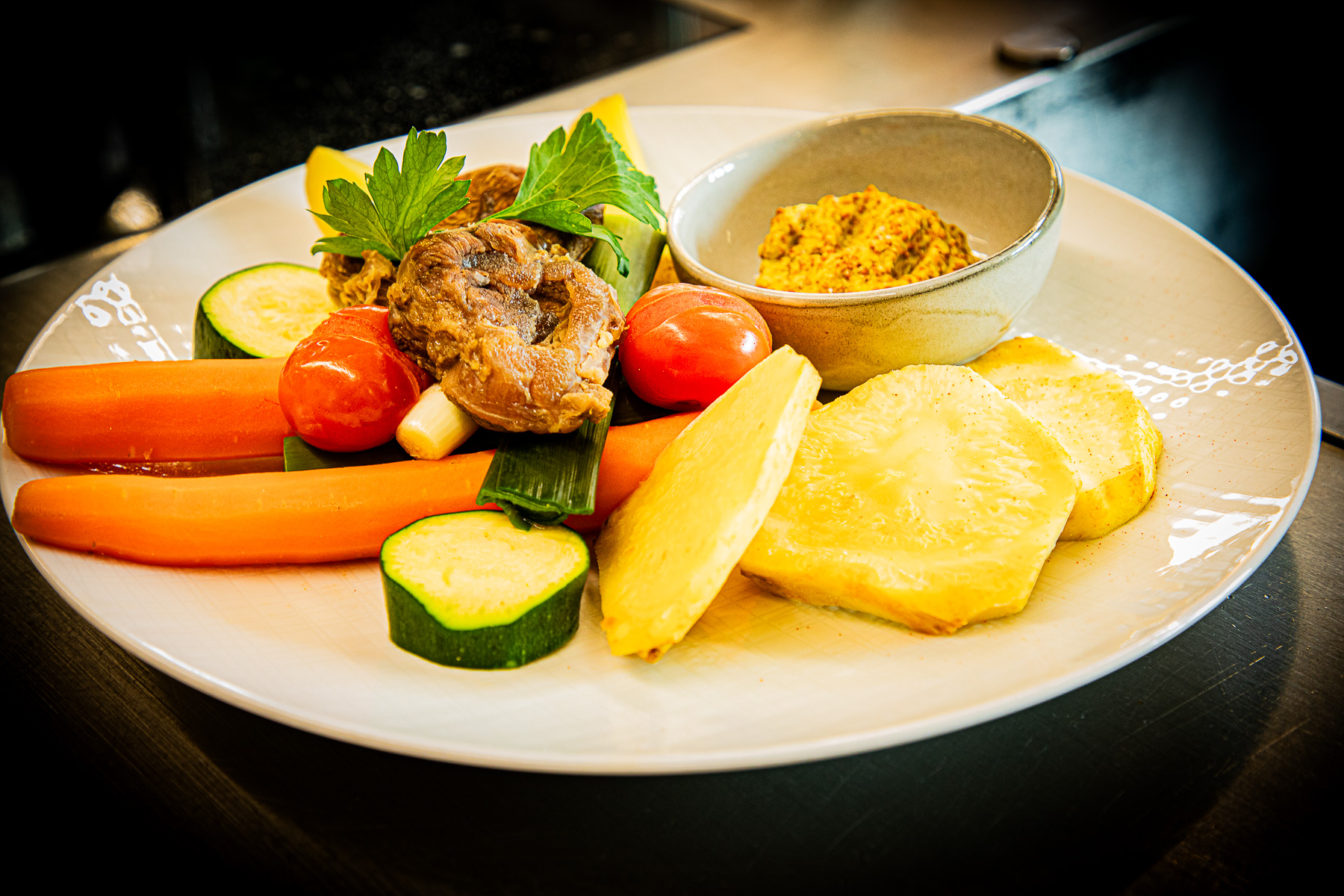
Serving: Arrange the meat and vegetables on a large platter and garnish with fresh parsley.
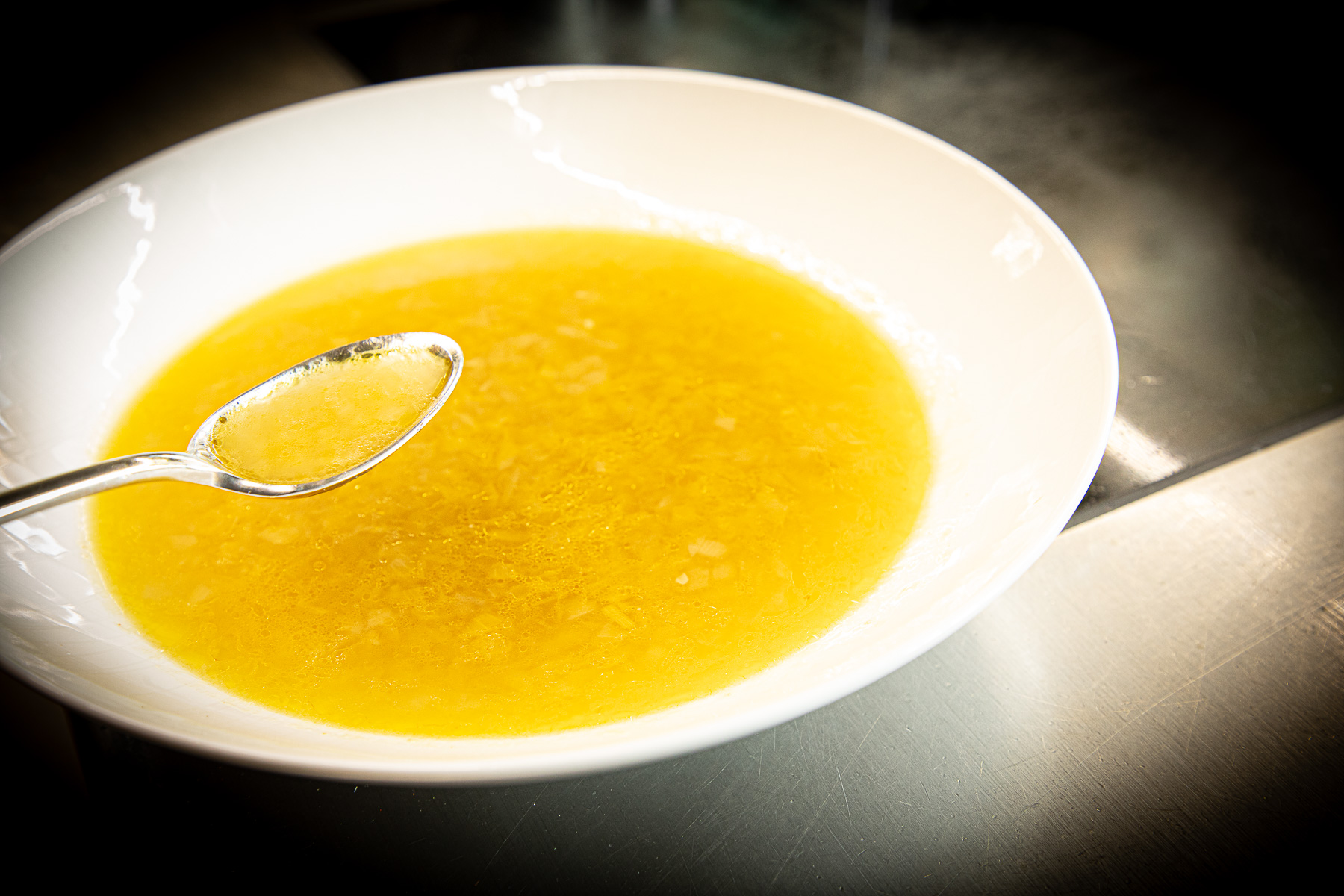
Serve the stock separately in bowls.
Offer mustard on the side for additional flavor.
Nice to know:
Pot au feu is a classic French dish often considered the "good old food" of French cuisine. The term "pot au feu" literally means "pot over the fire" and describes the preparation of a stew consisting of various meats, vegetables, and spices. The history of pot au feu dates back to at least the 17th century and is closely linked to the rural cuisine of France.
Originally, pot au feu was prepared from simple ingredients that were often readily available in rural areas. It was usually beef, pork, or poultry, cooked in a large pot with root vegetables such as carrots, celery, and leeks. At that time, its preparation was primarily practical: the ingredients could be cooked in a single pot, which saved time and resources.
Over the centuries, pot au feu evolved in different regions of France. Culinary preferences and regionally specific ingredients led to different variations of this dish. It became a symbol of family meals and social gatherings. In the 19th century, it also gained popularity in haute cuisine and was served in fine restaurants, leading to further refinement of its preparation.
Traditionally, pot au feu was served in three courses.
1st course: The broth
2nd course: The meat and vegetable platter
3rd course: Both together