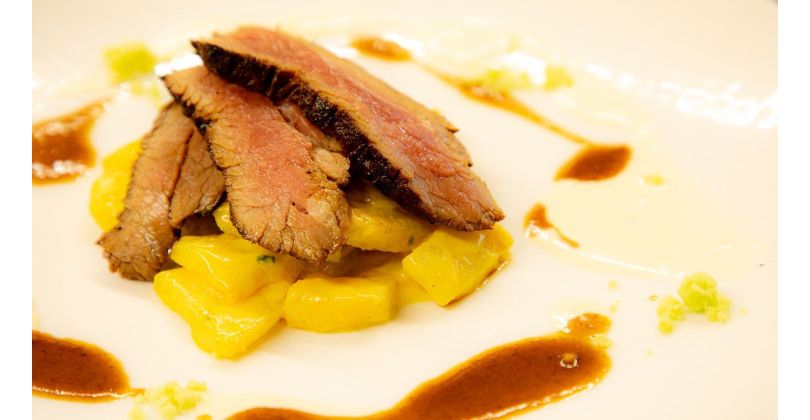
Ingredients for 4 servings
For the tri-tip:
800 g tri-tip of beef
150 ml soy sauce
3 garlic cloves
2 tbsp honey
2 cm fresh ginger, sliced
1 tsp mustard seeds
2 bay leaves
5 juniper berries, lightly crushed
1 tsp whole black peppercorns
For the kohlrabi purée:
2 large kohlrabi
50 g butter
100 ml cream or plant-based alternative
Salt and pepper
Freshly grated nutmeg
For the soy–honey reduction:
100 ml soy sauce
2 tbsp honey
1 garlic clove
1 tsp finely chopped ginger
1 tbsp apple cider vinegar
Preparation
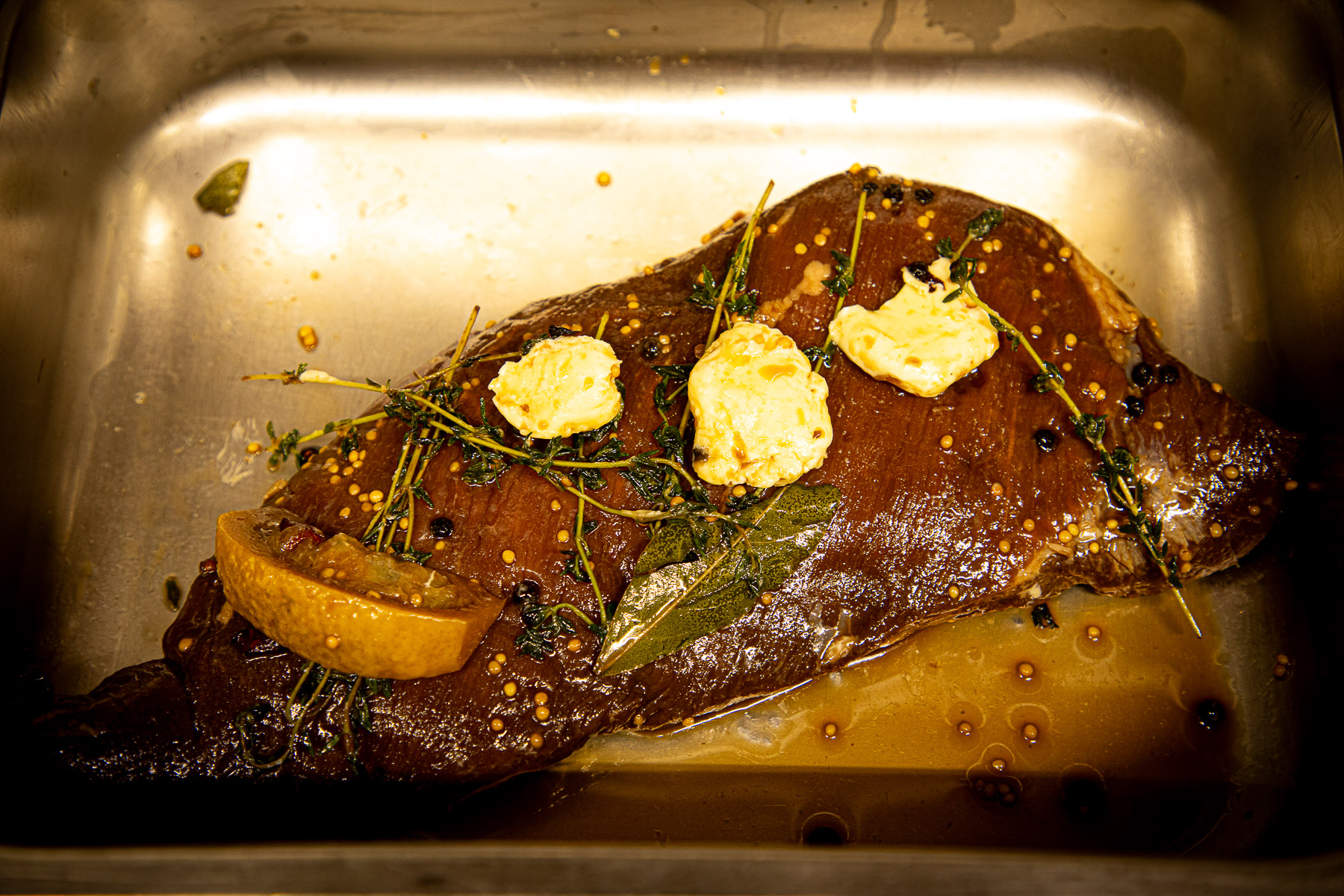
Prepare the marinade: In a bowl, thoroughly mix the soy sauce, honey, garlic, ginger, mustard seeds, bay leaves, juniper berries, and peppercorns.
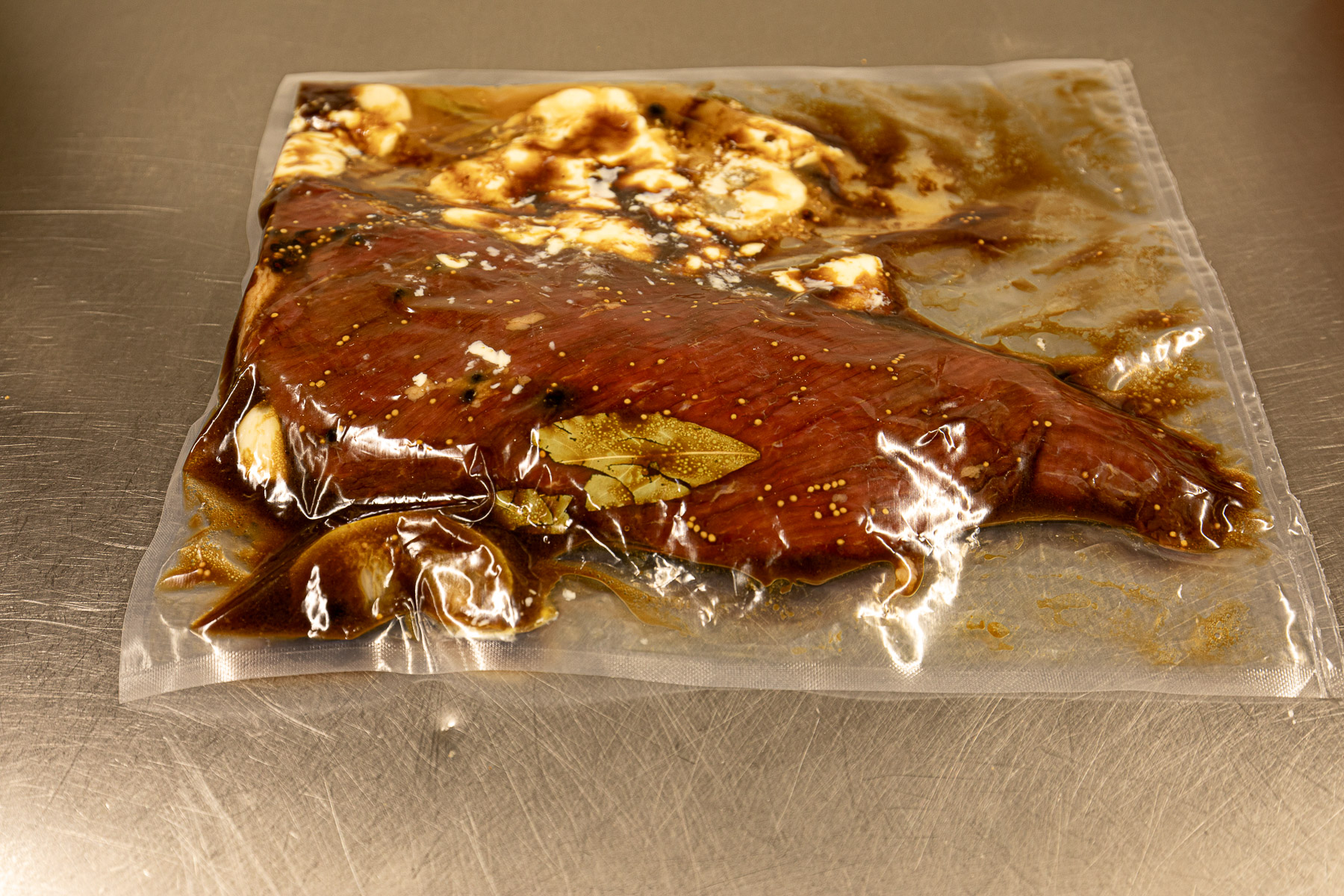
Marinate the tri-tip: Place the tri-tip into a vacuum-sealed bag and add the marinade. Seal airtight and marinate in the refrigerator for at least 4 hours, preferably overnight.
Sous vide cooking: Place the marinated tri-tip (still vacuum-sealed) in a sous vide water bath at 56 °C (medium rare) for 24 hours.
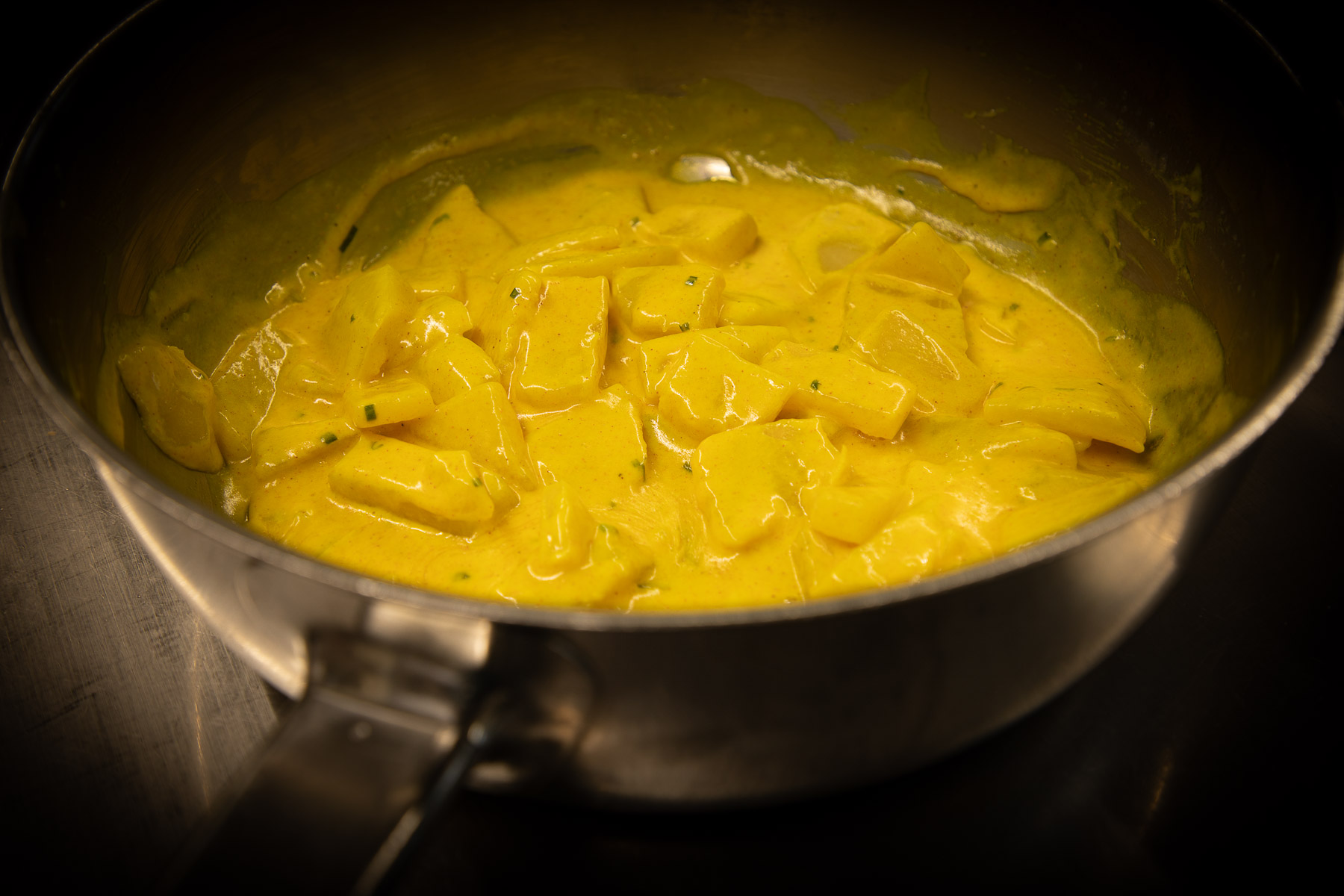
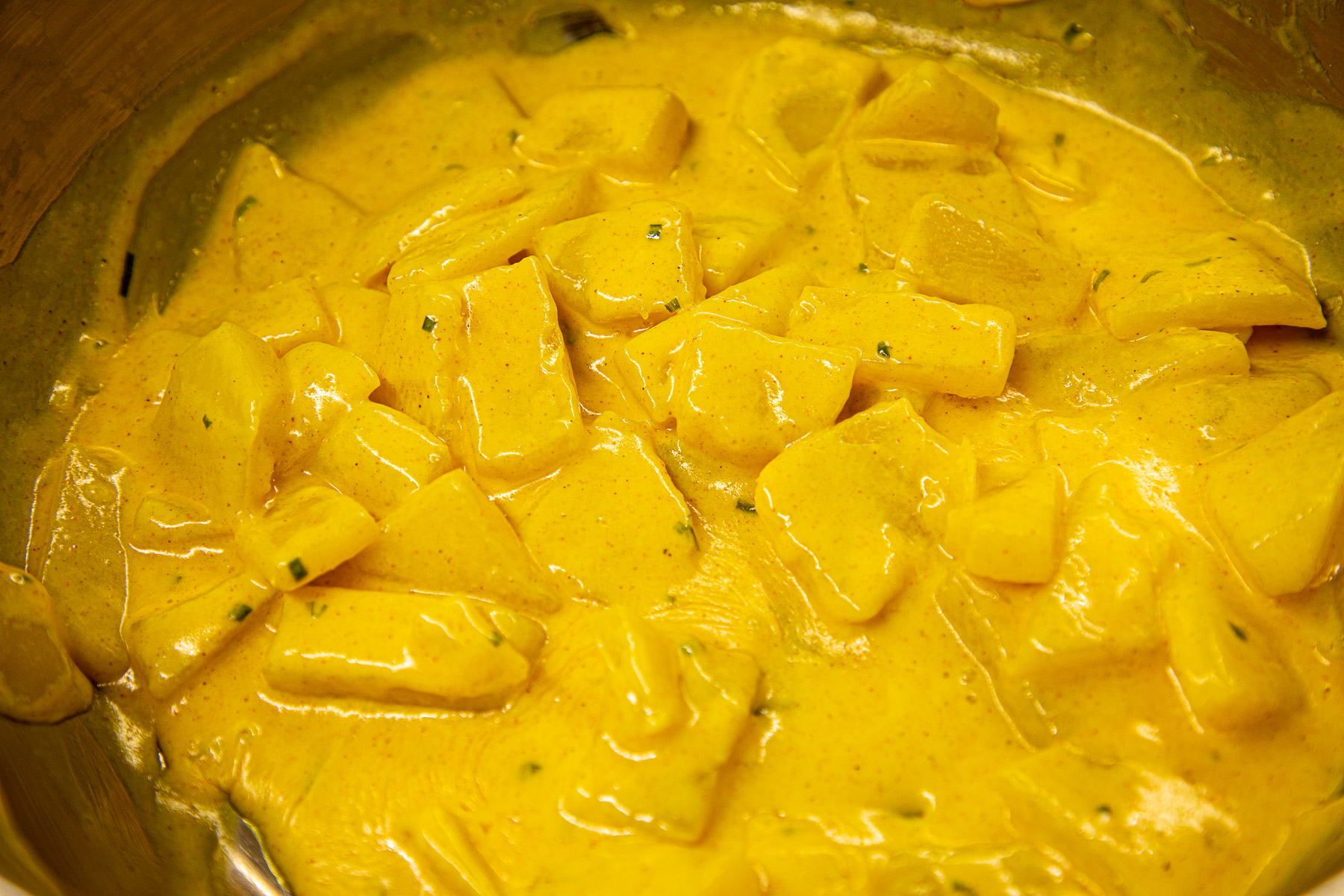
Prepare the kohlrabi: Peel the kohlrabi, cut into cubes, and cook in salted water until tender (about 15 minutes). Drain, then blend with butter, cream, salt, pepper, and nutmeg until smooth and creamy.
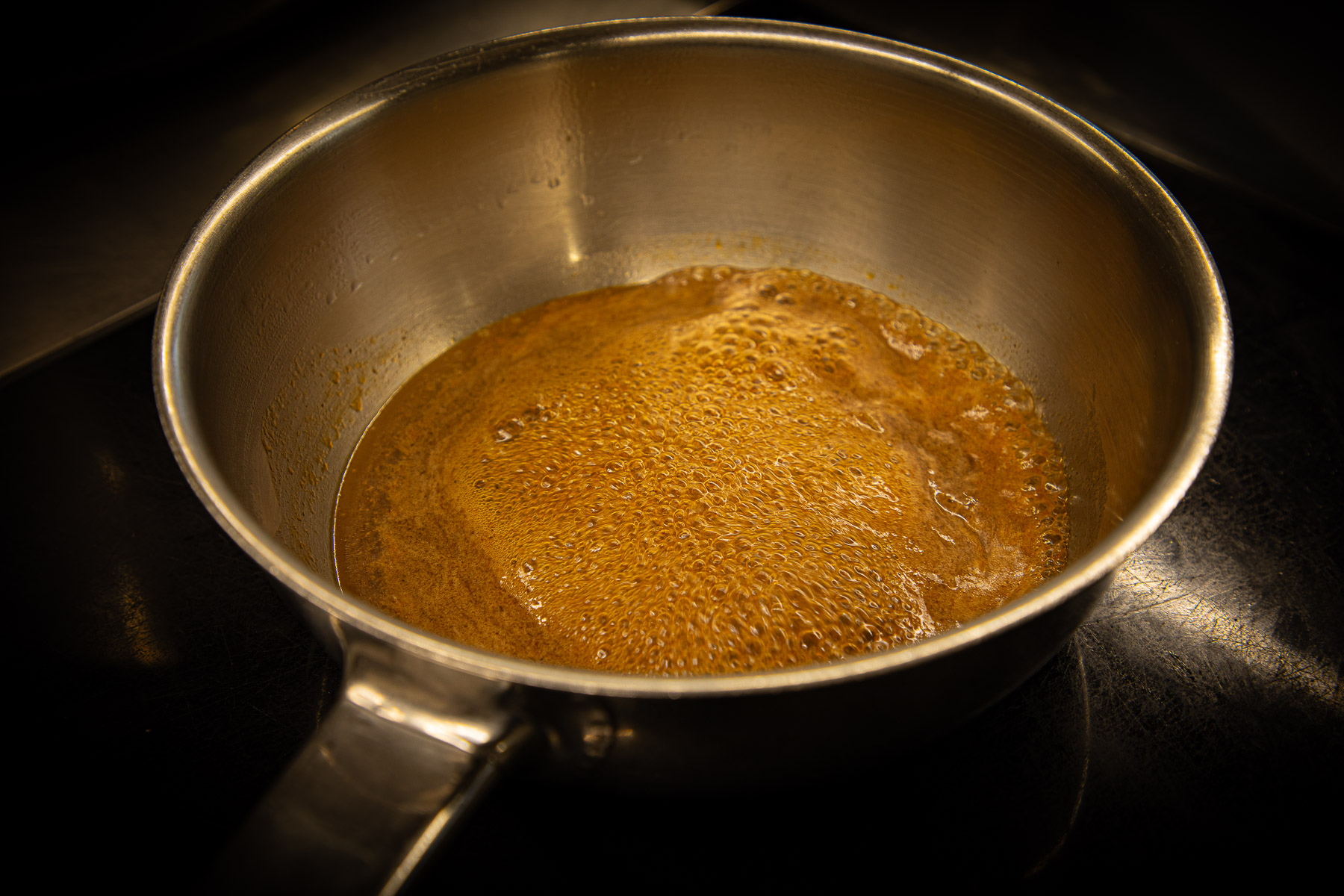
Prepare the soy–honey reduction: Combine the soy sauce, honey, garlic, ginger, and apple cider vinegar in a small saucepan. Simmer over medium heat, stirring occasionally, until reduced to a syrupy consistency.
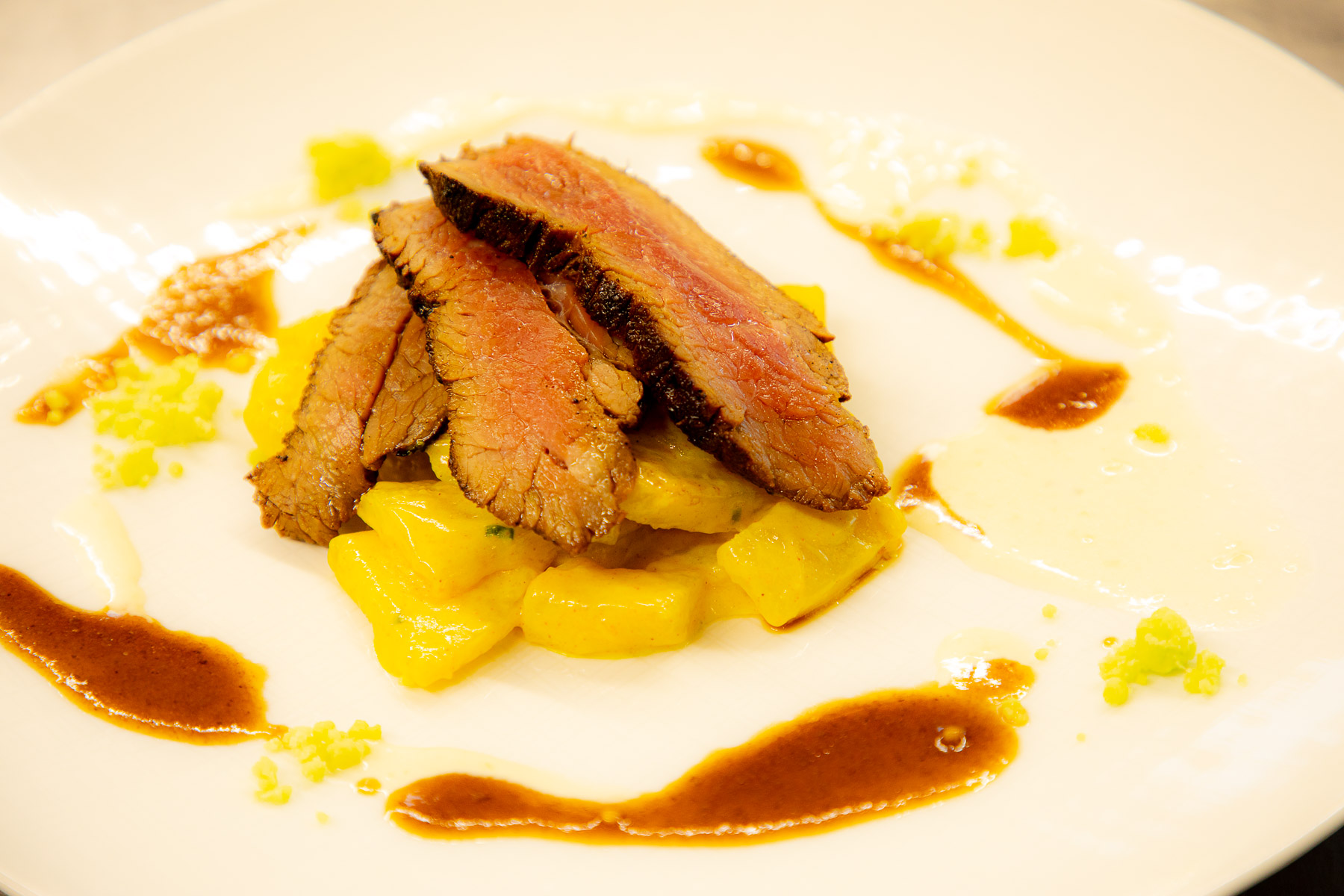
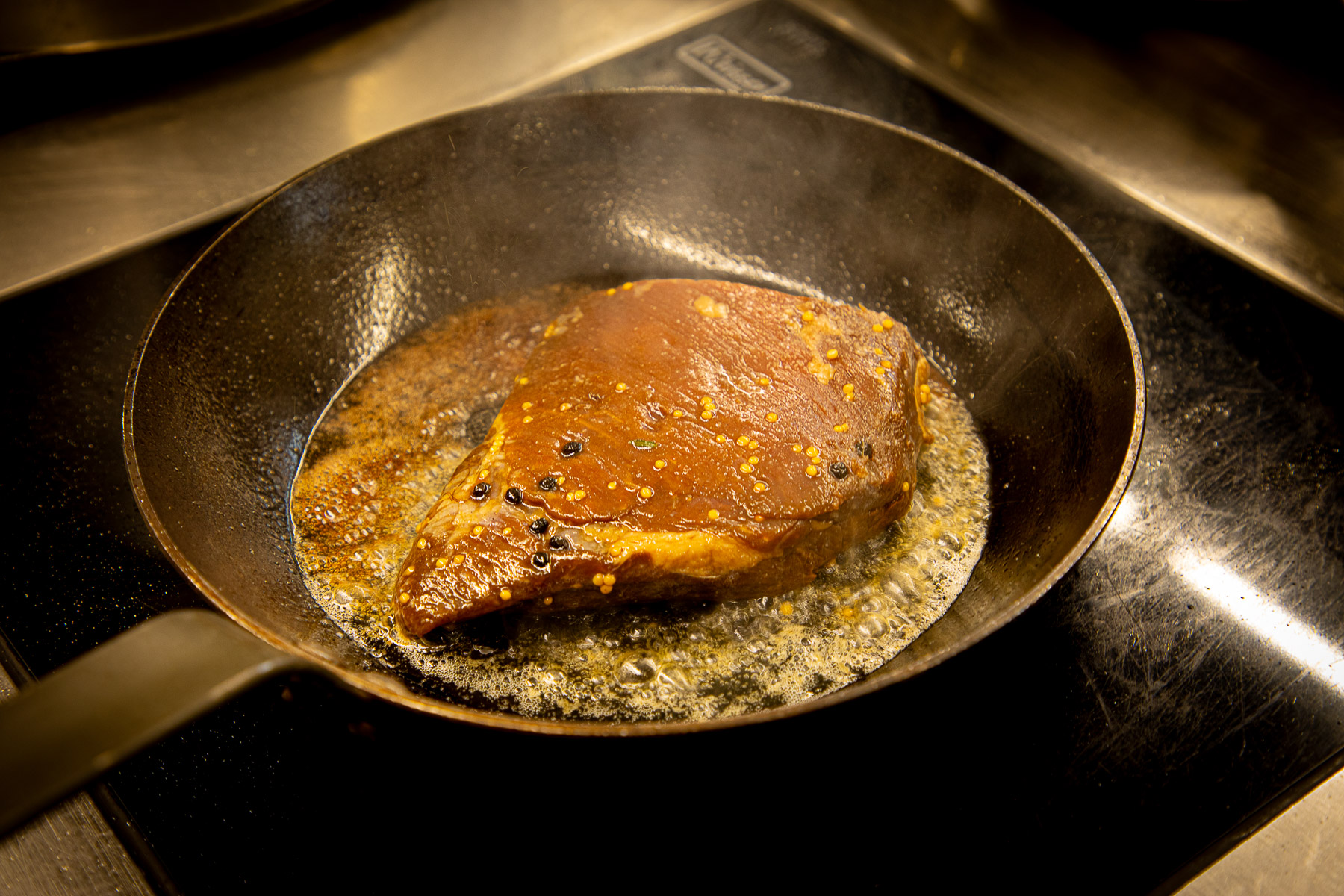
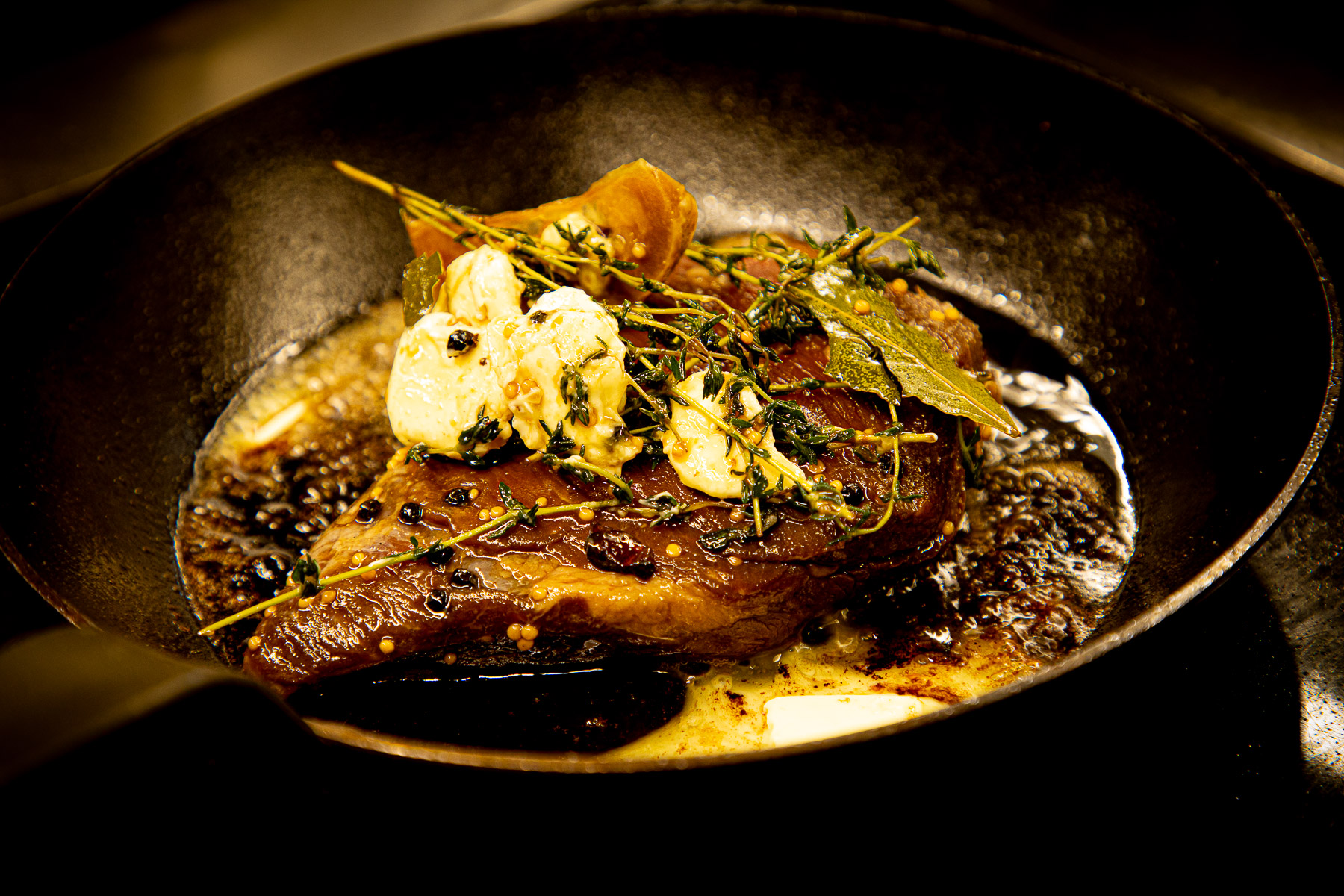
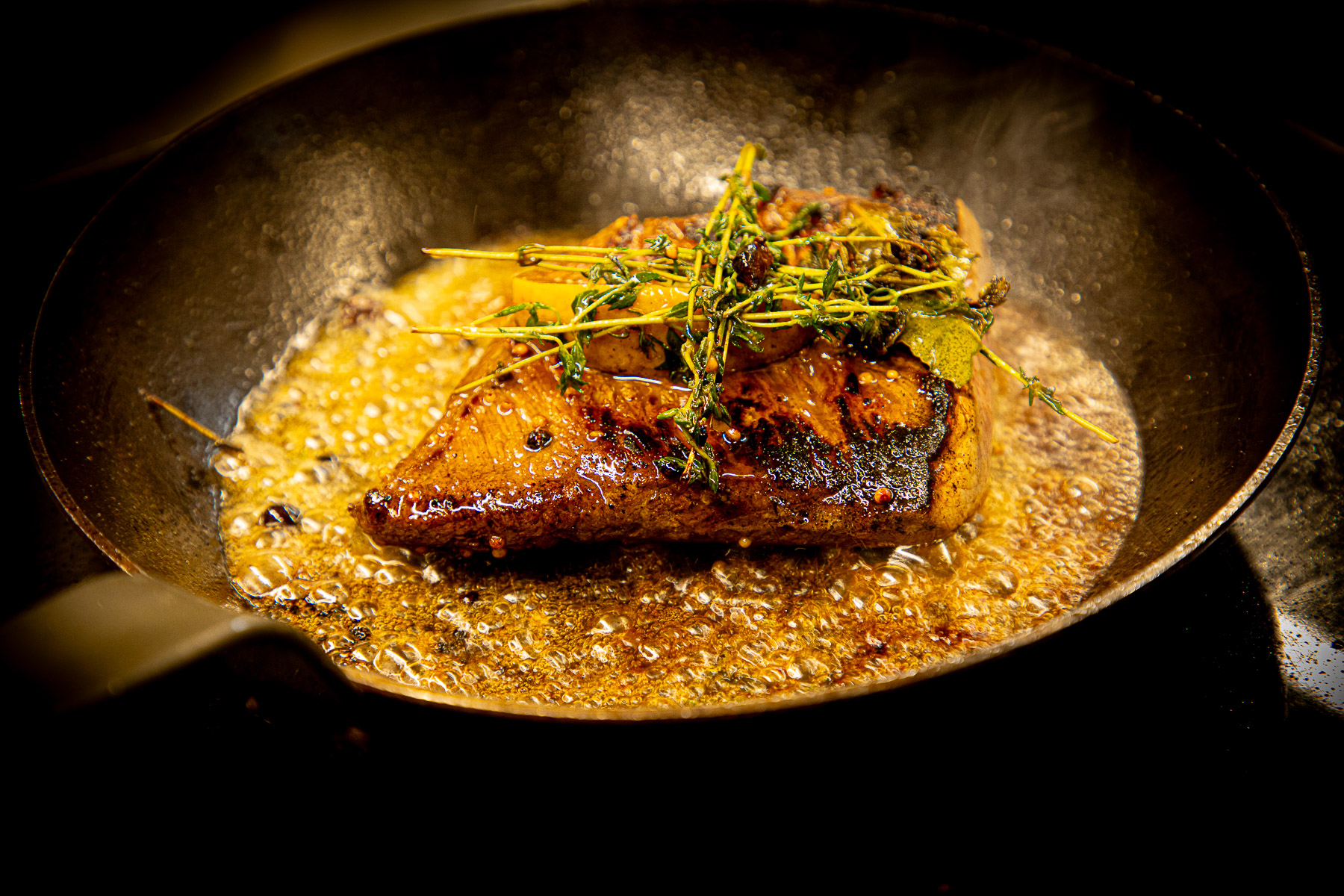
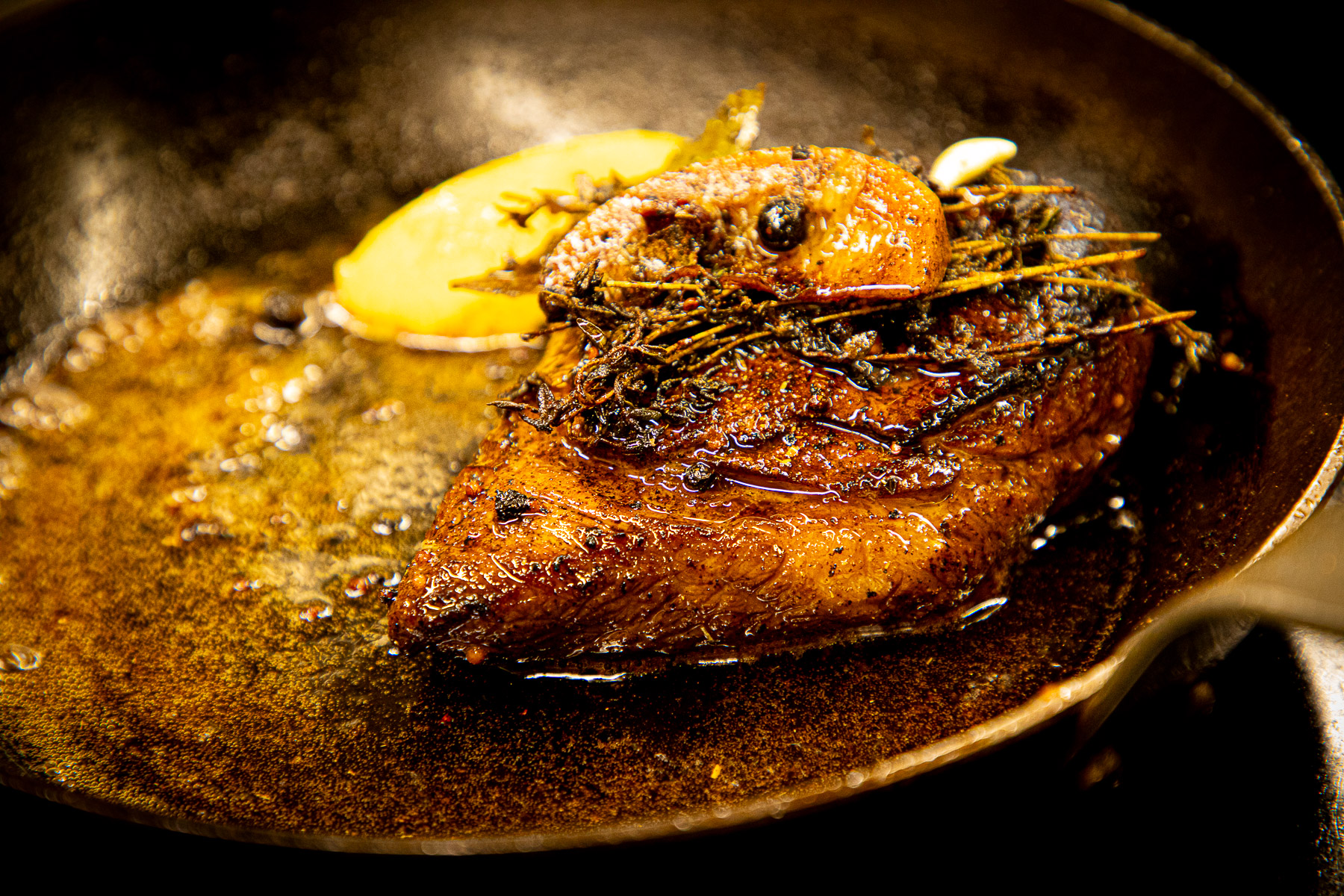
Sear the meat: After sous vide cooking, remove the tri-tip from the bag and pat dry thoroughly. Sear briefly on both sides in a very hot pan with a little oil until a nicely browned crust forms.
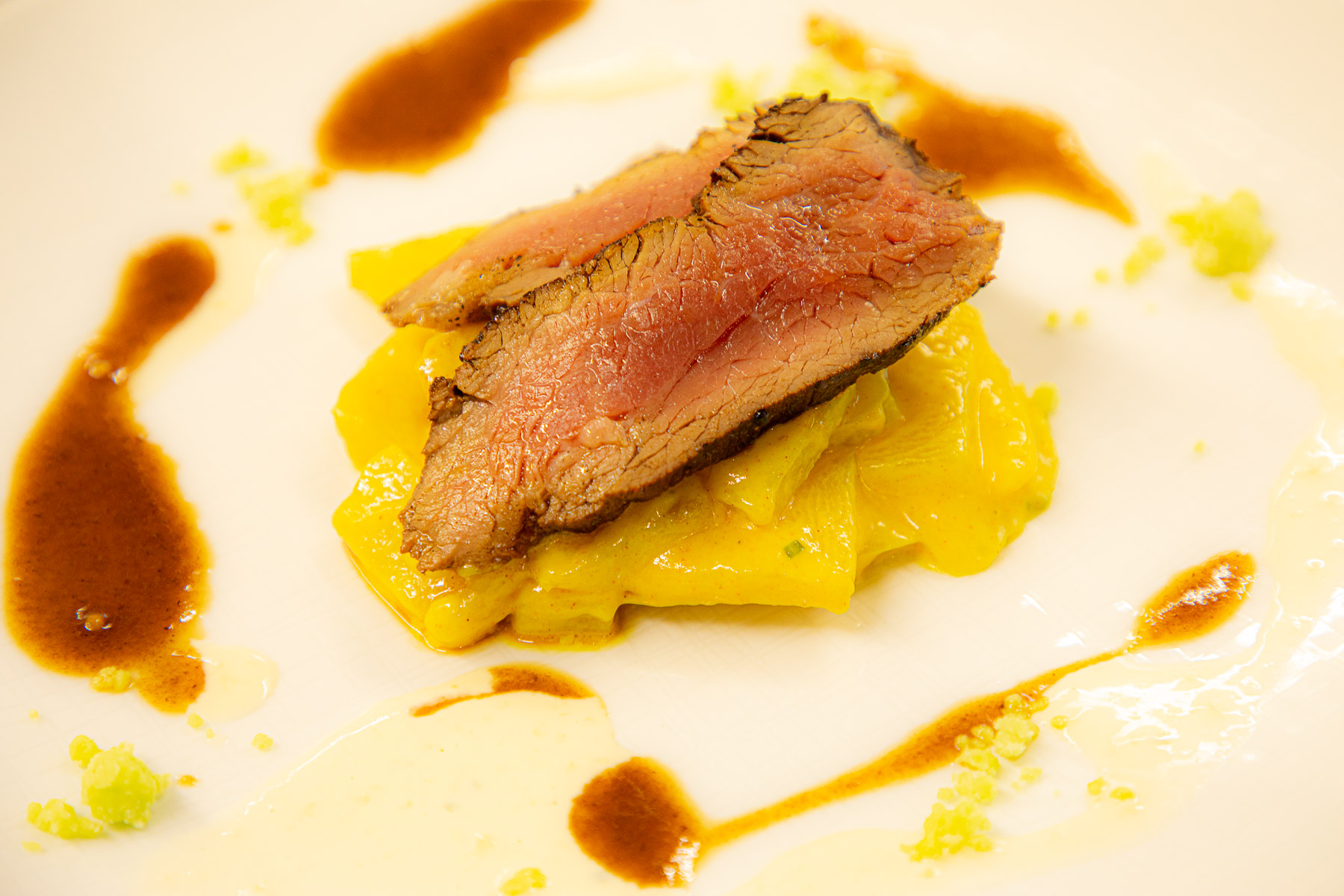
Plating: Spoon the kohlrabi purée onto preheated plates, place the tri-tip on top, and drizzle with some of the soy–honey reduction. Garnish with fresh herbs if desired.
Nice to know: Tri-tip has a long and evolving culinary history and is valued in both European and international cuisine.
Anatomically, tri-tip comes from the lower part of the beef sirloin. For a long time, it was considered a secondary cut and was often used for slow-cooked dishes. Over time, butchers and chefs discovered that, when properly trimmed and cooked, tri-tip is exceptionally flavorful and tender.
Traditionally, tri-tip benefits from gentle cooking methods such as braising or slow roasting. Today, it is especially popular within modern and nose-to-tail–inspired cooking and is enjoyed sous vide, pan-seared, or grilled.
Tri-tip thus represents the shift in meat culture—from an underrated cut to a versatile and highly regarded centerpiece with strong culinary character.