Ingredients for 2 people
For the steak:
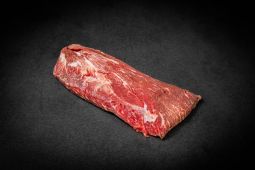
• 2 beef flat iron steaks (approx. 200 g each or 1 large piece)
• Salt and pepper
• 1 tbsp olive oil
• 1 sprig rosemary
• 1 garlic clove, crushed
For the glazed beetroot and celery:
• 3 medium beetroots, peeled and cut into wedges
• 1 celeriac, diced
• 2 tbsp butter
• 1 tbsp honey or maple syrup
• Salt and pepper
For the red wine reduction:
• 200 ml dry red wine
• 1 shallot, finely chopped
• 1 tsp sugar
• 1 tbsp butter
• Salt and pepper
Preparation:
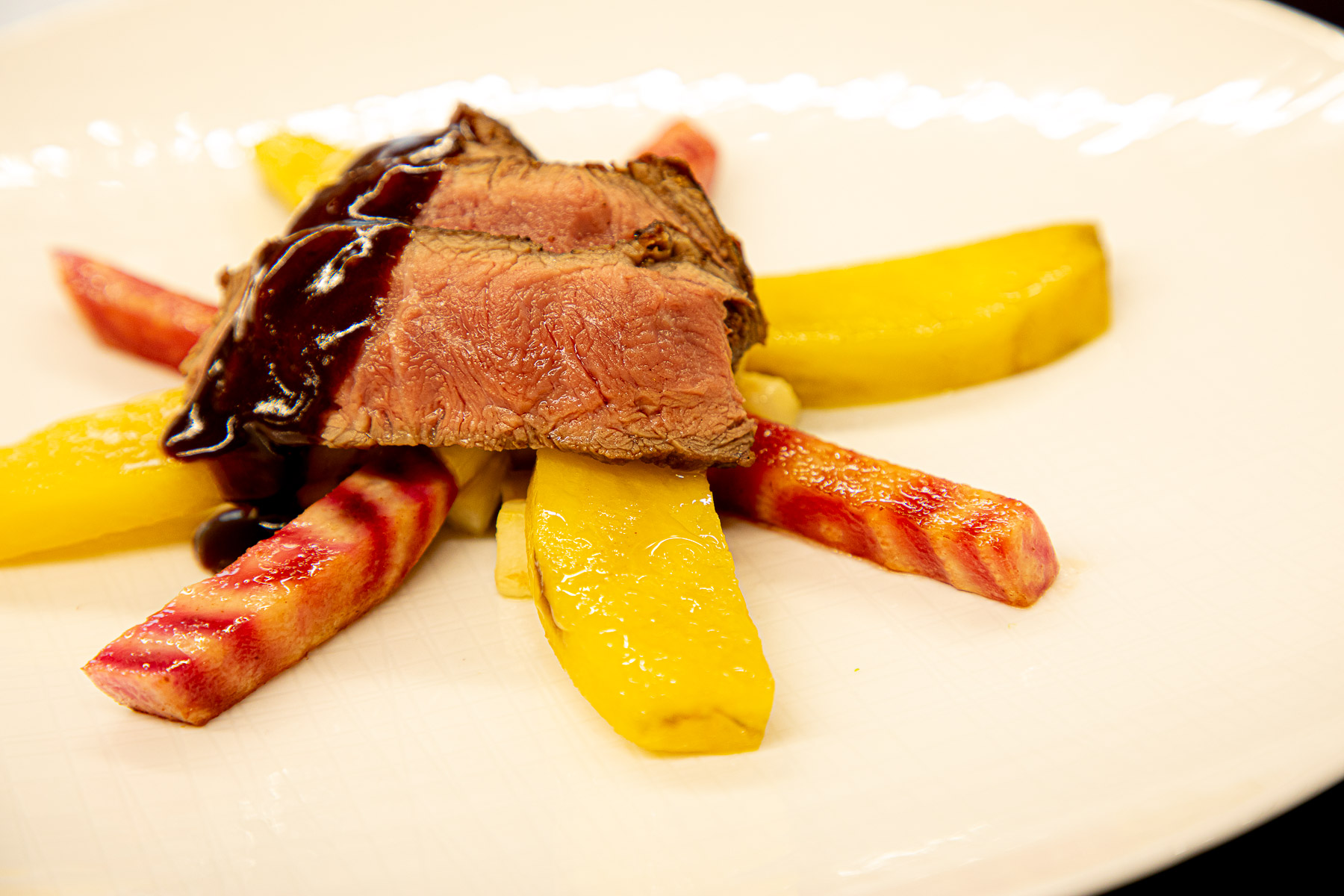
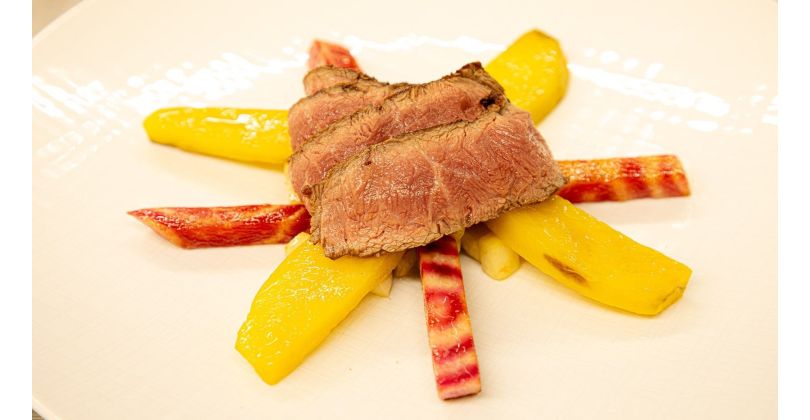
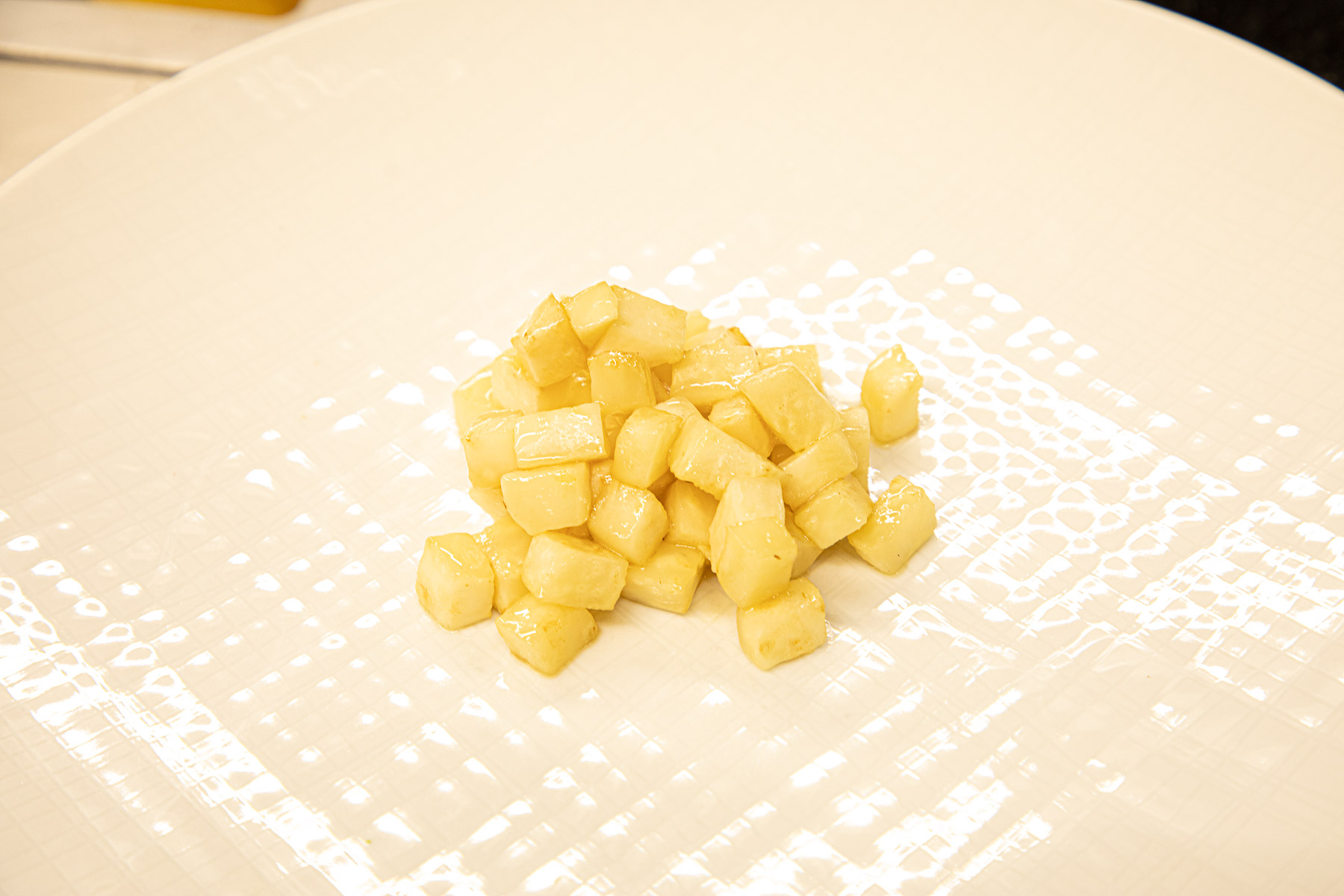
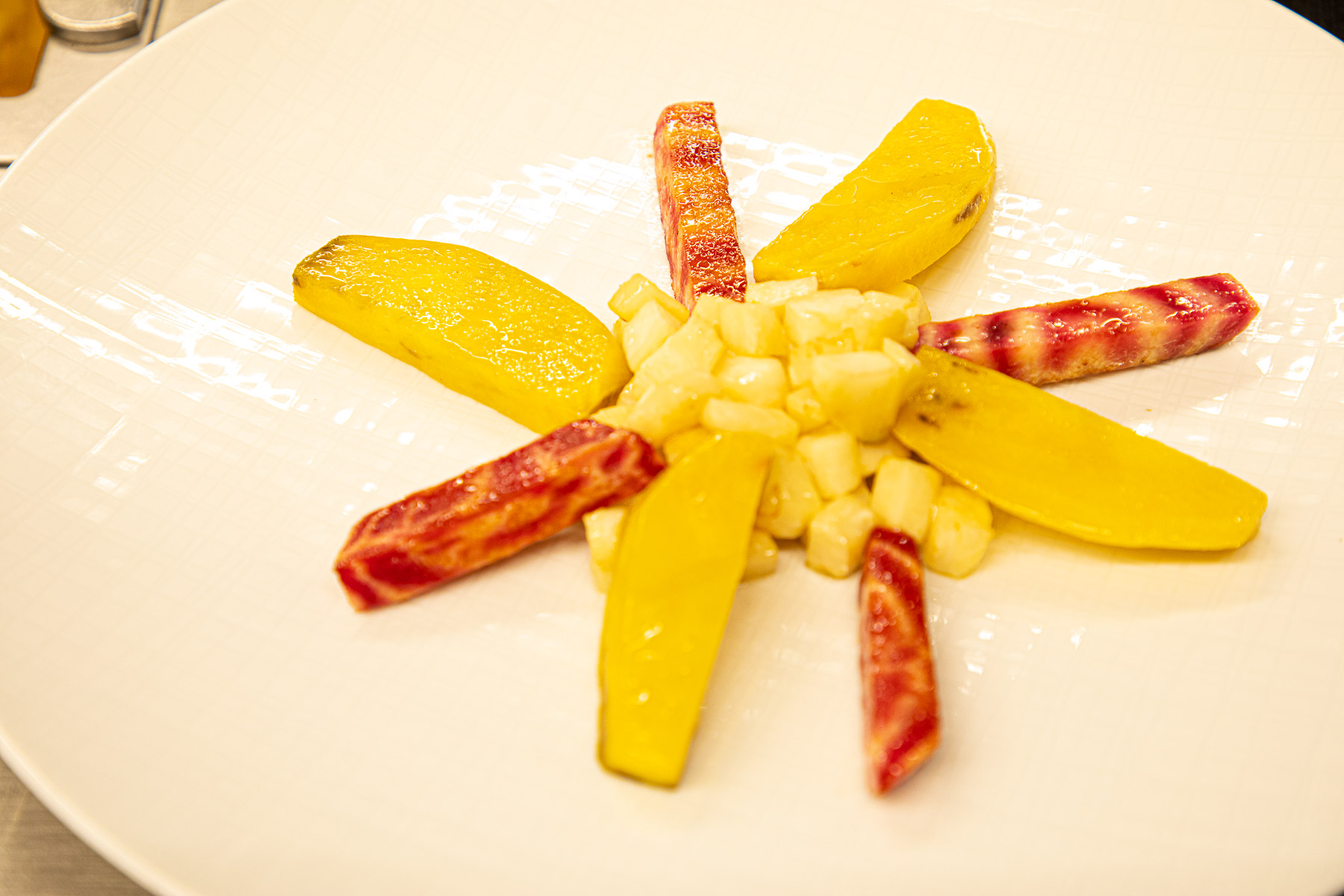
Glaze the beetroot and celery: Cook the beetroot in salted water until tender (approx. 20-30 minutes), then drain. Let it caramelize.
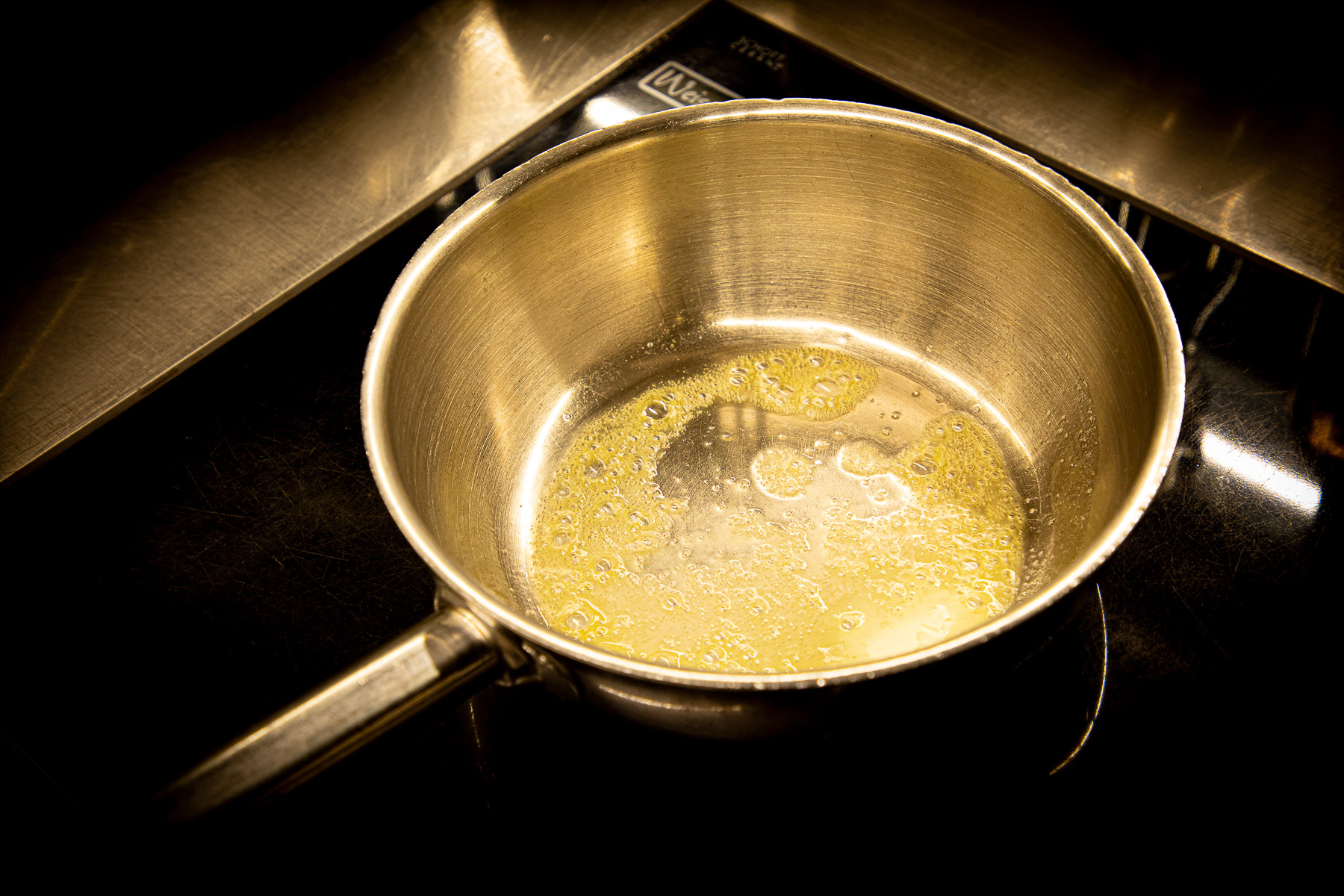
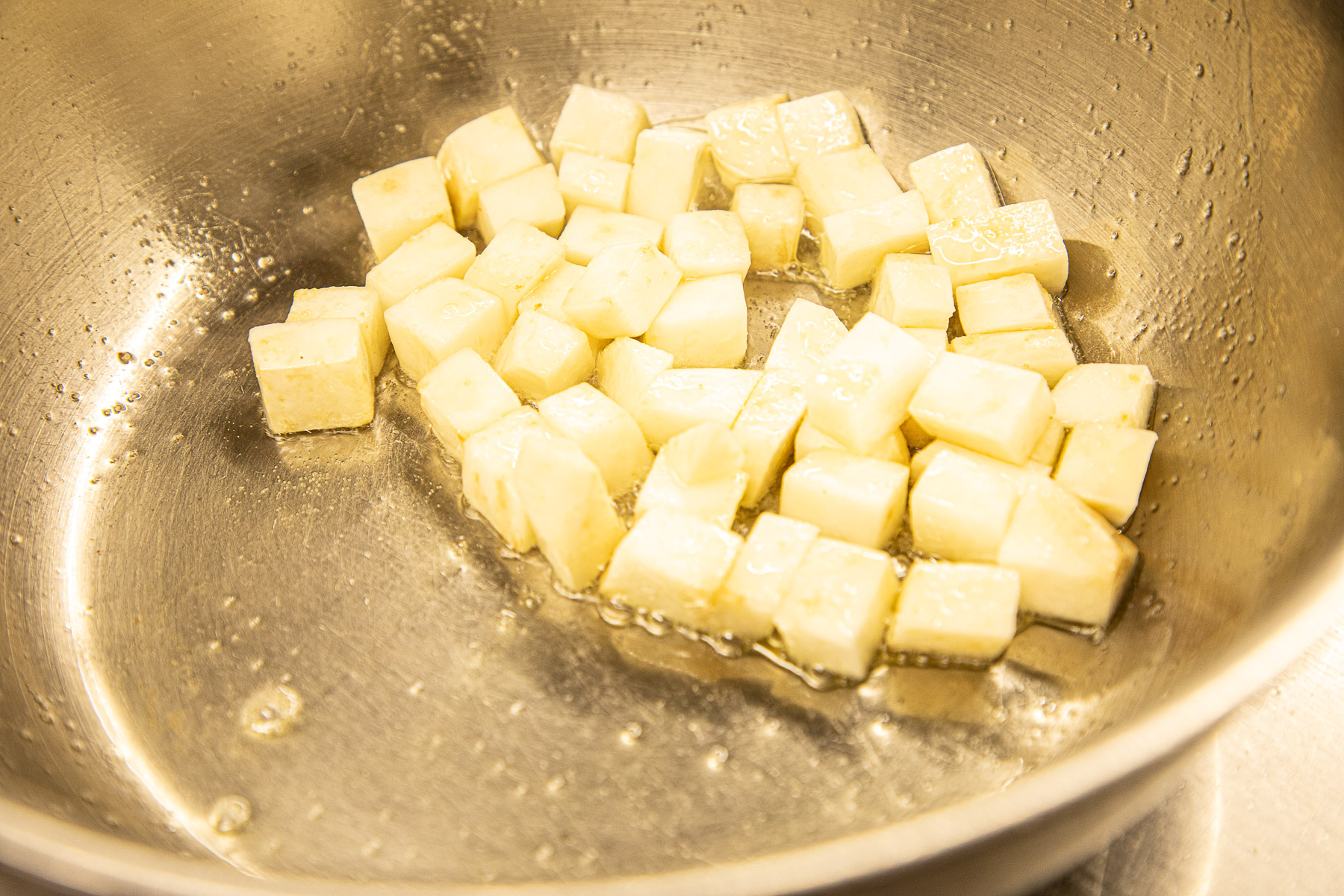
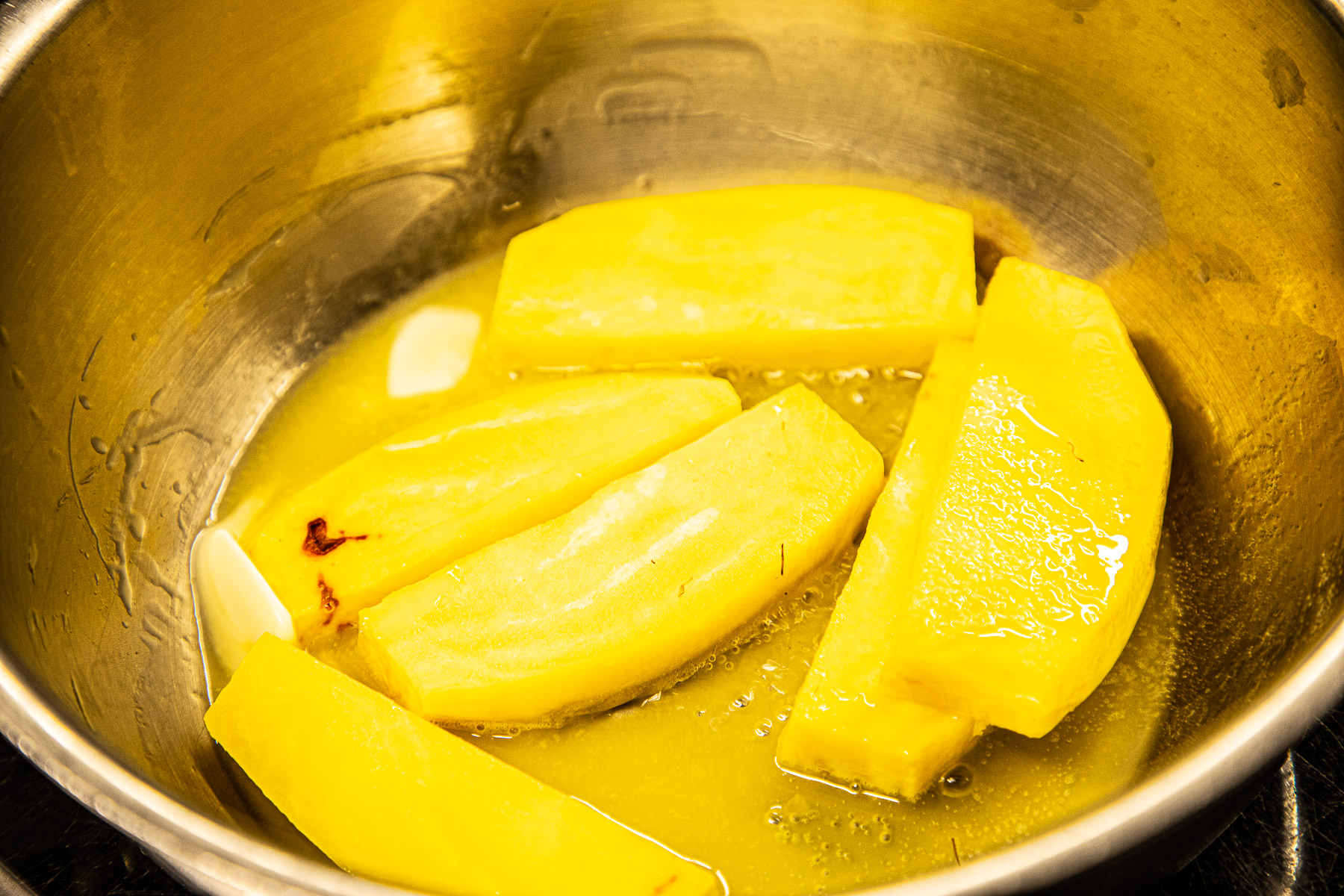
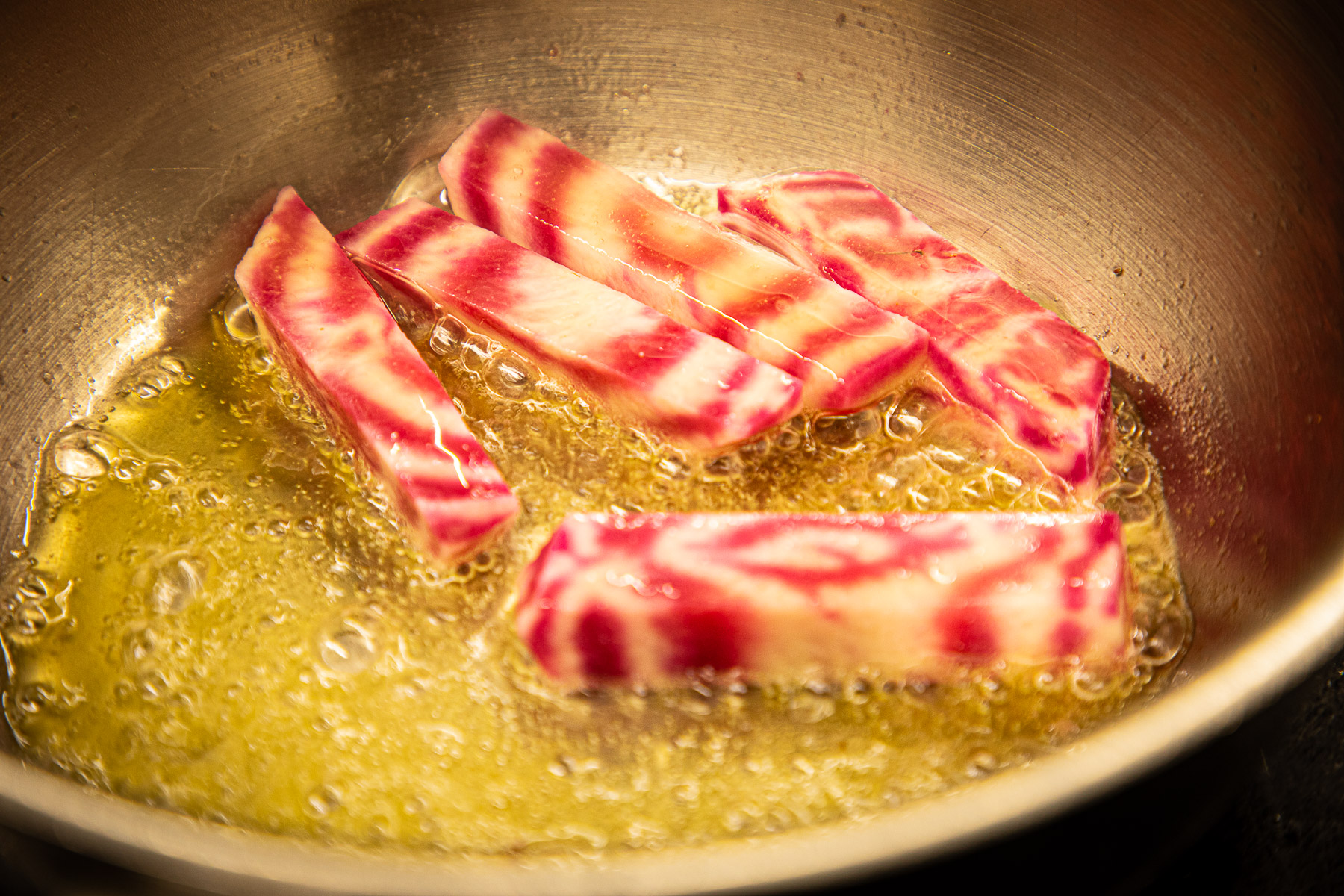
Heat butter in three pans, add the honey, and let it caramelize slightly.
Place the beetroot in one pan and the celery in the other. Season with salt and pepper and cook over medium heat until everything is shiny and lightly browned. Keep warm.
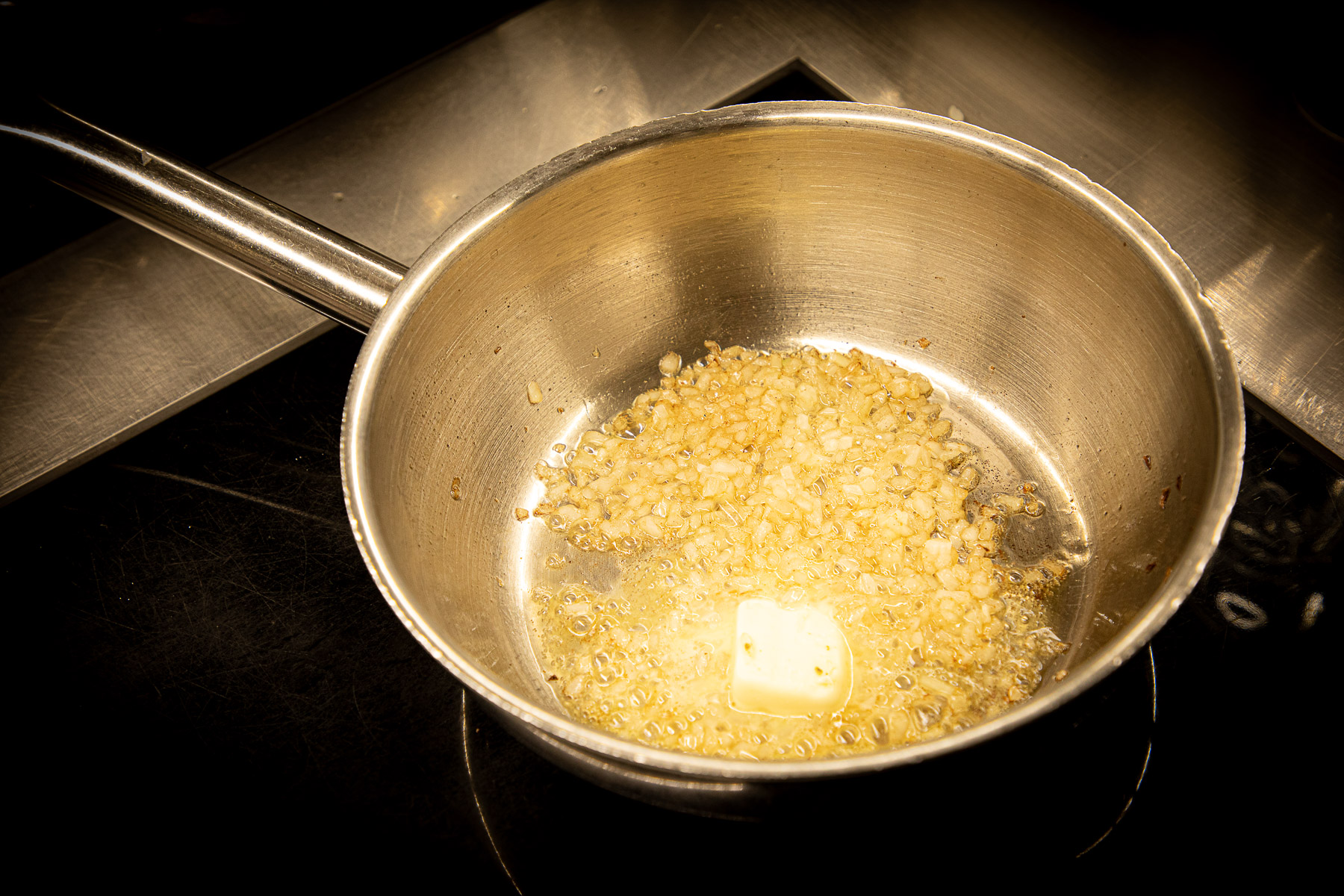
Red wine reduction: In a small saucepan, sauté the shallot in a little butter until translucent.
Add the sugar and let it caramelize slightly.
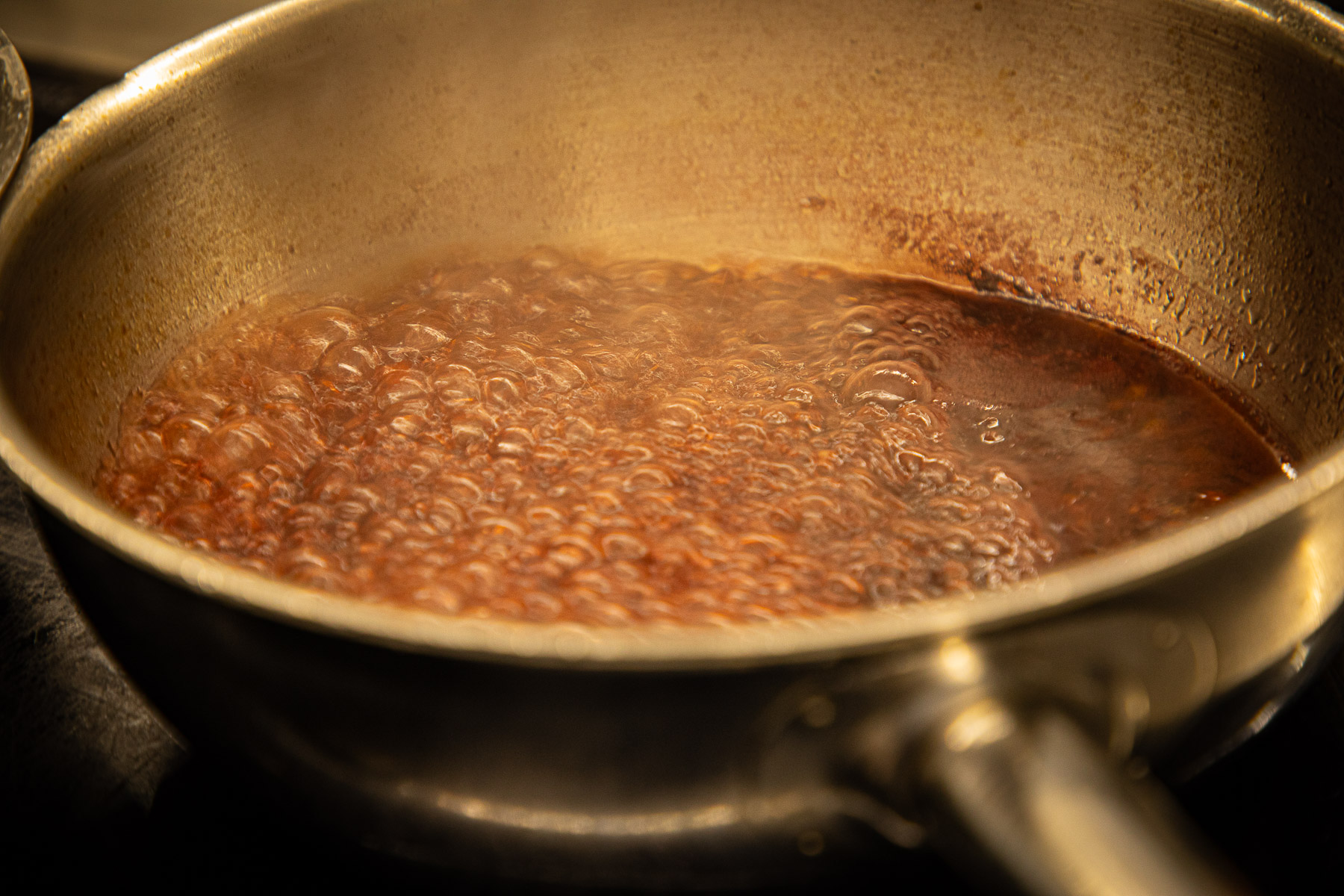
Deglaze with the red wine and reduce over medium heat until reduced by about half.
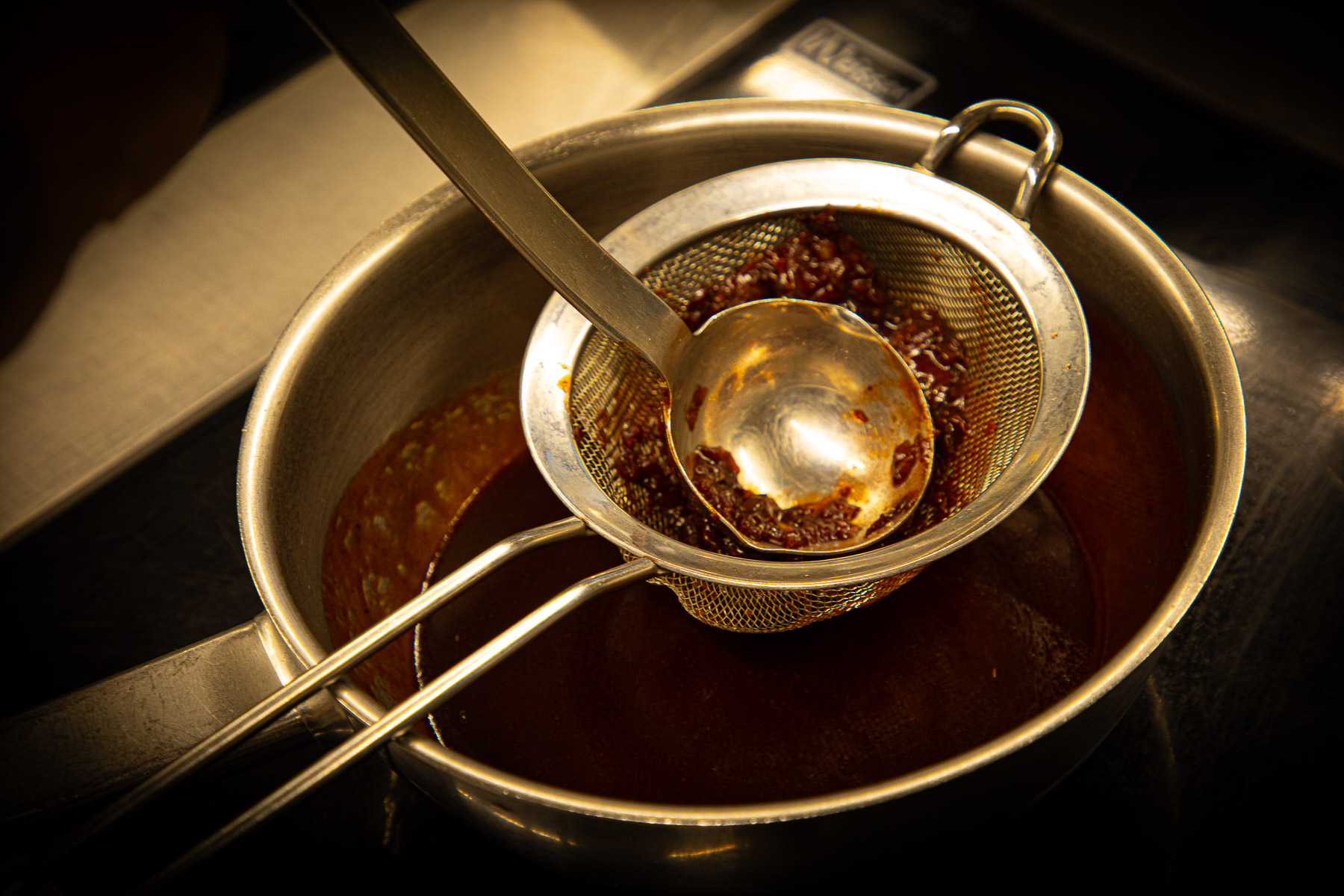
Season with salt and pepper, then stir in the cold butter to thicken the sauce. Keep warm.
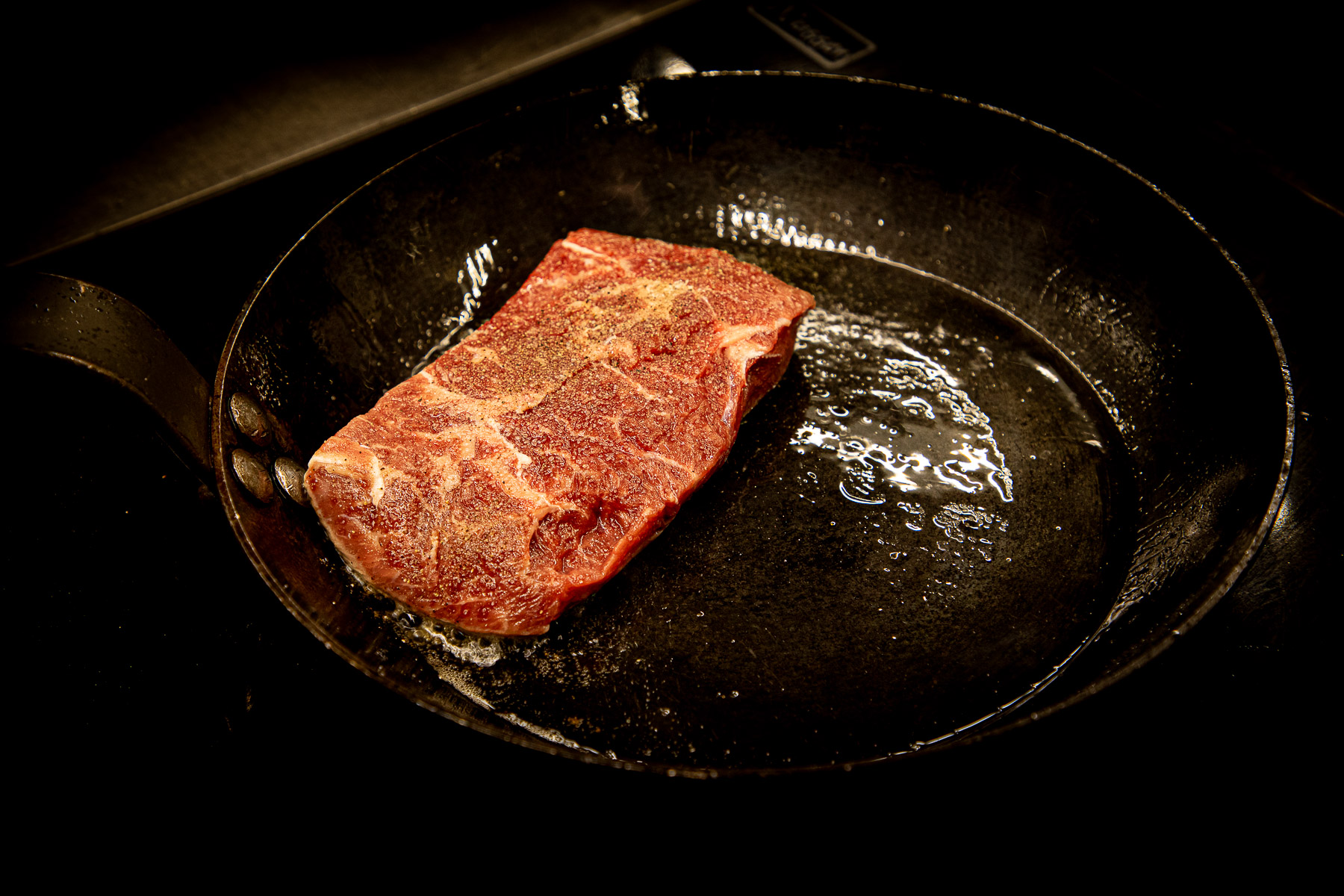
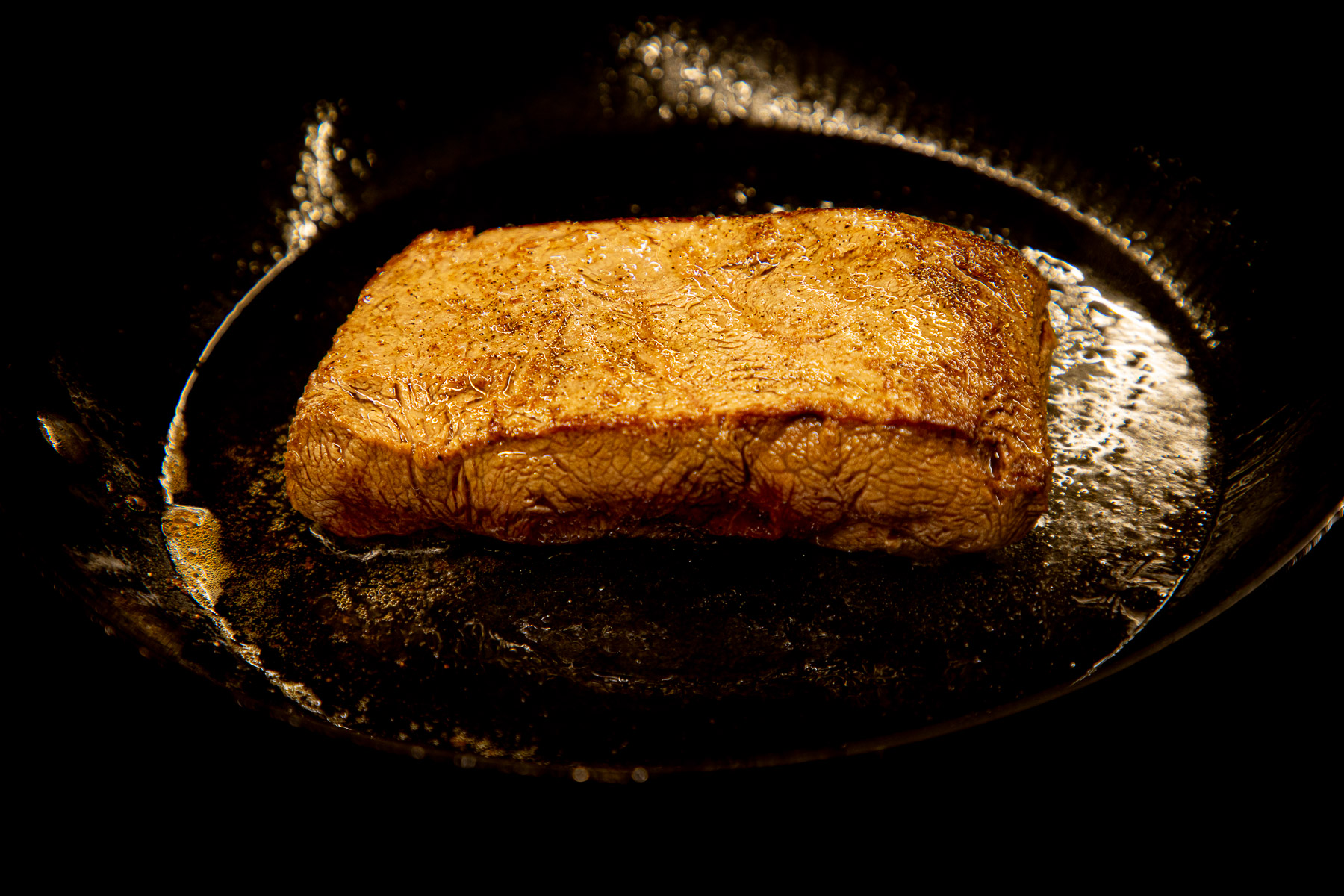
Prepare the steak: Season the steaks with salt and pepper.
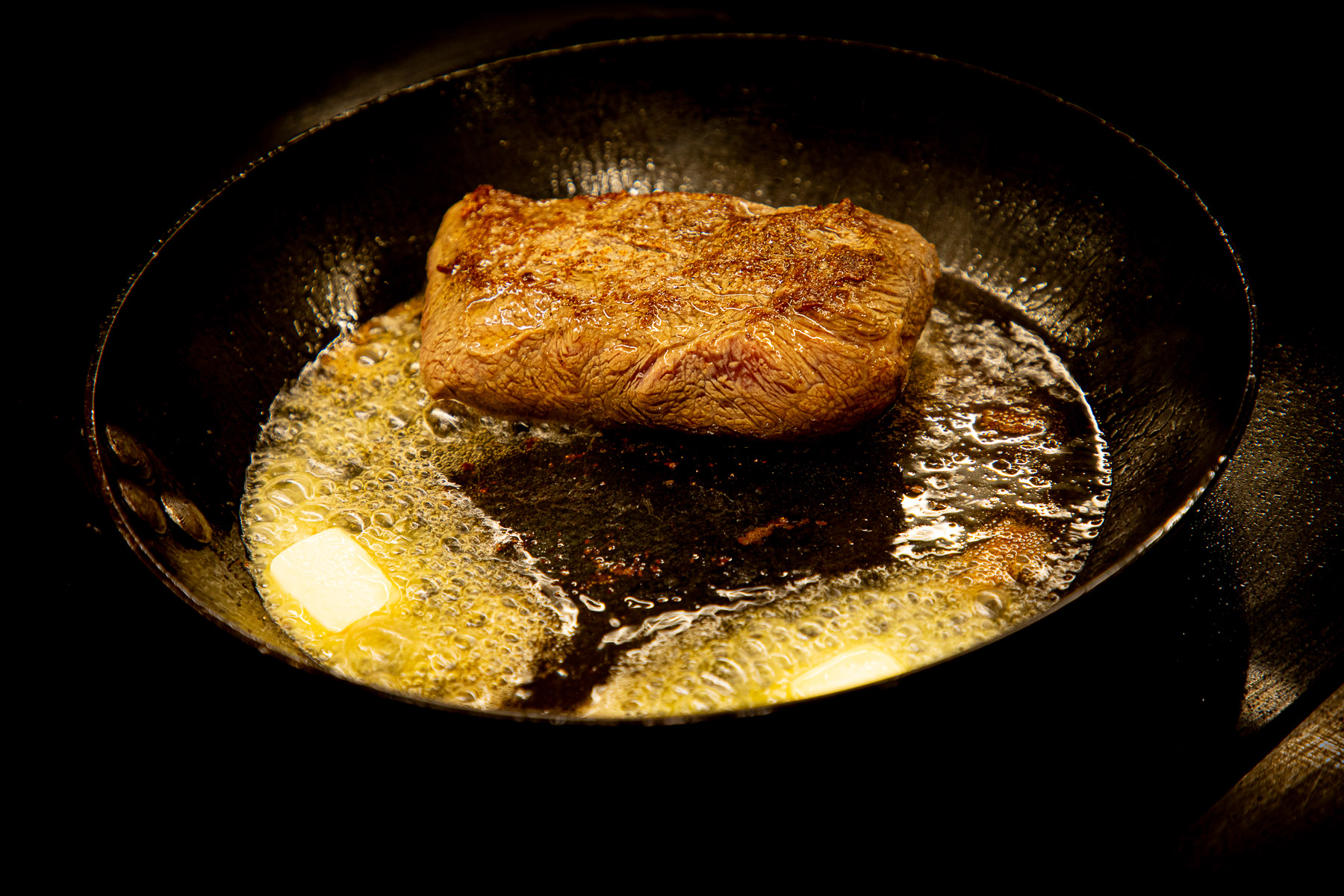
Heat olive oil and a little butter in a pan.
Sear the steaks for about 3-4 minutes on each side (depending on thickness and desired doneness).
Remove from heat and let rest briefly. Then serve everything.
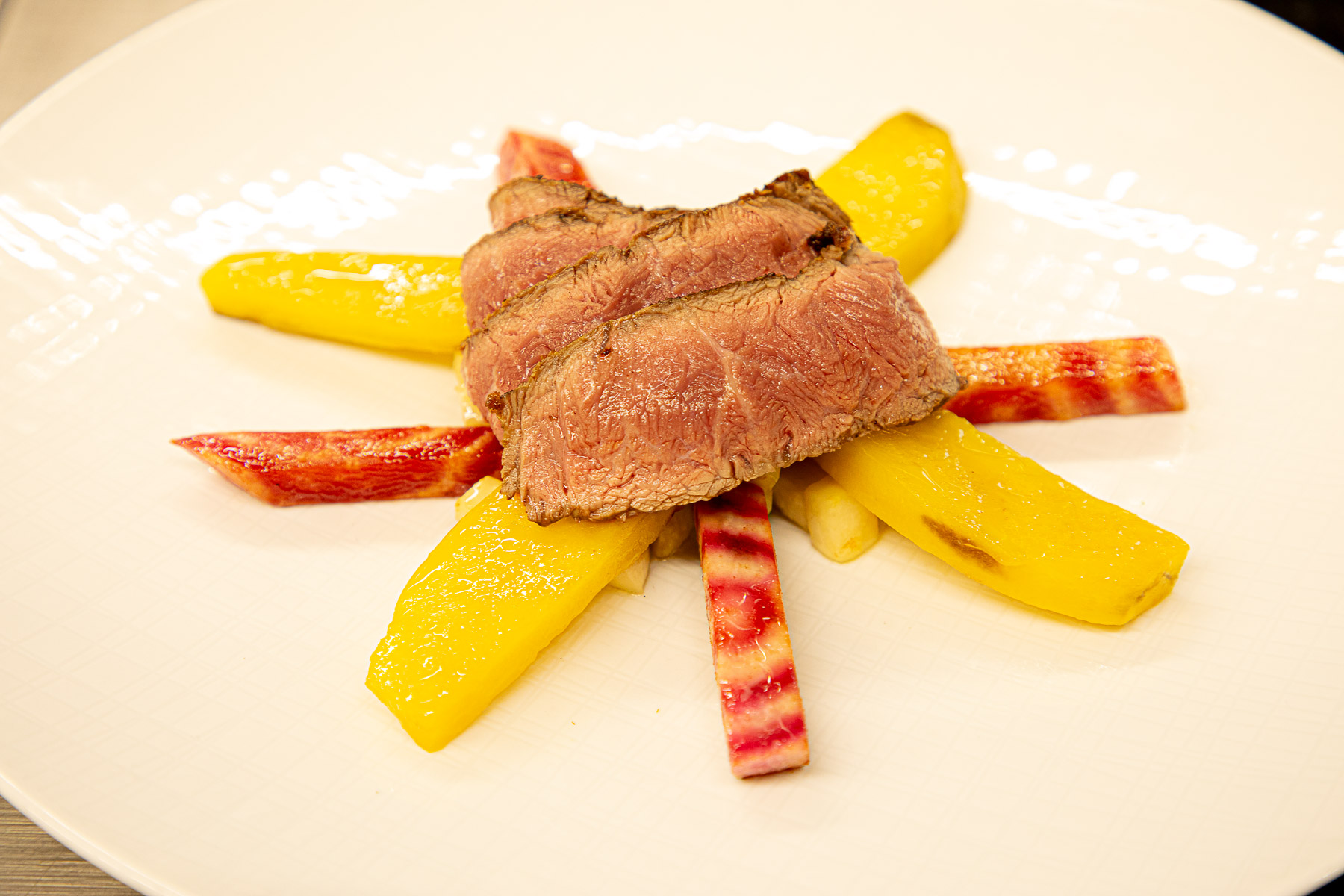
Nice to know: The flat iron steak has an interesting history, closely linked to the development of beef butchering and the meat industry. The flat iron steak comes from the shoulder area of the cow, more specifically from the so-called "top blade" or "shoulder cut." This part of the beef was previously considered less valuable because it contained many tendons and connective tissue that made the meat tough.
In the early 2000s, however, meat scientists and butchers discovered that by cutting it in a special way and removing the tough tendon, a particularly tender and flavorful steak could be obtained from the shoulder area. This new steak was called the "flat iron steak" because of its flat, triangular shape, reminiscent of a flat iron.
The discovery of the flat iron steak was a breakthrough because it represents a low-cost alternative to more expensive steaks like ribeye or fillet, yet is still very tender and flavorful. Since then, the flat iron steak has gained popularity, especially in the US and increasingly in Europe, and can now be found in many restaurants and meat counters.
In summary, the flat iron steak is an example of how innovation in meat cutting can open up new, high-quality cuts of meat that previously received little attention.