Ingredients
For the stock:
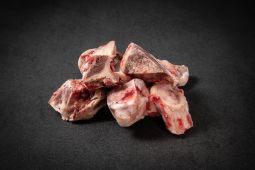
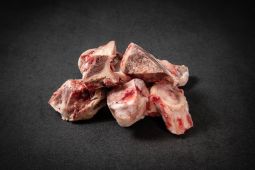
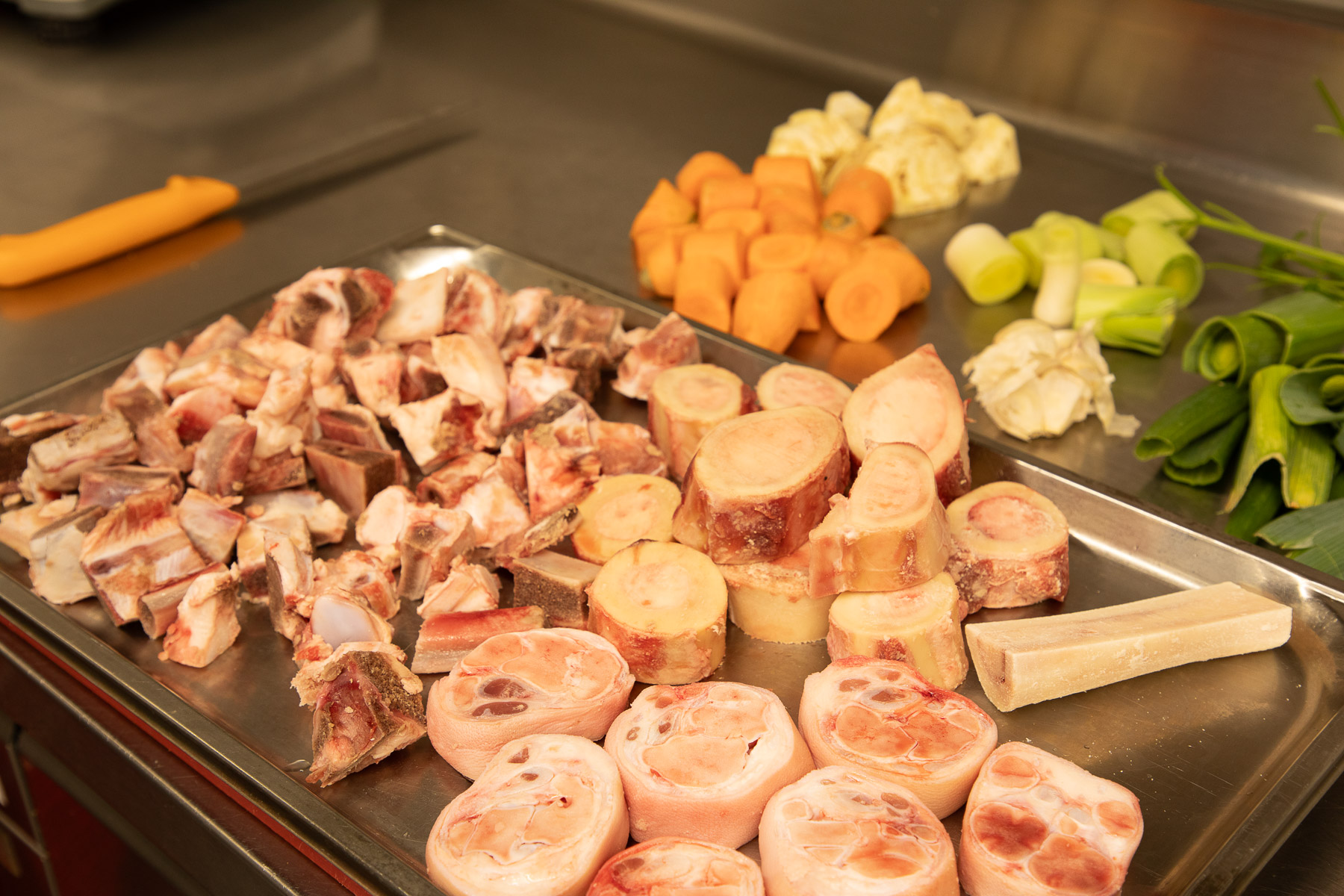
500 g veal bones
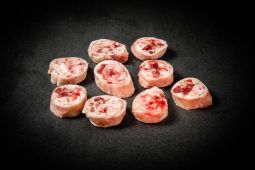
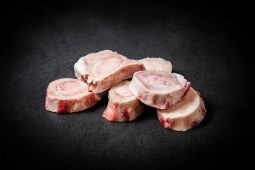
500 g beef bones (e.g. marrow bones)
500 g pork bones (e.g. pork legs)
2-3 tbsp olive oil or butter
2 onions, quartered
2 carrots, roughly diced
1 celery root, roughly diced
1 leek, roughly diced
4-5 garlic cloves, whole
2-3 tbsp tomato paste
1-2 bay leaves
4 cloves
6 juniper berries
2-3 sprigs of fresh thyme or rosemary
10-15 black peppercorns
3 L water
2 bottles of red wine
1 dl port wine
1 dl soy sauce (secret tip)
50 g flour
Preparation
Prepare the stock
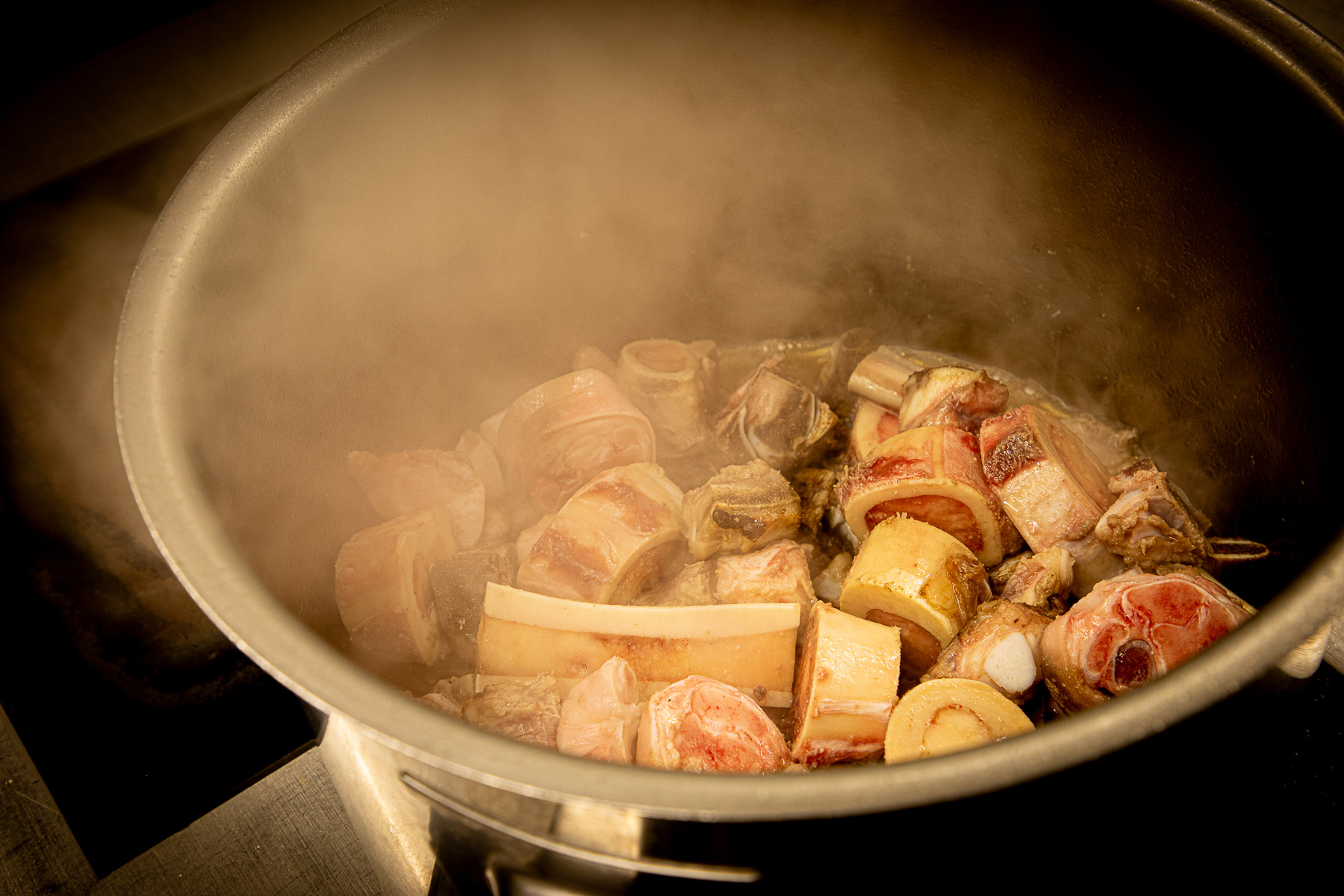
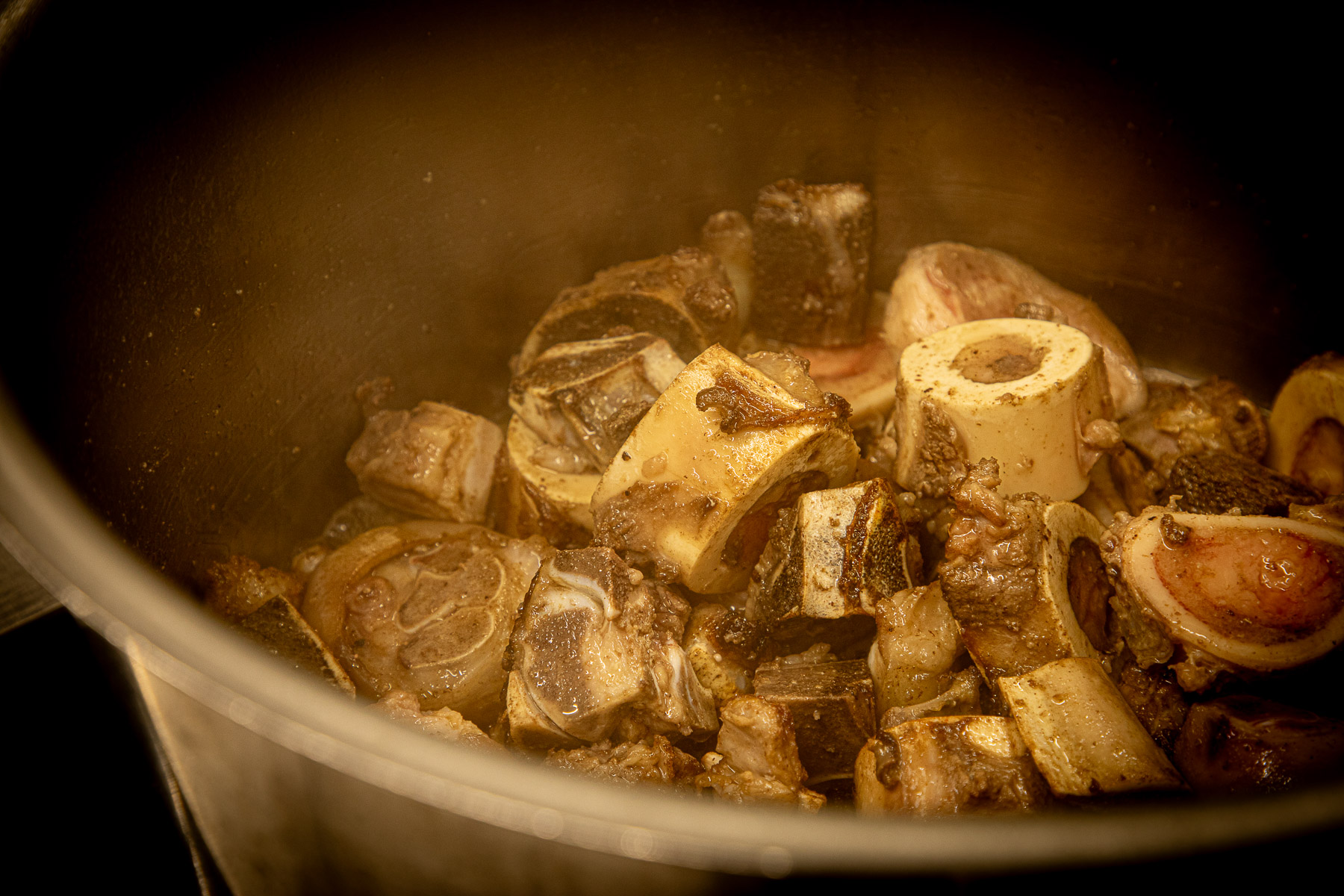
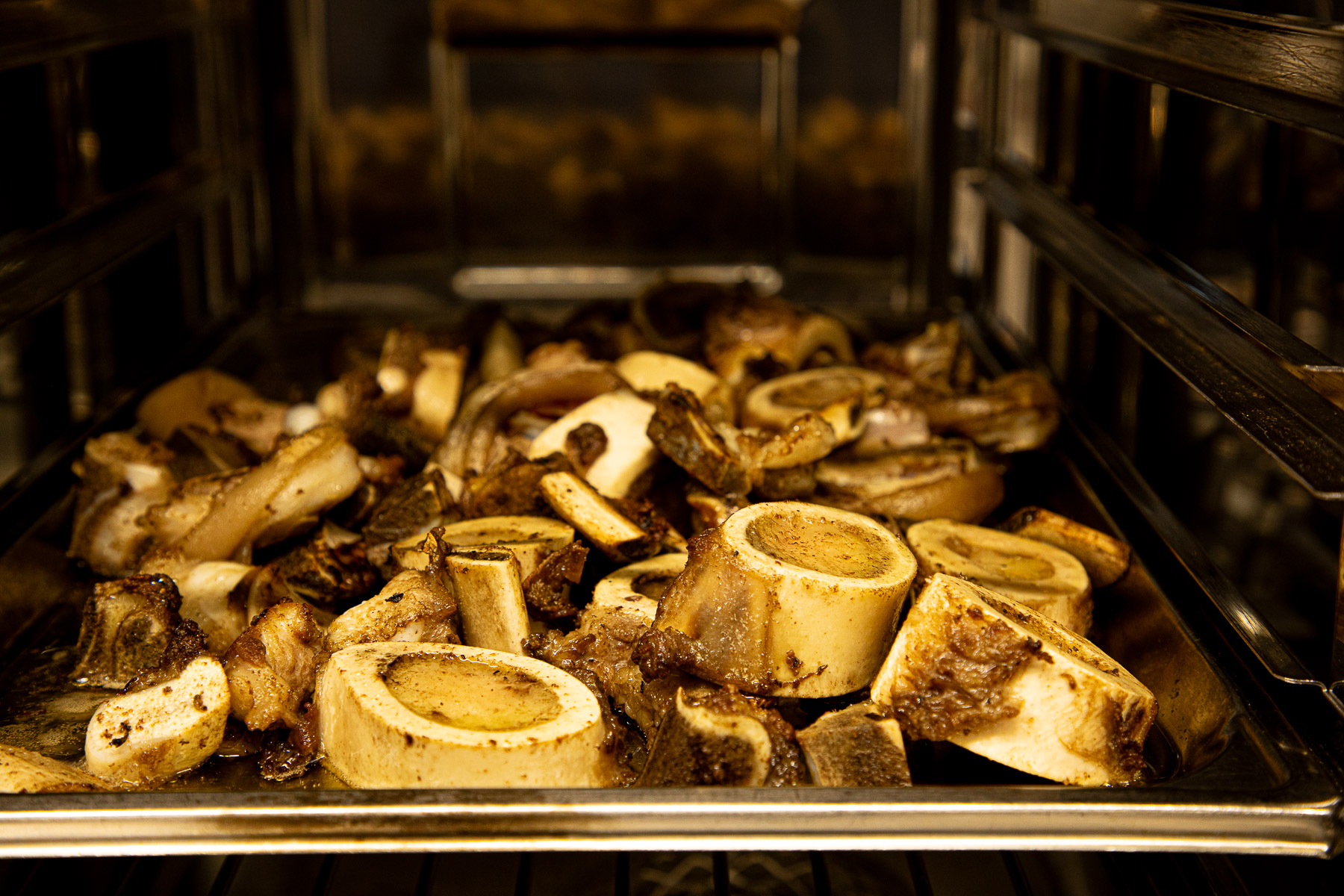
Prepare the bones: Rinse the veal, beef and pork bones well and drain them To get more flavor, the bones can also be roasted in a preheated oven at 200 °C for about 30-40 minutes until they are nicely browned.
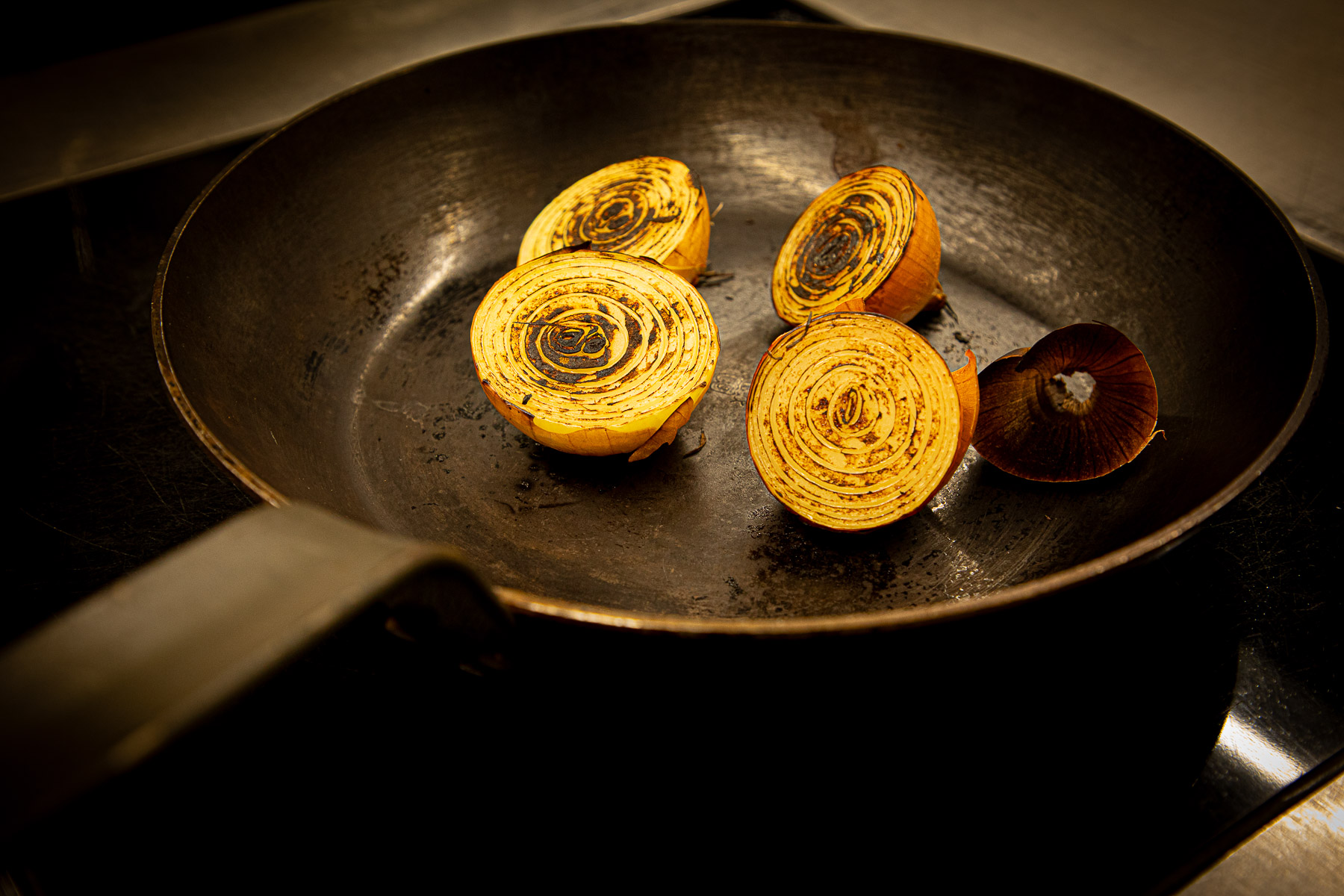
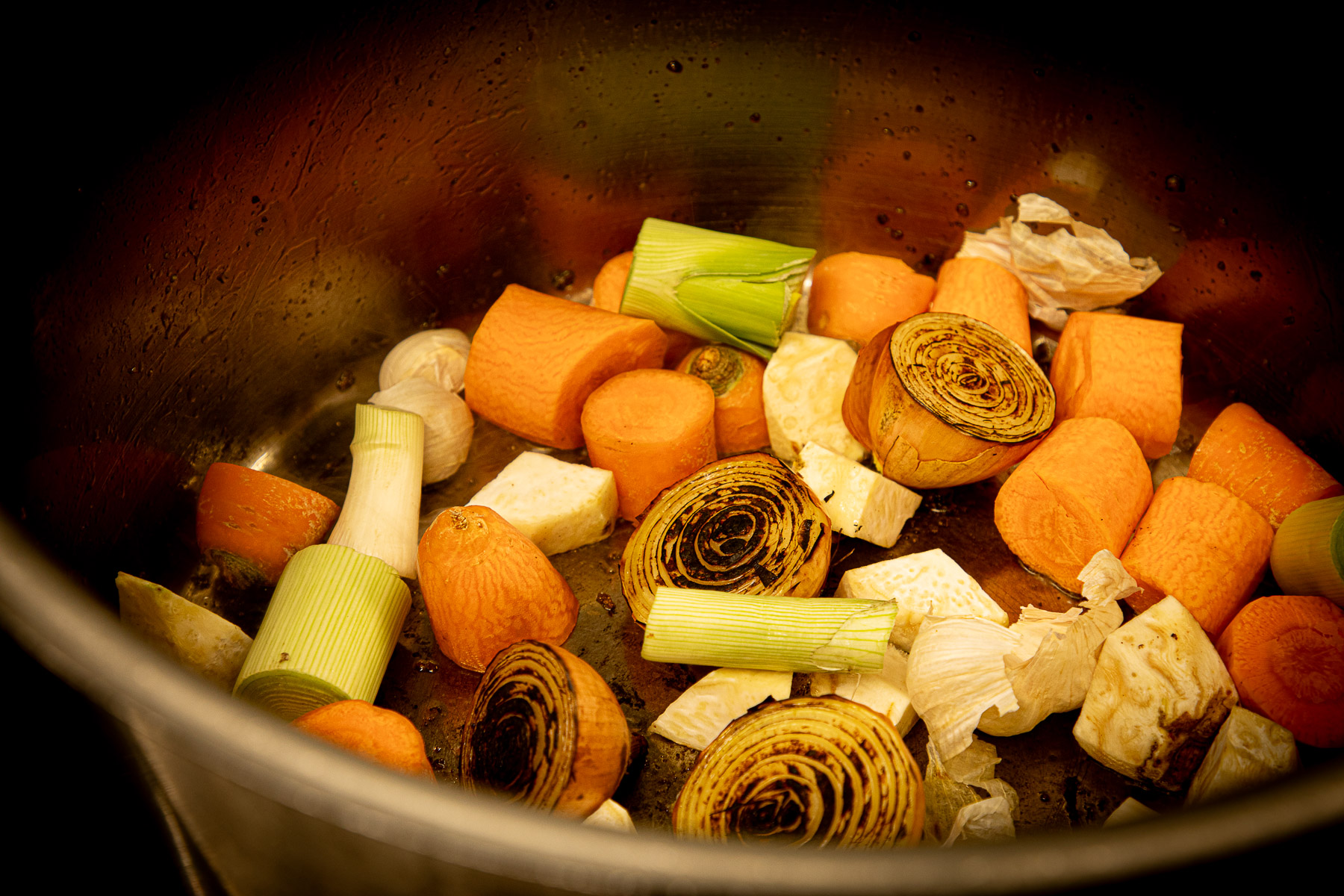
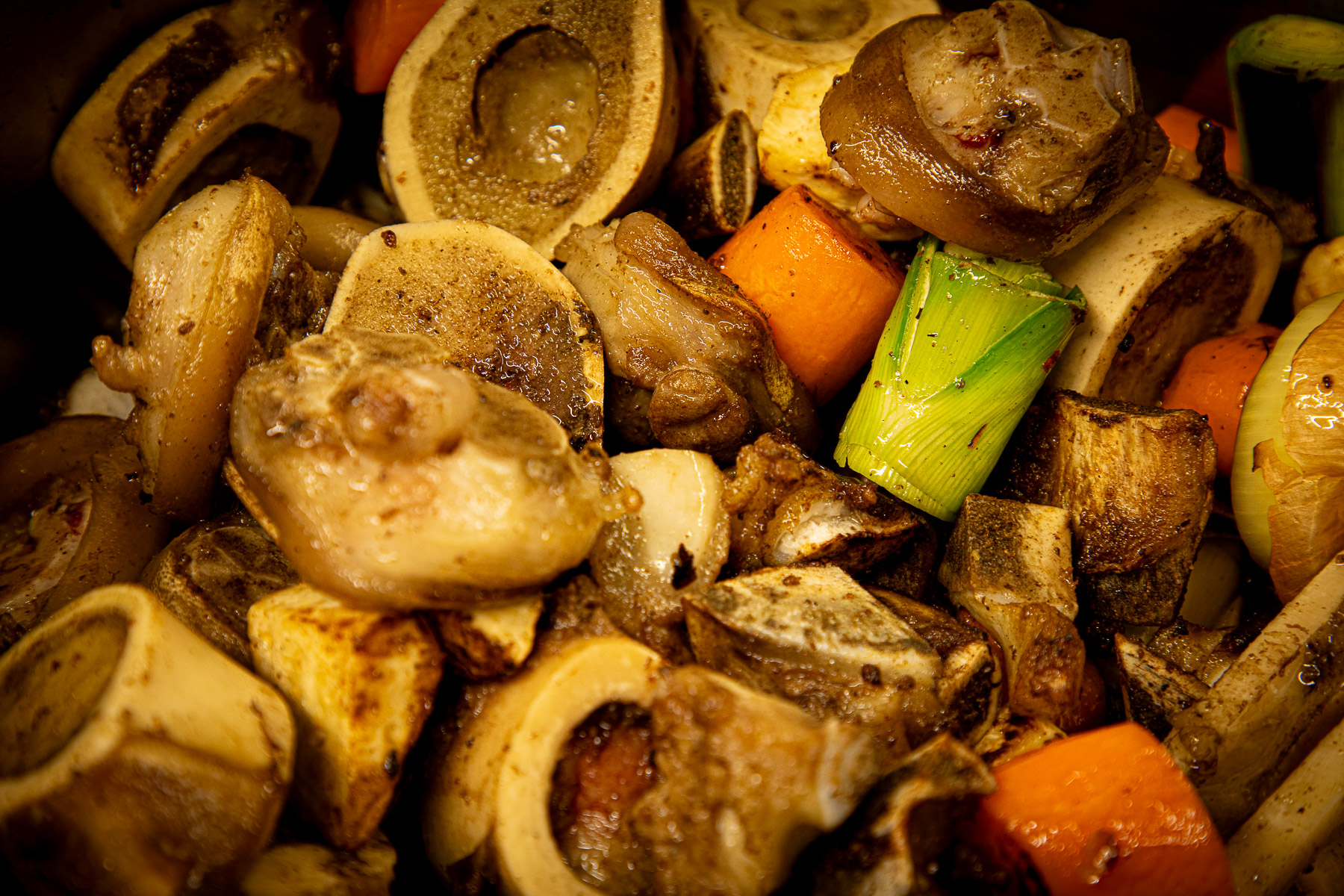
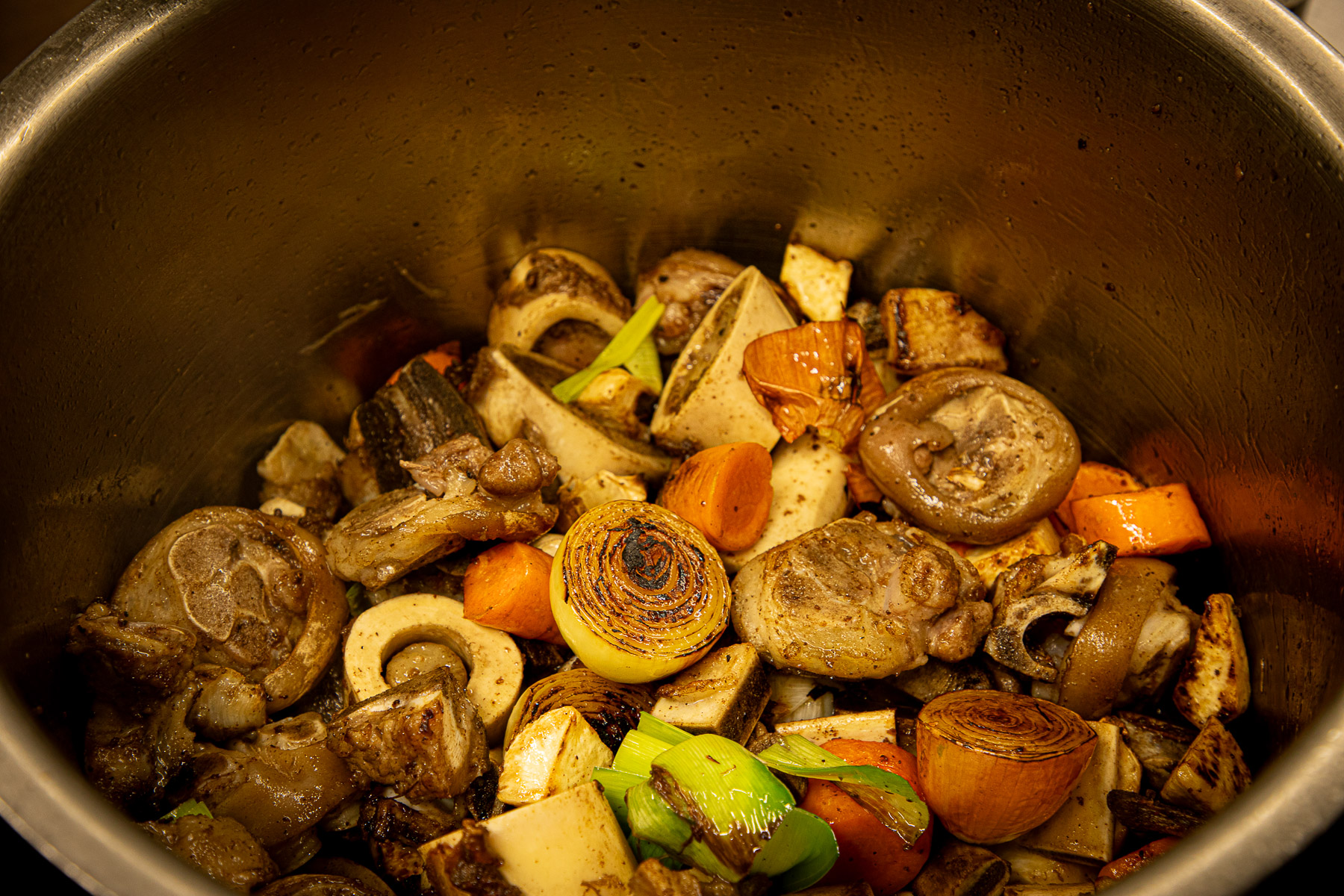
Fry the vegetables: Heat the olive oil or butter in a large pot. Add the blackened onions, carrots, celery, the whole garlic cloves and the leek, without the green part of the leek (becomes bitter when fried) and fry the vegetables over medium heat until lightly browned (about 5-7 minutes).
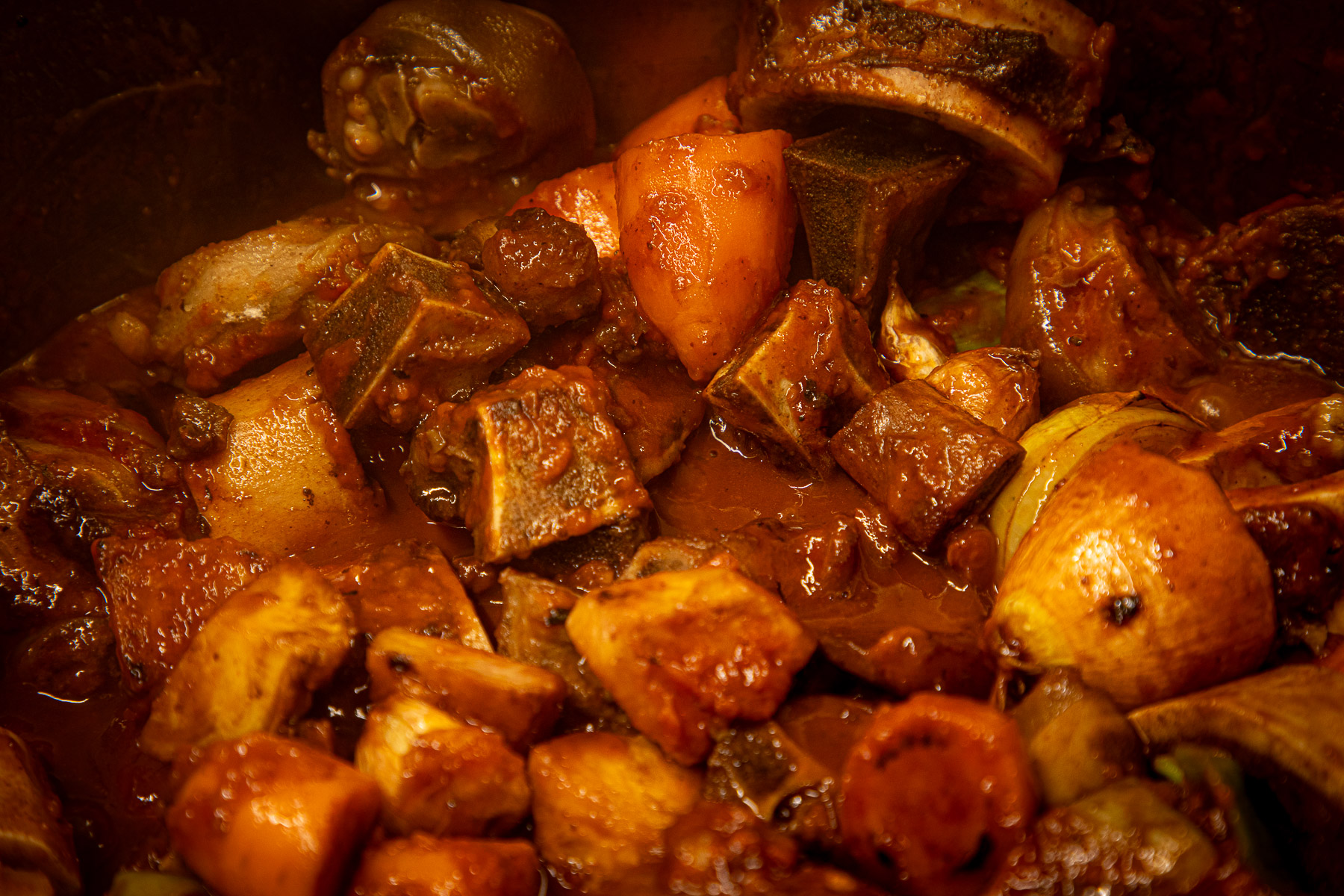
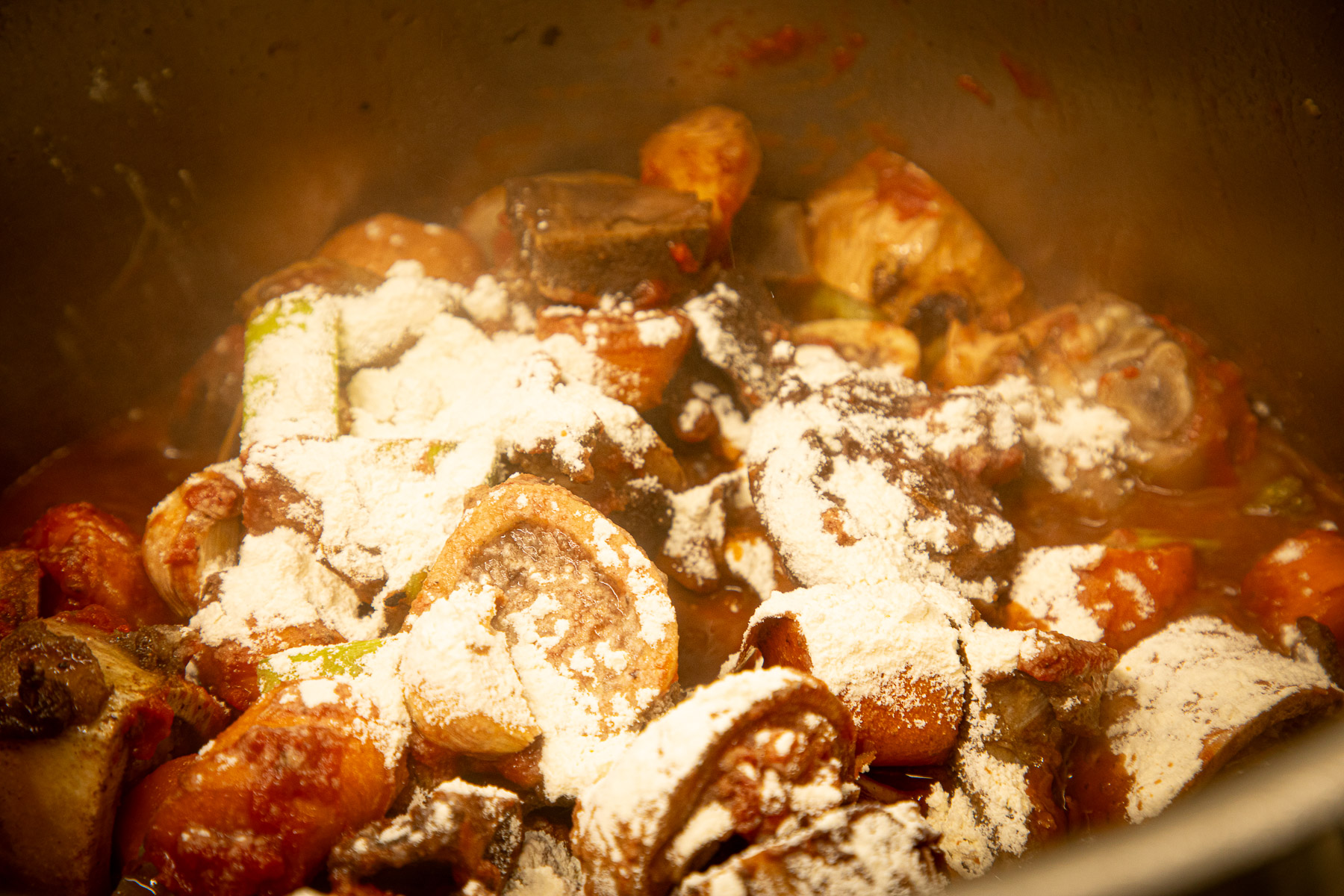
Add the bones: Put the roasted bones in the pot and fry briefly. Add the tomato paste and fry briefly to release the flavors and reduce the acidity of the tomato. Now add a little flour and let it sauté briefly.
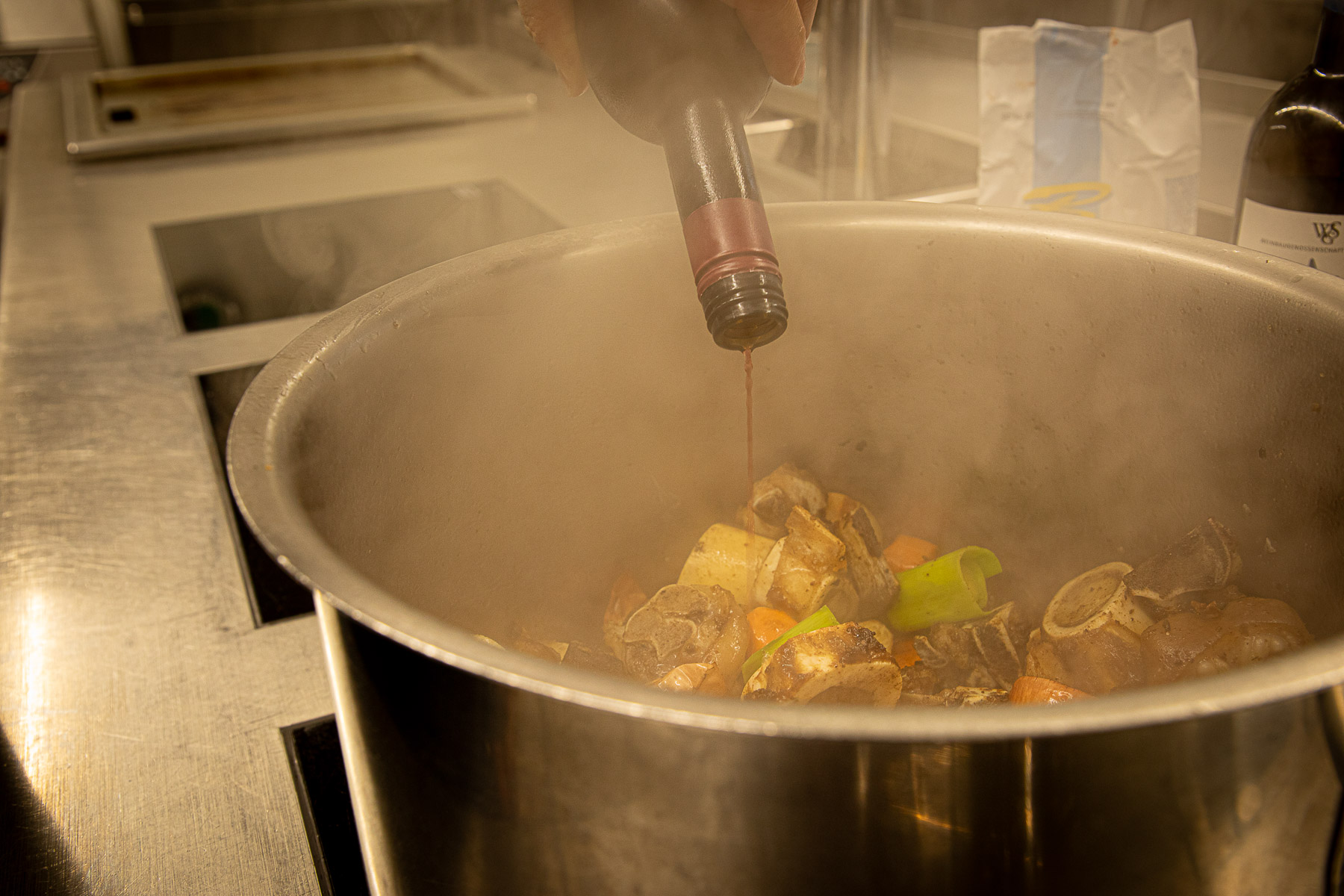
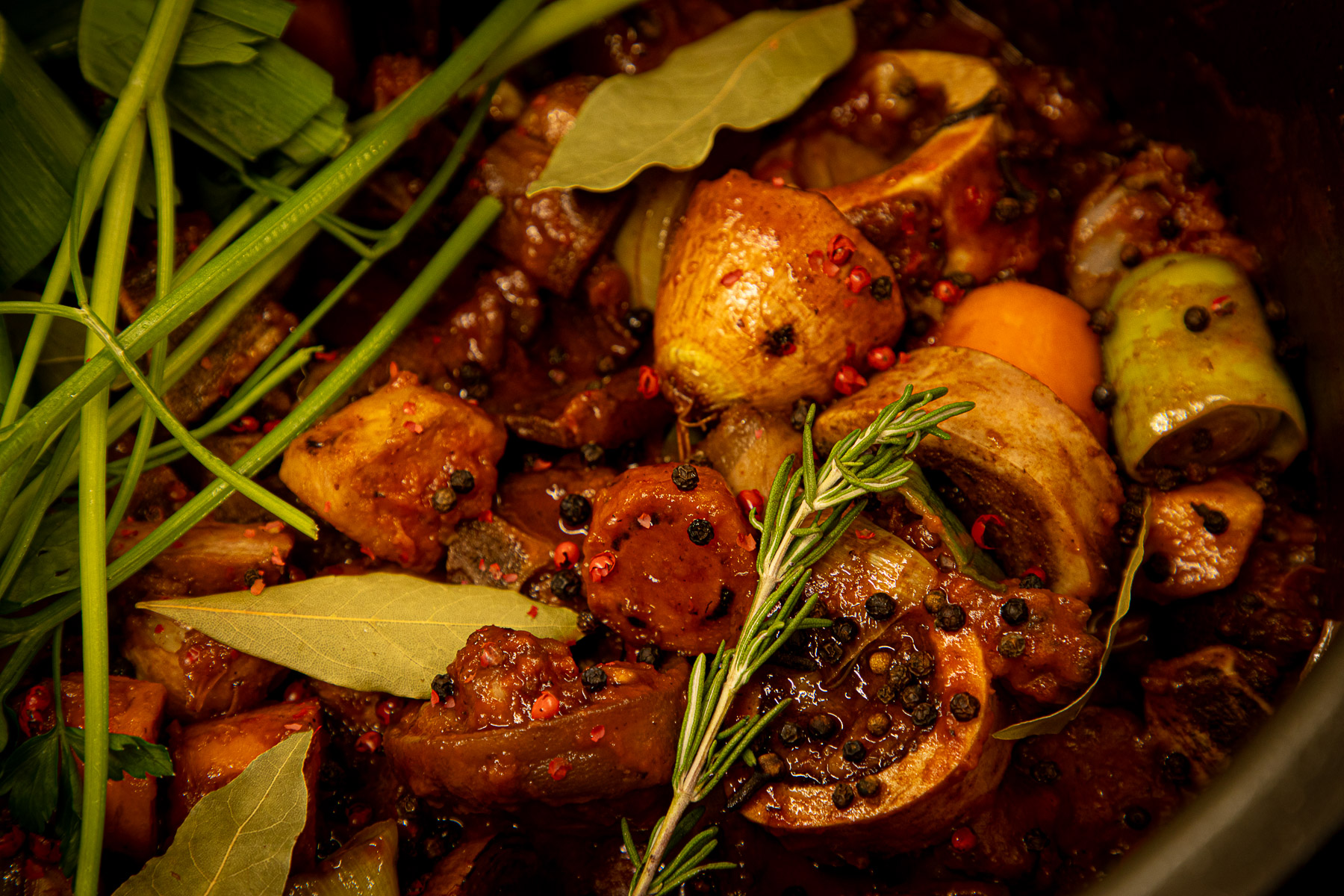
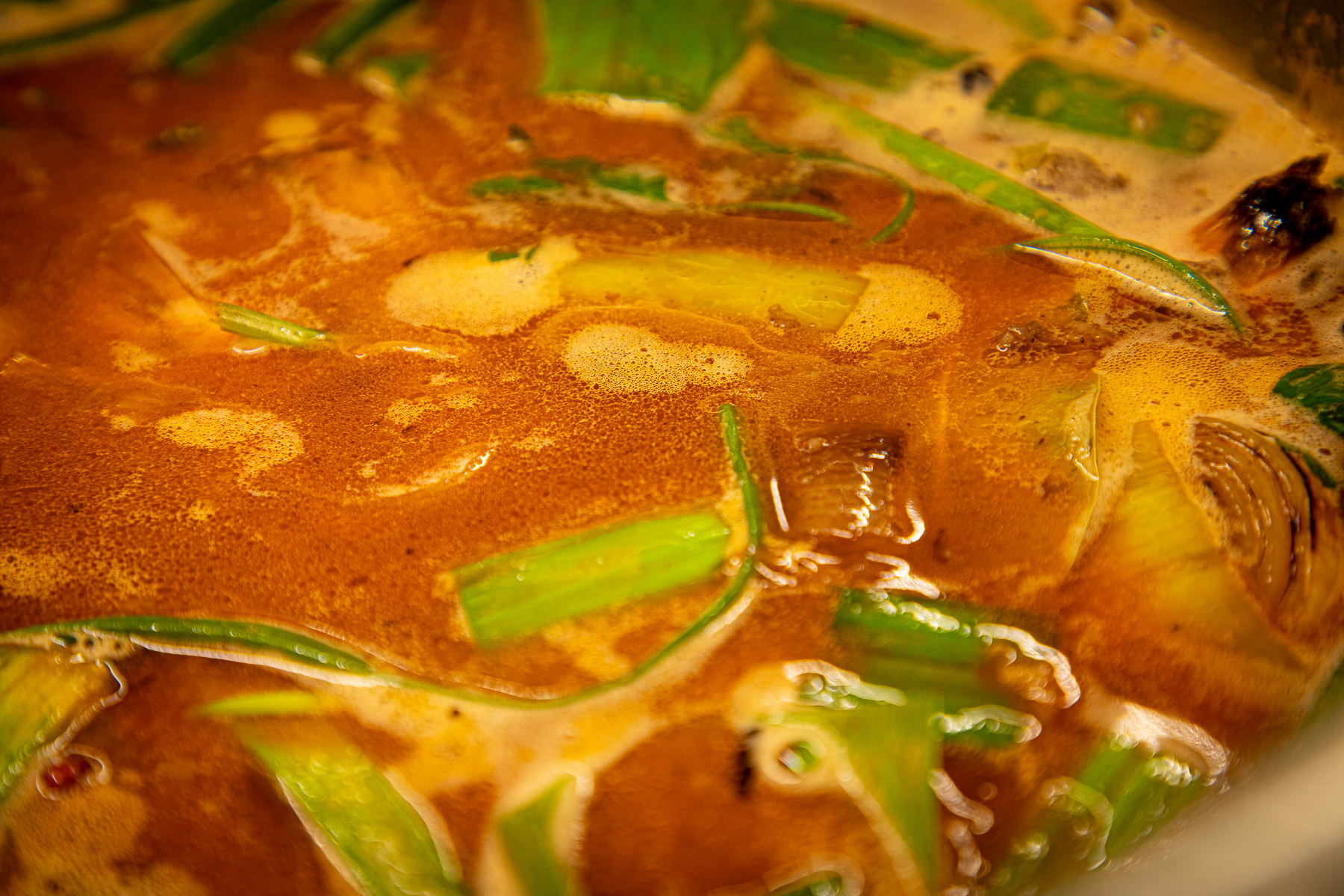
Add liquid: Deglaze the whole thing with red wine, add soy sauce and reduce. Then top up with 3 liters of water. Add bay leaves, cloves, thyme, juniper berries, peppercorns and the green parts of the leek.
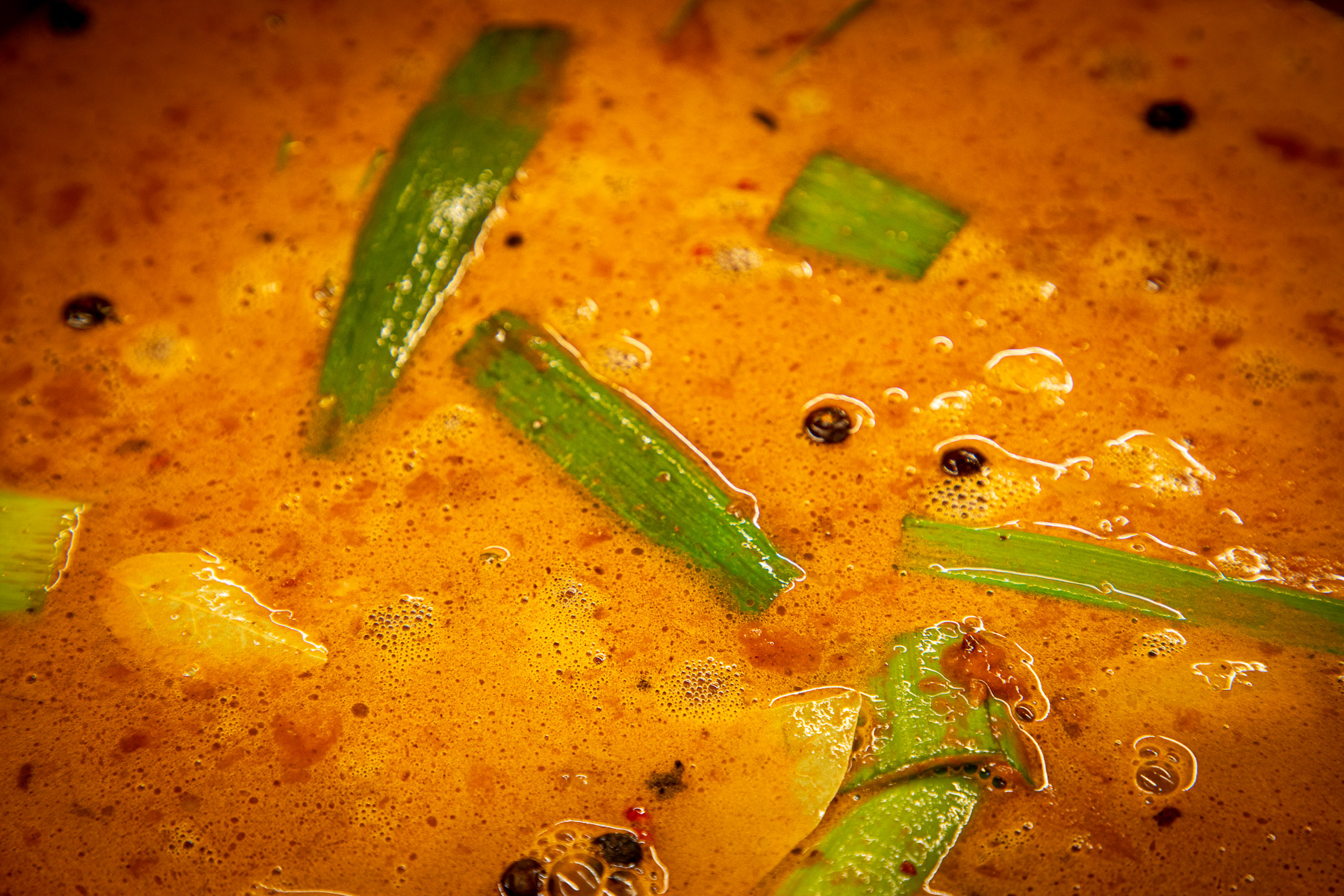
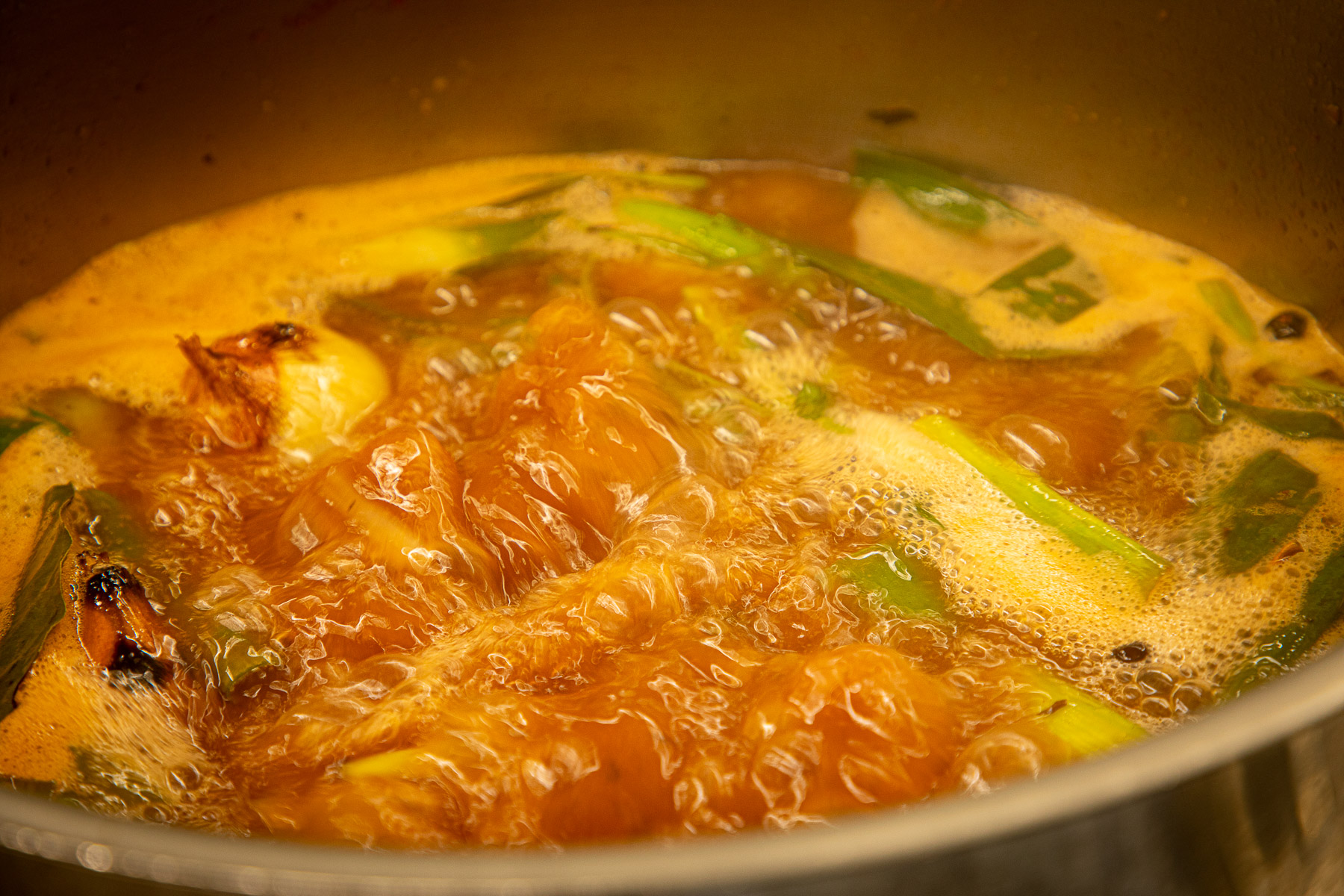
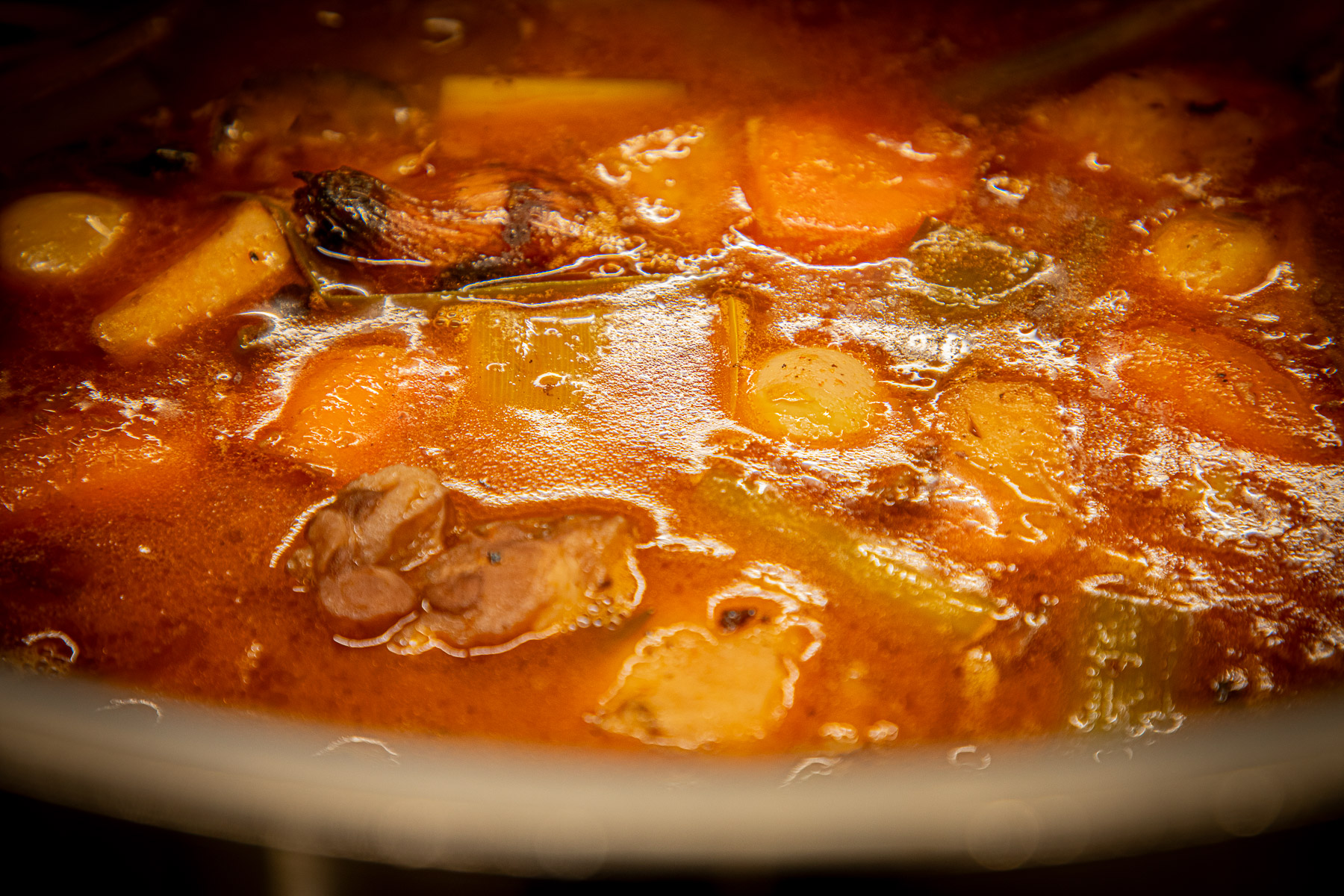
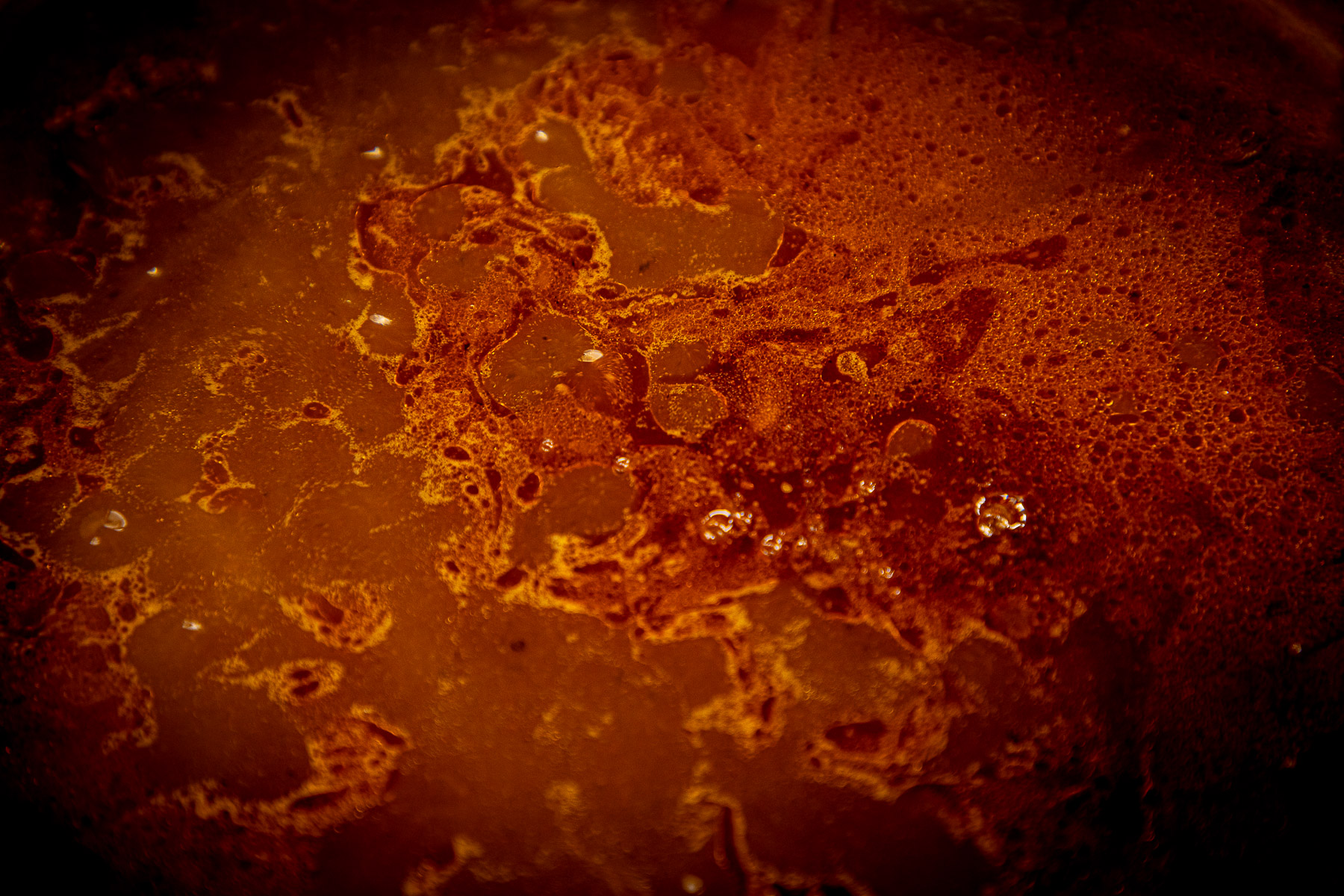
Cooking: Bring the mixture to a boil, then reduce the heat to low. Let the stock simmer gently for about 6-8 hours, regularly removing any foam and fat that forms on the surface.
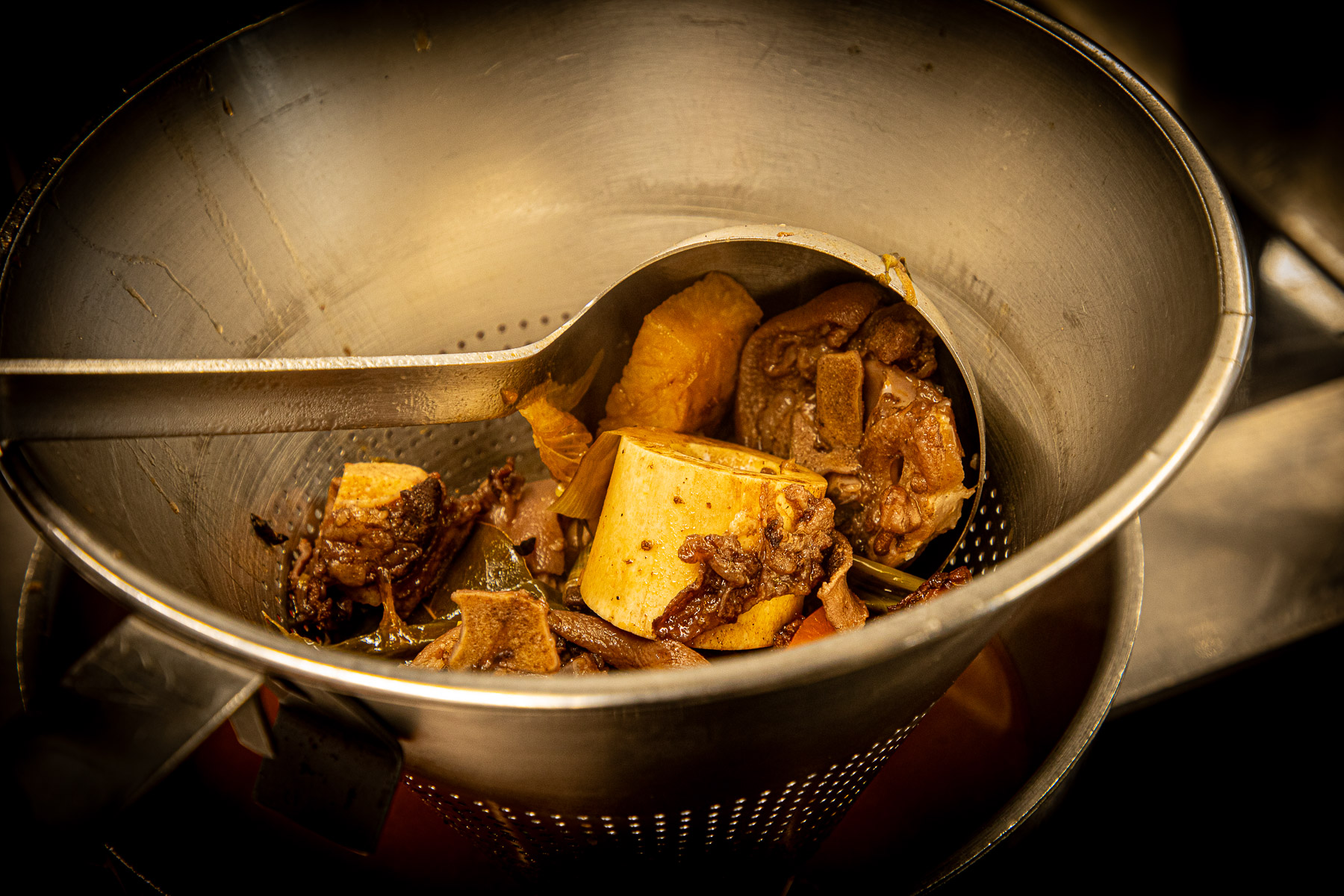
Straining: After simmering, strain the stock through a fine sieve or cheesecloth into another pan. Squeeze the solids well to extract as much liquid as possible.
Prepare the demi-glace
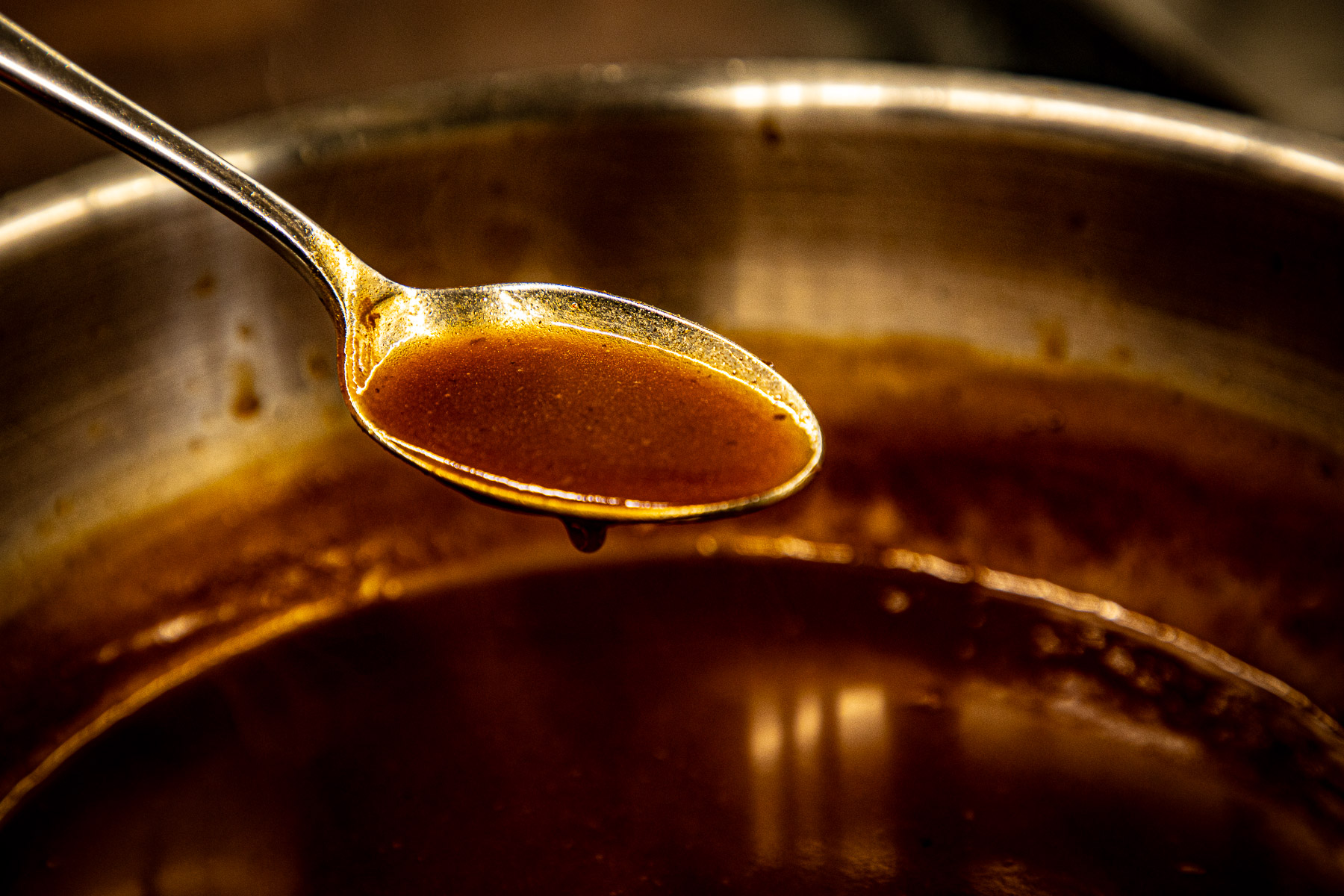
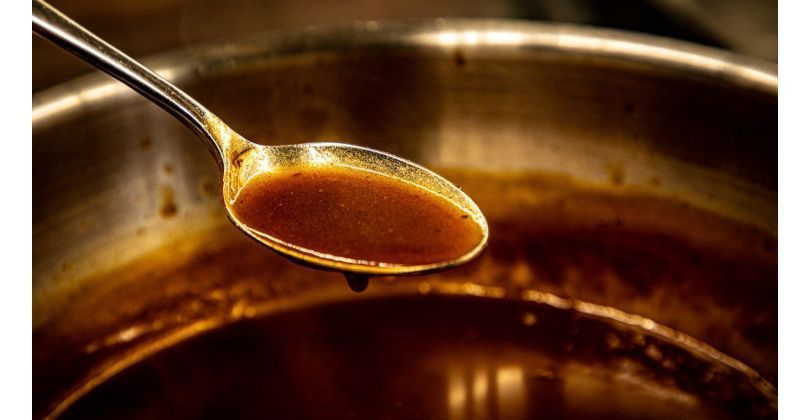
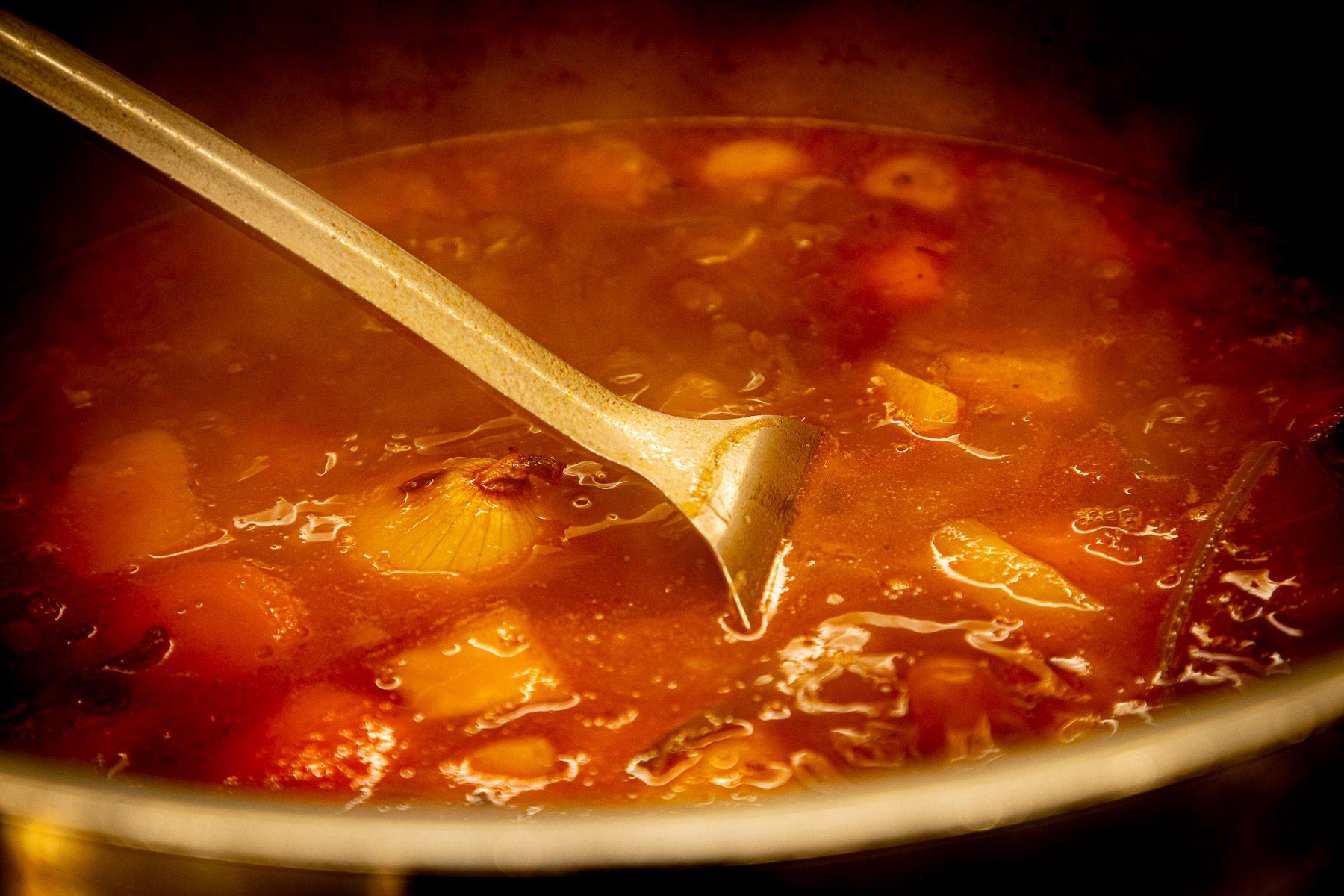
Second cooking: Take the strained stock and bring it to the boil again in a pan. Let the stock slowly reduce to half the original amount. This can take 1-2 hours, depending on the heat and the size of the pan.
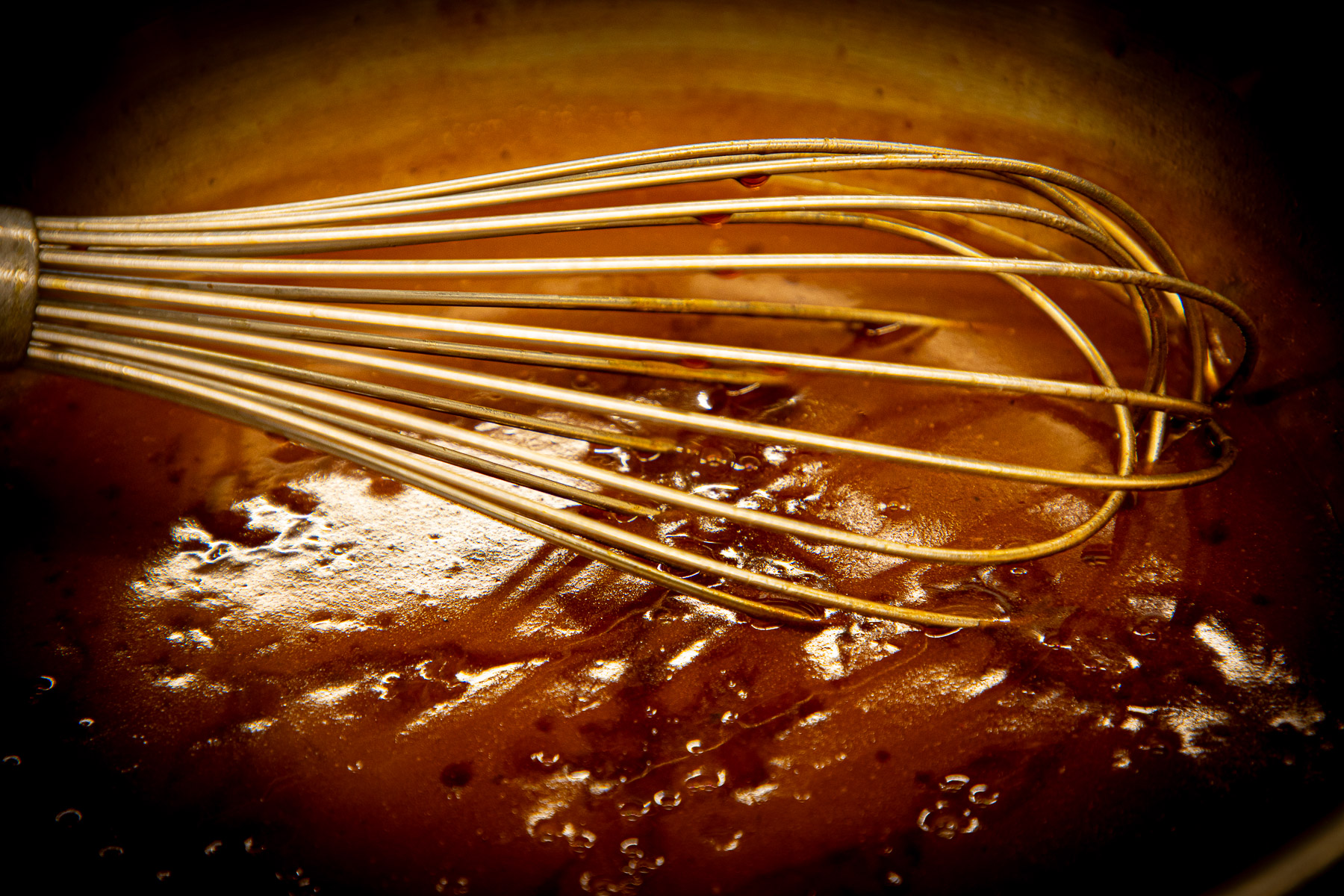
Optional for binding: If you want a thicker consistency, you can mix 1-2 tablespoons of flour or cornstarch in a little cold water and then stir into the greatly reduced stock. Let it simmer for another 10 minutes.
Seasoning: Season the demi-glace with salt and pepper. You can also add more herbs to refine the flavors.
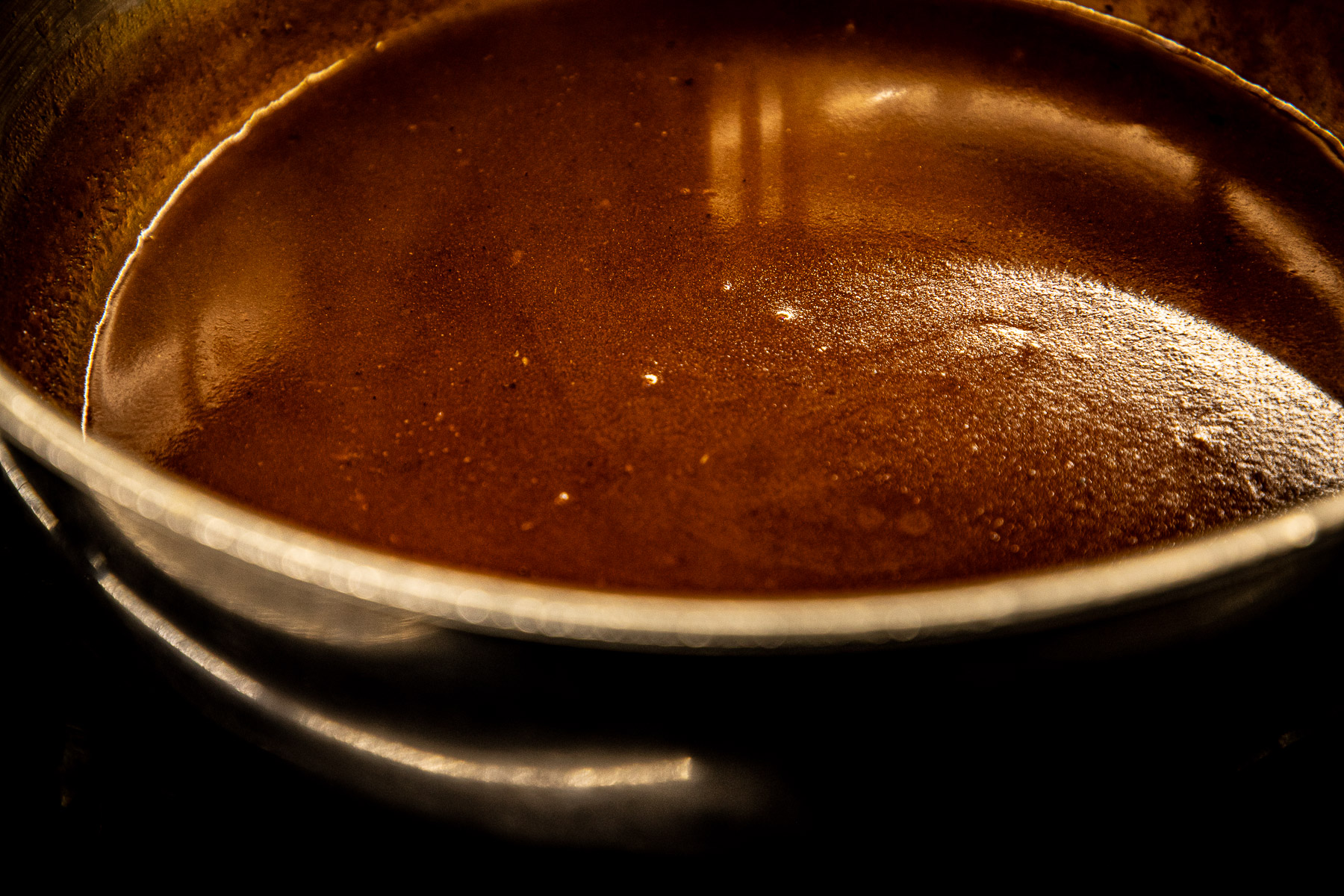
Sieving and storage: Sieve the finished demi-glace through a fine sieve to obtain a smooth sauce. Let it cool and store it in an airtight container in the refrigerator. It will keep there for about 3-4 days or freezes well.
Tips: Demi-glace can be used as a base for many sauces and goes well with steaks, roasts and other meat dishes.
Fill the sauce into ice cube trays so that they can be used in portions.
Nice to know:
Gravy has a long and varied history that is closely linked to the development of cooking and food culture in Europe. Its origins can be traced back to ancient times, when simple sauces made from stocks, fats and herbs were used to intensify the flavour of meat dishes.
In the Middle Ages, sauces often became more complex and included various ingredients such as wine, spices and vinegar. These sauces were not only used to enhance flavour, but also to preserve food. This period also saw the first recipes for sauces written down in cookbooks.
Over the centuries, especially during the Renaissance, European cooking flourished, introducing new techniques and ingredients that expanded the variety of sauces. French cuisine, which is particularly famous for its sauces, developed a variety of gravies in the 17th and 18th centuries that served as the basis for many dishes.
One of the most popular is demi-glace, a rich sauce made from beef stock and a reduced brown sauce.