
Facebook Pixel

Recipes

The recipe blog, published once a week, is written personally by meat sommelier Chris.


Each post is crafted with his extensive expertise, his deep passion for culinary perfection, and his commitment to bringing out the very best in every single cut of meat.


In his recipes, Chris combines culinary creativity with in-depth knowledge of cuts, cooking techniques, aging methods, and animal origins.


As a result, readers not only receive inspiring ideas for new dishes but also valuable background information about the characteristics of different cuts and how to prepare them perfectly.


Every dish is described in detail, explained step by step, and directly linked to the matching products.

This allows readers to order the recommended cuts immediately and effortlessly – from the perfect steak to exceptional braising pieces and exclusive specialties such as dry aged cuts.


The result is an informative and inspiring blog that brings together enjoyment, expertise, and shopping convenience.


Week after week, Chris provides fresh inspiration for everyone who loves high-quality meat, wants to elevate their cooking skills, and is searching for exceptional culinary experiences.


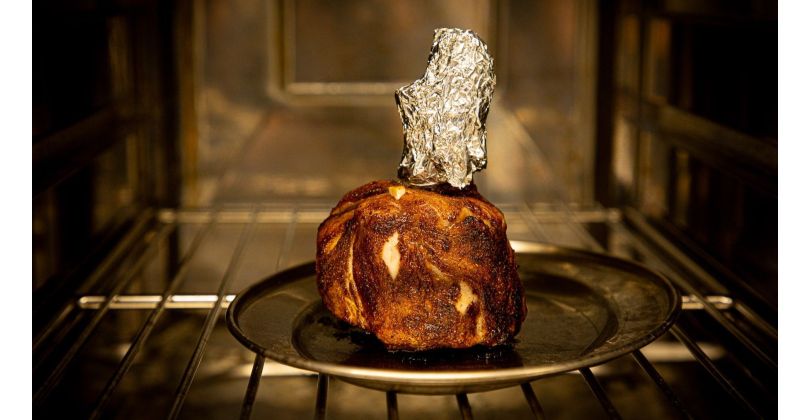
Oven-grilled pork hammer on potato-leek mash, caramelized balsamic onions, steamed pepper vegetables with spring onions, olives, sun-dried tomatoes, seeds and mint, served with a strong demi-glace
Loading...
697 view(s) 7 min read

Oven-grilled pork hammer on potato-leek mash, caramelized balsamic onions, steamed pepper vegetables with spring onions, olives, sun-dried tomatoes, seeds and mint, served with a strong demi-glace

Nice to Know:

Nice to know: The pork knuckle is rich in protein and contains a certain amount of fat, which gives it a juicy and tasty touch. However, it is recommended to enjoy it in moderation, as it can also be high in calories. The pork knuckle has made a name for itself beyond its borders and is popular in many other countries.

It is usually appreciated for its hearty crust and juicy meat, and many chefs experiment with different marinades and side dishes to make the dish even more varied. Overall, the pork knuckle is not only a gastronomic highlight, but also a piece of culinary tradition that has developed over centuries and continues to be appreciated.

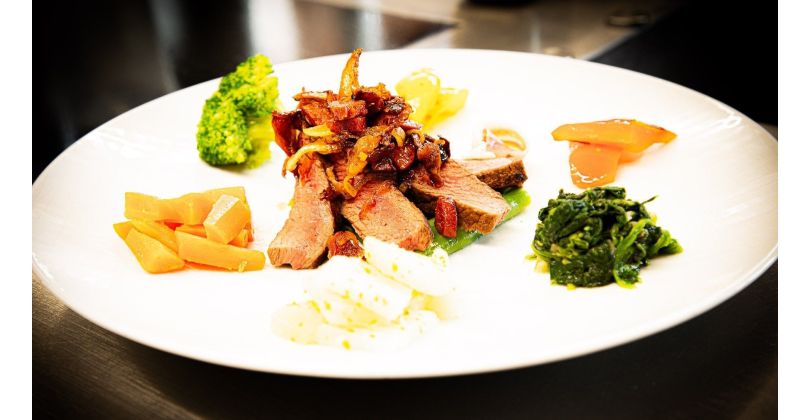
Grilled Denver Cut Steak from a cast iron pan with fresh vegetables and sautéed chorizo, chanterelles, and onions
Loading...
446 view(s) 5 min read

Grilled Denver Cut Steak from a cast iron pan with fresh vegetables and sautéed chorizo, chanterelles, and onions

The Denver Cut Steak is a real insider tip among steak lovers. It comes from the so-called "chuck" area of ​​the beef, more specifically from the shoulder blade muscle. Despite its origin in the shoulder, the Denver Cut Steak is tender and flavorful – a real treat!

What makes the Denver Cut Steak so special? It has fine marbling, tiny veins of fat that melt during cooking, giving the meat its intense flavor. The texture is tender yet firm to the bite—perfect for those seeking a steak with character.

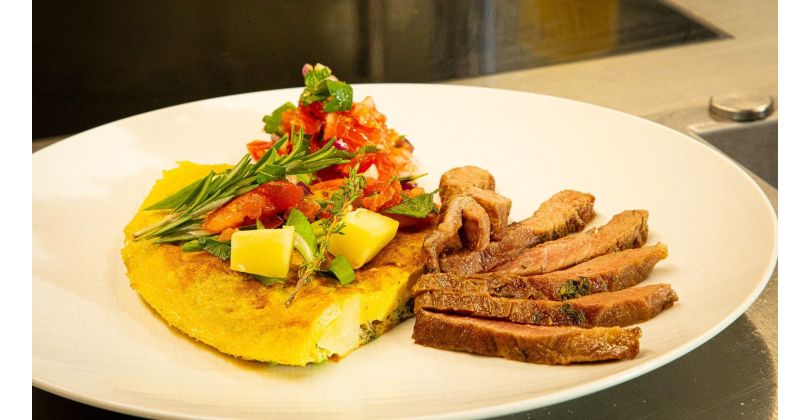
Pan-fried Iberico Abanico with Spanish Egg Tortilla and Tomato-Parsley Salsa
Loading...
191 view(s) 5 min read

Pan-fried Iberico Abanico with Spanish Egg Tortilla and Tomato-Parsley Salsa

From farm fare to delicacy: For a long time, Iberico pork was considered a rural product. It wasn't until the 20th century that special cuts and qualities began to be marketed more effectively. Today, products like Jamón Iberico de Bellota, Presa, Pluma, Secreto, and Abanico are recognized worldwide as high-quality specialties.

Interesting fact: The combination of breed, exercise, and acorn diet results in Iberico pork fat having an unusually high oleic acid content – ​​similar to olive oil. This means the fat melts at relatively low temperatures, making the meat exceptionally tender.

Iberico Abanico is a special cut of Iberico pork from Spain. The name comes from the Spanish word "abanico," meaning fan. This cut of meat is flat, slightly fan-shaped, and located between the pig's back and ribs.

What makes Abanico so special?
Extremely aromatic. Abanico is heavily marbled with fine fat. This keeps the meat very juicy when grilled or pan-fried and develops an intense, nutty flavor.

Iberico quality. Iberico pigs are traditionally raised in Spain and feed partly on acorns (Bellota). This gives them their characteristic aroma and exceptional fat quality.

Perfect for grilling. Abanico is usually grilled quickly and at high heat, like a steak. Because it's relatively thin, it only needs a few minutes per side.

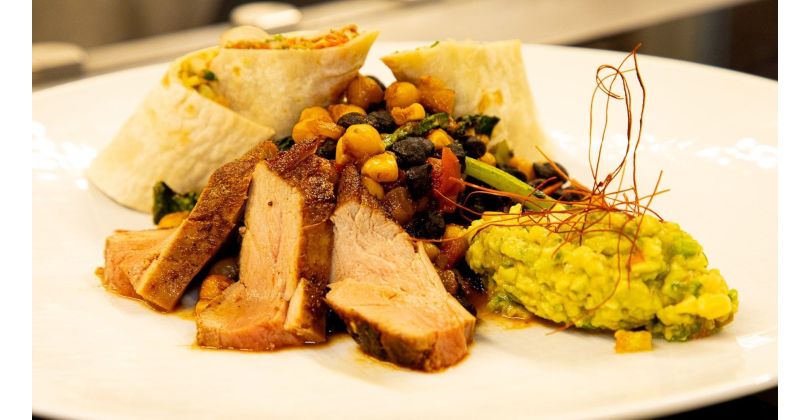
Burrito with zebra fillet, fresh guacamole, crunchy vegetables, and spicy tomato salsa
Loading...
78 view(s) 4 min read

Burrito with zebra fillet, fresh guacamole, crunchy vegetables, and spicy tomato salsa

Zebra meat has deep roots in the history of southern and eastern Africa. Long before livestock farming was widespread, hunting wild animals played a central role in the diet of many indigenous communities. Zebras were an important, albeit not common, source of meat. They were prized for their lean, flavorful meat and were usually hunted as part of communal hunts.

With the colonial era, the status of zebra meat changed significantly. European settlers brought cattle, sheep, and goats, which meant that wild game meat became less prevalent. Furthermore, the zebra was increasingly perceived as a symbol of the African wilderness and less as a domestic animal.

Nevertheless, zebra meat remained part of the local cuisine in rural areas and was traditionally dried or cooked over an open fire.

In the 20th century, zebra meat gained renewed attention, primarily from health and environmental perspectives. Due to its low fat content and the natural way the animals were raised, it is considered a very lean, protein-rich meat. In some African countries, it is still marketed under controlled conditions, especially where sustainable wildlife management is practiced.

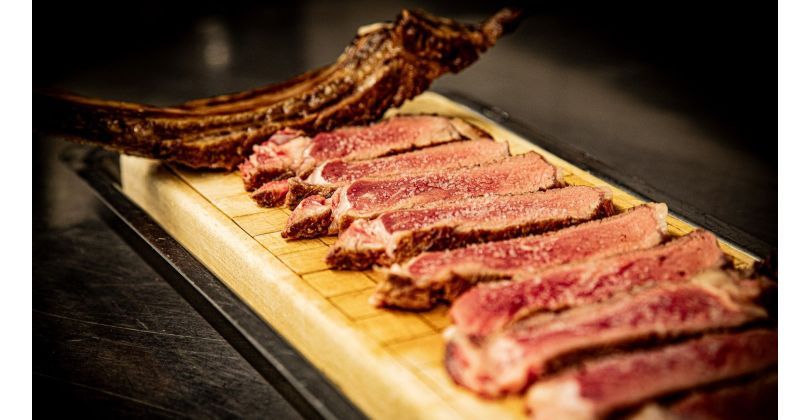
The Tomahawk Steak - Dry Aged - Kettyle Irish Food - The Dry Aged Pioneer
Loading...
1004 view(s) 4 min read

The Tomahawk Steak - Dry Aged - Kettyle Irish Food - The Dry Aged Pioneer

The Tomahawk Steak - Dry Aged - Kettyle Irish Food - The Dry Aged Pioneer


A Tomahawk steak is not only a treat, but also an impressive piece of meat that should be prepared properly to bring out its full flavor. Here is a recipe to perfectly fry a Tomahawk steak:

Ingredients for 2-3 people

1 Tomahawk steak (approx. 1-1.3kg)
Coarse salt (e.g. sea salt or fleur de sel)
Freshly ground black pepper
2-3 tbsp olive oil or clarified butter


Preparation:


Preparation: Take the Tomahawk steak out of the fridge about 1-2 hours before frying so that it reaches room temperature. This helps to achieve even cooking.

Seasoning: Rub the steak with coarse salt and freshly ground black pepper. Seasoning should be done at least 30 minutes before frying so that the steak can absorb the flavors.

Frying: Heat a large pan (or grill) over high heat and add the olive oil or clarified butter.

Once the oil is hot, place the steak in the pan. Fry for 4-5 minutes on each side until a nice crust forms. Alternatively, you can sear the steak on a grill over direct heat.

Indirect heat: After searing, place the steak on an indirect heat zone of the grill or in the preheated oven (approx. 120-150 °C) to achieve the desired level of doneness. Use a meat thermometer to check the core temperature:


Rare: 50-52 °C

Medium-Rare: 54-57 °C

Medium: 60-63 °C

Medium-Well: 65-68 °C

Well Done: Over 70 °C


Let it rest: Take the steak off the grill or pan and let it rest on a cutting board for about 10-15 minutes. This allows the juices to distribute throughout the meat.

Serve: Cut the steak into slices across the grain and serve with your favorite side dishes.

Tips: Use a meat thermometer to achieve the perfect level of doneness.

Crispy Porchetta with Tomato Risotto, Purslane, Onion and Zucchini Vegetables, and Red Wine Reduction
Loading...
317 view(s) 8 min read

Crispy Porchetta with Tomato Risotto, Purslane, Onion and Zucchini Vegetables, and Red Wine Reduction

Porchetta is one of Italy's most traditional pork dishes and much more than just a roast; it's a celebration, street food, and a craft all in one.

Origin in Central Italy: Its roots lie in Central Italy, especially in the Lazio region around Ariccia. There, porchetta is considered a culinary symbol, and the town remains famous for its version, Porchetta di Ariccia. Historians believe that even in ancient times, pigs were stuffed with herbs on spit, possibly as early as the Roman Empire. Pork was a staple food in rural Italy, and processing an entire animal was a sign of prosperity and community.

The principle: Whole animal, lots of patience: Traditionally, a whole, boneless pig is used. It is heavily seasoned inside, usually with:
Fennel, rosemary, garlic, pepper, and salt.

Then it is tightly rolled, tied, and slowly roasted over a wood fire. An extremely crispy rind develops on the outside, while the meat inside remains juicy and flavorful. This contrast is the very essence of porchetta.

A feast and street food in one: Porchetta was originally a festive dish at:
• Village festivals
• Weddings
• Religious celebrations
• Fairs

Over time, it became a legendary street food. Throughout Italy, you'll see stalls selling enormous porchetta rolls at markets. It is sliced ​​thickly and often simply served in bread, without any fuss. The meat itself is the star.

Craftsmanship with pride: The preparation is traditionally a craft, often passed down through generations by specialized porchetta makers. Every family, every region has its own blend of spices; the exact recipe is often a secret.

Why porchetta is so special: Porchetta stands for:
• Nose-to-tail cuisine
• Respect for the animal
• Sharing a meal
• Patience instead of haste
• Rustic perfection

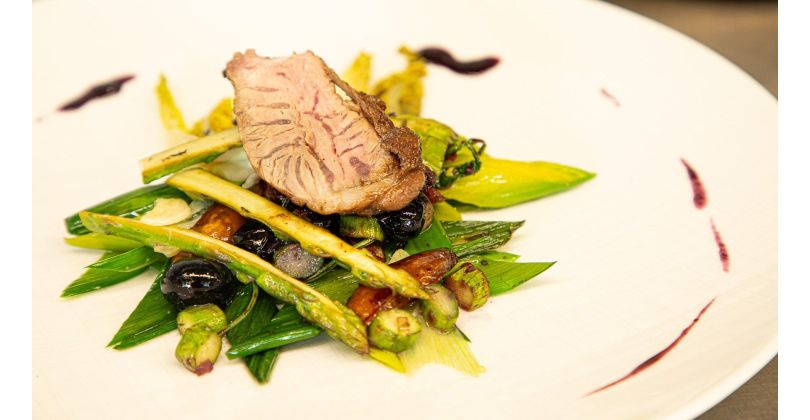
Quickly roasted Iberico head cheeks on blanched leeks and sautéed green asparagus with blueberries and dates, accompanied by a blueberry jus
Loading...
508 view(s) 5 min read

Quickly roasted Iberico head cheeks on blanched leeks and sautéed green asparagus with blueberries and dates, accompanied by a blueberry jus

The Iberian pig and its head cheeks are deeply rooted in the culinary tradition of the Iberian Peninsula.

Gastronomy: The head cheeks of the Iberian pig are widely used in Iberian cuisine, both in traditional dishes and as a delicacy. The special marbling of the meat makes it very flavorful and tender, which encourages its use in a variety of dishes. The Iberian pig is believed to have descended from wild pigs that lived in the forests of the Iberian Peninsula. This breed has evolved over centuries and is well adapted to local conditions.

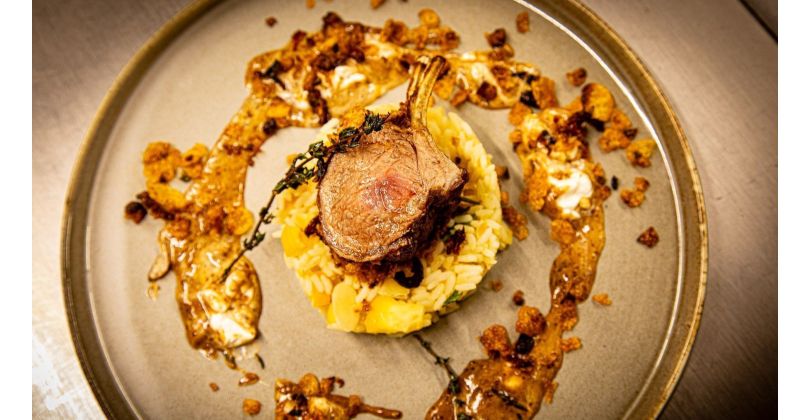
Roasted lamb rack in a breaded cornflake crust with sun-dried tomatoes on orange almond rice
Loading...
1100 view(s) 6 min read

Roasted lamb rack in a breaded cornflake crust with sun-dried tomatoes on orange almond rice

Rack of lamb is popular in many cuisines around the world, including Mediterranean, Middle Eastern, traditional English cuisine, and it is also very popular here in Switzerland all year round. Overall, rack of lamb is a delicious choice for any meat lover and offers versatile options for creating culinary delights. This dish combines the delicate flavors of lamb with the crunch of cornflakes and the fresh fruitiness of orange almond rice, while the rich cognac sauce rounds it all off perfectly.

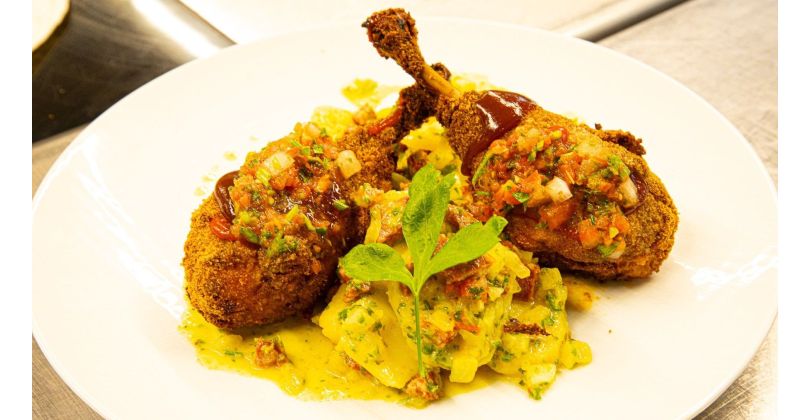
Breaded Chicken Drumsticks on Warm Potato Salad with Chorizo
Loading...
247 view(s) 6 min read

Breaded Chicken Drumsticks on Warm Potato Salad with Chorizo

The chicken drumstick, or lower leg of the chicken, is one of the oldest and most widely consumed cuts of meat in human culinary history. Even with the domestication of the chicken in Southeast Asia several thousand years ago, this cut of meat was prized for its relatively high meat content, succulence, and ease of preparation.

In the historical everyday cuisine of Europe, the drumstick was long considered a typical dish for simple households. Whole chickens were boiled or braised, with the drumsticks being regarded as particularly nutritious. In many regions, they symbolized a hearty meal, often served on holidays or after hard work in the fields.

The chicken drumstick developed a special cultural significance in North America during the 19th and 20th centuries. With the rise of the fried chicken tradition, it became an iconic part of the local food culture. Its shape was ideal for eating by hand, making it particularly popular with street food vendors and later in fast-food chains.

Today, the chicken drumstick is a global all-rounder. Whether grilled, baked, fried, or braised, it combines culinary tradition with modern cuisine. Its story shows how a simple component, through cultural diversity and practical features, became a timeless classic.

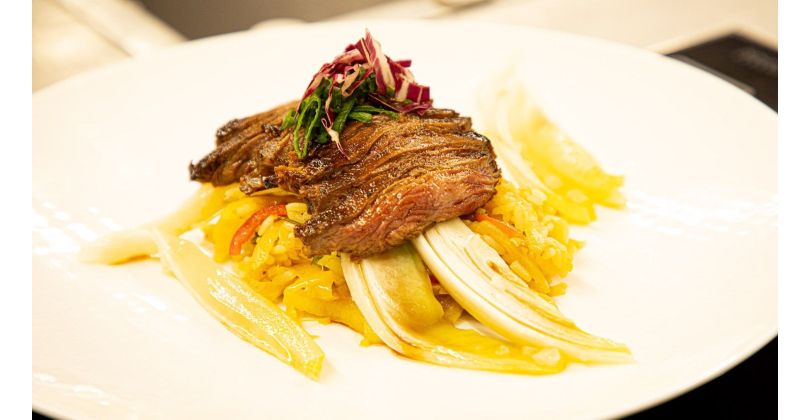
Marinated Inside Skirt Steak on Steamed Brussels Endive with Rice, Pepperoni, and Spring Onions
Loading...
250 view(s) 8 min read

Marinated Inside Skirt Steak on Steamed Brussels Endive with Rice, Pepperoni, and Spring Onions

The inside skirt, also known as the inner hemisphere of the diaphragm, has a long but often overrated history in meat culture. Even in traditional European peasant cuisine, this cut was used, though mostly as boiled meat or for simple dishes, as it was considered too coarse-grained for fine dining. Prime cuts like filet mignon or ribeye were clearly the focus.

The inside skirt steak experienced its real rise in popularity in North and South America. In the 19th century, it was particularly prized in the USA by butchers and laborers who had access to less sought-after cuts but knew their intense flavor. In Mexico and Argentina, the cut simultaneously became a staple of barbecue culture. It was quickly recognized there that the inside skirt, when cooked briefly at very high heat, is exceptionally juicy and aromatic.

It wasn't until the late 20th century, with the trend towards nose-to-tail eating and alternative cuts, that the inside skirt also gained recognition in Europe's upscale restaurants. Top chefs discovered it as a characterful steak with rustic charm. Today, it is considered a prime example of how taste depends not on prestige, but on origin, maturation, and preparation.

Copyright © 2026 meat4you. All rights reserved.