
Facebook Pixel

Recipes

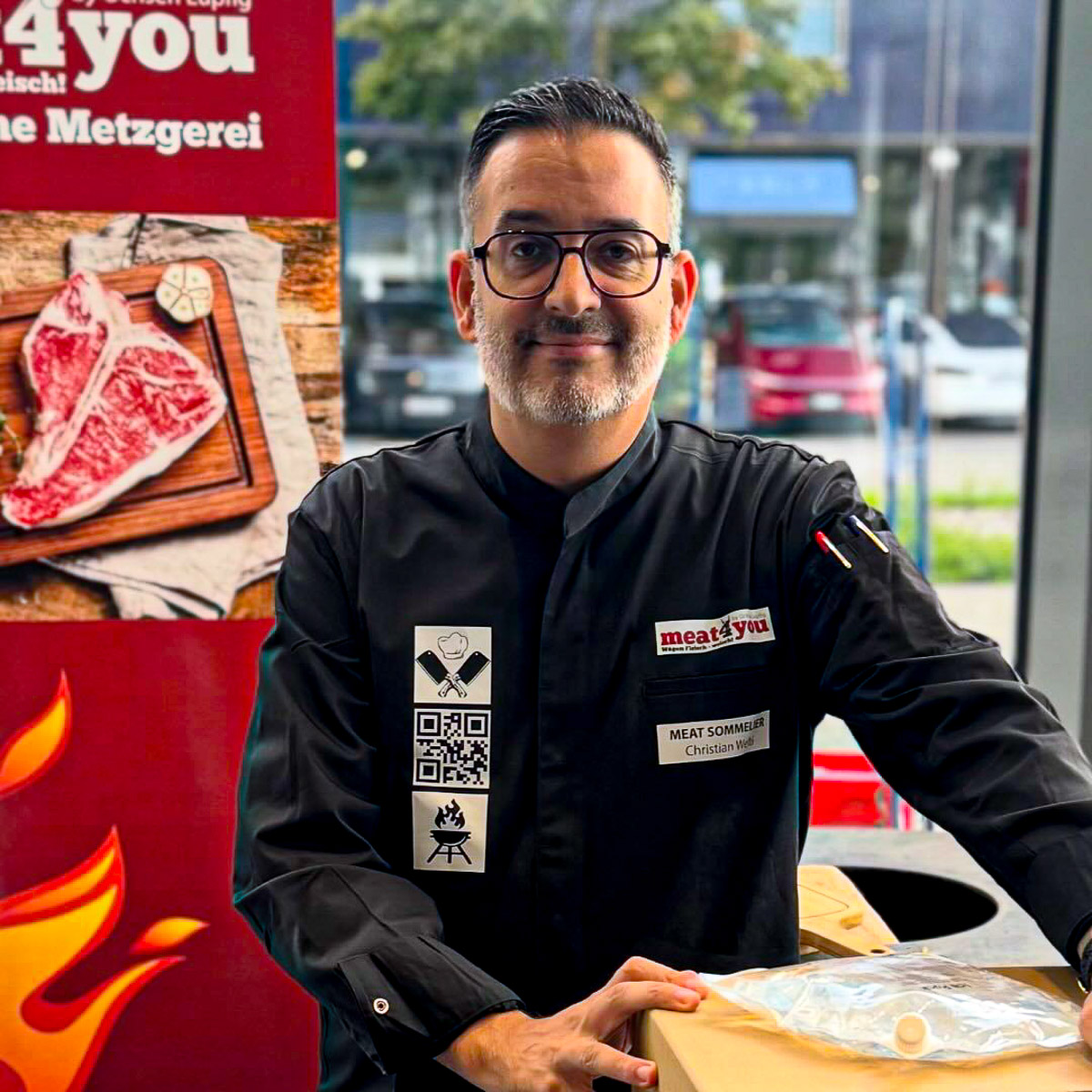
The recipe blog, published once a week, is written personally by meat sommelier Chris.


Each post is crafted with his extensive expertise, his deep passion for culinary perfection, and his commitment to bringing out the very best in every single cut of meat.


In his recipes, Chris combines culinary creativity with in-depth knowledge of cuts, cooking techniques, aging methods, and animal origins.


As a result, readers not only receive inspiring ideas for new dishes but also valuable background information about the characteristics of different cuts and how to prepare them perfectly.


Every dish is described in detail, explained step by step, and directly linked to the matching products.

This allows readers to order the recommended cuts immediately and effortlessly – from the perfect steak to exceptional braising pieces and exclusive specialties such as dry aged cuts.


The result is an informative and inspiring blog that brings together enjoyment, expertise, and shopping convenience.


Week after week, Chris provides fresh inspiration for everyone who loves high-quality meat, wants to elevate their cooking skills, and is searching for exceptional culinary experiences.


The Tomahawk Steak - Dry Aged - Kettyle Irish Food - The Dry Aged Pioneer
Loading...
891 view(s) 4 min read

The Tomahawk Steak - Dry Aged - Kettyle Irish Food - The Dry Aged Pioneer

The Tomahawk Steak - Dry Aged - Kettyle Irish Food - The Dry Aged Pioneer


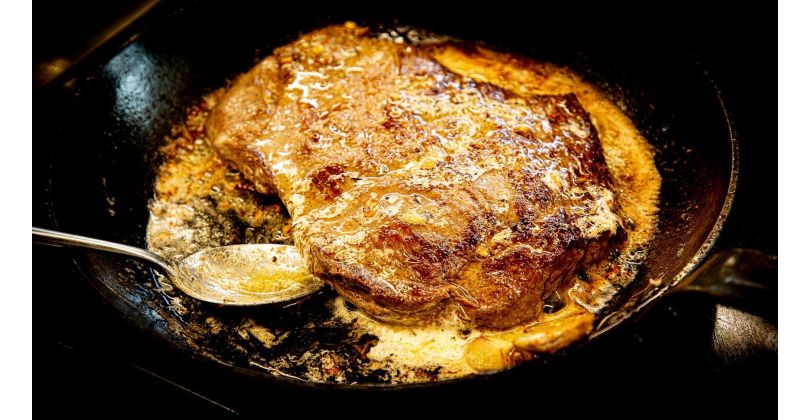
A Tomahawk steak is not only a treat, but also an impressive piece of meat that should be prepared properly to bring out its full flavor. Here is a recipe to perfectly fry a Tomahawk steak:

Ingredients for 2-3 people

1 Tomahawk steak (approx. 1-1.3kg)
Coarse salt (e.g. sea salt or fleur de sel)
Freshly ground black pepper
2-3 tbsp olive oil or clarified butter


Preparation:


Preparation: Take the Tomahawk steak out of the fridge about 1-2 hours before frying so that it reaches room temperature. This helps to achieve even cooking.

Seasoning: Rub the steak with coarse salt and freshly ground black pepper. Seasoning should be done at least 30 minutes before frying so that the steak can absorb the flavors.

Frying: Heat a large pan (or grill) over high heat and add the olive oil or clarified butter.

Once the oil is hot, place the steak in the pan. Fry for 4-5 minutes on each side until a nice crust forms. Alternatively, you can sear the steak on a grill over direct heat.

Indirect heat: After searing, place the steak on an indirect heat zone of the grill or in the preheated oven (approx. 120-150 °C) to achieve the desired level of doneness. Use a meat thermometer to check the core temperature:


Rare: 50-52 °C

Medium-Rare: 54-57 °C

Medium: 60-63 °C

Medium-Well: 65-68 °C

Well Done: Over 70 °C


Let it rest: Take the steak off the grill or pan and let it rest on a cutting board for about 10-15 minutes. This allows the juices to distribute throughout the meat.

Serve: Cut the steak into slices across the grain and serve with your favorite side dishes.

Tips: Use a meat thermometer to achieve the perfect level of doneness.

Crispy Porchetta with Tomato Risotto, Purslane, Onion and Zucchini Vegetables, and Red Wine Reduction
Loading...
214 view(s) 8 min read

Crispy Porchetta with Tomato Risotto, Purslane, Onion and Zucchini Vegetables, and Red Wine Reduction

Porchetta is one of Italy's most traditional pork dishes and much more than just a roast; it's a celebration, street food, and a craft all in one.

Origin in Central Italy: Its roots lie in Central Italy, especially in the Lazio region around Ariccia. There, porchetta is considered a culinary symbol, and the town remains famous for its version, Porchetta di Ariccia. Historians believe that even in ancient times, pigs were stuffed with herbs on spit, possibly as early as the Roman Empire. Pork was a staple food in rural Italy, and processing an entire animal was a sign of prosperity and community.

The principle: Whole animal, lots of patience: Traditionally, a whole, boneless pig is used. It is heavily seasoned inside, usually with:
Fennel, rosemary, garlic, pepper, and salt.

Then it is tightly rolled, tied, and slowly roasted over a wood fire. An extremely crispy rind develops on the outside, while the meat inside remains juicy and flavorful. This contrast is the very essence of porchetta.

A feast and street food in one: Porchetta was originally a festive dish at:
• Village festivals
• Weddings
• Religious celebrations
• Fairs

Over time, it became a legendary street food. Throughout Italy, you'll see stalls selling enormous porchetta rolls at markets. It is sliced ​​thickly and often simply served in bread, without any fuss. The meat itself is the star.

Craftsmanship with pride: The preparation is traditionally a craft, often passed down through generations by specialized porchetta makers. Every family, every region has its own blend of spices; the exact recipe is often a secret.

Why porchetta is so special: Porchetta stands for:
• Nose-to-tail cuisine
• Respect for the animal
• Sharing a meal
• Patience instead of haste
• Rustic perfection

Quickly roasted Iberico head cheeks on blanched leeks and sautéed green asparagus with blueberries and dates, accompanied by a blueberry jus
Loading...
421 view(s) 5 min read

Quickly roasted Iberico head cheeks on blanched leeks and sautéed green asparagus with blueberries and dates, accompanied by a blueberry jus

The Iberian pig and its head cheeks are deeply rooted in the culinary tradition of the Iberian Peninsula.

Gastronomy: The head cheeks of the Iberian pig are widely used in Iberian cuisine, both in traditional dishes and as a delicacy. The special marbling of the meat makes it very flavorful and tender, which encourages its use in a variety of dishes. The Iberian pig is believed to have descended from wild pigs that lived in the forests of the Iberian Peninsula. This breed has evolved over centuries and is well adapted to local conditions.

Roasted lamb rack in a breaded cornflake crust with sun-dried tomatoes on orange almond rice
Loading...
895 view(s) 6 min read

Roasted lamb rack in a breaded cornflake crust with sun-dried tomatoes on orange almond rice

Rack of lamb is popular in many cuisines around the world, including Mediterranean, Middle Eastern, traditional English cuisine, and it is also very popular here in Switzerland all year round. Overall, rack of lamb is a delicious choice for any meat lover and offers versatile options for creating culinary delights. This dish combines the delicate flavors of lamb with the crunch of cornflakes and the fresh fruitiness of orange almond rice, while the rich cognac sauce rounds it all off perfectly.

Breaded Chicken Drumsticks on Warm Potato Salad with Chorizo
Loading...
185 view(s) 6 min read

Breaded Chicken Drumsticks on Warm Potato Salad with Chorizo

The chicken drumstick, or lower leg of the chicken, is one of the oldest and most widely consumed cuts of meat in human culinary history. Even with the domestication of the chicken in Southeast Asia several thousand years ago, this cut of meat was prized for its relatively high meat content, succulence, and ease of preparation.

In the historical everyday cuisine of Europe, the drumstick was long considered a typical dish for simple households. Whole chickens were boiled or braised, with the drumsticks being regarded as particularly nutritious. In many regions, they symbolized a hearty meal, often served on holidays or after hard work in the fields.

The chicken drumstick developed a special cultural significance in North America during the 19th and 20th centuries. With the rise of the fried chicken tradition, it became an iconic part of the local food culture. Its shape was ideal for eating by hand, making it particularly popular with street food vendors and later in fast-food chains.

Today, the chicken drumstick is a global all-rounder. Whether grilled, baked, fried, or braised, it combines culinary tradition with modern cuisine. Its story shows how a simple component, through cultural diversity and practical features, became a timeless classic.

Marinated Inside Skirt Steak on Steamed Brussels Endive with Rice, Pepperoni, and Spring Onions
Loading...
164 view(s) 8 min read

Marinated Inside Skirt Steak on Steamed Brussels Endive with Rice, Pepperoni, and Spring Onions

The inside skirt, also known as the inner hemisphere of the diaphragm, has a long but often overrated history in meat culture. Even in traditional European peasant cuisine, this cut was used, though mostly as boiled meat or for simple dishes, as it was considered too coarse-grained for fine dining. Prime cuts like filet mignon or ribeye were clearly the focus.

The inside skirt steak experienced its real rise in popularity in North and South America. In the 19th century, it was particularly prized in the USA by butchers and laborers who had access to less sought-after cuts but knew their intense flavor. In Mexico and Argentina, the cut simultaneously became a staple of barbecue culture. It was quickly recognized there that the inside skirt, when cooked briefly at very high heat, is exceptionally juicy and aromatic.

It wasn't until the late 20th century, with the trend towards nose-to-tail eating and alternative cuts, that the inside skirt also gained recognition in Europe's upscale restaurants. Top chefs discovered it as a characterful steak with rustic charm. Today, it is considered a prime example of how taste depends not on prestige, but on origin, maturation, and preparation.

Roast Côte de Boeuf with Herb and Nut Crumble on Onion and Potato Vegetables
Loading...
141 view(s) 4 min read

Roast Côte de Boeuf with Herb and Nut Crumble on Onion and Potato Vegetables

The côte de boeuf, also known as ribeye or ribeye on the bone, is a classic cut of beef from the rib section of the cow. Its history is deeply intertwined with European meat culture, where this particularly juicy and flavorful cut has been prized for centuries. Traditionally served in France and other parts of Europe, the côte de boeuf is a premium steak, offering an intense flavor experience thanks to its bone structure and marbling. Polish Wołowina, or Polish beef, has a long tradition in Polish agriculture.

Cattle breeding in Poland is characterized by regional breeds and sustainable husbandry practices based on natural grazing lands. In recent decades, the quality of Polish beef has significantly improved, leading to international recognition for Wołowina.

The côte de boeuf from Polish Wołowina thus combines traditional European meat culture with regional expertise and the natural conditions of Poland. The combination of careful breeding, species-appropriate husbandry and modern processing makes Polish Cote de Boeuf a particularly high-quality product that is appreciated both in local kitchens and on international tables.

Roast Beef Ribeye on a Potato Nest with Mediterranean Grilled Vegetables and Hollandaise Sauce
Loading...
188 view(s) 5 min read

Roast Beef Ribeye on a Potato Nest with Mediterranean Grilled Vegetables and Hollandaise Sauce

The ribeye steak originates from the traditional preparation of beef, which has evolved over centuries in various cultures. The ribeye comes from the rib section of the cow, more precisely from the fore rib, where the meat is particularly well-marbled, resulting in exceptional juiciness and flavor. Even in ancient times, meat from this area was prized for its taste and tenderness. Over time, the ribeye steak became especially popular in American and European cuisine, where it is considered a premium steak. The name "ribeye" refers to the "rib" and the "eye," which describes the round, meaty center of the steak.

History of Ireland: Ireland has a long and eventful history dating back to prehistoric times. The island was originally settled by Celtic tribes who developed their own culture and language. During the Middle Ages, Ireland was influenced and partially controlled by the Normans and later by England, leading to numerous political and social conflicts. In the 20th century, after a long struggle for independence, most of Ireland gained its autonomy as the Republic of Ireland, while Northern Ireland remained part of the United Kingdom. Ireland is known for its verdant landscape, fertile soils, and mild climate, which provide ideal conditions for cattle farming. Irish agriculture, particularly cattle farming, has developed over centuries and is now a major economic sector. Irish beef enjoys an excellent reputation worldwide for its quality and sustainability.

Sous Vide Tri-Tip in Soy–Honey Marinade
Loading...
302 view(s) 5 min read

Sous Vide Tri-Tip in Soy–Honey Marinade

Nice to know: Tri-tip has a long and evolving culinary history and is valued in both European and international cuisine.

Anatomically, tri-tip comes from the lower part of the beef sirloin. For a long time, it was considered a secondary cut and was often used for slow-cooked dishes. Over time, butchers and chefs discovered that, when properly trimmed and cooked, tri-tip is exceptionally flavorful and tender.

Traditionally, tri-tip benefits from gentle cooking methods such as braising or slow roasting. Today, it is especially popular within modern and nose-to-tail–inspired cooking and is enjoyed sous vide, pan-seared, or grilled.

Tri-tip thus represents the shift in meat culture—from an underrated cut to a versatile and highly regarded centerpiece with strong culinary character.

Supreme Quail Breast on Chard Rice with Red Cabbage Purée
Loading...
169 view(s) 4 min read

Supreme Quail Breast on Chard Rice with Red Cabbage Purée

Nice to know: The quail is one of the smallest gallinaceous birds in the world, yet it has been a valued domestic and wild bird for millennia. It combines remarkable biology with culinary significance.

Small birds with a great tradition: The European quail (Coturnix coturnix) is a classic migratory bird, whereas the Japanese quail (Coturnix japonica) has been domesticated and is now found worldwide in breeding lines. Archaeological finds show that humans kept quail and used their eggs as early as 4,000 years ago.

Quail in the culinary world: Its meat is delicate, aromatic, and exceptionally tender, and is frequently used in fine dining. Quail eggs are considered a delicacy – they have a more intense flavor than chicken eggs and a favorable yolk-to-white ratio. Because of their size, quail are ideal for individual portions, appetizers, or festive menus.

Special considerations for keeping quail: Quail grow very quickly: They often start laying eggs as early as 6–8 weeks old. They are prone to stress, which necessitates a calm environment for breeding.

Despite their small size, they are very productive: A laying quail can lay 250–300 eggs per year.

Animals with remarkable characteristics: Quail are ground dwellers and can take flight abruptly upwards when threatened – the so-called "steep takeoff." They have very sensitive hearing and are easily alert to loud noises and sudden movements. Wild quail can travel up to 4,000 km on their migratory routes.

Copyright © 2026 meat4you. All rights reserved.