
Facebook Pixel

Recipes

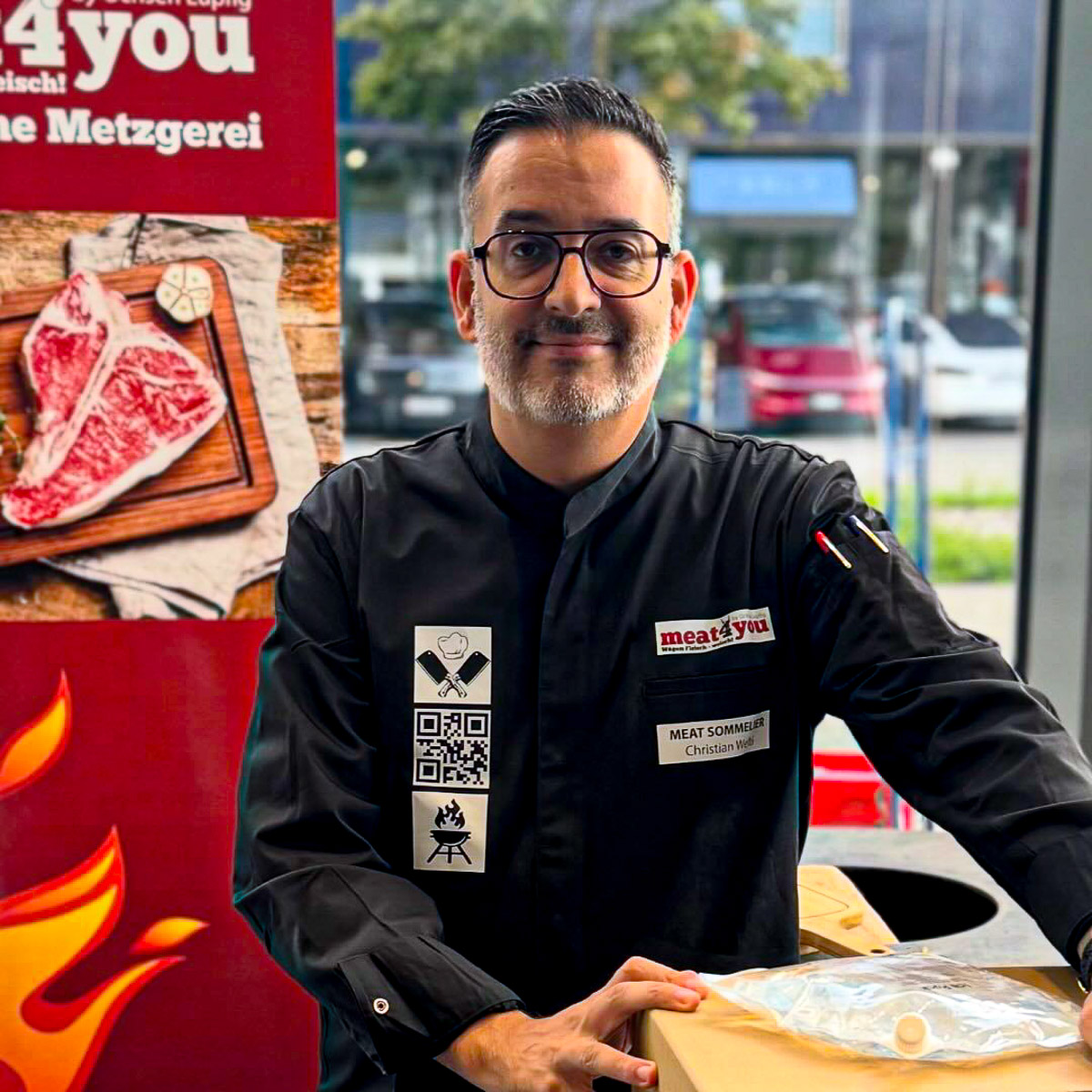
The recipe blog, published once a week, is written personally by meat sommelier Chris.


Each post is crafted with his extensive expertise, his deep passion for culinary perfection, and his commitment to bringing out the very best in every single cut of meat.


In his recipes, Chris combines culinary creativity with in-depth knowledge of cuts, cooking techniques, aging methods, and animal origins.


As a result, readers not only receive inspiring ideas for new dishes but also valuable background information about the characteristics of different cuts and how to prepare them perfectly.


Every dish is described in detail, explained step by step, and directly linked to the matching products.

This allows readers to order the recommended cuts immediately and effortlessly – from the perfect steak to exceptional braising pieces and exclusive specialties such as dry aged cuts.


The result is an informative and inspiring blog that brings together enjoyment, expertise, and shopping convenience.


Week after week, Chris provides fresh inspiration for everyone who loves high-quality meat, wants to elevate their cooking skills, and is searching for exceptional culinary experiences.


Swiss Buffalo Tartare - Simple and Delicious
Loading...
470 view(s) 4 min read

Swiss Buffalo Tartare - Simple and Delicious

The dish "Tartar" or "Tatar Steak" (often simply called "Tartar") is a raw minced meat dish, traditionally made with beef. The origins of this dish date back to various influences that blended in European cuisine. The name "Tartar" is often associated with the Tatars, a Turkic-speaking horse-riding people from the Eurasian steppe. Legend has it that the Tatars prepared raw meat under their saddles by pounding it flat, thus tenderizing it.

However, this story is not historically verified and is considered more of a myth. It is more likely that the dish became popular in Central Europe in the 19th century, particularly in Germany, Austria, and France. There, "Steak Tartare" developed as a fine dish made of raw, very finely minced or diced beef, often served with onions, capers, spices, and a raw egg yolk. Tatar is therefore a product of European cuisine, which, although inspired by the supposed historical image of the Tatars, is primarily based on culinary traditions of the 19th century.

Perfectly roasted pork chop and organic Knospe pork promotion
Loading...
319 view(s) 4 min read

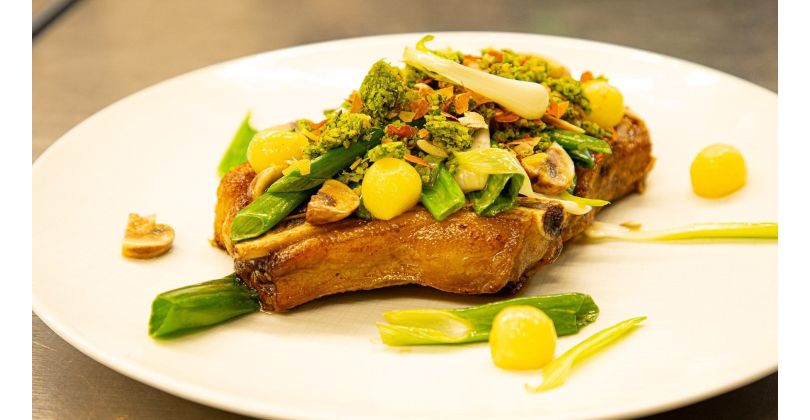
Perfectly roasted pork chop and organic Knospe pork promotion

The pork chop is a classic cut of meat that has been prized in European cuisine for centuries. Originally from Asia, the pig was domesticated and bred in Europe as early as ancient times. Coming from the rib area of ​​the pig, the chop was particularly popular because it contains both tender meat and a bone that adds flavor when roasted. In traditional cooking, the chop was often simply seasoned with salt and pepper and fried in butter—a method that remains popular today for its intense flavor. The addition of herbs such as thyme and lemon is a modern refinement that adds freshness and aromatic depth to the dish.

Pot au Feu with Golden Coin Beef and Market Vegetables
Loading...
244 view(s) 4 min read

Pot au Feu with Golden Coin Beef and Market Vegetables

Pot au feu is a classic French dish often considered the "good old food" of French cuisine. The term "pot au feu" literally means "pot over the fire" and describes the preparation of a stew consisting of various meats, vegetables, and spices. The history of pot au feu dates back to at least the 17th century and is closely linked to the rural cuisine of France.

Originally, pot au feu was prepared from simple ingredients that were often readily available in rural areas. It was usually beef, pork, or poultry, cooked in a large pot with root vegetables such as carrots, celery, and leeks. At that time, its preparation was primarily practical: the ingredients could be cooked in a single pot, which saved time and resources.

Over the centuries, pot au feu evolved in different regions of France. Culinary preferences and regionally specific ingredients led to different variations of this dish. It became a symbol of family meals and social gatherings. In the 19th century, it also gained popularity in haute cuisine and was served in fine restaurants, leading to further refinement of its preparation.

Traditionally, pot au feu was served in three courses.

1st course: The broth
2nd course: The meat and vegetable platter
3rd course: Both together

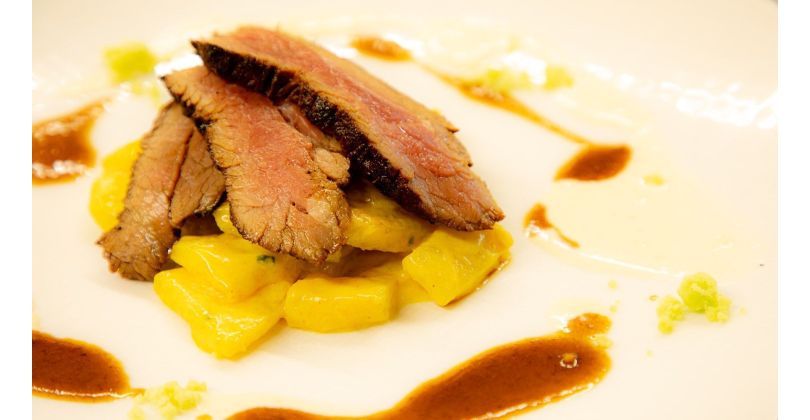
Roasted Beef Flat Iron Steak with Glazed Beetroot and Celery, Served with Red Wine Reduction
Loading...
377 view(s) 6 min read

Roasted Beef Flat Iron Steak with Glazed Beetroot and Celery, Served with Red Wine Reduction

The flat iron steak has an interesting history, closely linked to the development of beef butchering and the meat industry. The flat iron steak comes from the shoulder area of ​​the cow, more specifically from the so-called "top blade" or "shoulder cut." This part of the beef was previously considered less valuable because it contained many tendons and connective tissue that made the meat tough.

In the early 2000s, however, meat scientists and butchers discovered that by cutting it in a special way and removing the tough tendon, a particularly tender and flavorful steak could be obtained from the shoulder area. This new steak was called the "flat iron steak" because of its flat, triangular shape, reminiscent of a flat iron.

The discovery of the flat iron steak was a breakthrough because it represents a low-cost alternative to more expensive steaks like ribeye or fillet, yet is still very tender and flavorful. Since then, the flat iron steak has gained popularity, especially in the US and increasingly in Europe, and can now be found in many restaurants and meat counters.
In summary, the flat iron steak is an example of how innovation in meat cutting can open up new, high-quality cuts of meat that previously received little attention.


Braised wild pigeon breast on fried zucchini rounds, crispy and grated potatoes, shaved black summer truffle, and fresh game jus
Loading...
179 view(s) 5 min read

Braised wild pigeon breast on fried zucchini rounds, crispy and grated potatoes, shaved black summer truffle, and fresh game jus

Wild Pigeon – A Fascinating Chapter in History and Culinary Art

The wild pigeon, also known as the wood pigeon, has a long tradition in European culture and cuisine. It was already prized in ancient times: Romans and Greeks kept the pigeon not only as a symbol of peace and love, but also as a delicate food. In the Middle Ages, the wild pigeon was a sought-after game dish served in manor houses and monasteries. Culinary delights include its tender, dark meat with a delicate, slightly nutty aroma.

It is considered a particularly noble game species, especially appreciated in modern cuisine during the fall and winter. Traditionally, the wild pigeon is often braised or roasted, often accompanied by rich sauces made from red wine or game stock, as well as seasonal vegetables and mushrooms. Preparation requires some experience, as the meat can dry out quickly. However, those who master the art will be rewarded with an intense flavor experience that impressively demonstrates the connection between nature and culinary tradition.

Grilled roe deerchops on potato rösti and grilled vegetables with elderberry and red wine reduction and caramelized figs
Loading...
301 view(s) 5 min read

Grilled roe deer chops on potato rösti and grilled vegetables with elderberry and red wine reduction and caramelized figs

The roe deer (Capreolus capreolus) is a small to medium-sized wild animal in the deer family. It lives primarily in Europe and parts of Asia. Roe deer are known for their slender build, reddish-brown coat in summer, and gray-brown winter coat. Male deer have short, branched antlers, which they shed and regrow annually. They are herbivores and feed on grasses, herbs, leaves, and buds. Roe deer are crepuscular and prefer forests, field edges, and open landscapes. These chops come from roe deer and are tender, lean pieces of meat from the animal's back. They are considered particularly delicious and are often prepared in fine cuisine.
Classic - Irish beef striploin grilled with Allumette fries
Loading...
345 view(s) 4 min read

Classic - Irish beef striploin grilled with Allumette fries

Entrecote is a classic French steak dish, cut from the striploin of beef. It is particularly tender and flavorful. The side dish, "pommes allumette," is thinly sliced, crispy French fries, also from French cuisine. Irish beef is known worldwide for its quality, as the animals are mostly raised on lush pastures with natural feed, which gives the meat a particularly delicate flavor and tender texture. The combination of Irish beef and French cooking creates an elegant and delicious dish.
Grilled Organic Skin-On Salmon Fillet, Steamed Sugarloaf, and Turmeric Rice
Loading...
365 view(s) 6 min read

Grilled Organic Skin-On Salmon Fillet, Steamed Sugarloaf, and Turmeric Rice

Salmon is a fatty fish, especially valued for its high content of omega-3 fatty acids, proteins, and vitamins. It lives in both fresh and salt water and is found in various species worldwide. Salmon is considered healthy and versatile in the kitchen – whether raw, fried, grilled, or smoked. Sustainable farming and fishing are important to protect stocks and ensure quality.
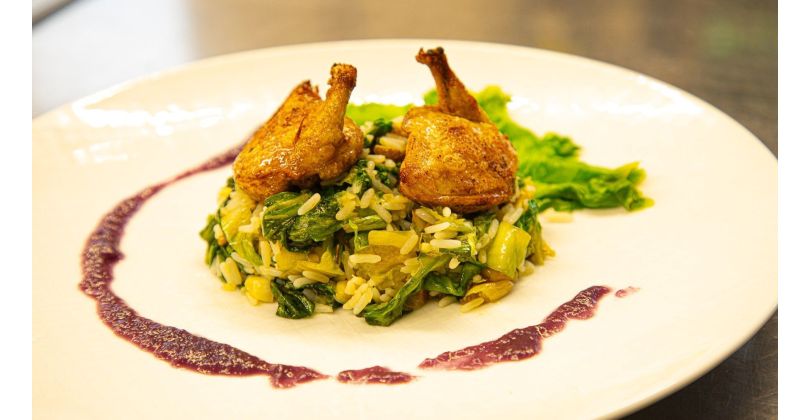
Roasted partridge breast saltimbocca with sautéed cauliflower florets, spring onions, garlic, and new potatoes, served with rich, truffled game stock
Loading...
228 view(s) 7 min read

Roasted partridge breast saltimbocca with sautéed cauliflower florets, spring onions, garlic, and new potatoes, served with rich, truffled game stock

The Partridge – A Fascinating Piece of Cultural History and a Culinary Highlight

The partridge (Perdix perdix) has been a symbol of rural idyll and traditional hunting in Europe for centuries. Originally native to large parts of Europe, it was particularly prized in hunting during the 19th and early 20th centuries. Its characteristic plumage with its delicate patterns makes it unmistakable and symbolizes the connection between nature and humanity.

The partridge is considered a culinary delicacy. Its tender, aromatic meat is particularly fine and ideal for classic game dishes. Traditionally, it is often served with seasonal side dishes such as red cabbage, chestnuts, or mushrooms. Preparation requires a delicate touch, as the meat is very lean and tender – gentle cooking, such as in the oven or in a delicate sauce, best brings out its full flavor.

Fried Tripe with Fresh Aioli
Loading...
394 view(s) 4 min read

Fried Tripe with Fresh Aioli

Historically, tripe has long been an important food source for poorer segments of the population, as it was often cheaper and more accessible than cuts of meat.

However, with increasing prosperity and changing dietary habits, tripe became less popular and is now more of a niche product reserved for lovers of traditional cuisine.

In some cultures and regions, tripe also holds special symbolic significance, whether in festive feasts or in the tradition of using food as fully as possible. This is reflected in the philosophy that food should not be wasted.

Copyright © 2026 meat4you. All rights reserved.