Facebook Pixel

Articles by meat4you

Articles by meat4you

Chili con Carne - the most popular mexican import
Loading...
987 view(s) 5 min read

Chili con Carne - the most popular mexican import

Chili con carne is a hearty dish consisting primarily of meat, beans, and a blend of spices, especially chili. The origins of this dish are disputed, but it is generally believed to have originated in the United States, specifically the Texas region, and is deeply rooted in Mexican-American cuisine.

History: The history of chili con carne can be traced back to the 19th century. It is believed to have been introduced by European immigrants who adopted various ingredients and cooking techniques from indigenous peoples and Mexican culture. In particular, the use of chili as a flavor enhancer and the combination of meat and beans reflect the region's culinary traditions.

The first documented recipe for chili con carne appeared in Texas in the 1880s, and the dish quickly gained popularity. It was especially popular during the Gold Rush era and the cowboy lifestyle and was often served at social gatherings and "chili cook-offs."

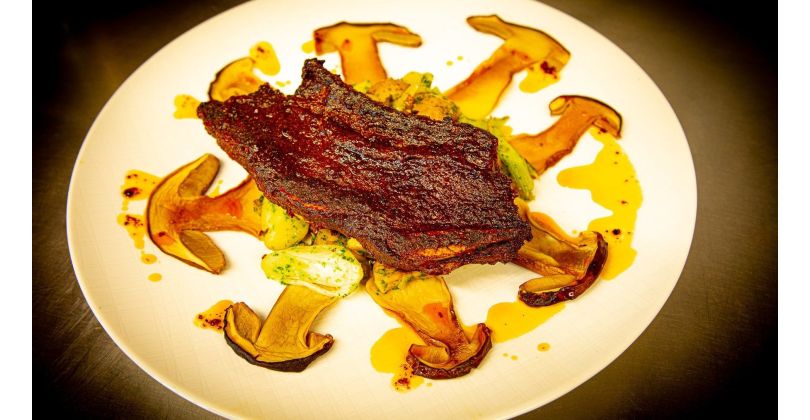
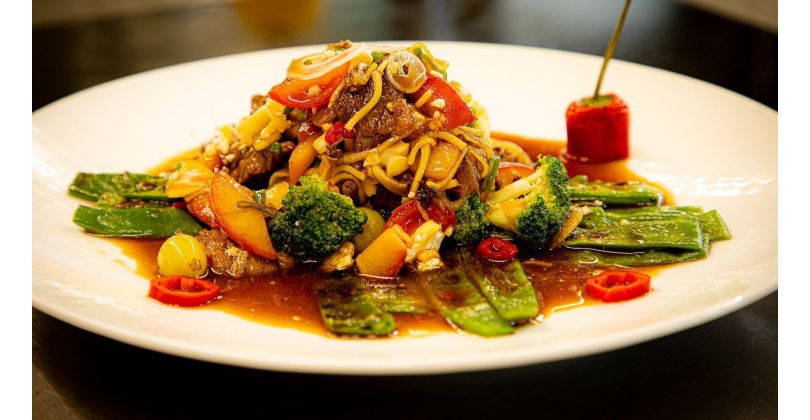
Fried Iberico Pork Chop on Spicy Mango Mushroom Rice and Fried Broccoli Leaf
Loading...
433 view(s) 6 min read

Fried Iberico Pork Chop on Spicy Mango Mushroom Rice and Fried Broccoli Leaf

The Iberian pig (or Ibérico pig) is a breed of pig that originated on the Iberian Peninsula, particularly in Spain and Portugal. The breed is prized for its high-quality meat, which plays a special role in gourmet cuisine, especially in the production of high-quality hams such as the famous Jamón Ibérico.

History: The breeding of the Iberian pig dates back to ancient times. The first historical evidence of the use of pigs in this region dates back to the Romans. Iberian pigs were traditionally raised in the region's oak forests, where they could feed on acorns (bellotas), which significantly influences the taste and quality of the meat.

Over the centuries, the Iberian pig has been bred primarily in rural areas of Spain and Portugal, where it has adapted to local conditions and the Mediterranean climate. The breed has evolved into various lines, including the "Pata Negra" (black legs), which is considered particularly high-quality.

Braised and Pulled Oxtail Burger with Apple BBQ Sauce, Fried Onions, Crispy Bacon, and Grilled Apple Slices
Loading...
390 view(s) 6 min read

Braised and Pulled Oxtail Burger with Apple BBQ Sauce, Fried Onions, Crispy Bacon, and Grilled Apple Slices

Pulled beef or pulled ox-tail is a delicious dish that consists of slow-cooked, tender beef. When prepared, the meat, often from the shoulder or breast, is usually cooked at a low temperature for several hours until it is so tender that it can be pulled apart with a fork - hence the name "pulled".
 
Preparation
 
The classic method of preparing pulled beef is braising in the oven or in a slow cooker, but it is also commonly prepared on the grill or in a smoker. The meat is often marinated beforehand or rubbed with a spice mixture that can consist of ingredients such as paprika, cumin, garlic powder and black pepper. These spices give the pulled beef an intense flavour.
Braised cream goulash with vegetables, hot peppers, caramelised lemons and egg spaetzli
Loading...
525 view(s) 7 min read

Braised cream goulash with vegetables, hot peppers, caramelised lemons and egg spaetzli

Creamed goulash is a classic dish popular in many Eastern European cuisines, particularly in Hungarian, German, and Austrian traditions. It is a variation of traditional goulash, which originated in Hungary and was originally prepared as a stew with meat, peppers, and, depending on the region, various vegetables.

Origin of goulash: Goulash has its roots in 9th-century Hungarian cuisine, where it was invented by shepherds. The original version was a simple dish of meat and peppers cooked in a cauldron over a fire. The addition of various spices, including pepper and caraway, was typical of Hungarian cuisine.

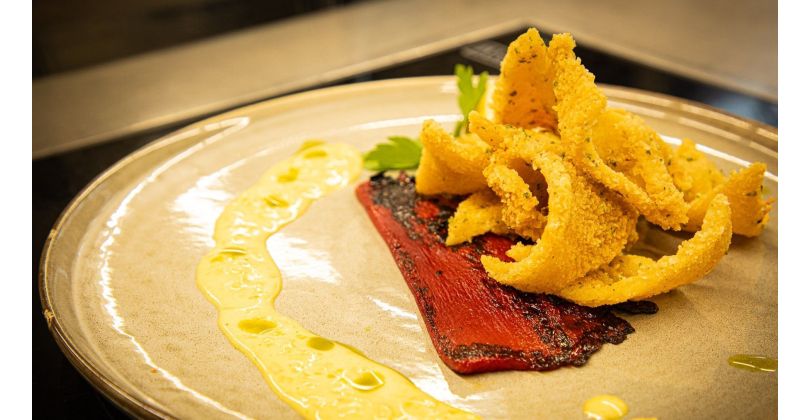
Crispy fried bull testicles with fried potato wedges on fresh gazpacho
Loading...
723 view(s) 6 min read

Crispy fried bull testicles with fried potato wedges on fresh gazpacho

Nice to know:
 

“Bull testicles” or “bull testicles” are a delicacy appreciated in various cuisines around the world. In European cuisine, especially in Mediterranean gastronomy, they are a traditional dish in some regions. They can be prepared in a variety of ways, often fried, grilled or incorporated into egg dishes. The origins of the dish are varied and often linked to the culture and eating habits of each region. In countries such as Spain, they are sometimes served in tapas form, while in France they are included in dishes such as “les ris de veau” (veal testicles). In Italian cuisine, there are also specific recipes that include bull testicles.

The preparation and use of bull testicles in cooking has not only culinary but also cultural significance. In many cultures, eating offal, including testicles, is considered a sign of courage or masculinity. In some countries, they are also served as part of celebrations or special occasions. As with many delicacies, the acceptance of bull testicles as food depends heavily on cultural norms and personal preferences.

A freshly made Demi-glace / glazy sauce is the foundation of a good sauce
Loading...
1700 view(s) 9 min read

A freshly made Demi-glace / glazy sauce is the foundation of a good sauce

Nice to know:

Gravy has a long and varied history that is closely linked to the development of cooking and food culture in Europe. Its origins can be traced back to ancient times, when simple sauces made from stocks, fats and herbs were used to intensify the flavour of meat dishes.

In the Middle Ages, sauces often became more complex and included various ingredients such as wine, spices and vinegar. These sauces were not only used to enhance flavour, but also to preserve food. This period also saw the first recipes for sauces written down in cookbooks. 

Over the centuries, especially during the Renaissance, European cooking flourished, introducing new techniques and ingredients that expanded the variety of sauces. French cuisine, which is particularly famous for its sauces, developed a variety of gravies in the 17th and 18th centuries that served as the basis for many dishes.

One of the most popular is demi-glace, a rich sauce made from beef stock and a reduced brown sauce.

Pasta with squeezed Mediterranean pork sausage, olives, sun-dried tomatoes and capers in a spicy tomato sauce
Loading...
351 view(s) 6 min read

Pasta with squeezed Mediterranean pork sausage, olives, sun-dried tomatoes and capers in a spicy tomato sauce

Nice to know:

The origin of tomato sauce or tomato sugo is closely linked to the history of the tomato itself. The tomato originally comes from Central and South America and was used as food by the indigenous peoples. After the discovery of America by the Europeans in the 15th century, the tomato found its way to Europe, where it was initially considered an ornamental plant.

In the 18th century, the Italians began to use the tomato in the kitchen. One of the first documented uses was the preparation of "Salsa di Pomodoro", a sauce made from fresh tomatoes. This Italian tomato sauce evolved over time, with different ingredients being added such as onions, garlic, herbs and spices.

Fried beef liver patties with fried onions, fried potatoes and balsamic sauce
Loading...
646 view(s) 5 min read

Fried beef liver patties with fried onions, fried potatoes and balsamic sauce

Beef liver is extremely rich in nutrients and offers a variety of health benefits. It contains vitamin A, among other things, which is important for good eyesight, healthy skin and a strong immune system.

It also provides B vitamins, especially vitamin B12, which is crucial for the functioning of the nervous system and the production of red blood cells. Is the liver taste too strong for you? Here's a tip: Soak the liver in milk an hour before frying and store in the refrigerator. By soaking the liver in milk, it becomes milder in taste and contracts less when fried.

Veal strips Zurich style "Züri Gschnätzlets"
Loading...
4216 view(s) 6 min read

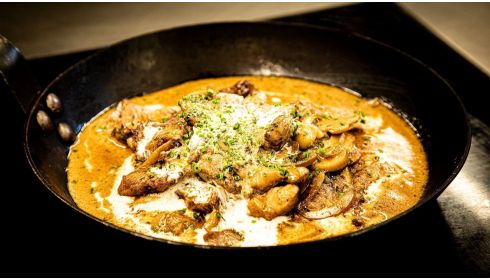
Veal strips Zurich style "Züri Gschnätzlets"

Zurich-style veal strips with veal kidneys and rösti
Ingredients for 4 people


For the veal strips:
500 g veal (veal kidneys)
200 g veal kidneys
2 onions
200g mushrooms
2-3 cloves of garlic
200 ml cream
100 ml white wine
2 tbsp butter
2 tbsp olive oil
100ml veal stock
Salt and pepper

For the rösti:
600 g waxy potatoes (floury)
2-3 tbsp butter for frying
Salt and pepper


Preparation


Preparation of the meat: Cut the veal into thin strips. Rinse the kidneys thoroughly under water, remove the fat and skin and cut into small pieces.
Peel the onions and garlic and chop finely.

Preparation of the veal strips: Heat 2 tbsp butter in a pan. First, briefly sauté the meat in portions in the pan until golden brown and sprinkle with flour. Then keep warm in the oven at around 60 degrees. Fry the onions and garlic, then add the mushrooms until they are translucent. Deglaze with white wine and top up with veal stock and let it reduce briefly. Add cream and stir everything well. Simmer for a few minutes over medium heat until the sauce thickens slightly. Finally, add the meat again and stir gently.

Preparation of the rösti: Cook the potatoes the day before, let them cool and peel them. On the day of preparation, coarsely grate the cold potatoes. Heat the butter in a cast iron pan and distribute the grated potatoes evenly in it. Season with salt and pepper. Fry the rösti over medium heat for around 10-15 minutes until golden brown and crispy. Then carefully turn it over (e.g. with a large plate) and fry the other side until golden brown.

Serving: Just before serving, top the veal strips with whipped cream and arrange on plates, and serve with Rösti.

Gebeizte und geschmorte Kalbskopfbäggli in Portweinjus auf Selleriepüree und karamellisierten Cherrytomaten
Loading...
882 view(s) 8 min read

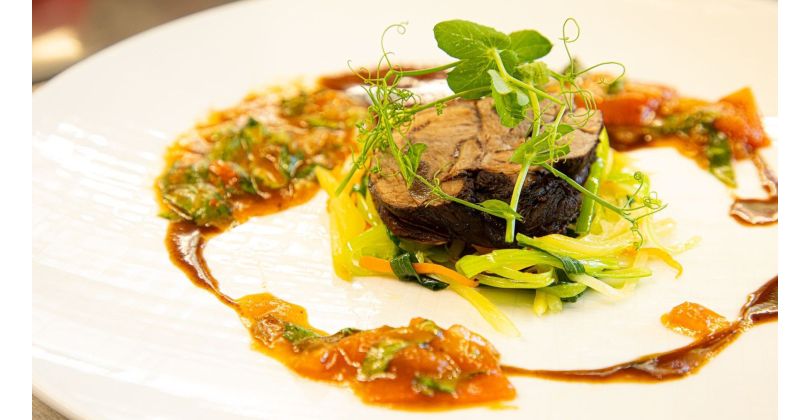
Marinated and braised calf cheeks in port wine jus on celery puree and caramelised cherry tomatoes

The dish has experienced something of a renaissance in recent years as more and more people are interested in slow food and the use of whole animals.In many modern restaurants and taverns, calf cheeks is now offered as a gourmet dish that takes up the tradition of sustainable and respectful animal use.Another interesting aspect of the history of this dish is the cultural significance it has in different countries.In many regions of Europe, especially in France, Italy but also in Switzerland, similar dishes are also popular, which shows how deeply rooted the tradition of offal and by-products is in European cuisine. In Switzerland, the dish is often accompanied by side dishes such as potatoes and vegetables, making it a popular choice for a hearty and nutritious meal.Due to the rediscovery of traditional cooking skills and the increasing popularity of regional products, the dish "calf cheek" is finding more and more recognition and space on the menus of modern kitchens.
Copyright © 2026 meat4you. All rights reserved.