Facebook Pixel

Articles by meat4you

Articles by meat4you

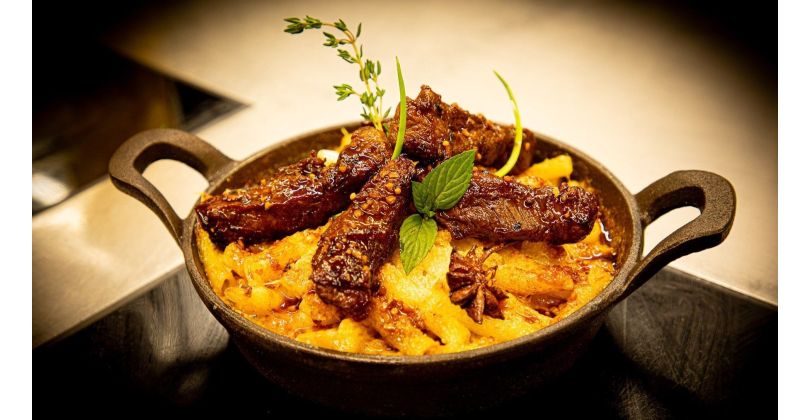
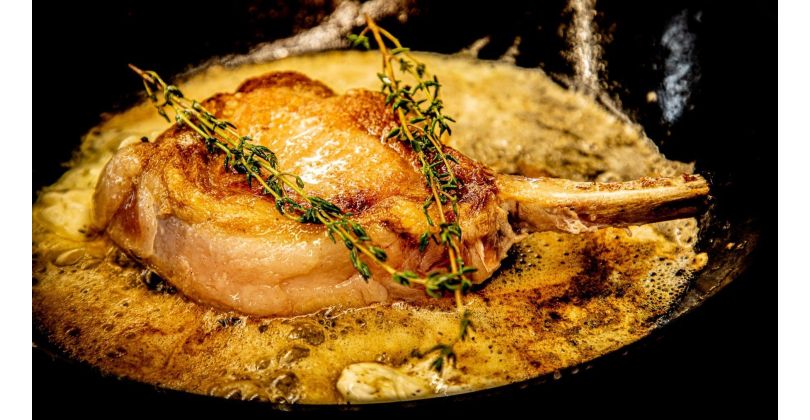
Perfectly cooked Costine – tender and juicy, falling off the bone
Loading...
1059 view(s) 9 min read

Perfectly cooked Costine – tender and juicy, falling off the bone

The history of the Costine is closely linked to the development of barbecue culture, especially in the USA, where barbecue has a long tradition. Originally, ribs were often considered an inexpensive cut of meat, appreciated by the less affluent segments of the population. Over time, chefs and grill masters discovered the full potential of the Costine – slow cooking at low temperatures makes them buttery tender and develops a distinctive flavor.

In Europe, Costine pork is also very popular, especially in Italian and German cuisine, where it is often marinated or refined with spicy sauces. Whether braised in the oven, grilled on the barbecue or as part of a hearty stew – Costine are versatile and a real treat.

Crispy grilled beef asados with meat4you seasoning and marinated porcini mushrooms on a roasted potato, onion, and mushroom bed
Loading...
444 view(s) 5 min read

Crispy grilled beef asados with meat4you seasoning and marinated porcini mushrooms on a roasted potato, onion, and mushroom bed

Beef asado is much more than just a dish—it's a cultural experience with deep historical roots, especially in South America. Asado originated in the gaucho traditions of Argentina and Uruguay. The gauchos, the legendary cattle herders of the Pampas, developed it as a practical yet sociable way of preparing beef over an open fire.

In the 18th and 19th centuries, asado was a central part of the lives of gauchos, who often spent days on the pastures. They used simple methods to slowly cook the meat over a wood fire, giving the beef its characteristic smoky flavor. This slow cooking made the meat particularly tender and flavorful – a tradition that is still practiced today. Over time, the asado became a symbol of Argentinian and Uruguayan identity and is now an integral part of family celebrations and social gatherings. It represents community, hospitality, and the joy of sharing good food.

The beef asado thus combines history, culture, and culinary delights in a unique way – a true piece of South American lifestyle on a plate. The asado cut is the cross rib, also called beef ribs, and is cut from the bone-in beef brisket, across the bone. A fresh chimichuri sauce complements it.

Grilled US Wagyu Beef ribeye on Creamed Celery with Black Truffle Slices and Sautéed Radicchio
Loading...
200 view(s) 4 min read

Grilled US Wagyu Beef ribeye on Creamed Celery with Black Truffle Slices and Sautéed Radicchio

Wagyu beef is known worldwide for its exceptional quality and exquisite flavor. Here are some interesting facts and information about Wagyu that illustrate what makes this meat special:

Origin: Wagyu originated in Japan. The term "Wagyu" means "Japanese cattle" (wa = Japanese, gyu = cattle).

Breeding: Wagyu breeding dates back to ancient Japanese cattle breeds first documented in the 2nd century AD. These cattle were originally used as working animals and were subject to special breeding and care conditions.

Breed:

Main lines: The most well-known Wagyu breeds are the Japanese Black, Japanese Brown, Japanese Shorthorn, and Japanese Polled. The Japanese Black breed is the most widespread.

Marbling:

Fat distribution: Wagyu is famous for its high fat marbling, meaning that intramuscular fat is evenly distributed throughout the meat. This marbling ensures a tender texture and rich flavor.

Health benefits:

Fat composition: Wagyu beef contains a higher proportion of unsaturated fatty acids, which are considered healthier, and is thus rich in omega-3 and omega-6 fatty acids, which are important for health.

Roasted Wagyu beef salad with grilled coco beans, broccoli, grapes, and peaches with soy, honey, and chili dressing.
Loading...
216 view(s) 5 min read

Roasted Wagyu beef salad with grilled coco beans, broccoli, grapes, and peaches with soy, honey, and chili dressing.

A salad with an Asian touch that combines the delicate flavors of Wagyu beef with fruity sweetness and spicy heat – perfect for connoisseurs who appreciate something special.
Roasted Lamb Shoulder on Potato, Carrot, and Leek Straws with Lamb Jus and Tomato and Basil Salsa
Loading...
235 view(s) 7 min read

Roasted Lamb Shoulder on Potato, Carrot, and Leek Straws with Lamb Jus and Tomato and Basil Salsa

Lamb shoulder is a particularly tasty and succulent cut of meat that is often used in cooking. It comes from the shoulder area of ​​the lamb and is known for its intense flavor and tender texture, which is perfectly enhanced by slow cooking or braising.

Characteristics of lamb shoulder: Tenderness and flavor: Lamb shoulder has a balanced fat distribution that melts during cooking, giving the meat a wonderfully juicy texture. The flavor is robust and aromatic, making it an excellent choice for savory dishes.

Versatility: It can be prepared in a variety of ways: braised, grilled, roasted, or even in a slow cooker.

Oven-Baked Venison Short Ribs with Baked Potatoes and Spicy Rhubarb BBQ Sauce
Loading...
327 view(s) 6 min read

Oven-Baked Venison Short Ribs with Baked Potatoes and Spicy Rhubarb BBQ Sauce

Short ribs are prized in many cuisines around the world. In American barbecue culture, they are a classic, often served as "BBQ beef ribs." In Asian cuisine, particularly Korean, they are known as "galbi" and are often marinated and grilled. In Cuban cuisine, they are known as "costillas" and are also braised or grilled.
Roasted Bison  sirloin cap on Mango Chili Risotto
Loading...
348 view(s) 4 min read

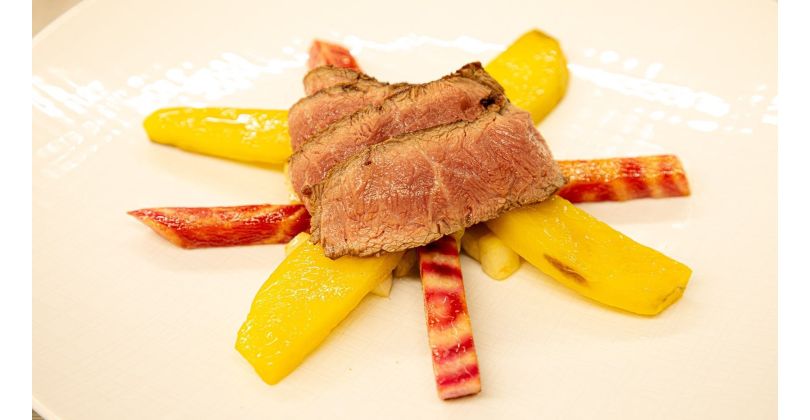
Roasted Bison sirloin cap on Mango Chili Risotto

The bison is a majestic animal belonging to the cattle family (Bovidae) and is found primarily in North America and Europe.

There are two main species:

American bison (Bison bison) 
European bison (Bison bonasus)

The American bison is one of the largest land mammals in North America and can weigh up to 1000 kg. It has a distinctive, massive shoulder, giving it a striking appearance. This species played a central role in the culture of the indigenous peoples of North America, both as a food source and in spiritual practices. In the 19th century, the population was severely decimated by overhunting and habitat changes, but through conservation measures and reintroduction programs, the bison population has recovered in recent decades.

Zebra sirloin with grilled pepperoni and tomatoes, served with cooked rice with mulberries and raisins
Loading...
244 view(s) 4 min read

Zebra sirloin with grilled pepperoni and tomatoes, served with cooked rice with mulberries and raisins

The zebra meat comes from plains zebras (Equus quagga) living in controlled game reserves in South Africa. These reserves provide the animals with ample natural habitat and species-appropriate conditions – no factory farming. Zebras are considered wild animals, but are deliberately kept in sustainably managed protected areas under wildlife standards and hunted under controlled conditions.

Natural rearing: The animals grow up in their natural habitat without the use of hormones or artificial feed. They feed on what the African savannah provides – primarily grasses and herbs. This makes the meat particularly pure, low in fat, and unique in its flavor.

Sustainability and ethics: Hunting and processing are strictly controlled by government-licensed programs in South Africa.

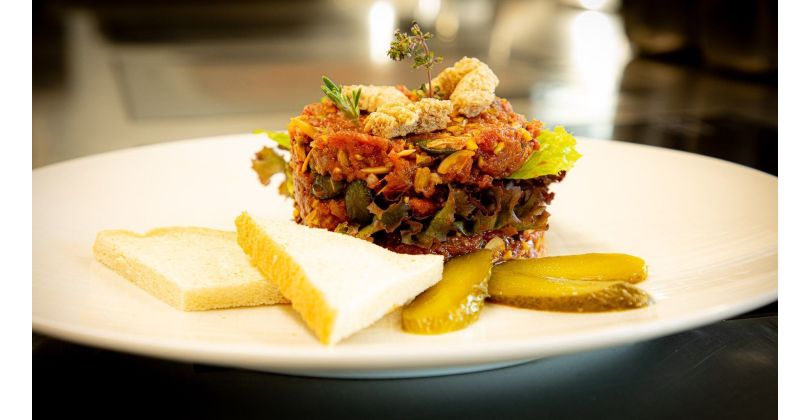
Beef tonnato with fresh red chicory and tomato tapenade
Loading...
378 view(s) 5 min read

Beef tonnato with fresh red chicory and tomato tapenade

"Vitello Tonnato" has its origins in Italian cuisine, specifically in the Piedmont region. Its name literally means "veal with tuna" and describes the main dish, which often consists of thinly sliced, cooked veal served with a creamy sauce made from tuna, mayonnaise, capers, and spices.The exact origins of the dish are somewhat unclear, but it is generally believed to have become popular in the 19th century. Some sources trace it back to culinary traditions from the 18th and 19th centuries, when many Italian dishes reflected influences from both local cuisine and French gastronomy. Traditionally, veal is used. However, this recipe also works very well with beef "manzo tonnato" or beef tonnato.
Crispy oven-baked rabbit pieces with fried potatoes and cocktail sauce with cognac
Loading...
706 view(s) 3 min read

Crispy oven-baked rabbit pieces with fried potatoes and cocktail sauce with cognac

Instead of grilled chicken, grilled rabbit. What works with chicken also works with rabbit.
 
Nice to know:
 
The proportion of healthy unsaturated omega 3 and omega 6 fatty acids is remarkable. This meat also contains very little cholesterol, but a lot of B vitamins and iron. Rabbit meat is easy to digest and therefore very popular in diet kitchens.
Copyright © 2026 meat4you. All rights reserved.