Facebook Pixel

Posts tagged 'speck'

grillfleisch
Which meat cuts are suitable for grilling?
Why Organic?
Why Organic?
dry aged beef
Why Dry Aged Beef?
The Chianina beef
Small tree or big cattle?
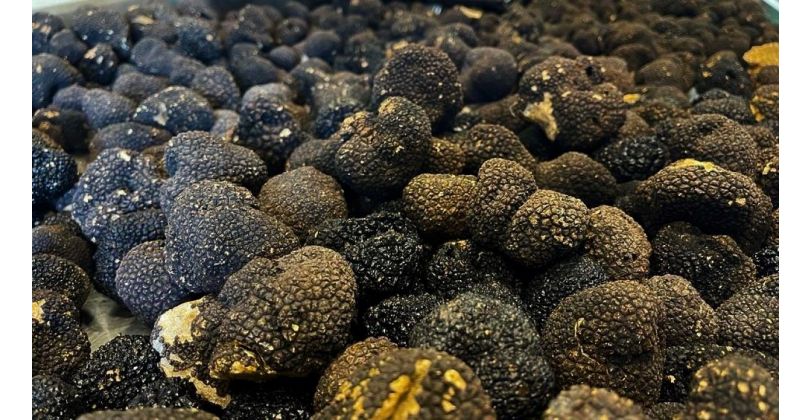
The world of truffles, the passion of Giuliano Tartufi
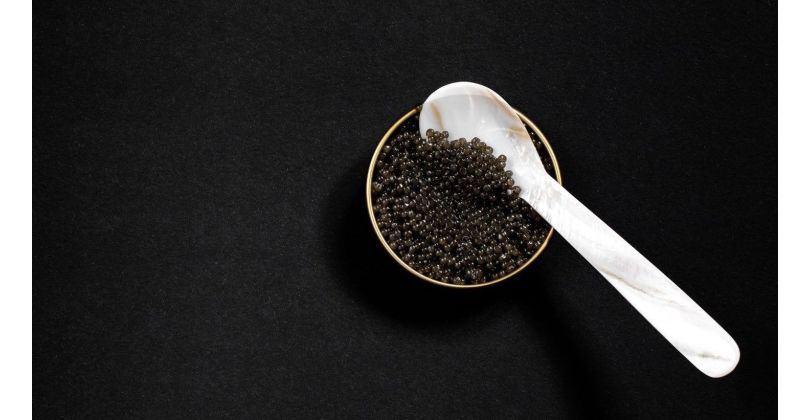
The caviar
The black gold
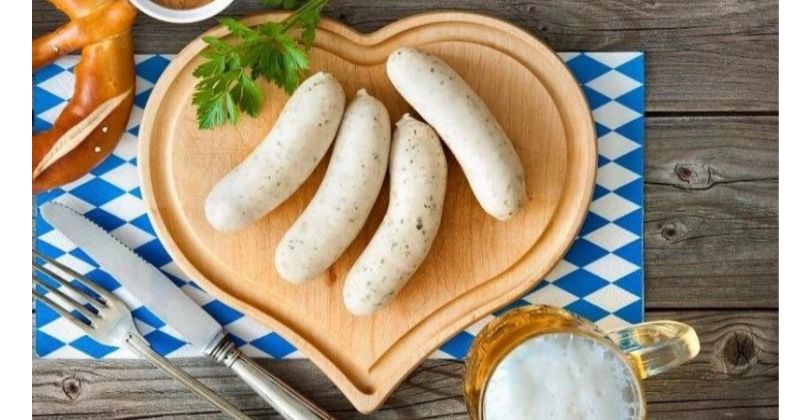
weisswurst
Oktoberfest in Switzerland, what does it actually include?
Iberian Lardo on Toasted Country Bread with Honey, Rosemary and Pan-Roasted Tomatoes
Loading...
108 view(s) 4 min read

Iberian Lardo on Toasted Country Bread with Honey, Rosemary and Pan-Roasted Tomatoes

Nice to know: Lardo has its roots in traditional European pig farming, where every part of the animal was carefully utilized. While the most famous version originates from Italy, Spain also has a long-standing tradition of producing exceptional cured pork specialties.

In regions such as Extremadura, Andalusia and Castile, pigs have been raised for generations for the outstanding quality of their fat. The renowned Iberian pigs, in particular, produce highly aromatic and beautifully marbled fat.

As early as the Middle Ages, pork fat was preserved through salting and curing, providing farmers, shepherds and travelers with an important source of energy.

To produce Lardo, selected pieces of back fat are carefully rubbed with sea salt and seasoned with ingredients such as garlic, pepper, rosemary and other Mediterranean herbs. The fat is then cured under controlled conditions for several weeks or even months.

During this maturation process, Lardo develops its characteristic silky texture and delicate, savory flavor.

Today, Spanish Iberian Lardo is considered a gourmet delicacy. Thanks to the exceptional quality of Iberian pork fat and the traditional curing process, it offers remarkable creaminess and refined flavor. Thinly sliced, it is enjoyed on fresh bread, alongside grilled meats or as an elegant ingredient in modern cuisine.

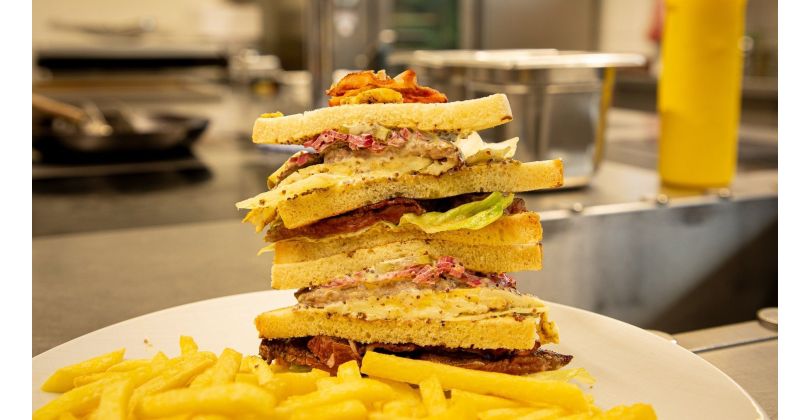
Fresh Club Sandwich with Beef Fillet, Bacon, Fried Egg, and French Fries
Loading...
286 view(s) 6 min read

Fresh Club Sandwich with Beef Fillet, Bacon, Fried Egg, and French Fries

Nice to know:  A beef club sandwich is a truly exciting variation of the classic club sandwich – and it has a few surprising stories and special features:

Origin – a sandwich with legendary status
The classic club sandwich appeared in the USA at the end of the 19th century, presumably in a New York gentlemen's club. It was originally made with turkey or chicken. The fact that it's often found today with tender roast beef or pastrami-like beef is a modern twist – and one of the most popular.

Why beef?

Beef is a perfect fit because it:

• has a more robust flavor and therefore doesn't get lost in the typical triple toast
• harmonizes with smoky and roasted aromas (toast, bacon, grill)
• can be ideally layered whether cooked pink, thinly sliced, or as pulled beef.

The “stack effect”: With a club sandwich, the height determines the experience. With beef, you get:

• different textures (crispy toast, juicy meat, crunchy lettuce)
• a more pronounced umami profile than the original
• even more flavor when you add mustard mayonnaise or a light pepper sauce

Fun fact: In some US steakhouses, the beef club sandwich is called a “mini-steak in sandwich form”—because the portion of meat is sometimes so large that you essentially have a whole steak between slices of toast.

Copyright © 2026 meat4you. All rights reserved.