




Iberian Lardo on Toasted Country Bread with Honey, Rosemary and Pan-Roasted Tomatoes
Nice to know: Lardo has its roots in traditional European pig farming, where every part of the animal was carefully utilized. While the most famous version originates from Italy, Spain also has a long-standing tradition of producing exceptional cured pork specialties.
In regions such as Extremadura, Andalusia and Castile, pigs have been raised for generations for the outstanding quality of their fat. The renowned Iberian pigs, in particular, produce highly aromatic and beautifully marbled fat.
As early as the Middle Ages, pork fat was preserved through salting and curing, providing farmers, shepherds and travelers with an important source of energy.
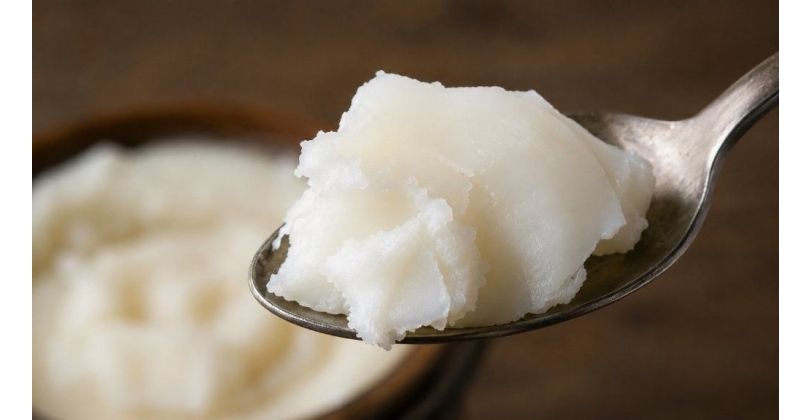
To produce Lardo, selected pieces of back fat are carefully rubbed with sea salt and seasoned with ingredients such as garlic, pepper, rosemary and other Mediterranean herbs. The fat is then cured under controlled conditions for several weeks or even months.
During this maturation process, Lardo develops its characteristic silky texture and delicate, savory flavor.
Today, Spanish Iberian Lardo is considered a gourmet delicacy. Thanks to the exceptional quality of Iberian pork fat and the traditional curing process, it offers remarkable creaminess and refined flavor. Thinly sliced, it is enjoyed on fresh bread, alongside grilled meats or as an elegant ingredient in modern cuisine.