Facebook Pixel

Blog

grillfleisch
Which meat cuts are suitable for grilling?
Why Organic?
Why Organic?
dry aged beef
Why Dry Aged Beef?
The Chianina beef
Small tree or big cattle?
The world of truffles, the passion of Giuliano Tartufi
The caviar
The black gold
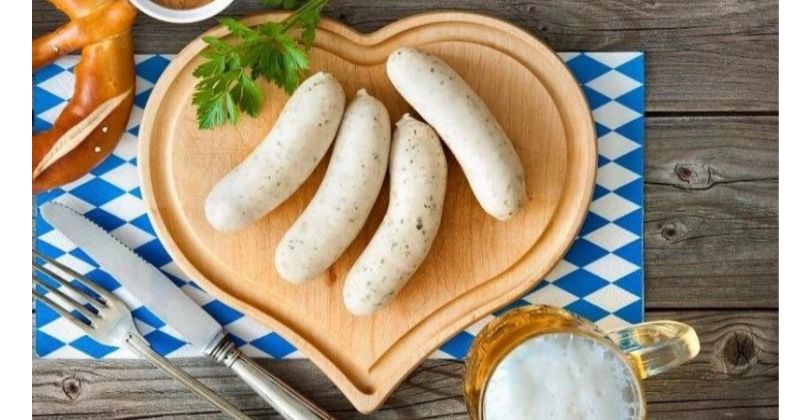
weisswurst
Oktoberfest in Switzerland, what does it actually include?
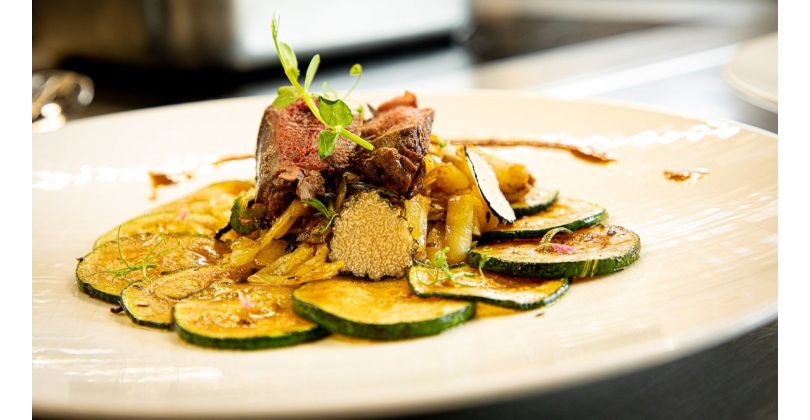
Braised wild pigeon breast on fried zucchini rounds, crispy and grated potatoes, shaved black summer truffle, and fresh game jus
Loading...
231 view(s) 5 min read

Braised wild pigeon breast on fried zucchini rounds, crispy and grated potatoes, shaved black summer truffle, and fresh game jus

Wild Pigeon – A Fascinating Chapter in History and Culinary Art

The wild pigeon, also known as the wood pigeon, has a long tradition in European culture and cuisine. It was already prized in ancient times: Romans and Greeks kept the pigeon not only as a symbol of peace and love, but also as a delicate food. In the Middle Ages, the wild pigeon was a sought-after game dish served in manor houses and monasteries. Culinary delights include its tender, dark meat with a delicate, slightly nutty aroma.

It is considered a particularly noble game species, especially appreciated in modern cuisine during the fall and winter. Traditionally, the wild pigeon is often braised or roasted, often accompanied by rich sauces made from red wine or game stock, as well as seasonal vegetables and mushrooms. Preparation requires some experience, as the meat can dry out quickly. However, those who master the art will be rewarded with an intense flavor experience that impressively demonstrates the connection between nature and culinary tradition.

Grilled roe deerchops on potato rösti and grilled vegetables with elderberry and red wine reduction and caramelized figs
Loading...
387 view(s) 5 min read

Grilled roe deer chops on potato rösti and grilled vegetables with elderberry and red wine reduction and caramelized figs

The roe deer (Capreolus capreolus) is a small to medium-sized wild animal in the deer family. It lives primarily in Europe and parts of Asia. Roe deer are known for their slender build, reddish-brown coat in summer, and gray-brown winter coat. Male deer have short, branched antlers, which they shed and regrow annually. They are herbivores and feed on grasses, herbs, leaves, and buds. Roe deer are crepuscular and prefer forests, field edges, and open landscapes. These chops come from roe deer and are tender, lean pieces of meat from the animal's back. They are considered particularly delicious and are often prepared in fine cuisine.
Classic - Irish beef striploin grilled with Allumette fries
Loading...
459 view(s) 4 min read

Classic - Irish beef striploin grilled with Allumette fries

Entrecote is a classic French steak dish, cut from the striploin of beef. It is particularly tender and flavorful. The side dish, "pommes allumette," is thinly sliced, crispy French fries, also from French cuisine. Irish beef is known worldwide for its quality, as the animals are mostly raised on lush pastures with natural feed, which gives the meat a particularly delicate flavor and tender texture. The combination of Irish beef and French cooking creates an elegant and delicious dish.
Grilled Organic Skin-On Salmon Fillet, Steamed Sugarloaf, and Turmeric Rice
Loading...
544 view(s) 6 min read

Grilled Organic Skin-On Salmon Fillet, Steamed Sugarloaf, and Turmeric Rice

Salmon is a fatty fish, especially valued for its high content of omega-3 fatty acids, proteins, and vitamins. It lives in both fresh and salt water and is found in various species worldwide. Salmon is considered healthy and versatile in the kitchen – whether raw, fried, grilled, or smoked. Sustainable farming and fishing are important to protect stocks and ensure quality.
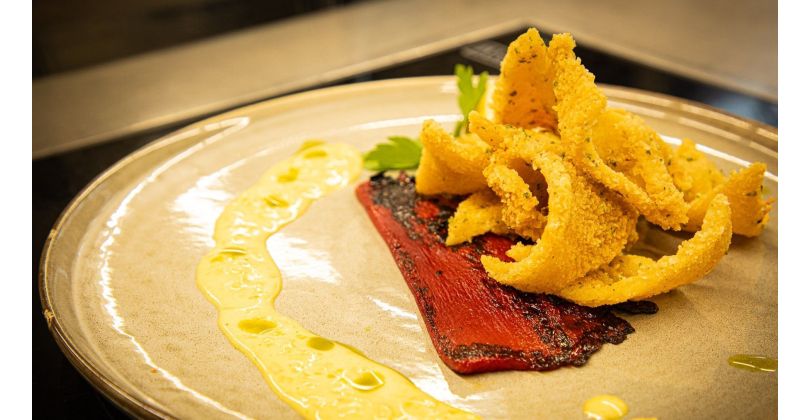
Fried Tripe with Fresh Aioli
Loading...
472 view(s) 4 min read

Fried Tripe with Fresh Aioli

Historically, tripe has long been an important food source for poorer segments of the population, as it was often cheaper and more accessible than cuts of meat.

However, with increasing prosperity and changing dietary habits, tripe became less popular and is now more of a niche product reserved for lovers of traditional cuisine.

In some cultures and regions, tripe also holds special symbolic significance, whether in festive feasts or in the tradition of using food as fully as possible. This is reflected in the philosophy that food should not be wasted.

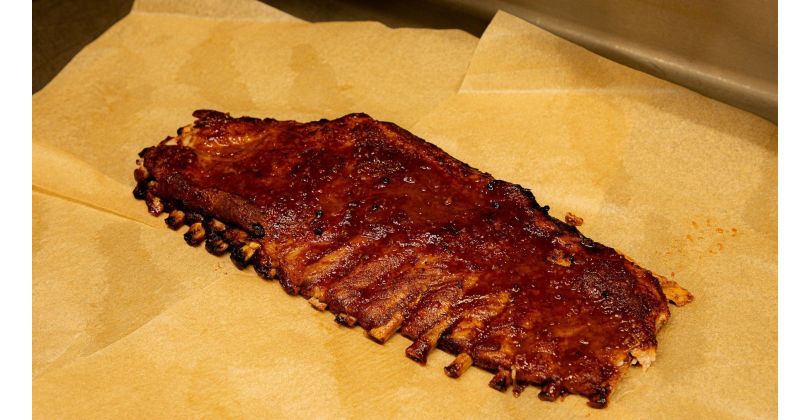
Perfectly cooked Costine – tender and juicy, falling off the bone
Loading...
1750 view(s) 9 min read

Perfectly cooked Costine – tender and juicy, falling off the bone

The history of the Costine is closely linked to the development of barbecue culture, especially in the USA, where barbecue has a long tradition. Originally, ribs were often considered an inexpensive cut of meat, appreciated by the less affluent segments of the population. Over time, chefs and grill masters discovered the full potential of the Costine – slow cooking at low temperatures makes them buttery tender and develops a distinctive flavor.

In Europe, Costine pork is also very popular, especially in Italian and German cuisine, where it is often marinated or refined with spicy sauces. Whether braised in the oven, grilled on the barbecue or as part of a hearty stew – Costine are versatile and a real treat.

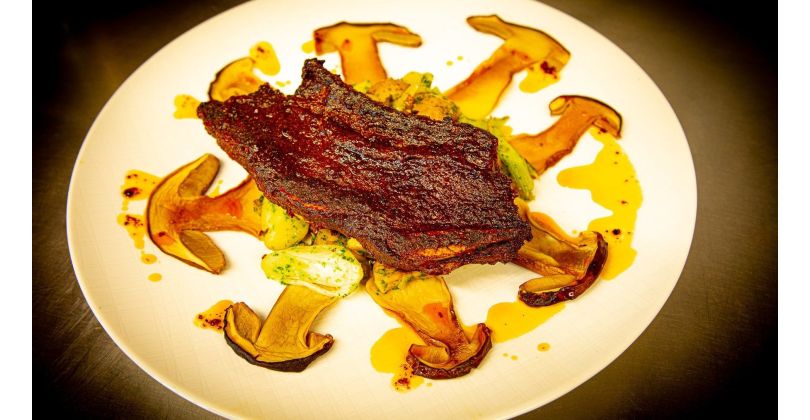
Crispy grilled beef asados with meat4you seasoning and marinated porcini mushrooms on a roasted potato, onion, and mushroom bed
Loading...
593 view(s) 5 min read

Crispy grilled beef asados with meat4you seasoning and marinated porcini mushrooms on a roasted potato, onion, and mushroom bed

Beef asado is much more than just a dish—it's a cultural experience with deep historical roots, especially in South America. Asado originated in the gaucho traditions of Argentina and Uruguay. The gauchos, the legendary cattle herders of the Pampas, developed it as a practical yet sociable way of preparing beef over an open fire.

In the 18th and 19th centuries, asado was a central part of the lives of gauchos, who often spent days on the pastures. They used simple methods to slowly cook the meat over a wood fire, giving the beef its characteristic smoky flavor. This slow cooking made the meat particularly tender and flavorful – a tradition that is still practiced today. Over time, the asado became a symbol of Argentinian and Uruguayan identity and is now an integral part of family celebrations and social gatherings. It represents community, hospitality, and the joy of sharing good food.

The beef asado thus combines history, culture, and culinary delights in a unique way – a true piece of South American lifestyle on a plate. The asado cut is the cross rib, also called beef ribs, and is cut from the bone-in beef brisket, across the bone. A fresh chimichuri sauce complements it.

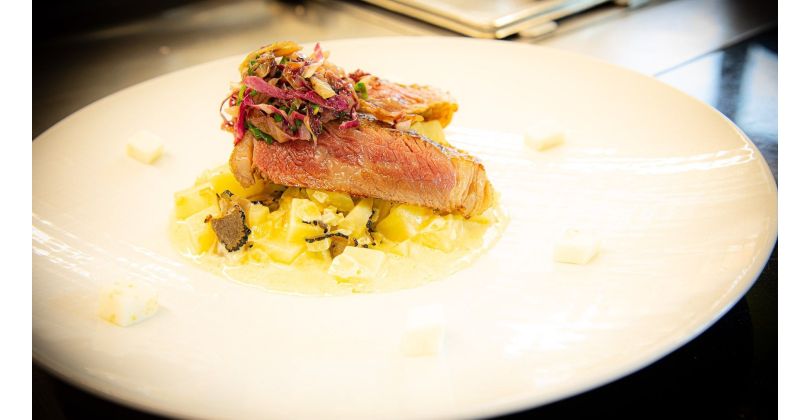
Grilled US Wagyu Beef ribeye on Creamed Celery with Black Truffle Slices and Sautéed Radicchio
Loading...
272 view(s) 4 min read

Grilled US Wagyu Beef ribeye on Creamed Celery with Black Truffle Slices and Sautéed Radicchio

Wagyu beef is known worldwide for its exceptional quality and exquisite flavor. Here are some interesting facts and information about Wagyu that illustrate what makes this meat special:

Origin: Wagyu originated in Japan. The term "Wagyu" means "Japanese cattle" (wa = Japanese, gyu = cattle).

Breeding: Wagyu breeding dates back to ancient Japanese cattle breeds first documented in the 2nd century AD. These cattle were originally used as working animals and were subject to special breeding and care conditions.

Breed:

Main lines: The most well-known Wagyu breeds are the Japanese Black, Japanese Brown, Japanese Shorthorn, and Japanese Polled. The Japanese Black breed is the most widespread.

Marbling:

Fat distribution: Wagyu is famous for its high fat marbling, meaning that intramuscular fat is evenly distributed throughout the meat. This marbling ensures a tender texture and rich flavor.

Health benefits:

Fat composition: Wagyu beef contains a higher proportion of unsaturated fatty acids, which are considered healthier, and is thus rich in omega-3 and omega-6 fatty acids, which are important for health.

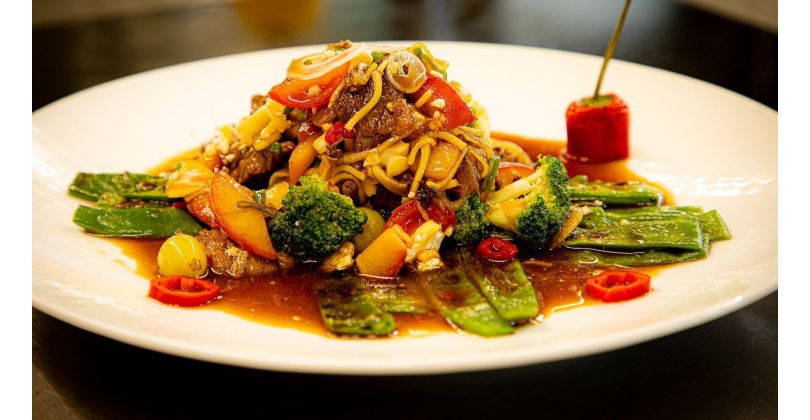
Roasted Wagyu beef salad with grilled coco beans, broccoli, grapes, and peaches with soy, honey, and chili dressing.
Loading...
297 view(s) 5 min read

Roasted Wagyu beef salad with grilled coco beans, broccoli, grapes, and peaches with soy, honey, and chili dressing.

A salad with an Asian touch that combines the delicate flavors of Wagyu beef with fruity sweetness and spicy heat – perfect for connoisseurs who appreciate something special.
Roasted Lamb Shoulder on Potato, Carrot, and Leek Straws with Lamb Jus and Tomato and Basil Salsa
Loading...
321 view(s) 7 min read

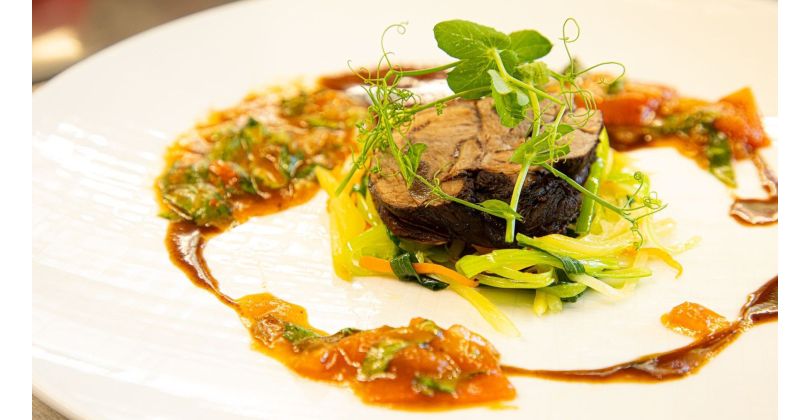
Roasted Lamb Shoulder on Potato, Carrot, and Leek Straws with Lamb Jus and Tomato and Basil Salsa

Lamb shoulder is a particularly tasty and succulent cut of meat that is often used in cooking. It comes from the shoulder area of ​​the lamb and is known for its intense flavor and tender texture, which is perfectly enhanced by slow cooking or braising.

Characteristics of lamb shoulder: Tenderness and flavor: Lamb shoulder has a balanced fat distribution that melts during cooking, giving the meat a wonderfully juicy texture. The flavor is robust and aromatic, making it an excellent choice for savory dishes.

Versatility: It can be prepared in a variety of ways: braised, grilled, roasted, or even in a slow cooker.

Copyright © 2026 meat4you. All rights reserved.