
Facebook Pixel

Recipes

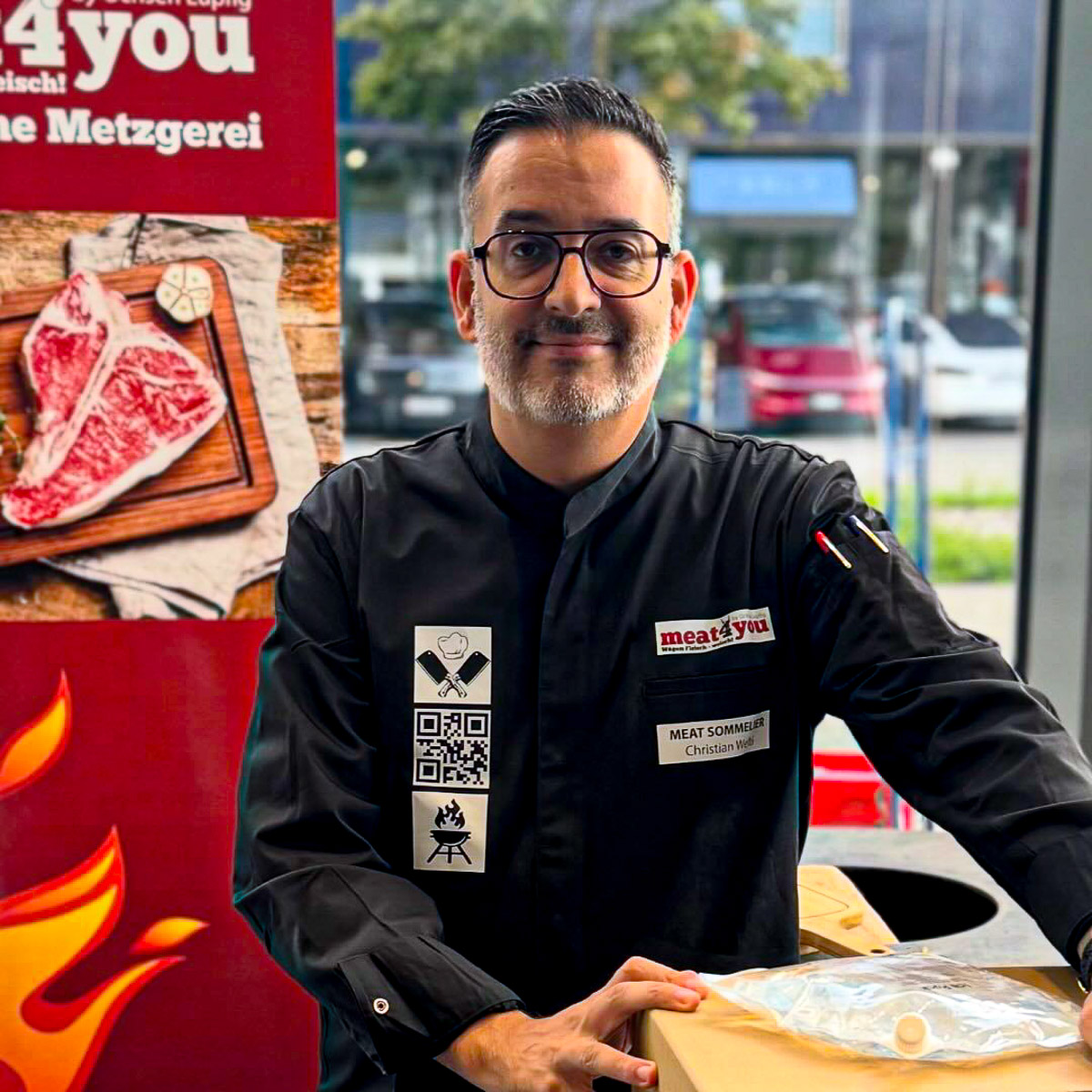
The recipe blog, published once a week, is written personally by meat sommelier Chris.


Each post is crafted with his extensive expertise, his deep passion for culinary perfection, and his commitment to bringing out the very best in every single cut of meat.


In his recipes, Chris combines culinary creativity with in-depth knowledge of cuts, cooking techniques, aging methods, and animal origins.


As a result, readers not only receive inspiring ideas for new dishes but also valuable background information about the characteristics of different cuts and how to prepare them perfectly.


Every dish is described in detail, explained step by step, and directly linked to the matching products.

This allows readers to order the recommended cuts immediately and effortlessly – from the perfect steak to exceptional braising pieces and exclusive specialties such as dry aged cuts.


The result is an informative and inspiring blog that brings together enjoyment, expertise, and shopping convenience.


Week after week, Chris provides fresh inspiration for everyone who loves high-quality meat, wants to elevate their cooking skills, and is searching for exceptional culinary experiences.


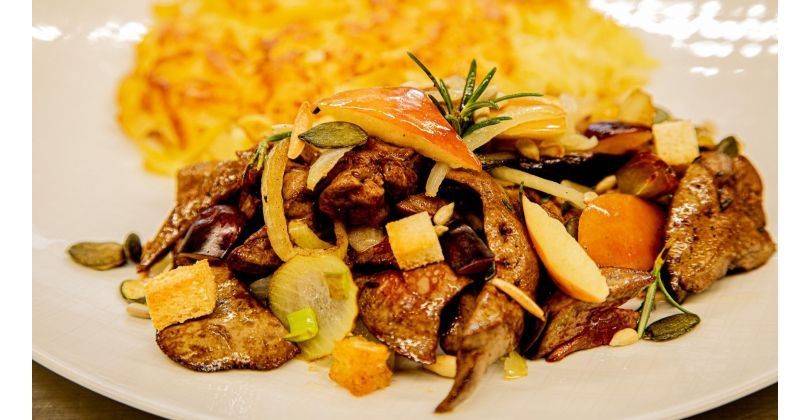
Roasted IP Suisse rabbit liver with onions and apples
Loading...
1188 view(s) 4 min read

Roasted IP Suisse rabbit liver with onions and apples

Roasted IP Suisse rabbit liver with onions and apples


Ingredients for 2 people
500 g rabbit liver
2 large onions
2 apples
2-3 tbsp butter or olive oil
1 tsp fresh thyme (or ½ tsp dried thyme)
Salt and pepper to taste
A splash of balsamic vinegar
Fresh parsley to garnish

Preparation:

Preparing the liver:
Rinse the rabbit liver thoroughly and pat dry. Remove any skin or veins.
Cut the liver into slices about 1 cm thick.

Preparing the onions and apples:
Peel the onions and cut into thin rings.
Peel, core and slice the apples.

Fry:
Heat the butter or olive oil in a large pan. First add the onions and fry slowly over medium heat until golden brown (about 10 minutes).
Then add the apple slices and fry for another 5 minutes until soft.

Add liver:
Put the rabbit liver in the pan and fry for 3-4 minutes on each side until lightly browned but still slightly pink in the middle.
Season with salt, pepper and thyme.

To finish:
If desired, add a splash of balsamic vinegar to the liver and mix gently.
Arrange everything on plates and garnish with fresh parsley if desired.

Serving suggestion:
The fried rabbit liver can be served hot and goes well with fresh rösti, baguette, mashed potatoes or a lamb's lettuce


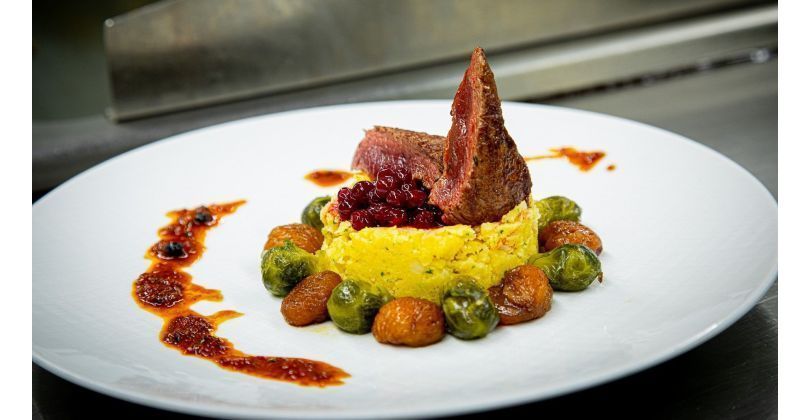
Medium grilled lamb loin with peppermint
Loading...
1689 view(s) 3 min read

Medium grilled lamb loin with peppermint

Medium grilled lamb loin with peppermint

Ingredients for 2 people
2 lamb kidney pieces (approx. 200 g each)
Salt and pepper
2-3 tbsp olive oil
2-3 sprigs of thyme
1 bunch of peppermint
4 tbsp virgin olive oil
1 tbsp mustard
1 tbsp honey


Preparation:


Prepare the lamb: Preheat the oven to 200 °C. Rinse the lamb loin pieces well and pat dry. Season with salt and pepper.

Fry the lamb: Heat olive oil in a large pan. Fry the lamb loin pieces vigorously on the meat side for 2-3 minutes until they are nice and golden brown.

Mustard-honey mixture: Mix the mustard and honey in a small bowl. Spread the mixture evenly over the fried lamb loin pieces.

Baking: Put the lamb loin pieces in the pan and bake in the preheated oven for around 15-20 minutes until they have reached the desired degree of doneness (e.g. medium-rare at a core temperature of around 55-60 °C).

Let rest: After baking, take the lamb loin pieces out of the oven and let them rest for around 5-10 minutes, then brush again with honey and mustard and bread in chopped peppermint.

Suggested side dishes: Rosemary potatoes: Roast small potatoes in the oven with olive oil, rosemary, salt and pepper.
Seasonal vegetables: Steamed vegetables such as green beans or carrots.
Puree: Creamy mashed potatoes or cauliflower puree.

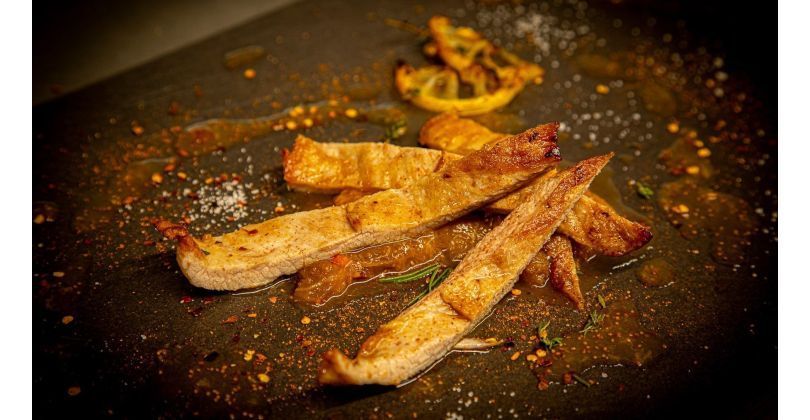
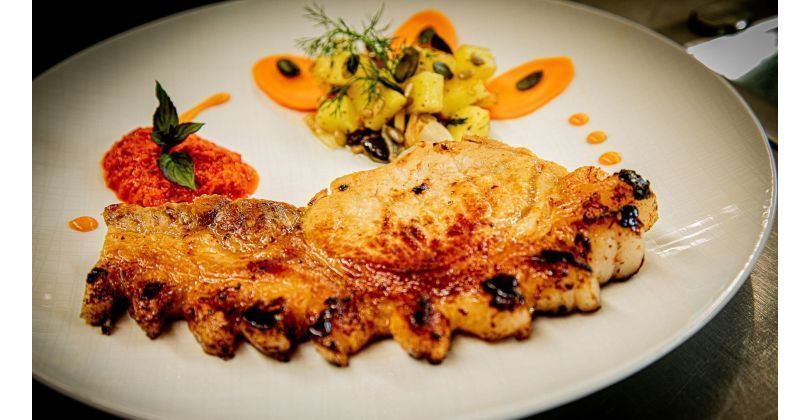
Grilled pluma with sautéed and caramelized zest and grilled peppers
Loading...
1178 view(s) 6 min read

Grilled pluma with sautéed and caramelized zest and grilled peppers

Grilled pluma with sautéed and caramelized zest and grilled peppers

Pluma is a delicious cut of meat from the Iberian pig that comes from the shoulder. Here is a simple recipe to prepare pluma:

Ingredients for 2 people
500 g Iberian pluma
2-3 tablespoons olive oil
3-4 cloves garlic, finely chopped
1 teaspoon paprika (smoked or sweet depending on your preference)
Salt (coarse grain) and pepper to taste
Fresh herbs (e.g. rosemary or thyme)
1-2 tablespoons balsamic vinegar (optional)
1 piece of green and yellow pepper
1 lime and 1 orange (for the juice) and the zests

Preparation:


Prepare the meat: Dry the pluma well and then season with salt and pepper.
Marinade: Mix olive oil, chopped garlic, paprika and balsamic vinegar if you like in a bowl. Put the meat in the marinade and leave it in the fridge for at least 30 minutes (or better yet, a few hours).


Grilling or roasting:

Grilling: Preheat the grill to medium heat (indirect) or on a plancha. Grill the pluma for about 4-5 minutes on each side until it has a nice crust and remains tender on the inside. Now grill the split peppers on the grill and give them a real roasted aroma, finally seasoning with a little coarse salt.

Roasting: Heat a pan over medium heat and add a little olive oil. Fry the pluma for 4-5 minutes on each side until it is cooked but not cooked through. Briefly fry the zest of the citrus fruit and later spread it over the meat.

Resting time: After roasting, let the meat rest for 5-10 minutes so that the juices can settle.

Serving: Cut into thin slices and sprinkle with fresh herbs and squeeze a lime and 1 orange over the top. Spread the fried zest over the meat and garnish with orange and lime slices.

Side dishes: Pluma goes well with grilled vegetables such as peppers, a side dish of potatoes or a fresh salad. A delicious bread is also good for soaking up the flavors.

Duet from Teres Major
Loading...
992 view(s) 4 min read

Duet from Teres Major

Preparation options

Cooking: Petit tender can be prepared in a variety of ways, including grilling, roasting or braising. Due to its tenderness, it is important not to overcook the meat to preserve its suppleness and flavor. The ideal preparation is to cook the meat medium-rare to medium.


Two kinds of shoulder

Fry the briefly fried petit tender in a pan or on the grill and, once the core temperature has reached 53 degrees, season with a little salt and leave to rest for 5 minutes. Now cut the piece finely and enjoy it with a freshly made herb relish.

Finely cut the petit tender and then chop it to the desired texture. Finely chop the shallots, gherkins and capers, season with ketchup, Worcestershire sauce, oil, paprika, salt and pepper and add a fresh egg yolk and mix in. Serve and enjoy.
Do you want to pimp up your tartare? Simply grate fresh truffles over it or put a spoonful of the finest caviar on top to add the necessary spice.

Roasted and braised wild boar fillet with red wine sauce
Loading...
4457 view(s) 5 min read

Roasted and braised wild boar fillet with red wine sauce

Wild boars (Sus scrofa) are the wild ancestors of domesticated pigs and are one of the most common wild animals in Europe, Asia and North Africa. They can be found in forests, open countryside and agricultural areas. Here are some interesting facts about wild boars:

Appearance: Wild boars have a thick, bristly coat that is usually dark brown or black, often with lighter stripes or spots. They have prominent, large canine teeth that are used for both defense and foraging.

Diet: They are omnivorous and feed on plants, fruits, roots, insects and small animals. Their diet contributes to the unique depth of flavor of wild boar meat.

Behavior: Wild boars are crepuscular, meaning they are mostly active at dusk and after nightfall. They often live in social groups consisting of females and their young.

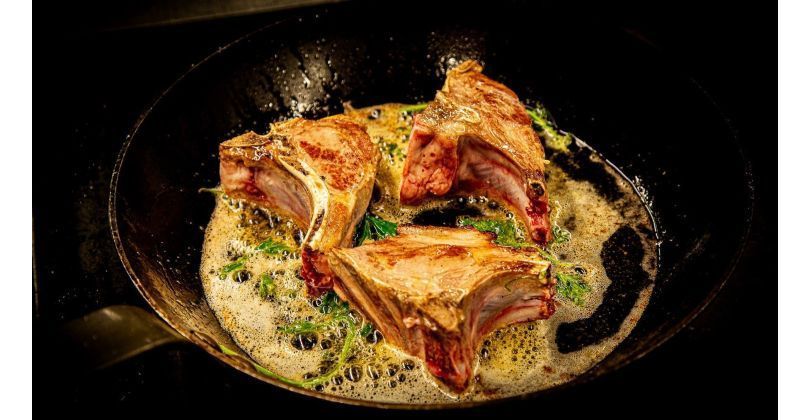
Veal cutlet: A delicate dish
Loading...
840 view(s) 5 min read

Veal cutlet: A delicate dish

Veal cutlet: A delicate dish

Veal cutlet is a tender and juicy piece of meat that is often served in fine dining. It comes from veal and has a milder, more delicate flavor than the meat of older animals. Veal cutlets are ideal for festive occasions or a special dinner because they not only taste good but are also visually appealing. Veal cutlets often come on the bone or boneless and have a thin layer of fat that provides additional flavor when roasted. They can be prepared in a variety of ways: fried, grilled or braised in the oven. Typical side dishes are fresh vegetables, potatoes or rice, often complemented by a fine sauce. The combination of the tender meat and the chosen side dishes ensures a harmonious taste experience.

Recipe for fried veal chops

Ingredients (serves 2)
2 veal chops (about 250-300g each)
2 tbsp olive oil
2 tbsp butter
2 garlic cloves, crushed
1 sprig of fresh rosemary
Salt and pepper to taste
Lemon juice (optional)
Fresh parsley to garnish


Preparation


Preparing the meat: Take the veal chops out of the fridge about 30 minutes before frying to allow them to reach room temperature.

This will ensure even cooking.

Pat the chops dry with kitchen paper and season generously with salt and pepper on both sides.

Frying: In a large frying pan, heat the olive oil over medium heat. Place the chops in the pan and fry for about 3-4 minutes on each side until they have a golden brown crust.

Flavoring: Add the butter, pressed garlic and rosemary to the pan. Tilt the pan slightly so that the butter runs over the chops. This adds extra flavor and prevents the meat from drying out.

Check cooking time: Fry the chops for about 8-10 minutes in total until they are done to your desired degree. For a tender result, the inside should be pink (core temperature around 60-65 °C).

Let it rest: Remove the chops from the pan and let them rest for about 5 minutes. This helps to keep the juices in the meat.

Serving: Serve the veal chops with a squeeze of fresh lemon juice on top, garnished with fresh parsley. Serve with roasted potatoes or a seasonal salad.

Kangaroo entrecote with pumpkin and potatoes and pepper-onion vinaigrette
Loading...
413 view(s) 3 min read

Kangaroo entrecote with pumpkin and potatoes and pepper-onion vinaigrette

Kangaroo entrecote with pumpkin and potatoes and pepper-onion vinaigretteIngredients for 2 people2 kangaroo entrecôtes (about 200-250 g each) Salt and pepper 2-3 tablespoons olive oil 2-3 sprigs of fresh rosemary or thyme (optional) 3 potatoes 1 slice of pumpkin 1 pepper 1 onion 1 orange 1 lime Table vinegar Olive oil Fresh herbs (e.g. parsley or chives), choppedmeat4you spice for marinadeHow to do it:Simply mix meat4you spice with a little cinnamon and oil and you have your exotic marinade for the kangaroo. Place the pieces in the marinade and let it soak for about 1 hour.Preparing the meat: Take the kangaroo entrecôte out of the fridge about 30 minutes before grilling or roasting so that it can reach room temperature. Pat the meat dry with kitchen paper and season it generously with the meat4you marinade Boil the pumpkin and potato and then fry in the pan with butter until golden brownFry or grill the meat: Heat the olive oil in a pan or on the grill at high heat. Add the kangaroo entrecôtes and fry them for about 2-4 minutes per side, depending on the thickness, to get a pink core (core temperature: approx. 55-60 °C). If desired, you can add some fresh herbs (e.g. rosemary or thyme) to the pan during roasting to give it additional flavor.Let it rest: Take the meat out of the pan or grill and let it rest for about 5 minutes. This helps the juices to spread throughout the meat.Mix some table vinegar, olive oil, the juice of a lime and 1 orange with finely chopped onion and pepper to make a vinaigrette.Serving: Cut the kangaroo entrecôte into slices against the grain and serve with the vinaigrette.
The perfect dry aged ribeye steak from Dierendonck
Loading...
784 view(s) 4 min read

The perfect dry aged ribeye steak from Dierendonck

History and tradition: The name Dierendonck has stood for high-quality meat since 1942. This indicates a long tradition and experience in meat processing.

Values: Dierendonck attaches importance to three core values: craftsmanship, soil and passion. This shows that the company pays attention to traditional production methods, quality of ingredients and the love of meat processing.

Own breeding and exclusive cattle breeds: Dierendonck runs its own breeding and searches throughout Europe for exclusive cattle breeds. This underlines the commitment to the origin and quality of the animals.

Kettyle Irish Foods -  Dry Aged Porterhouse Steak
Loading...
382 view(s) 2 min read

Kettyle Irish Foods - Dry Aged Porterhouse Steak

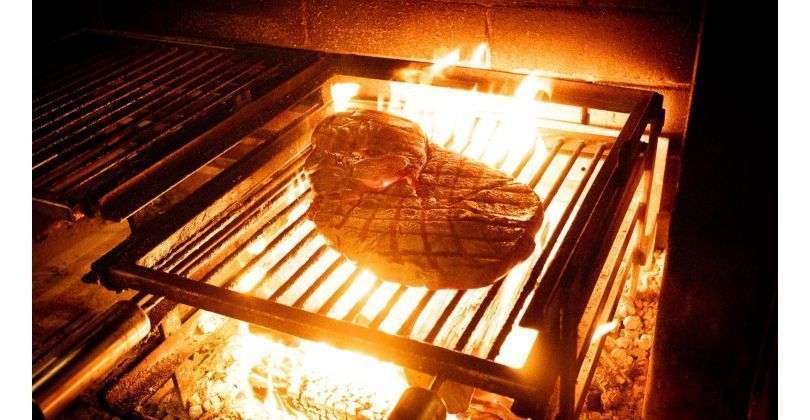
The porterhouse steak and the T-bone steak are both cut from the flat back, containing fillet and entrecôte.The two cuts, although very similar, differ primarily in thickness and the greater proportion of fillet in the porterhouse steak. A typical porterhouse steak is around 6cm thick, depending on the breed, and weighs between 700 and 1000g.The name "Porterhouse steak" comes from inns in Great Britain and the USA that served the beer porter, or possibly from Zacharias B. Porter, an American. The term “T-bone steak” is derived from the English name for the T-shaped bone that separates the two pieces of meat. (fillet and entrecôte)
The butcher's piece - US Wagyu Teres Major
Loading...
445 view(s) 3 min read

The butcher's piece - US Wagyu Petit Tender

The butcher's pieceTeres Major, a real insider tip of the steak culture, comes from the bow or shoulder of beef and is ideal for short frying, for example as a steak.
Copyright © 2026 meat4you. All rights reserved.