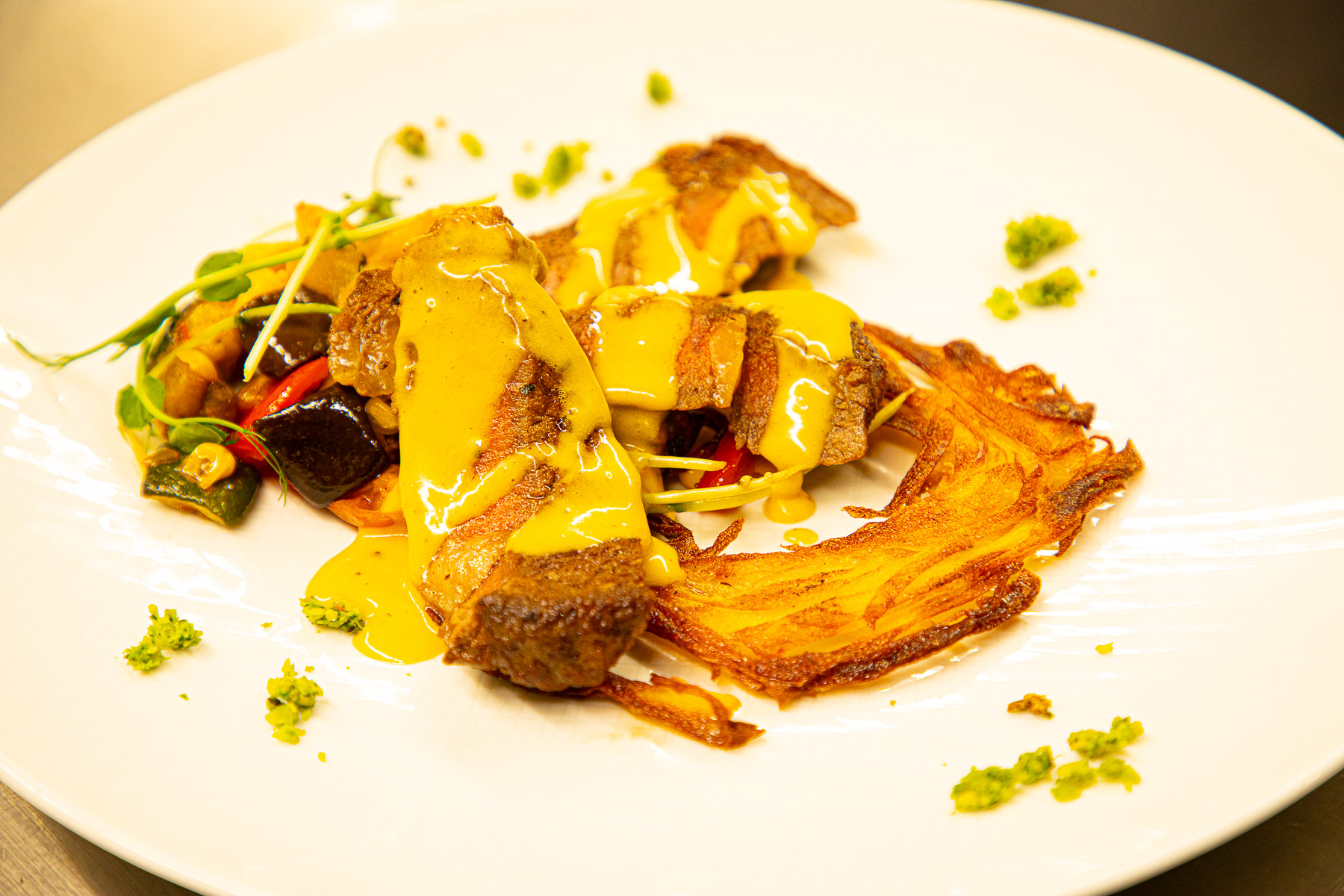
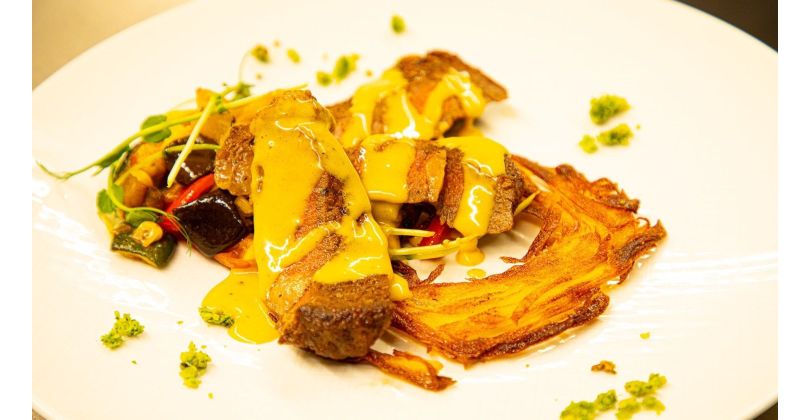
Ingredients for 2 people
For the beef ribeye:
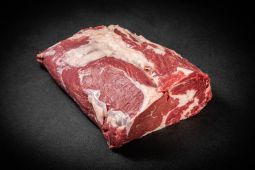
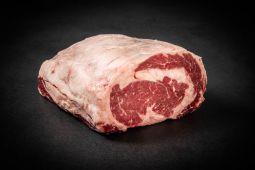
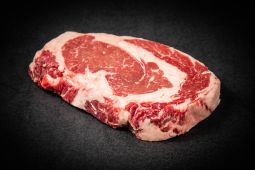
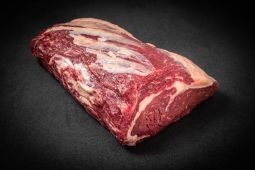
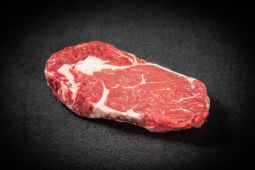
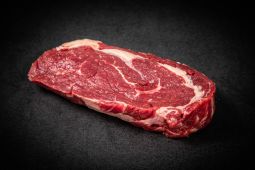
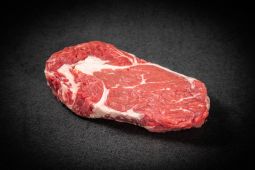
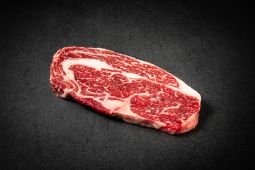
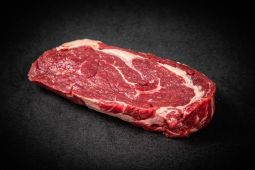
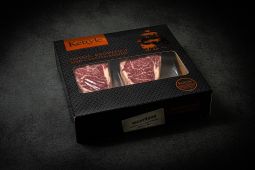
2 ribeye steaks (approx. 250-300 g each)
Salt, pepper
1 tbsp olive oil
1 sprig rosemary (optional)
For the potato nest:
400 g waxy potatoes
1 egg
2 tbsp flour
Salt, pepper
Oil for frying
For the Mediterranean grilled vegetables:
2 tomatoes
1 red bell pepper
1 small eggplant
1 zucchini
2 tbsp olive oil
Salt, pepper
1 tsp dried herbs de Provence or fresh herbs (thyme, rosemary)
For the Hollandaise sauce:
3 egg yolks
150 g butter
1 tbsp lemon juice
Salt, white pepper
Pinch of cayenne pepper
Preparation:
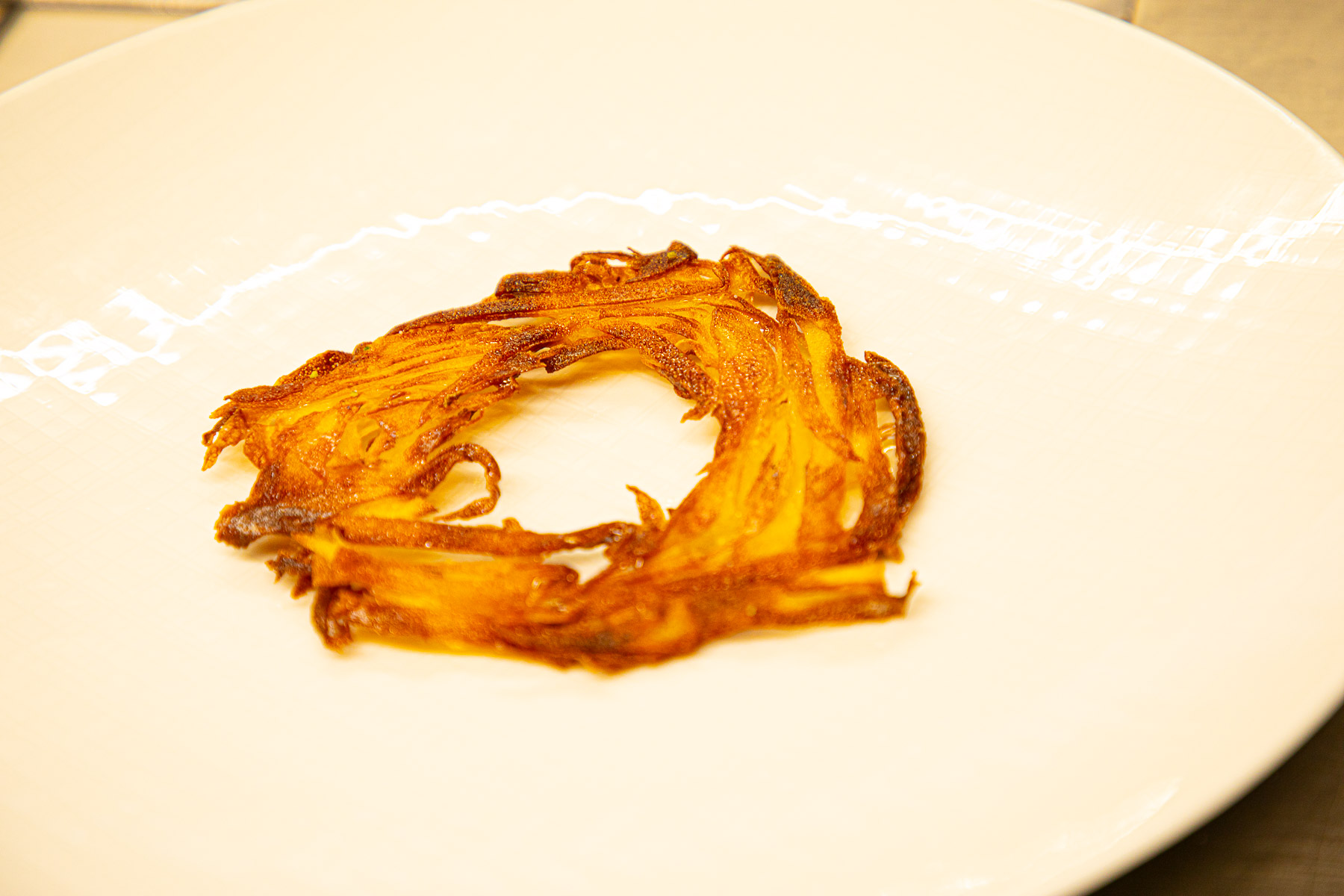
Prepare the potato nest: Peel and coarsely grate the potatoes.
Place the grated potatoes in a clean kitchen towel and squeeze out as much liquid as possible. In a bowl, combine them with the egg, flour, salt, and pepper. Heat oil in a frying pan. Drop portions of the potato mixture into the pan and flatten them to form small "nests" or flat potato pancakes. Fry until golden brown and crispy on both sides, then drain on paper towels.
Mediterranean Grilled Vegetables: Cut tomatoes, bell peppers, eggplant, and zucchini into large chunks. Toss with olive oil, salt, pepper, and herbs. Grill in a grill pan or on a barbecue until the vegetables are soft and lightly browned.
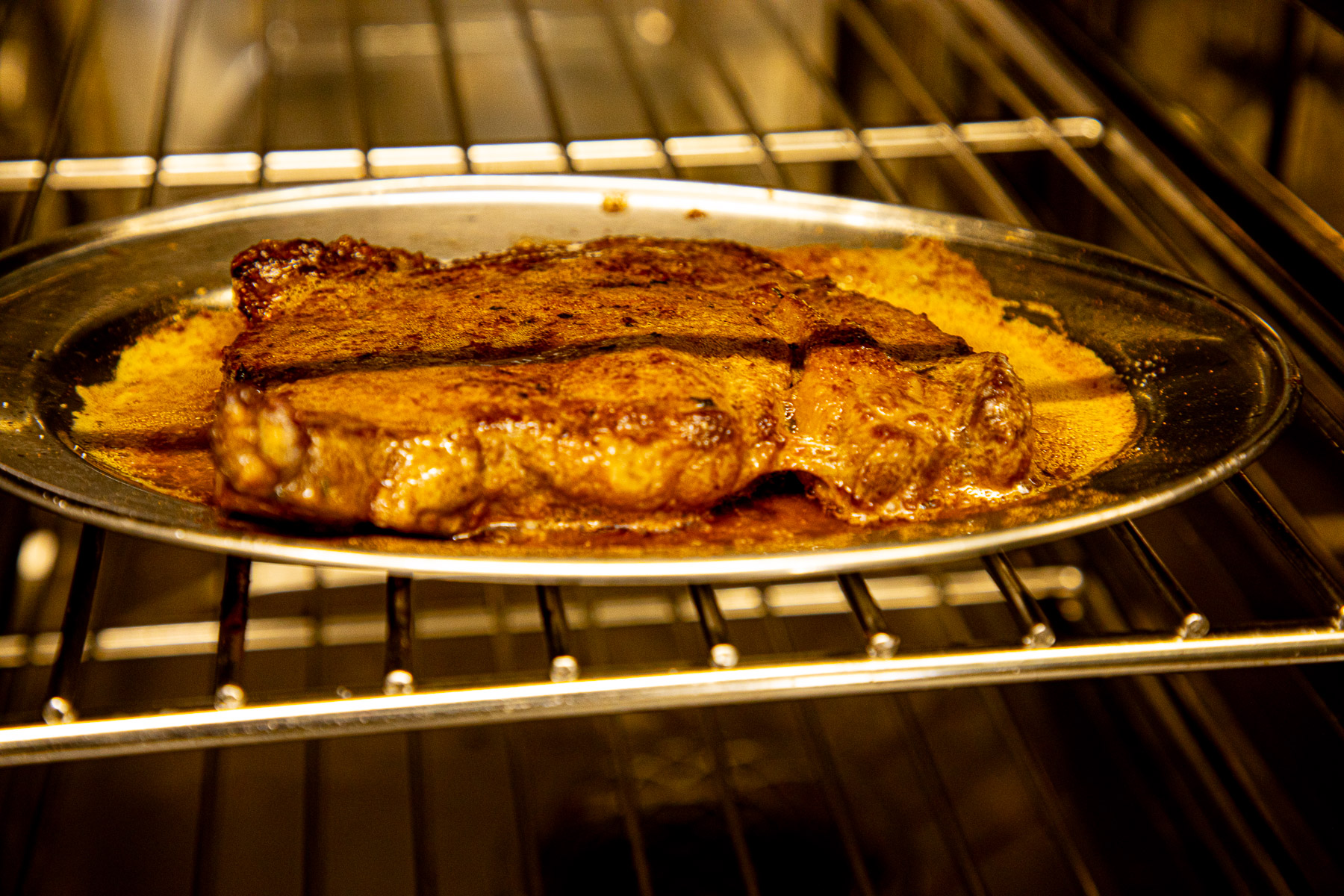
Roast Ribeye: Season ribeye steaks with salt and pepper. Heat olive oil in a hot frying pan. Season the steaks for about 3-4 minutes per side (for medium-rare), depending on their thickness. Optionally, add a sprig of rosemary to the pan to infuse the steak with its aroma. Let the steaks rest briefly after cooking.
To prepare the hollandaise sauce: Melt the butter and keep it warm.
Whisk the egg yolks with the lemon juice in a metal bowl over a pot of simmering water until frothy. Gradually whisk in the warm butter until a creamy sauce forms.
Season with salt, white pepper, and cayenne pepper.
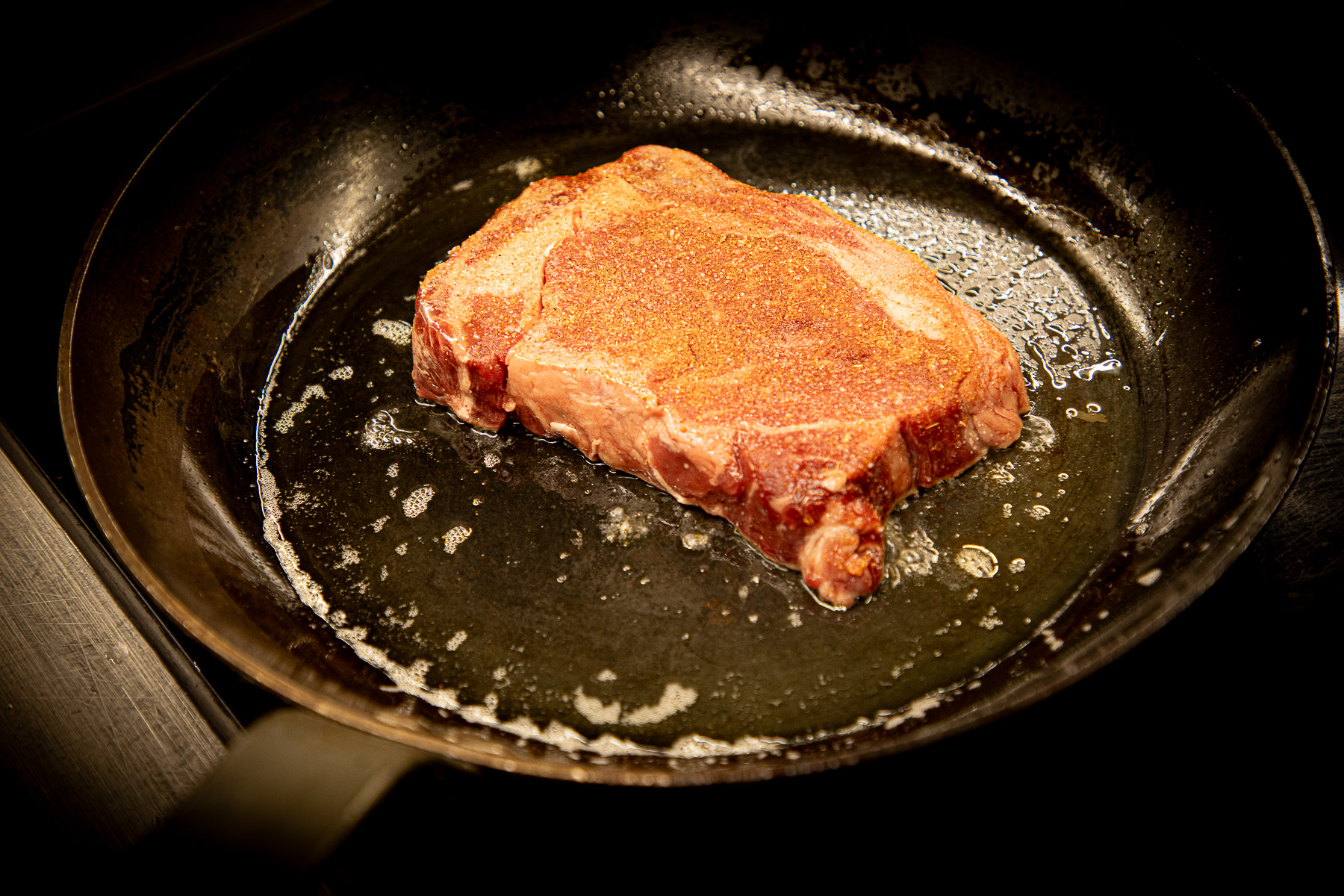
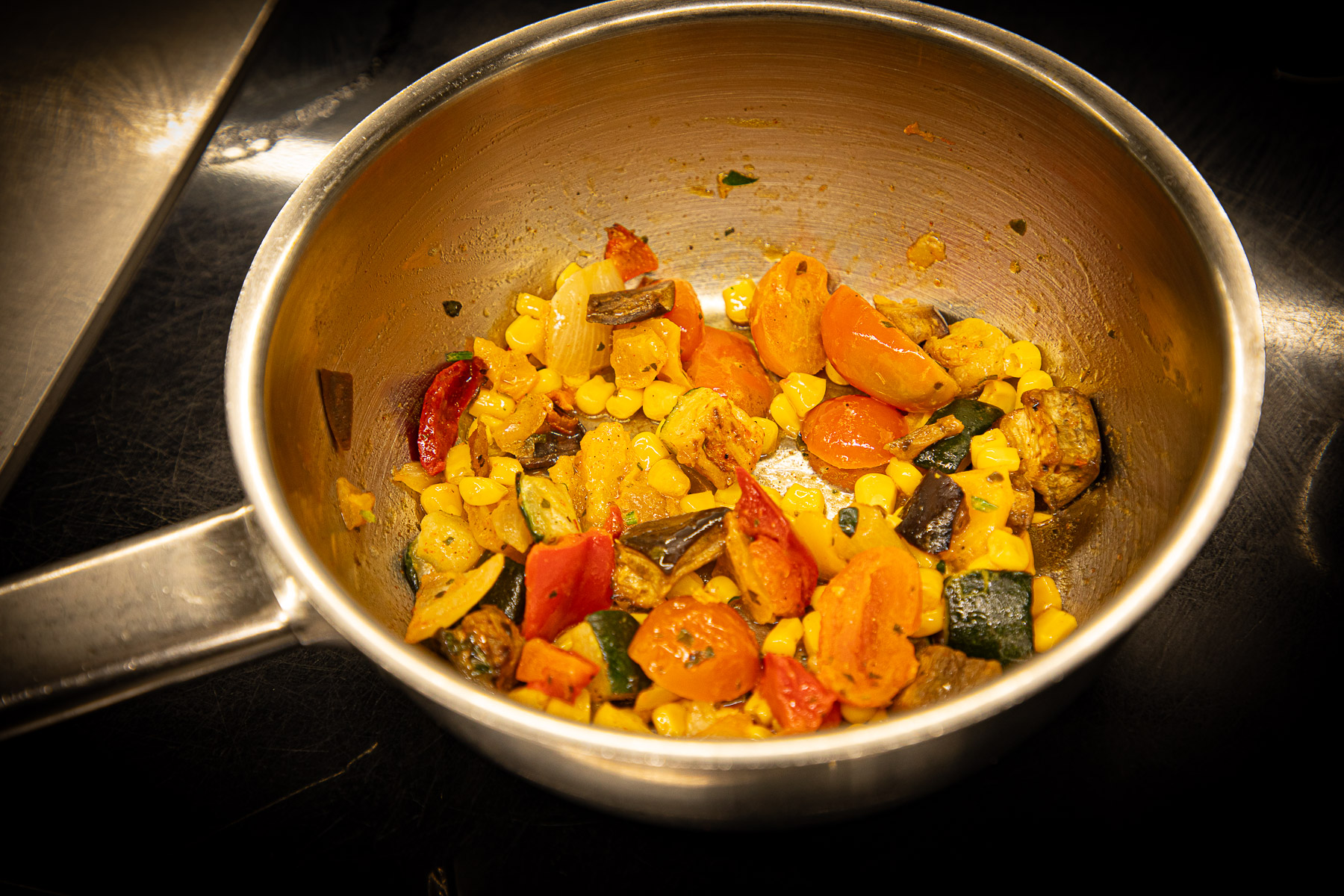
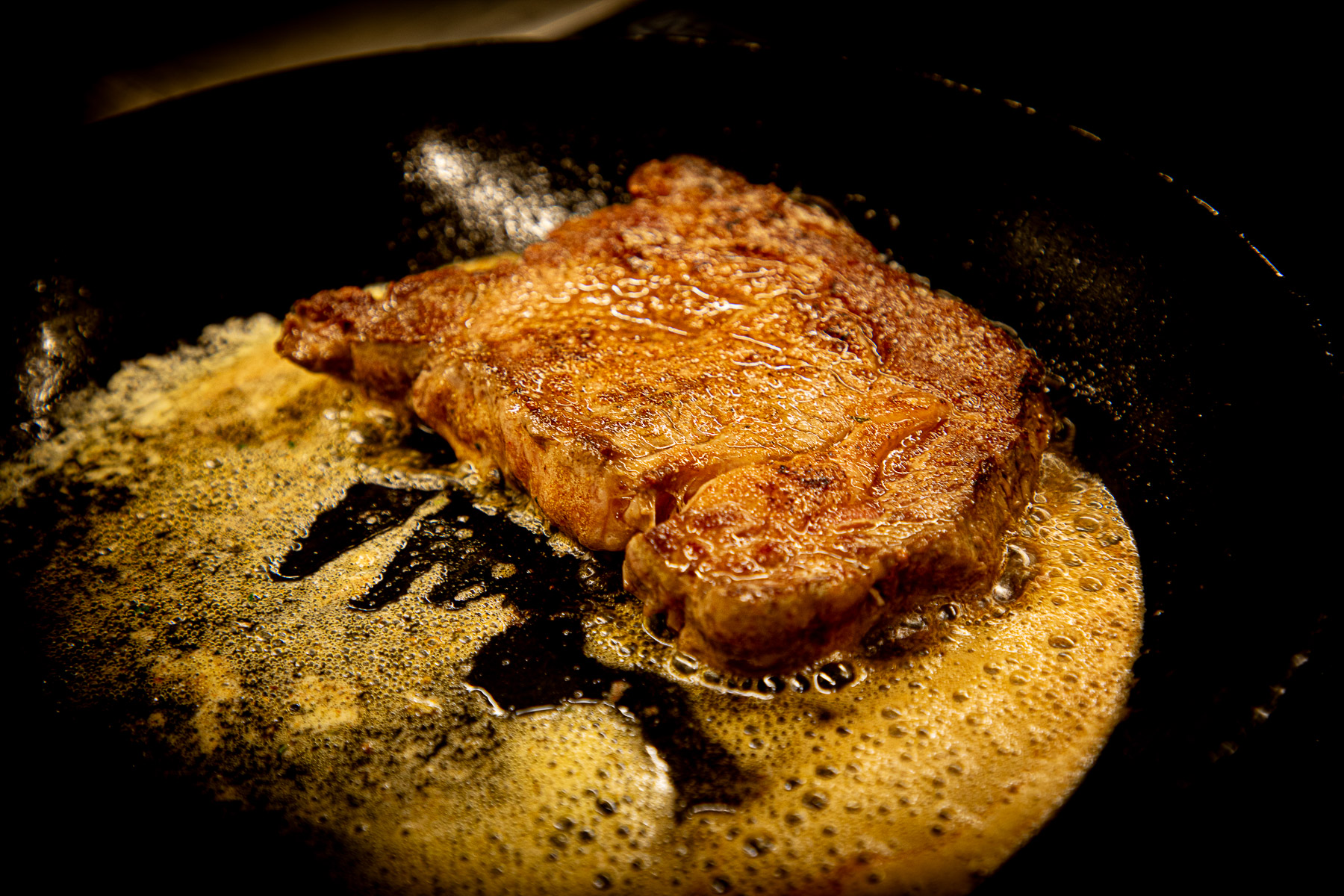
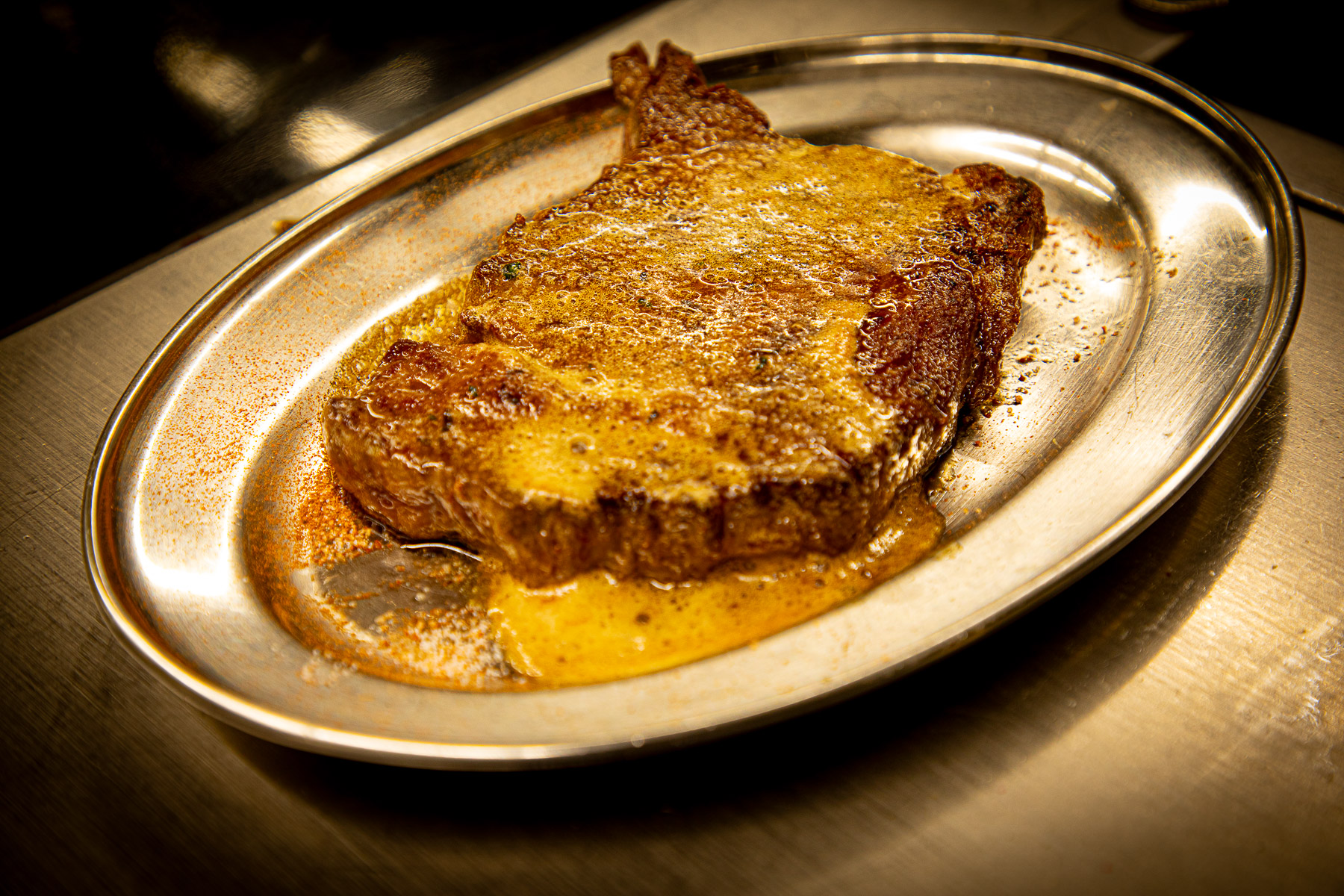

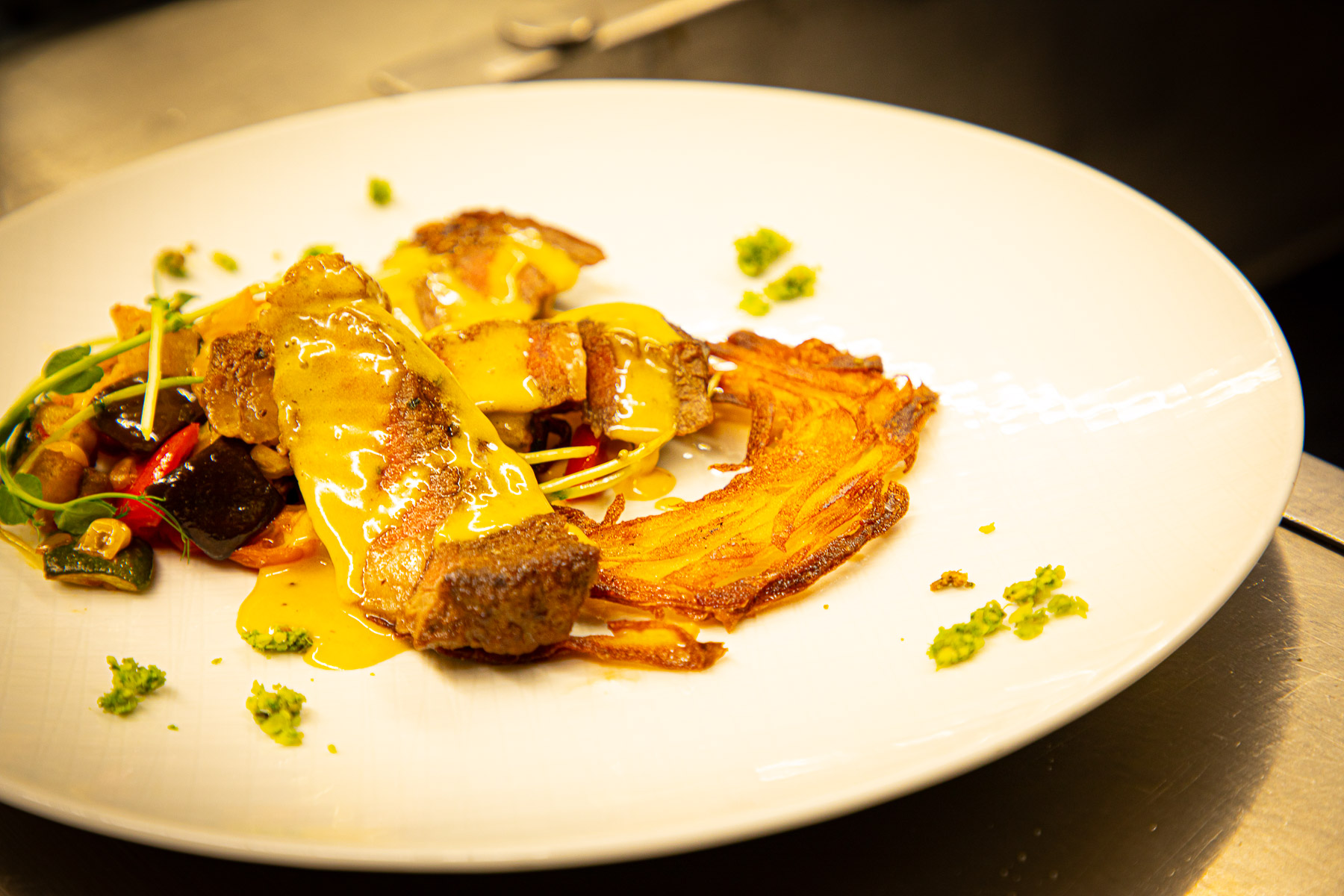
Nice to know: The ribeye steak originates from the traditional preparation of beef, which has evolved over centuries in various cultures. The ribeye comes from the rib section of the cow, more precisely from the fore rib, where the meat is particularly well-marbled, resulting in exceptional juiciness and flavor. Even in ancient times, meat from this area was prized for its taste and tenderness. Over time, the ribeye steak became especially popular in American and European cuisine, where it is considered a premium steak. The name "ribeye" refers to the "rib" and the "eye," which describes the round, meaty center of the steak.
History of Ireland: Ireland has a long and eventful history dating back to prehistoric times. The island was originally settled by Celtic tribes who developed their own culture and language. During the Middle Ages, Ireland was influenced and partially controlled by the Normans and later by England, leading to numerous political and social conflicts. In the 20th century, after a long struggle for independence, most of Ireland gained its autonomy as the Republic of Ireland, while Northern Ireland remained part of the United Kingdom. Ireland is known for its verdant landscape, fertile soils, and mild climate, which provide ideal conditions for cattle farming. Irish agriculture, particularly cattle farming, has developed over centuries and is now a major economic sector. Irish beef enjoys an excellent reputation worldwide for its quality and sustainability.