Ingredients for 2 people
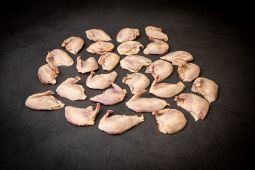
4 Supreme quail breasts
150 g long-grain rice
200 g chard (stalks and leaves)
1 small onion
1 clove of garlic
300 g fresh red cabbage
1 tbsp butter
1 tbsp sugar or honey
2 tbsp apple cider vinegar or white wine vinegar
Salt, pepper
50 g butter (for frying and basting)
Olive oil
Preparation:
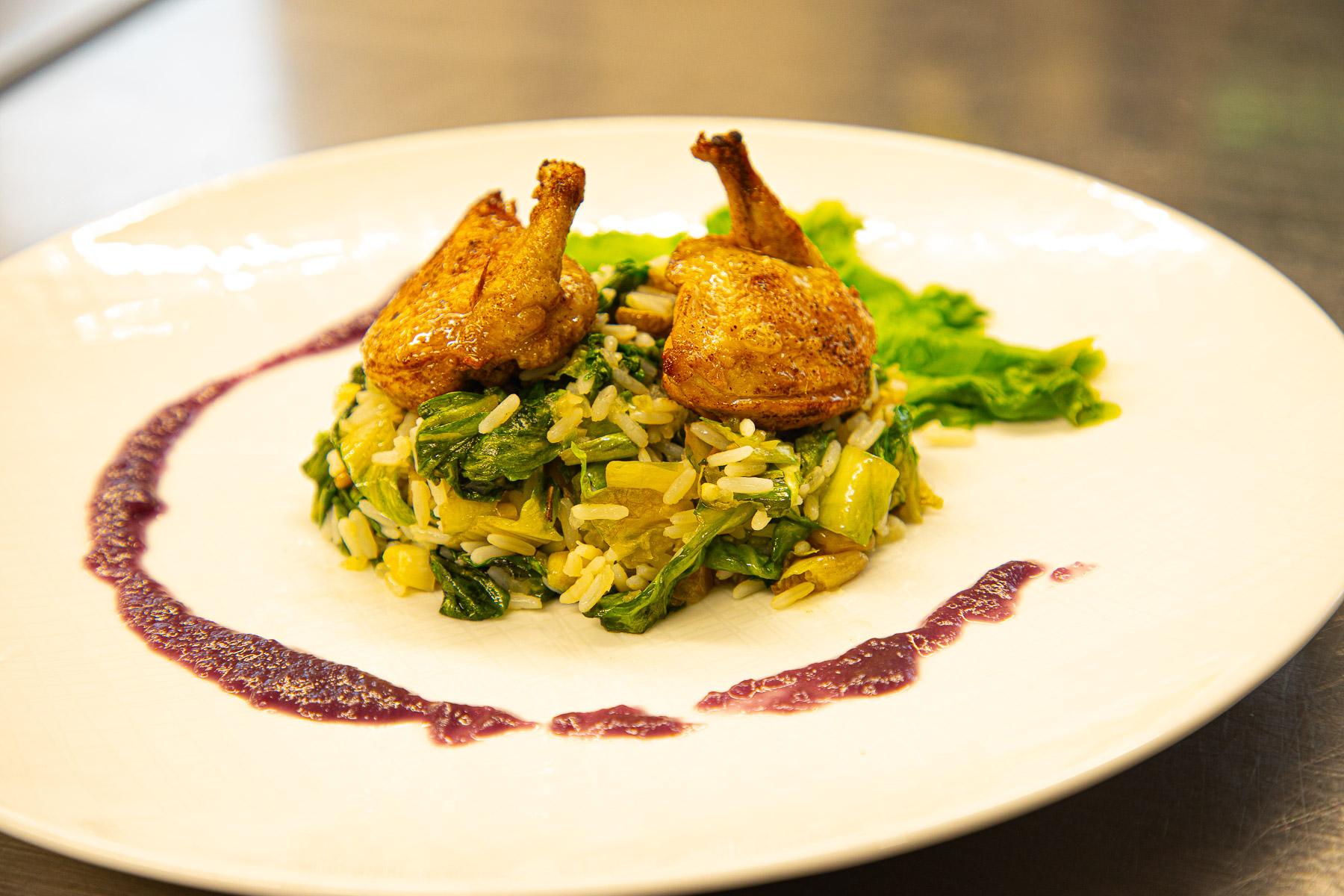
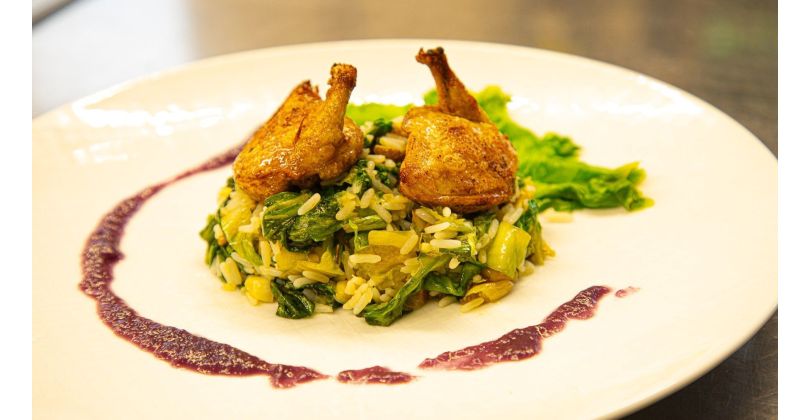
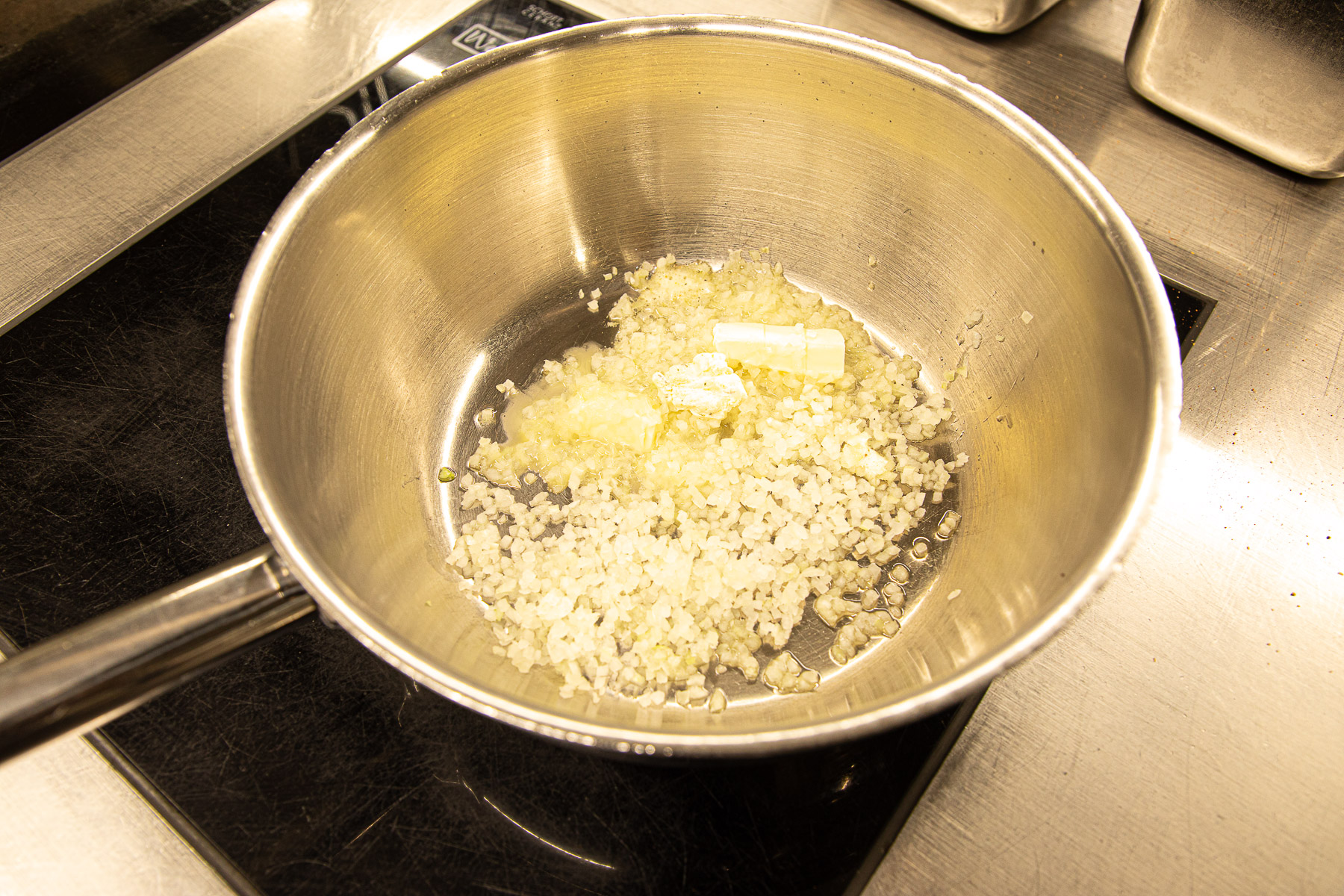
Red cabbage purée: Finely shred or slice the red cabbage. Melt the butter in a saucepan, add the sugar, and let it caramelize slightly. Add the red cabbage and sauté briefly, stirring constantly. Deglaze with vinegar, add a little water so that the cabbage is about half covered.
Cover and simmer over medium heat for about 30 minutes, stirring occasionally and adding more water if needed.
Season the cooked red cabbage with salt and pepper, then purée it finely with an immersion blender or in a food processor. Keep warm.
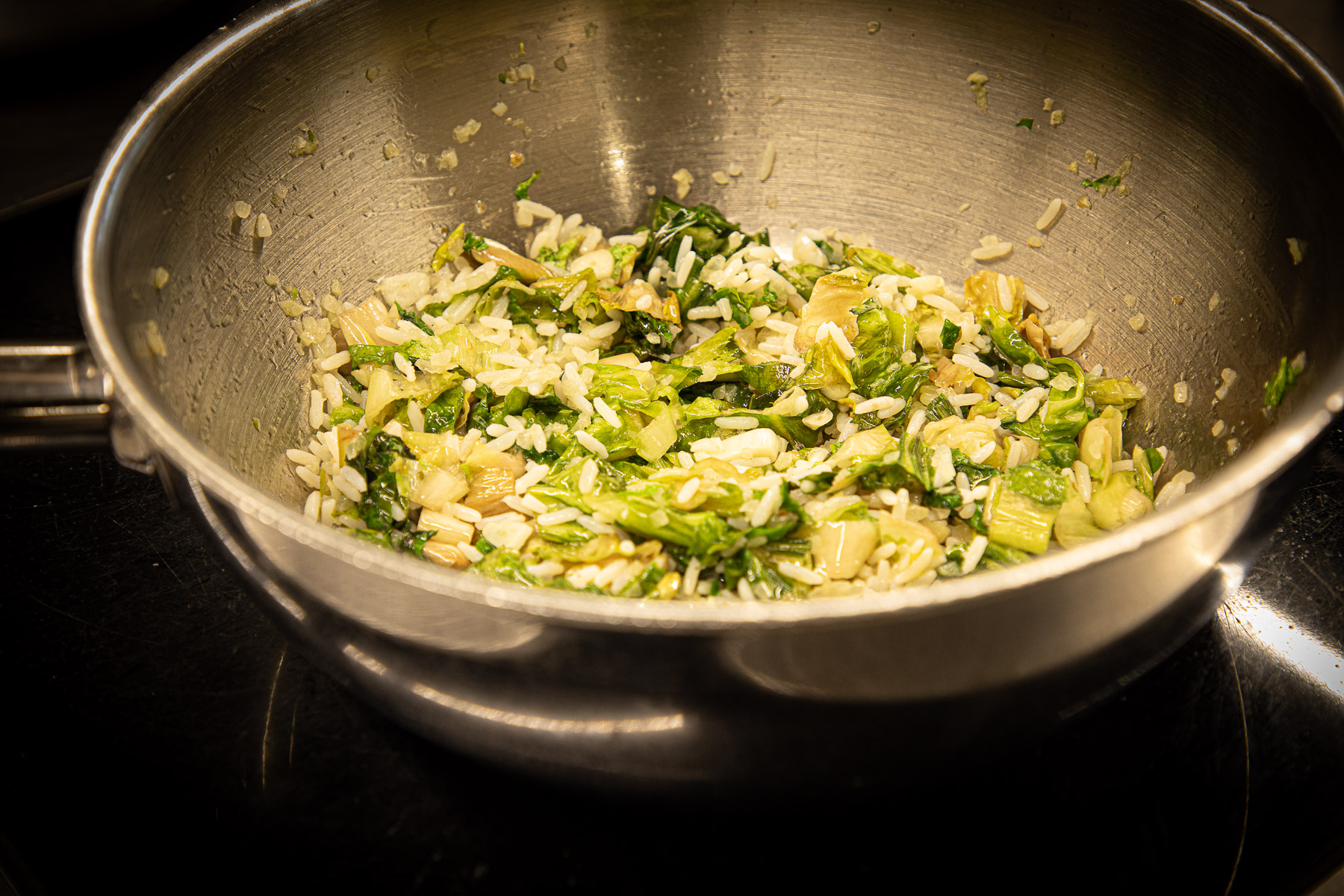
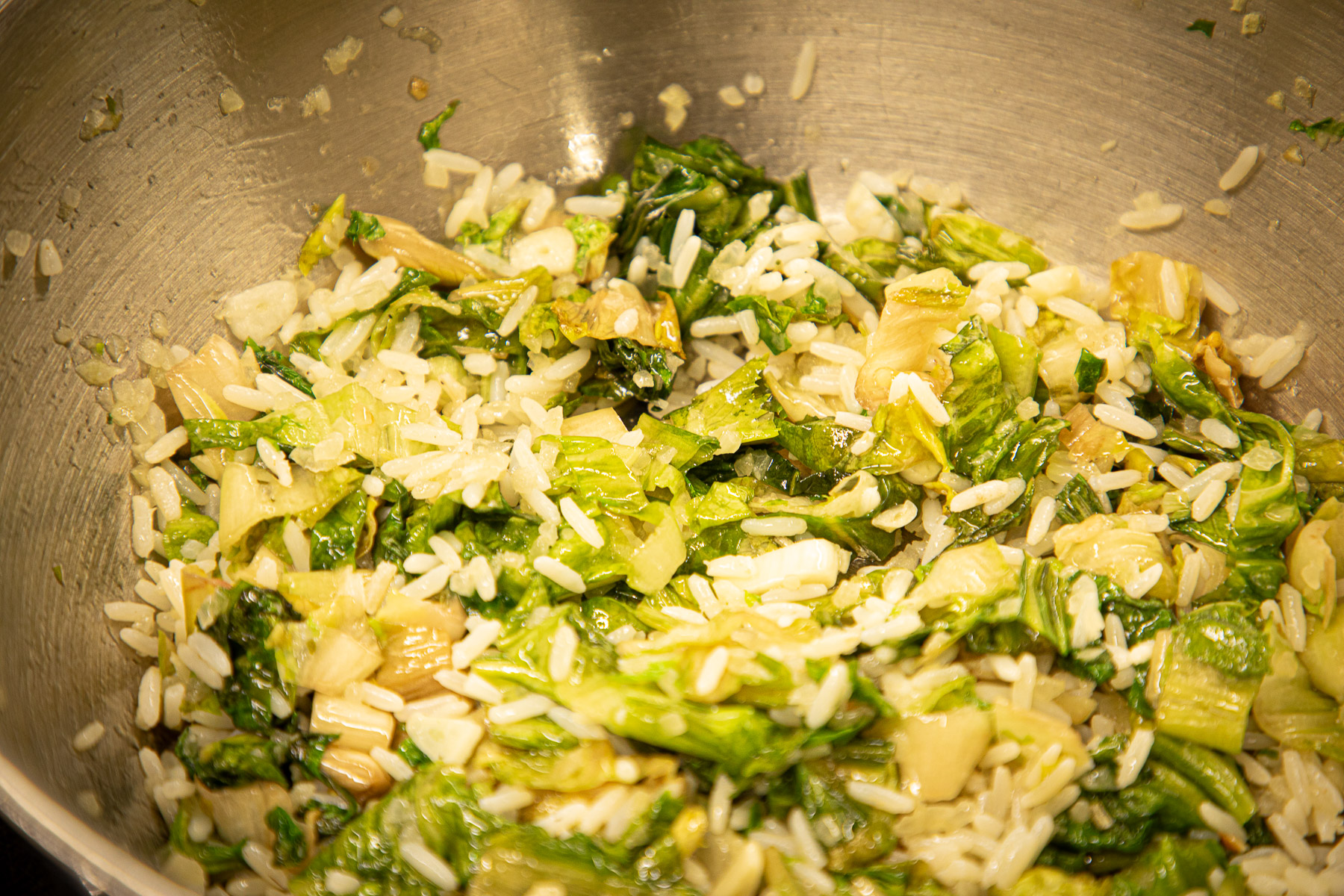
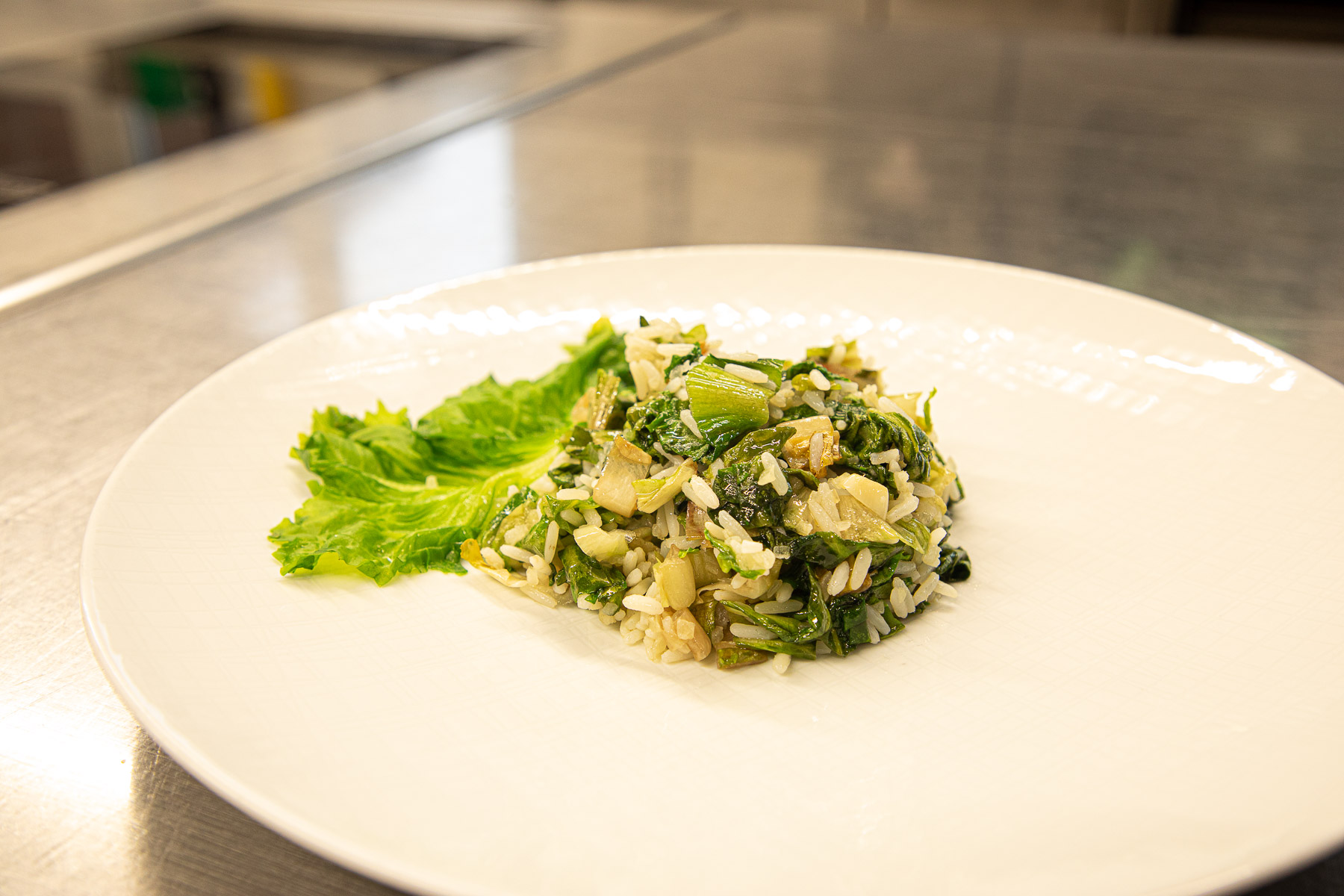
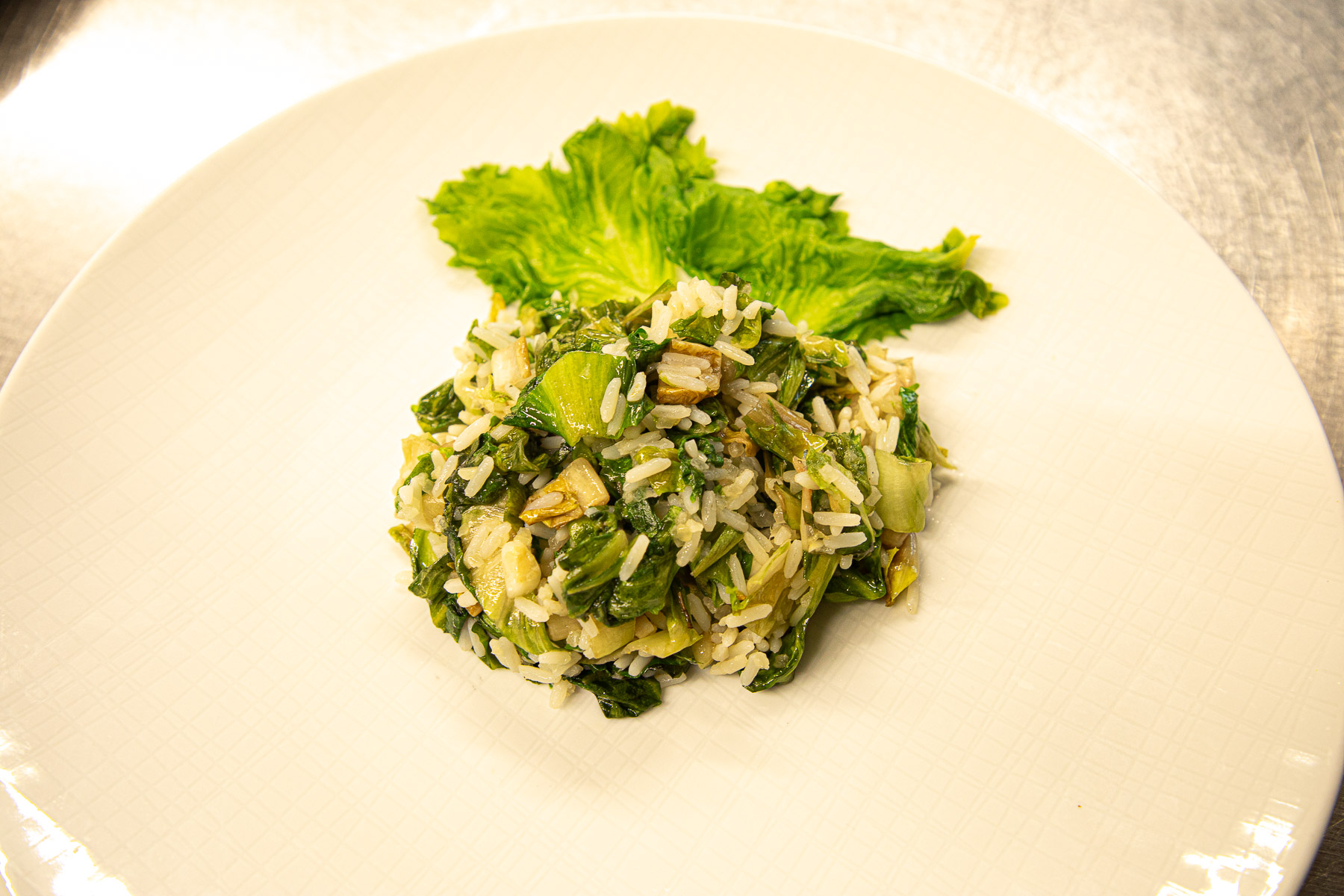
Swiss Chard Rice: Cook the rice according to package directions. Wash the Swiss chard, finely slice the stalks, and roughly chop the leaves. Finely dice the onion and garlic. Heat olive oil in a pan and sauté the onion and Swiss chard stalks until translucent. Briefly sauté the garlic, then add the Swiss chard leaves and cook until wilted. Stir in the rice, season with salt and pepper, and keep warm.
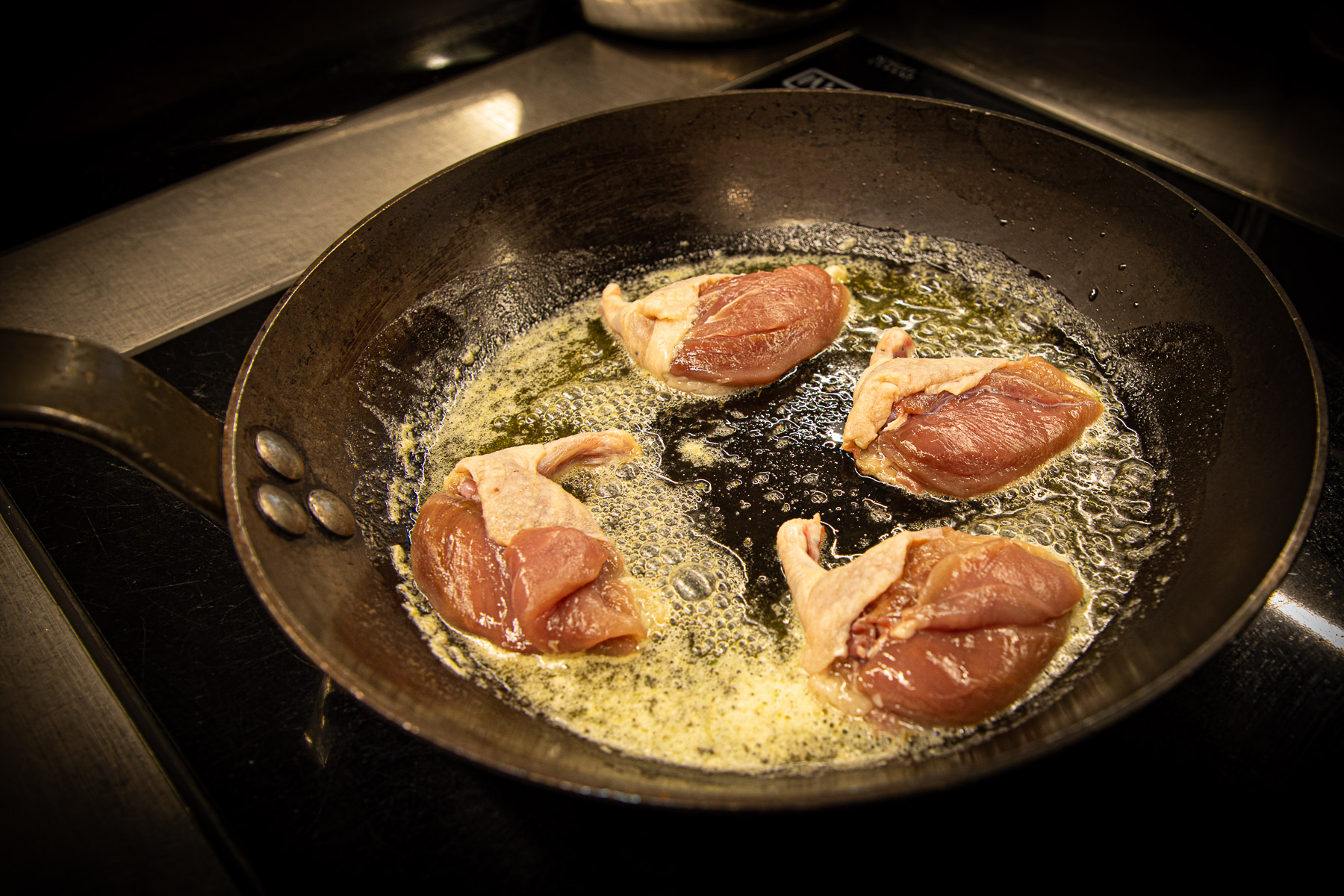
Sauté Supreme Quail Breasts: Pat the quail breasts dry and season with salt and pepper. Heat butter in a pan and sear the quail breasts skin-side down until crispy (3-4 minutes). Turn and sear the other side briefly (2-3 minutes).
While cooking, baste the breasts with the butter using a spoon to keep the meat moist and flavorful. Remove the quail breasts from the pan and let them rest briefly.
Nice to know: The quail is one of the smallest gallinaceous birds in the world, yet it has been a valued domestic and wild bird for millennia. It combines remarkable biology with culinary significance.
Small birds with a great tradition: The European quail (Coturnix coturnix) is a classic migratory bird, whereas the Japanese quail (Coturnix japonica) has been domesticated and is now found worldwide in breeding lines. Archaeological finds show that humans kept quail and used their eggs as early as 4,000 years ago.
Quail in the culinary world: Its meat is delicate, aromatic, and exceptionally tender, and is frequently used in fine dining. Quail eggs are considered a delicacy – they have a more intense flavor than chicken eggs and a favorable yolk-to-white ratio. Because of their size, quail are ideal for individual portions, appetizers, or festive menus.
Special considerations for keeping quail: Quail grow very quickly: They often start laying eggs as early as 6–8 weeks old. They are prone to stress, which necessitates a calm environment for breeding.
Despite their small size, they are very productive: A laying quail can lay 250–300 eggs per year.
Animals with remarkable characteristics: Quail are ground dwellers and can take flight abruptly upwards when threatened – the so-called "steep takeoff." They have very sensitive hearing and are easily alert to loud noises and sudden movements. Wild quail can travel up to 4,000 km on their migratory routes.