Ingredients for 2 people
For the Zebra sirloin:
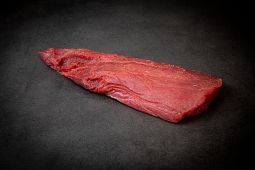
2 Zebra sirloin (approx. 300 g each)
2 tbsp olive oil
50g butter
2 garlic cloves, halved
1 rosemary sprig
1 thyme sprig
Salt and pepper to taste
For the Grilled Pepperoni and Tomatoes:
2 large pepperoni, halved
2 ripe tomatoes, quartered
50g butter
2 garlic cloves, halved
2 tbsp olive oil
Salt and pepper
For the Rice with Mulberries and Raisins:
200g long-grain rice
400ml vegetable or chicken stock
50g mulberries
50g raisins
100g grilled, finely chopped pepperoni
Fresh Peppermint leaves
Salt
Pepper
Preparation
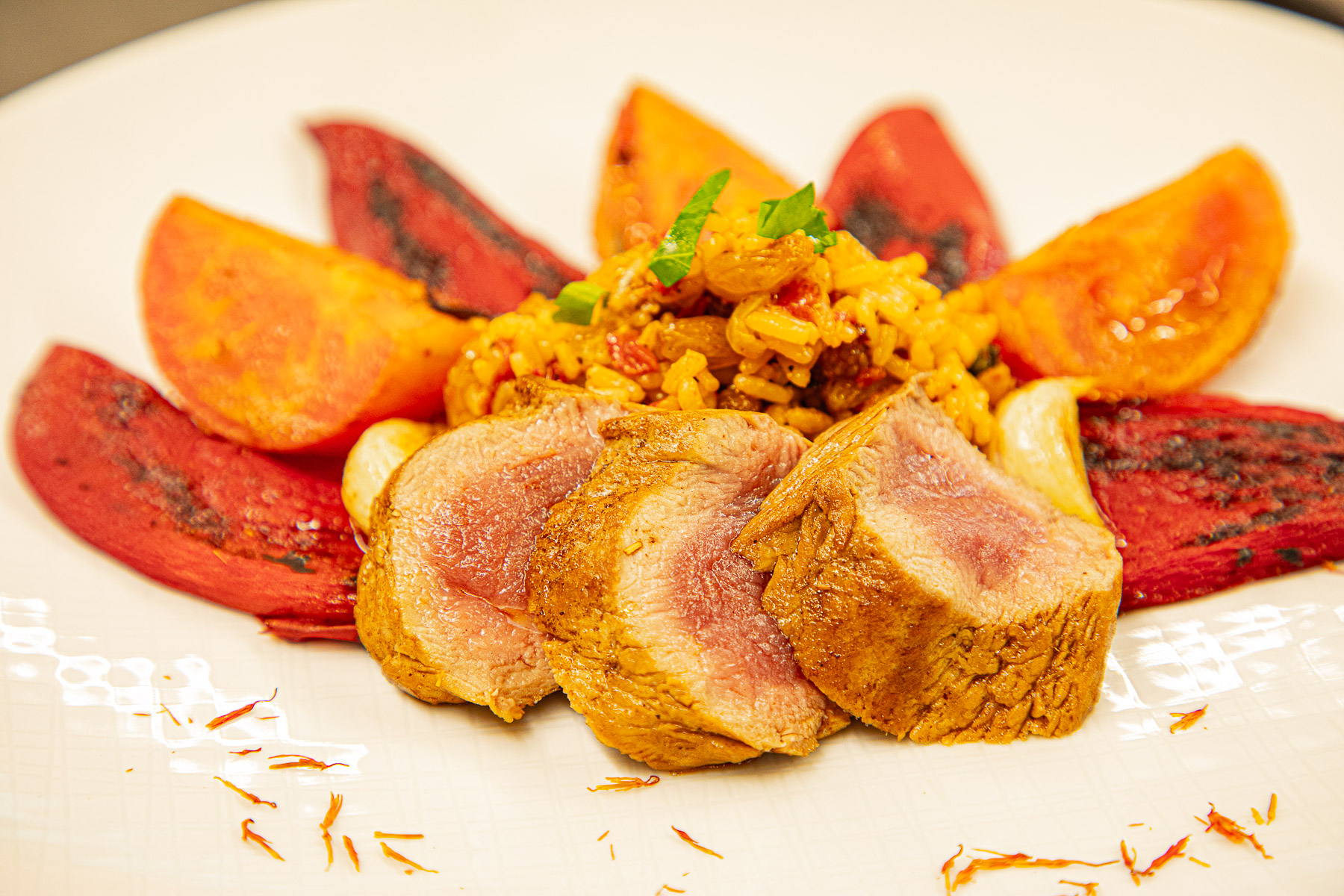
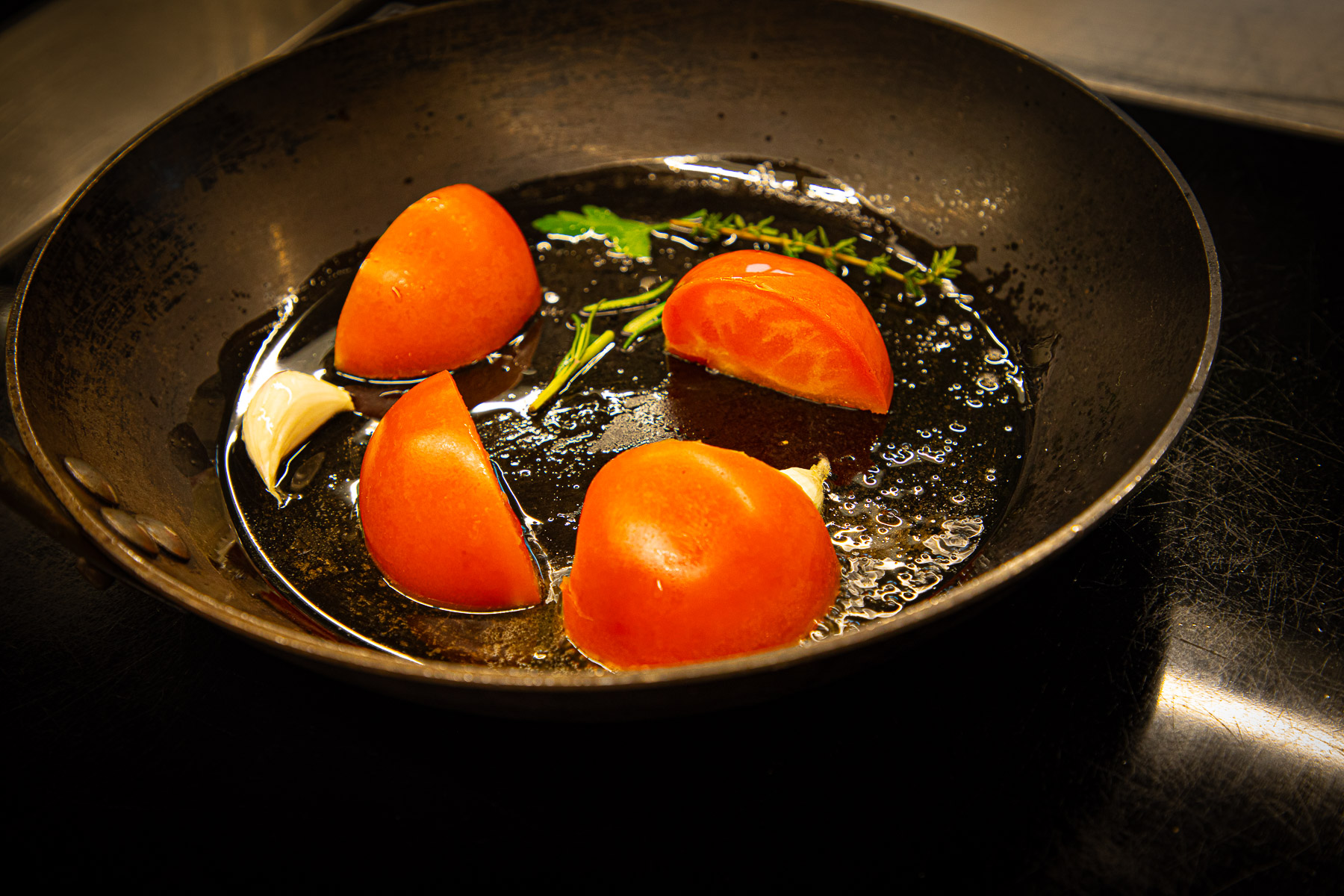
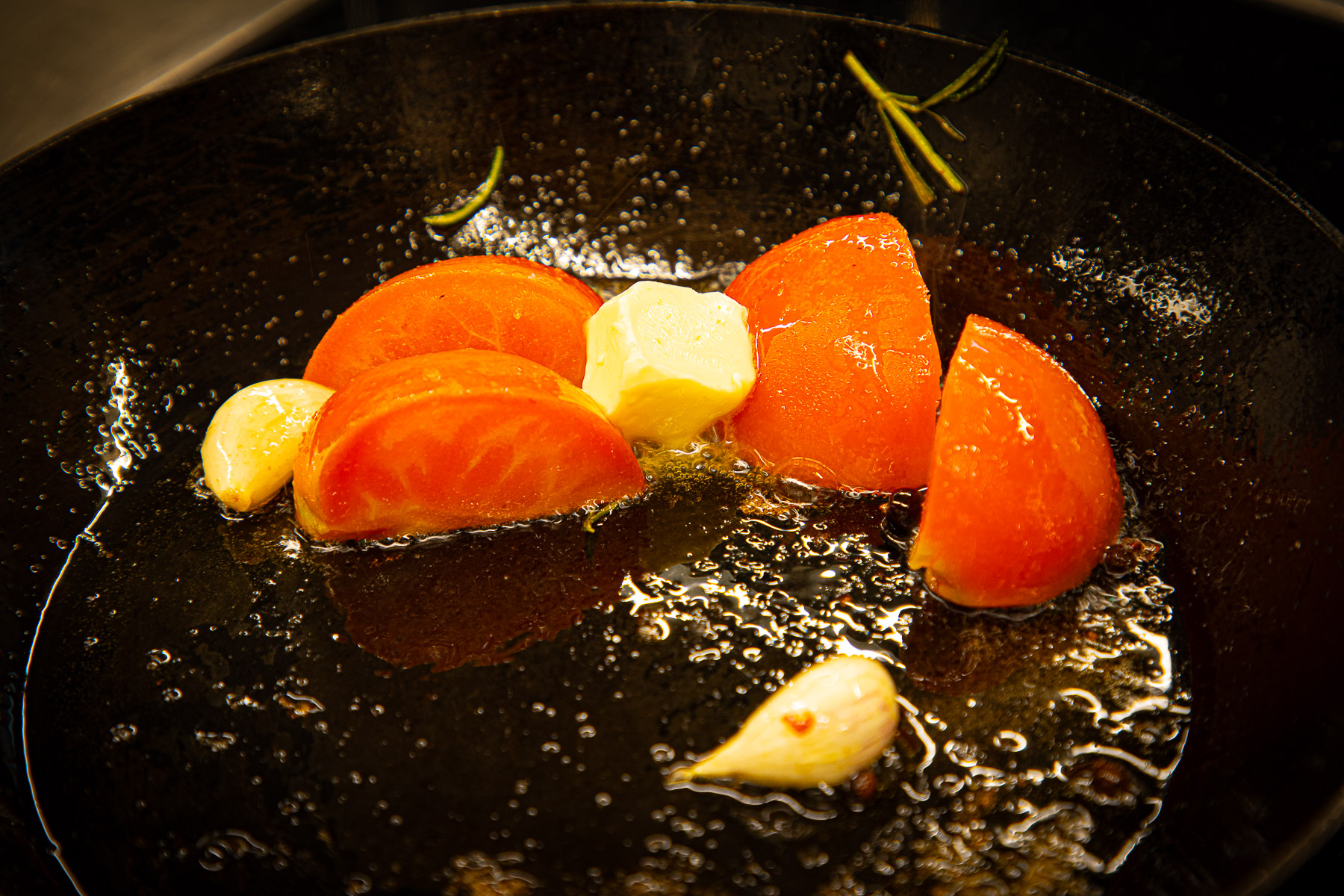
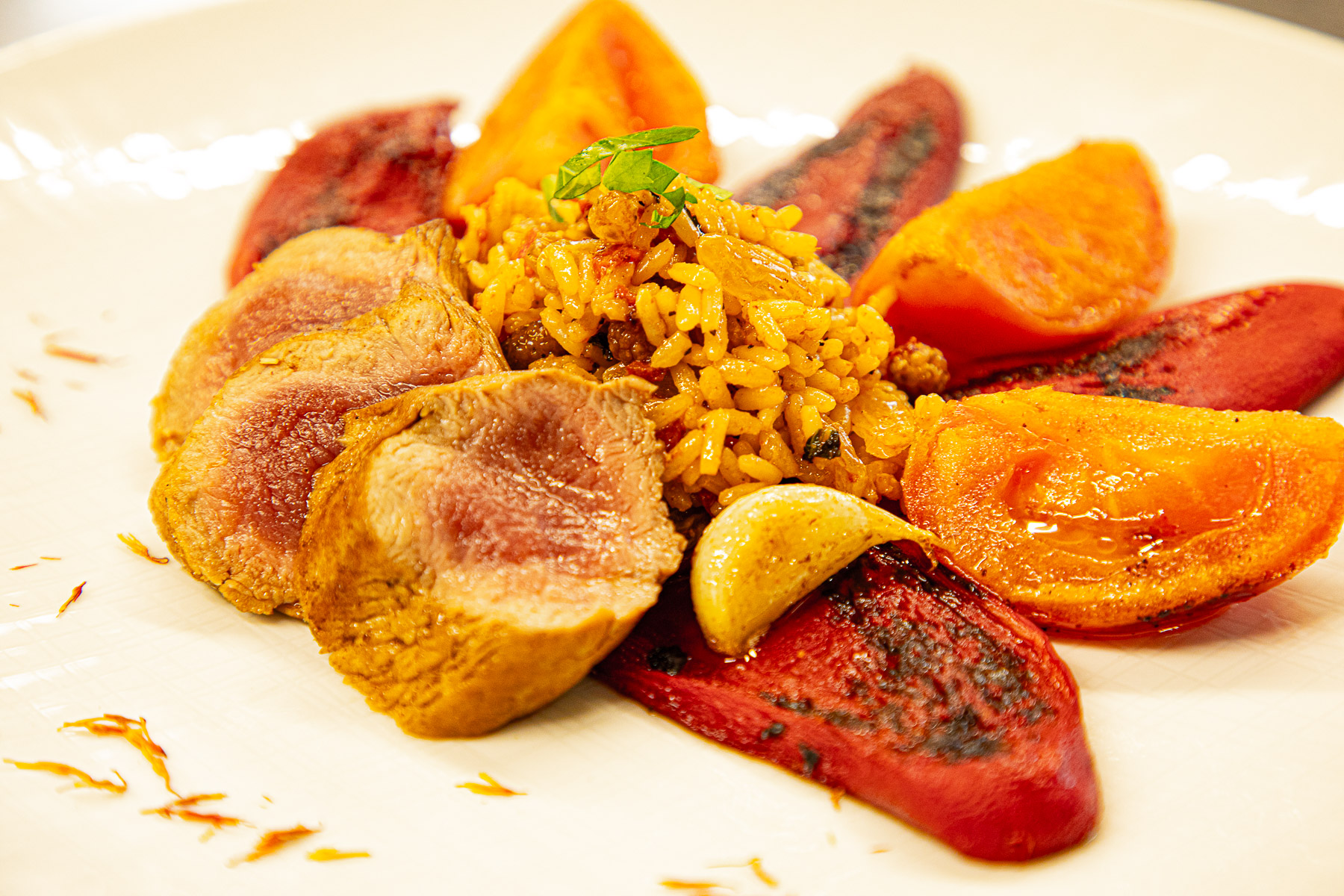
Prepare the grilled vegetables: Brush the peppers with a little olive oil, salt, and pepper. Lightly rub the quartered tomatoes with olive oil. Preheat a griddle or grill to medium heat. Add the garlic clove and a little butter and sauté.
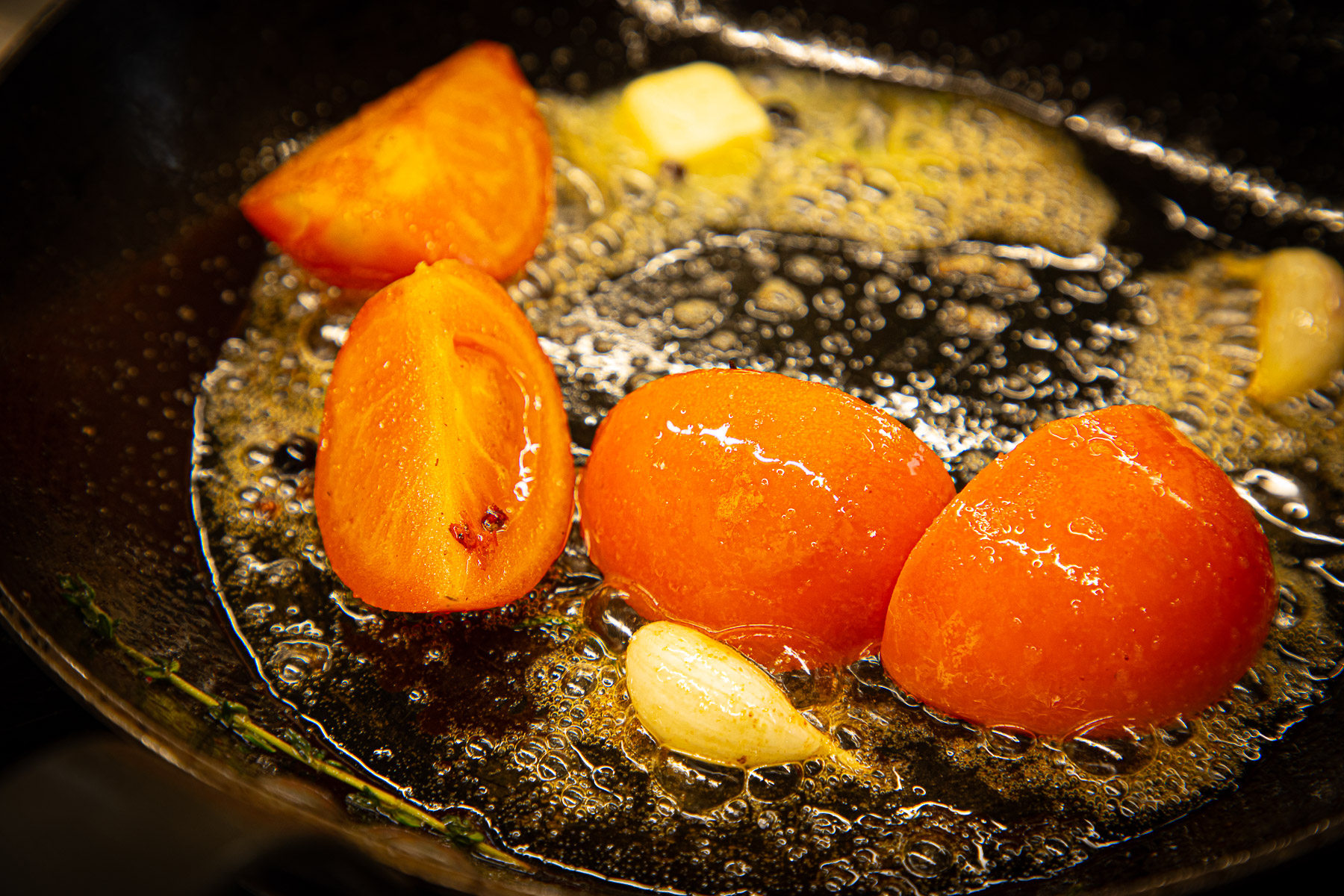
Grill the peppers and tomatoes for about 5-7 minutes per side, until nicely browned and soft. Set aside.
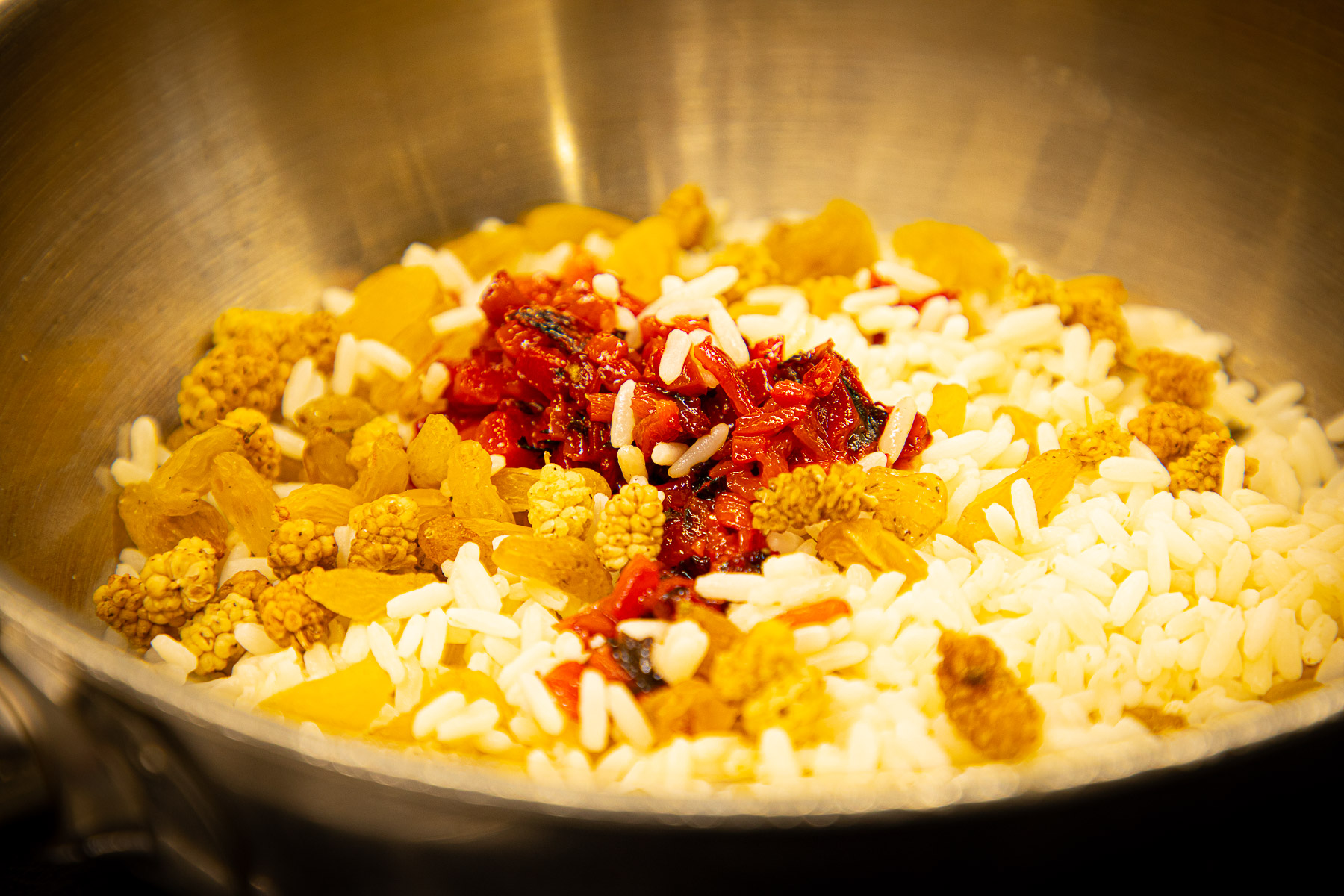
Prepare the rice: Bring the long-grain rice and vegetable or chicken stock to a boil in a saucepan. Add the mulberries and raisins.
If you have already cooked rice, you can of course also make this with cooked rice. Place the rice in a pan with a little stock and add the mulberries, raisins, some of the grilled peppers, and chopped mint. Season with salt and pepper to taste.
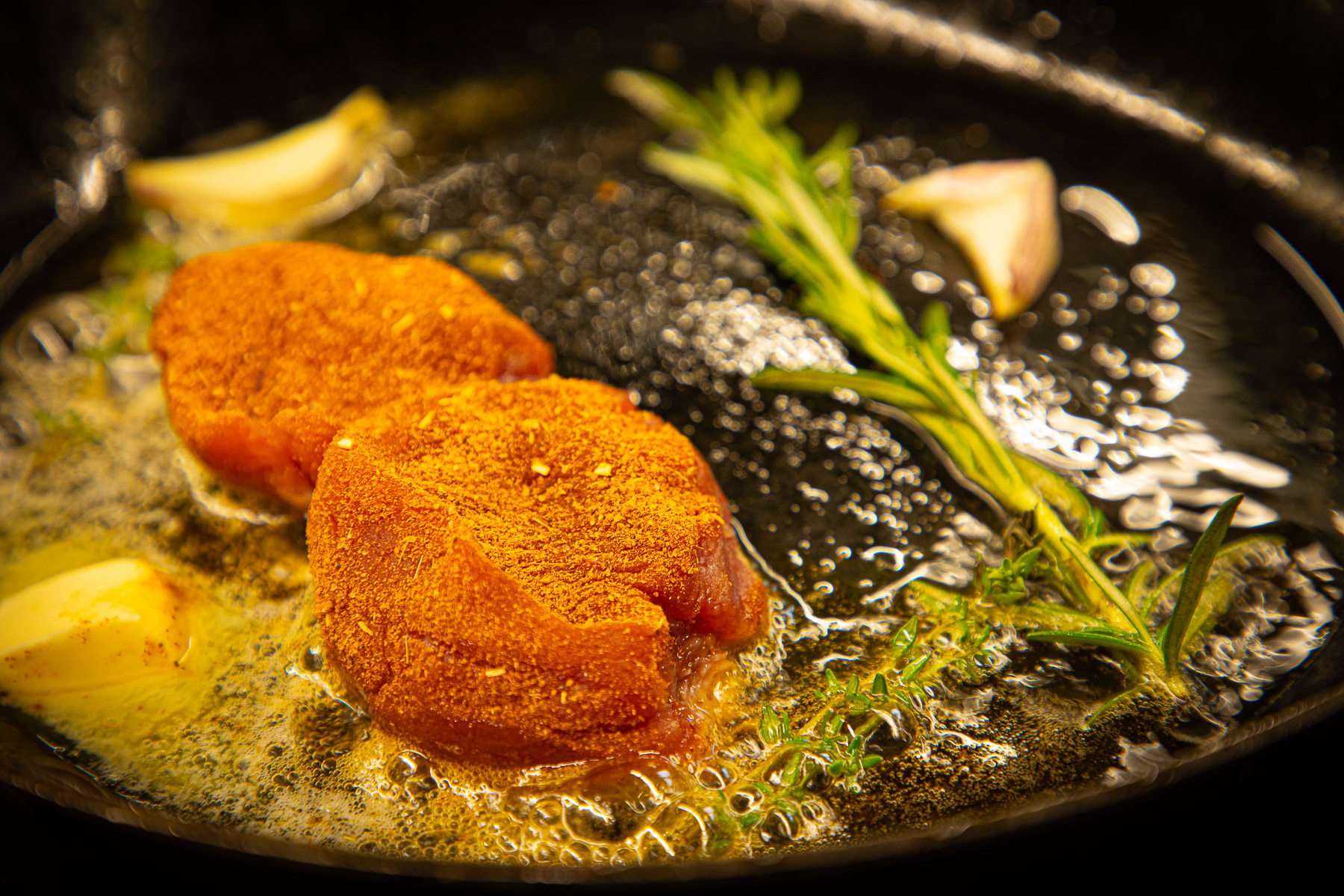
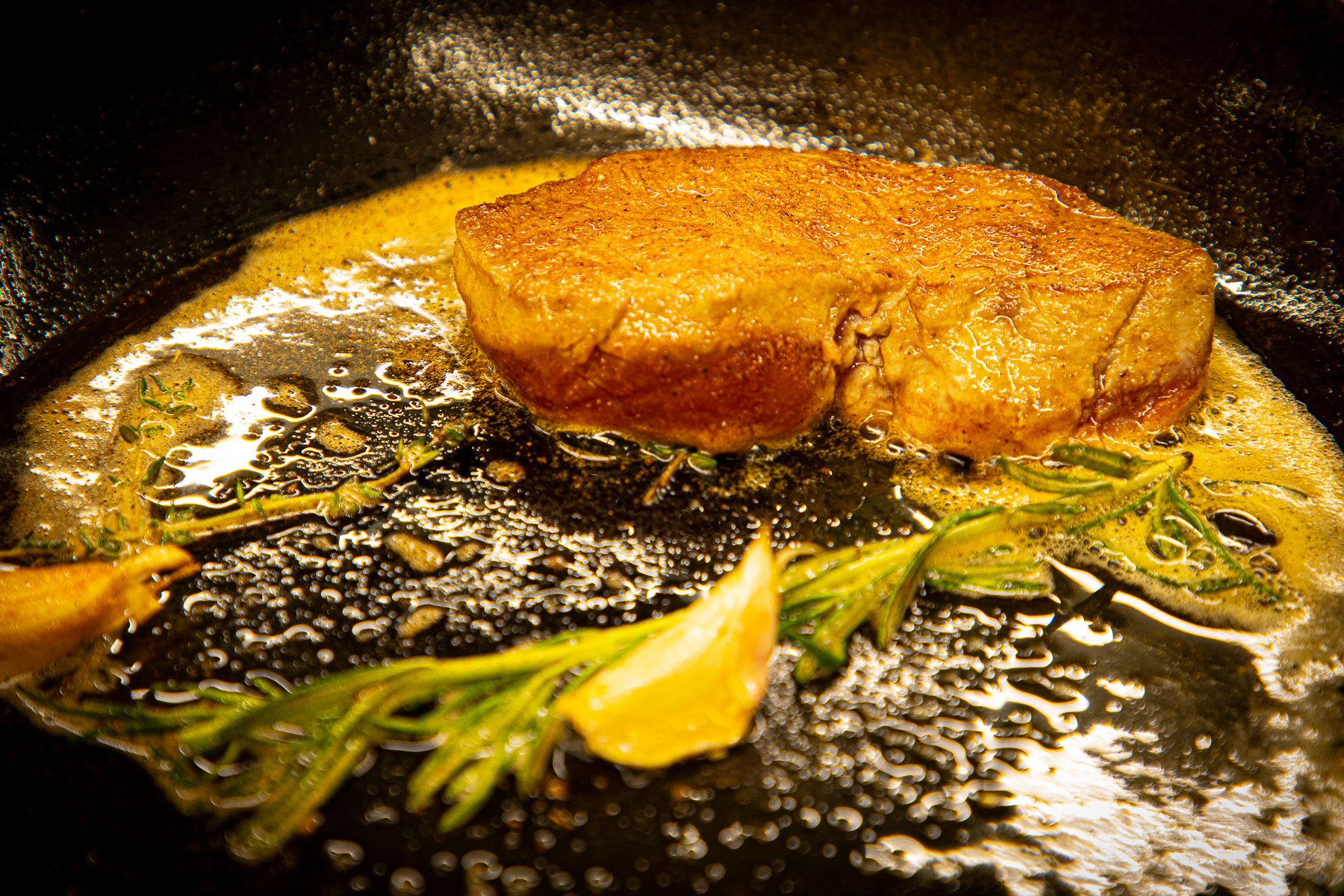
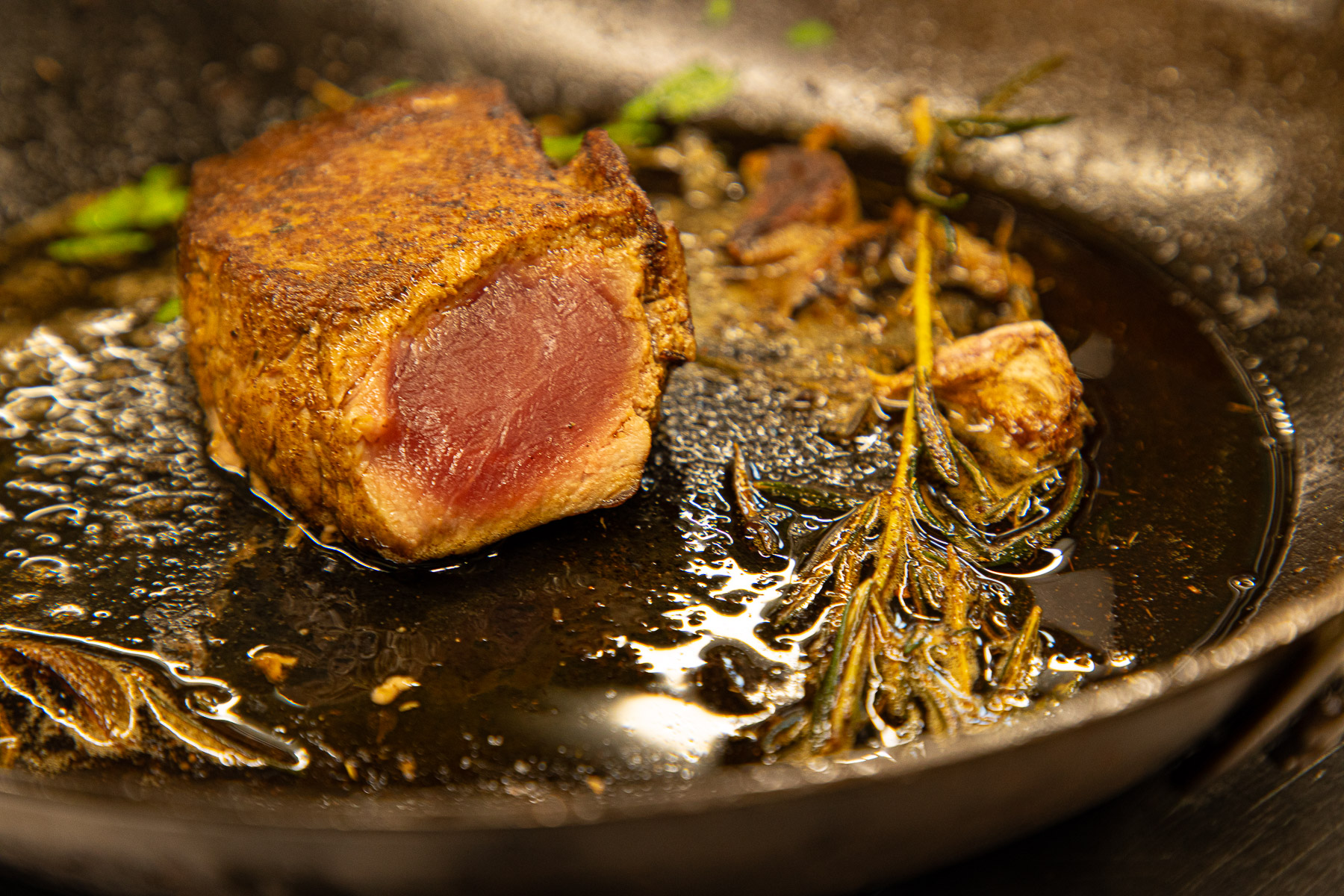
Fry the zebra sirloin: Heat a pan over medium-high heat. Fry the marinated sirloin for about 4-5 minutes per side, or until the desired degree of doneness is reached. After frying, let the sirloin rest briefly.
Nice to know: The zebra meat comes from plains zebras (Equus quagga) living in controlled game reserves in South Africa. These reserves provide the animals with ample natural habitat and species-appropriate conditions – no factory farming. Zebras are considered wild animals, but are deliberately kept in sustainably managed protected areas under wildlife standards and hunted under controlled conditions.
Natural rearing: The animals grow up in their natural habitat without the use of hormones or artificial feed. They feed on what the African savannah provides – primarily grasses and herbs. This makes the meat particularly pure, low in fat, and unique in its flavor.
Sustainability and ethics: Hunting and processing are strictly controlled by government-licensed programs in South Africa.