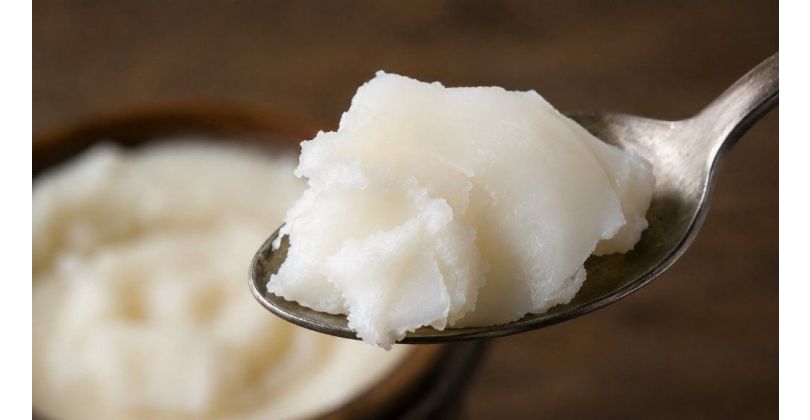
There are different types of fat in meat, which differ in their chemical structure, function, and effect on the taste and texture of the meat. Fat can be divided into three main types: saturated fat, unsaturated fat, and trans fat. Within these categories, there are specific differences that depend on the cut of meat and the animal's diet.
Saturated Fats
Saturated fats make up the majority of the fat in meat. These fats have all the bonds between the carbon atoms saturated by single bonds, meaning they are solid at room temperature.
Properties:
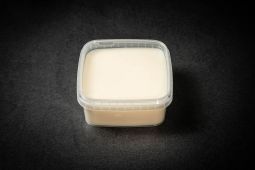
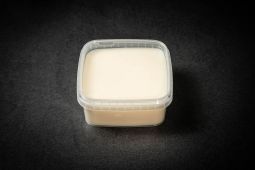
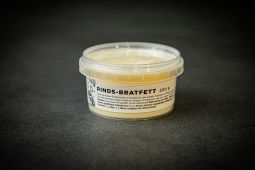
They are solid at room temperature, which gives them a white to off-white appearance.
They are more stable and resistant to heat and oxidation.
Compared to unsaturated fats, saturated fats are less liquid and have a firmer consistency, which helps them maintain the structure and texture of the meat during cooking.
Occurrence in meat:
Adipose tissue: The visible fat that you often see around the edges of meat cuts is primarily saturated.
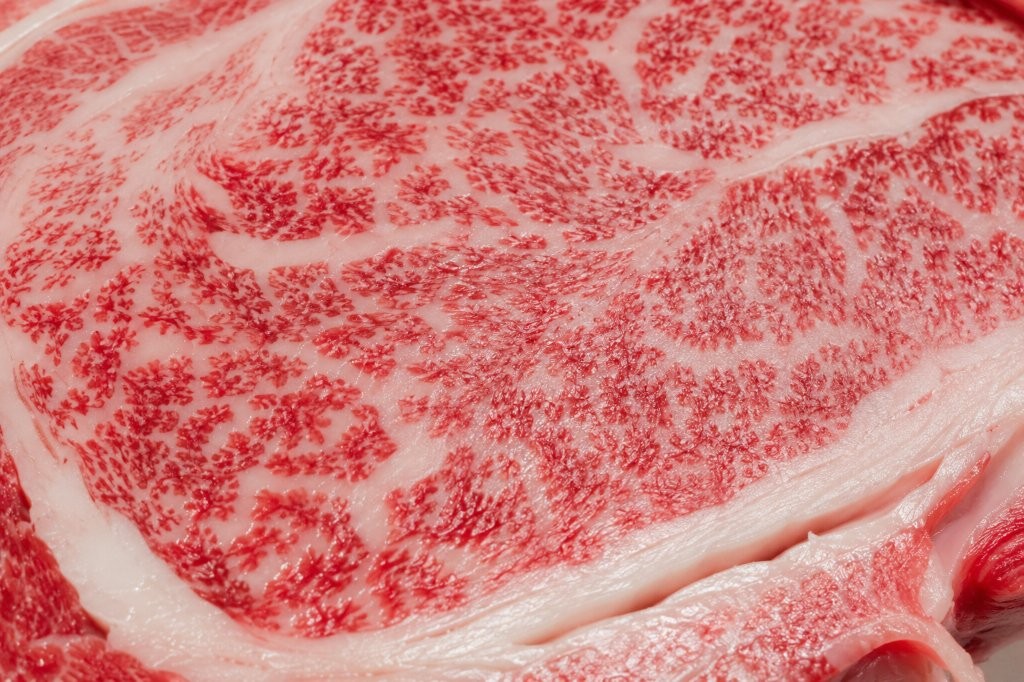
Marbling (intramuscular fat): The fat distributed within the muscle tissue is also largely saturated fat. Marbling in high-quality meat like Wagyu is a particular example of this fat, which is crucial for the flavor and tenderness of the meat.
Unsaturated fats
Unsaturated fats are present in significantly smaller amounts in meat, but they serve a very important function. These fats are liquid at room temperature and have one or more double bonds in their chemical structure.
Monounsaturated fats (monounsaturated fats):
These fats are the same type of fat found in olive oil. They can have a positive effect on heart health.
Occurrence in meat: Monounsaturated fats are found primarily in the marbling of meat and contribute to tenderness and flavor.
Polyunsaturated fats (polyunsaturated fats):
These fats are even less abundant in meat, but they play an important role in the overall fat composition.
They are often found in healthy vegetable oils and can contain omega-3 and omega-6 fatty acids, which are essential for the body.
Grass-fed cattle tend to have more omega-3 fatty acids in their meat, resulting in a healthier fatty acid composition.
Trans fats
Trans fats occur naturally in very small amounts in meat, primarily in the fats of grass-fed animals. However, these trans fats are not the same as the artificially produced trans fats found in many processed foods.
Properties:
These fatty acids are produced by natural fermentation in the rumen of grass-fed animals.
They are usually present in very small amounts and are considered less harmful than industrially produced trans fats.
Occurrence in meat:
The natural amount of trans fats in meat is generally not problematic and only makes up a small portion of the total fat content.
Omega-3 fatty acids
When cattle eat grass, their fats contain more omega-3 fatty acids, which are considered healthy in the human diet because of their anti-inflammatory properties and support heart health.
Occurrence in meat:
Grass-fed or organic meat in particular contains higher levels of omega-3 fatty acids than grain-fed meat. These fatty acids are usually present as part of the unsaturated fats in meat and have a positive effect on the nutritional value of the meat.
Marbling
Marbling and Flavor
Marbling, the fine network of fat embedded in the meat, greatly influences the flavor, tenderness, and texture of the meat. This fat melts during cooking and contributes to the juiciness and flavor of the meat.
Function of Marbling:
The fat in the marbling melts during cooking, making the meat more tender and juicy.
The more marbling a cut has, the richer and more intense the flavor, as the fat carries the flavors better.
Meat Types and Fat Content
There are also differences in fat content and fat distribution depending on the type of meat and its preparation:
Lean Meat: Here, the fat content is lower, and the fat is mainly visible as a thin layer around the edges of the meat. Examples include fillet or rump steak.
Fattier meat: Cuts of meat such as ribeye or T-bone have more intramuscular fat (marbling) and are generally juicier and more flavorful.
The fat in meat plays an important role in the taste, texture, and tenderness of the meat. It consists primarily of saturated fat, but also contains unsaturated fat and, in very small amounts, trans fat. The fat content and type of fat vary depending on the breed of cattle and the animal's diet. Grass-fed meat often has a higher proportion of healthy omega-3 fatty acids, which improves its nutritional value.
grass fed vs grain fed
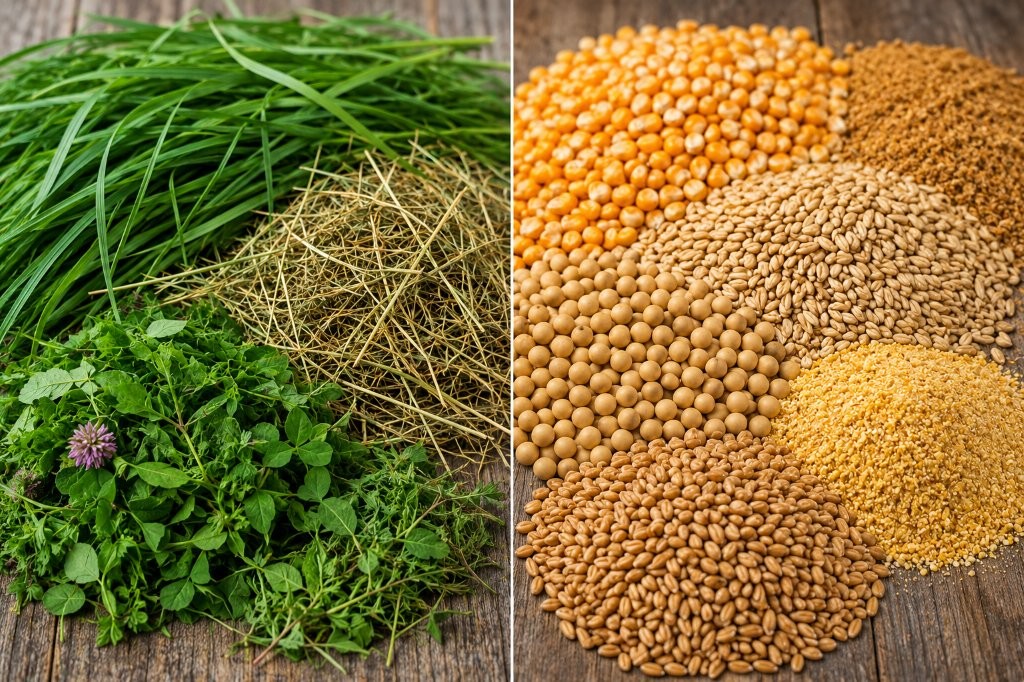
The difference between grass-fed and grain-fed cattle primarily affects the animal's nutrition, but also the taste, texture, and nutritional composition of the beef. Here is a detailed explanation of the two feeding methods and their effects:
Grass-fed (Grass-based Diet)
Grass-fed cattle eat primarily fresh grass, hay, and other plant materials found in natural pastures. This type of feeding is traditional and more in line with the animals' natural dietary habits.
Benefits of Grass-Fed:
Nutritional Profile of the Meat:
Higher Omega-3 Fatty Acids: Grass-fed cattle have more omega-3 fatty acids in their meat because grass is a natural source of these fatty acids. Omega-3 fatty acids are heart-healthy and have anti-inflammatory properties.
Better Fatty Acid Composition: Grass-fed meat contains fewer omega-6 fatty acids, resulting in a more favorable omega-3 to omega-6 ratio. This is beneficial to health, as many Western diets contain too much omega-6.
Vitamin E and beta-carotene: Grass also contains more vitamin E and beta-carotene (a precursor to vitamin A), which make the meat healthier. These nutrients have antioxidant properties and promote overall health.
Taste and Texture:
Taste: Grass-fed beef often has a more intense, grassy, or earthy flavor compared to grain-fed meat. The taste can be described as somewhat "gamey" or "more intense."
Texture: The meat from grass-fed cattle is generally firmer and has less intramuscular fat (marbling), making it slightly less tender. However, certain breeds and cuts can still be very tender.
Health Aspects:
Grass-fed is often associated with organic or sustainable meat. The animals have more space and a more natural lifestyle.
The meat contains less saturated fat because grass is a less fatty source of energy.
Disadvantages of grass-fed cattle:
Slower growth rate: Grass-fed cattle grow more slowly because grass provides fewer calories per kilogram than grain. This leads to a longer breeding period and more expensive meat.
Less marbling: Grass-fed meat tends to have less marbling (the fatty structures in the meat), which can result in a less juicy result.
Grain-fed (Grain-fed)
Grain-fed cattle are fed predominantly corn, soy, barley, and other grains. This type of diet is typical of industrial factory farming.
Advantages of grain-fed cattle:
Faster growth: Grain is a more energy-dense feed than grass, which is why cattle grow faster and are ready for slaughter sooner. This means a shorter breeding period and therefore lower production costs.
Higher fat content and marbling: Grain-fed cattle tend to develop more intramuscular fat (marbling). This results in juicier, more tender, and more flavorful meat.
Economics: Grain is more cost-effective and allows for greater meat production at lower prices. This has dominated industrial cattle farming worldwide.
Taste and Texture:
Taste: Grain-fed beef has a milder flavor compared to grass-fed meat. The flavor is described as less intense and less "earthy."
Texture: The meat has a more tender and juicy texture due to the higher marbling. This is especially evident in high-quality cuts such as ribeye or tenderloin.
Health Aspects:
Fatty Acid Profile: The fat from grain-fed animals contains higher levels of omega-6 fatty acids, which can be pro-inflammatory in larger amounts if not properly balanced with omega-3 fatty acids. Too many omega-6 fatty acids can lead to health problems such as inflammation and an increased risk of heart disease.
Fewer nutrients: Compared to grass-fed meat, grain-fed beef contains fewer omega-3 fatty acids and vitamin E. It also contains less beta-carotene and other natural nutrients.
Disadvantages of grain-fed beef:
Health concerns: Grain-fed beef can lead to health problems such as higher exposure to antibiotics and hormones used in industrial agriculture.
Environmental impact: Growing grains for animal feed has a greater environmental impact because it requires more resources such as water, soil, and energy, and is often contaminated with pesticides and fertilizers.
Color
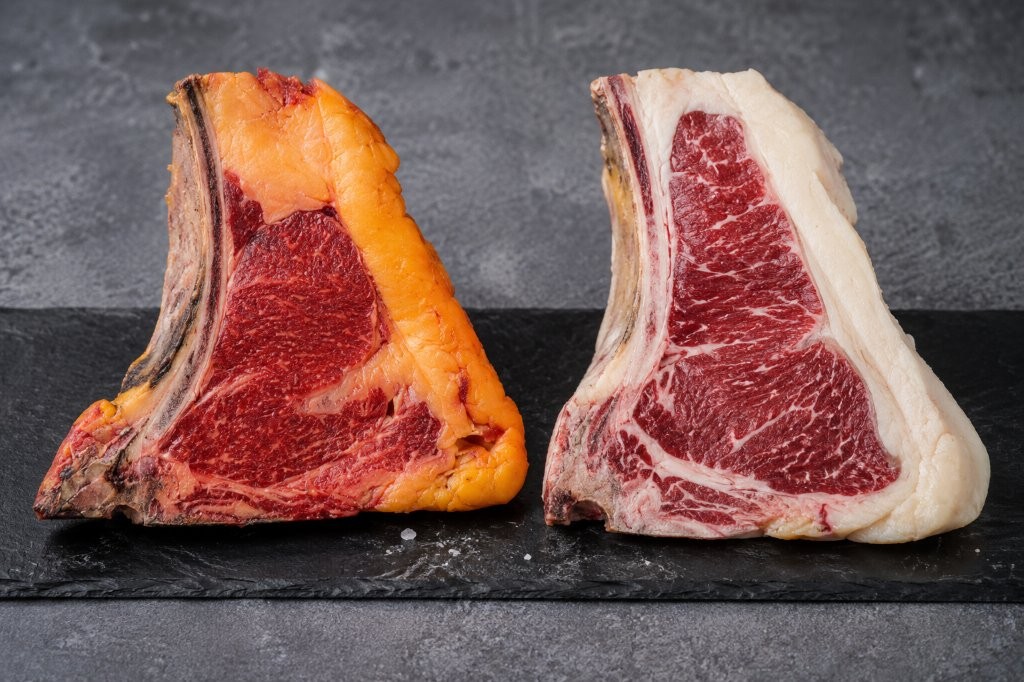
Why are there fats that are white or orange in color?
The fat in meat appears white because it is composed of different types of fat, primarily saturated fat. These fats are solid at room temperature and have a white to creamy color.
The color of the fat also depends on the animal's diet and the type of fat it stores.
Some factors that influence the appearance of the fat include:
Diet of the cattle: Cattle that primarily eat grass tend to have slightly yellower fat due to carotenoids found in grass. Cattle fed grain or other forage tend to have whiter fat.
Type and age of animal: The fat of older animals or certain breeds of cattle may also have a slightly different texture or color. For example, certain breeds, such as Wagyu beef, have particularly marbled fat that appears almost translucent when melted.
Fat texture: The fat in meat is a mixture of saturated and monounsaturated fats, with saturated fat having a whiter color. Monounsaturated fats, such as those found in olive oil or avocados, may appear yellowish or translucent, but in meat they make up a smaller portion of the total fat.