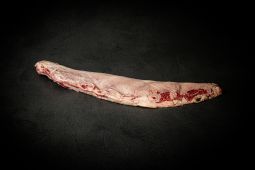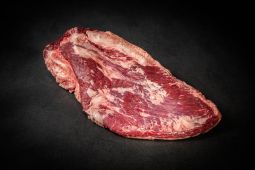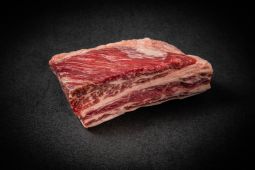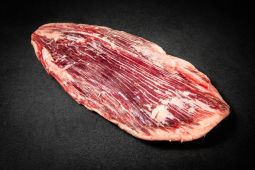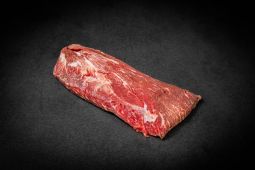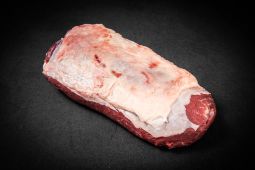
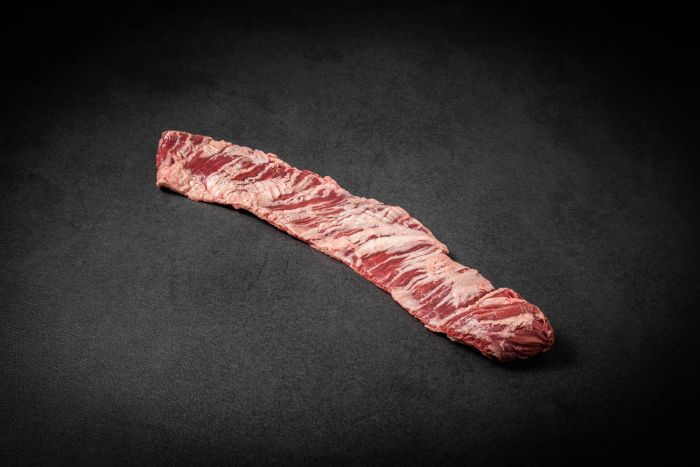



Nice to know: Origin: Beef Outside Skirt is one of the most flavourful and traditional beef cuts. It comes from the outer part of the diaphragm and is located in the belly and flank area of the animal. Because this muscle is constantly in motion, the meat develops a distinctive fibre structure and an intense, rich beef flavour.
The underestimated butcher's cut: For a long time, Outside Skirt played only a minor role in traditional European butchery. It was often used for minced meat or slow-cooked dishes. However, butchers and meat experts already knew about its exceptional flavour, which is why it was often considered a true butcher's cut and frequently kept for personal use.
International breakthrough: Outside Skirt became widely known through American BBQ culture and Tex-Mex cuisine. It gained particular fame through dishes such as fajitas, where the meat is traditionally marinated, grilled over high heat and sliced into thin strips.
This cooking method showed that even heavily used muscles can become exceptionally tender and juicy when prepared correctly.
Today: A true hidden champion
• bold and intense flavour
• distinctive fibre structure
• excellent for marinades
• perfect for quick grilling and searing
• ideal for fajitas, steak sandwiches and wok dishes
Internal temperatures & Meat Sommelier tip
Outside Skirt should always be cooked quickly over high heat:
• Rare: 48-50 °C (118-122 °F)
• Medium Rare (recommended): 52-54 °C (126-129 °F)
• Medium: 55-57 °C (131-135 °F)
• Well Done: above 60 °C (140 °F+) (not recommended)