Facebook Pixel

Articles by meat4you

Articles by meat4you

Insight into the world of fats – saturated fats, unsaturated fats and trans fats
Loading...
205 view(s) 8 min read

Insight into the world of fats – saturated fats, unsaturated fats and trans fats

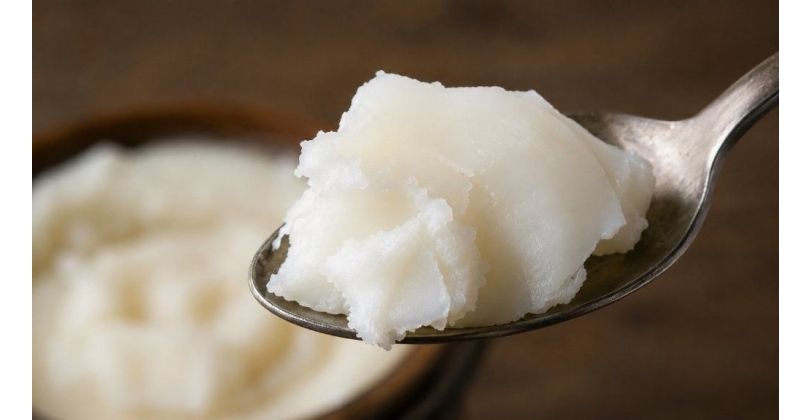
The fat in meat plays an important role in the flavor, texture, and tenderness of the meat. It consists primarily of saturated fats, but also contains unsaturated fats and, in very small amounts, trans fats. The fat content and type of fat vary depending on the breed of cattle and the animal's diet. Grass-fed meat often has a higher proportion of healthy omega-3 fatty acids, which improves its nutritional value.

Swiss Black Angus Beef Burger with Fried Apple, Sauerkraut, Spinach, Feta Cheese & spicy 4 HOT MEAT Sauce
Loading...
84 view(s) 5 min read

Swiss Black Angus Beef Burger with Fried Apple, Sauerkraut, Spinach, Feta Cheese & spicy 4 HOT MEAT Sauce

Nice to know: The burger as we know it today has a fascinating history. Its roots go back to the German city of Hamburg. During the 19th century, German immigrants brought the so-called Hamburg Steak to the United States. It consisted of seasoned minced beef that was often served as a flat meat patty.

In the United States, this evolved step by step into the modern hamburger. To make it easier and more practical to eat, especially for workers, travelers and the growing street food culture, the meat was eventually placed between two pieces of bread.

By the early 20th century, burgers had become increasingly popular and turned into a key part of American food culture.

Today, burgers are far more than just fast food. From classic beef burgers to premium Black Angus creations with unique ingredients such as fried apples, regional cheeses and special sauces, burgers have become a true gourmet experience enjoyed around the world.

Inside Skirt from Beef (Kronfleisch): Origin, History and Perfect Preparation
Loading...
119 view(s) 5 min read

Inside Skirt from Beef (Kronfleisch): Origin, History and Perfect Preparation

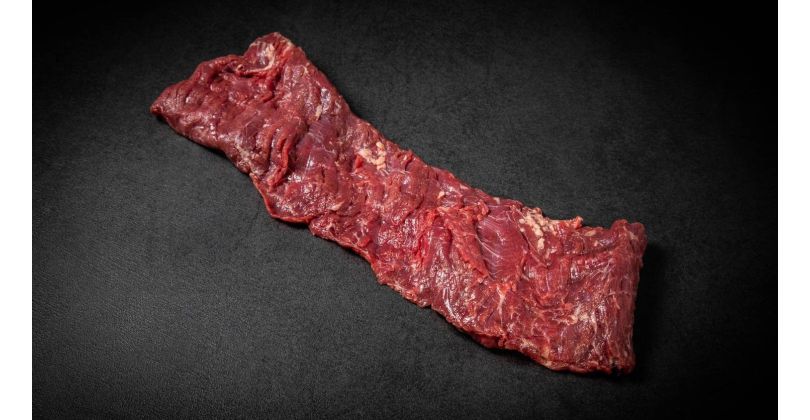
The Inside Skirt, often referred to as Kronfleisch from beef in German-speaking countries, is one of the most aromatic and at the same time most underrated cuts in beef cuisine. For a long time, this cut was mainly known among connoisseurs, butchers, and lovers of traditional cuisine. In recent years, however, Kronfleisch has experienced a renaissance and is increasingly appreciated in modern grilling and steak culture.

Its intense flavour, loose texture, and versatile preparation possibilities make the Inside Skirt a true insider tip for meat lovers. At the same time, this cut looks back on an exciting historical development, ranging from traditional farm slaughtering practices through Parisian bistro cuisine to the international BBQ scene.

In this detailed blog article, you will learn everything about the origin, history, characteristics, preparation, and culinary use of Inside Skirt, also known as Kronfleisch from beef.

Pan-Fried Swiss Inside Skirt Steak with Asian Flavours, Noodles and Baking Soda as a Tenderizer
Loading...
156 view(s) 6 min read

Pan-Fried Swiss Inside Skirt Steak with Asian Flavours, Noodles and Baking Soda as a Tenderizer

Nice to know: Beef Inside Skirt, also known as the inner skirt steak, is one of the oldest and most traditional beef cuts. It comes from the diaphragm area of the animal and was once considered a true butcher's cut. The reason? Many butchers kept these highly flavourful pieces for themselves instead of selling them.

For many years, Inside Skirt remained a relatively unknown cut and was often used for minced meat or slow-cooked dishes. However, in the United States and Mexican cuisine, its full potential was discovered early on. It became especially famous in fajitas because, despite its coarse texture, it delivers an incredibly rich beef flavour.

With the rise of BBQ and grilling culture, Inside Skirt gained popularity worldwide. Today it is considered a true hidden champion among meat lovers: less famous than Ribeye or Entrecôte, but highly valued for its bold flavour, loose fibre structure and intense beef aroma.

The most important tip: cook it quickly over high heat and always slice it against the grain after cooking. This keeps the Inside Skirt exceptionally tender and juicy.

Braised veal head with herb vinaigrette, diced potatoes, carrots and celery fried in butter
Loading...
809 view(s) 5 min read

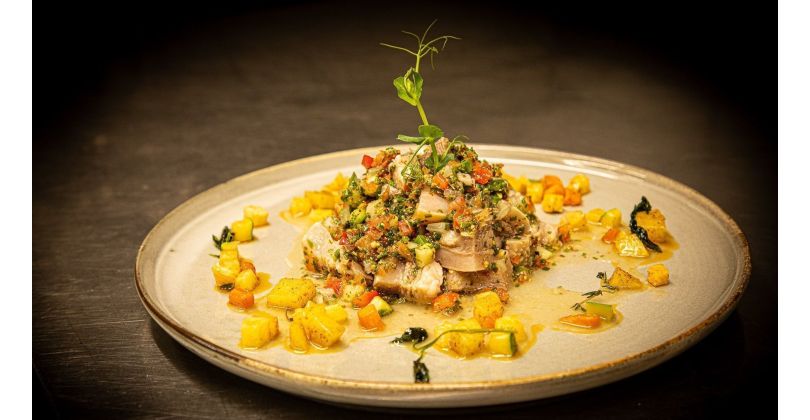
Braised veal head with herb vinaigrette, diced potatoes, carrots and celery fried in butter

Nice to know:

In the Middle Ages, veal head was considered a delicacy in various regions, especially during times when meat availability fluctuated seasonally.

The veal head is often braised, boiled or prepared in a aspic, with the flavour being enhanced by the addition of herbs, spices and vegetables.

In modern cuisine, the dish has lost some of its popularity, but remains an important part of regional traditions. In rural areas, veal head is still valued and often served at festivities or traditional menu offerings. It is also particularly popular when prepared as "head jelly" or "jelly", in which the meat and innards are enclosed in gelatin to create a cold dish.

The preparation of veal head usually requires a certain degree of culinary skill and experience, as it is important to prepare the tender yet flavorful parts of the head in the best possible way. The dish is often served with mustard and fresh bread and is considered a hearty and nutritious dish from the "home cooking" tradition.

Grilled Veal Steak with Roasted Watermelon, Sautéed Brussels Endives, and Broccoli
Loading...
585 view(s) 4 min read

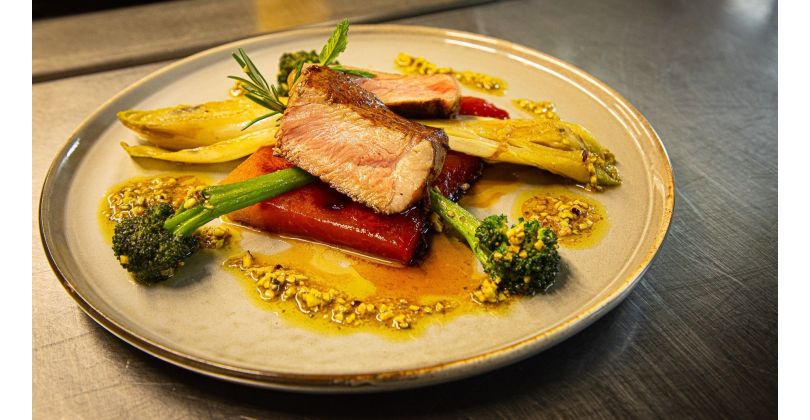
Grilled Veal Steak with Roasted Watermelon, Sautéed Brussels Endives, and Broccoli

Veal steak is a high-quality and tender cut of meat that comes from the veal. It is a favorite in fine dining and is characterized by its delicate flavor and tender texture. Veal has a pale color, which depends on the calf's diet and husbandry. When preparing it, it is important not to overcook the meat to preserve its tender texture and delicate flavor.

Veal steak is often served with classic side dishes such as potatoes, vegetables, or a sauce. Popular sauces that go well with veal include white wine sauce, cream of mushroom sauce, or a simple lemon butter sauce.

Roasted pigeon breast with wings on corn polenta, caramelized apple, and Marsala jus
Loading...
106 view(s) 5 min read

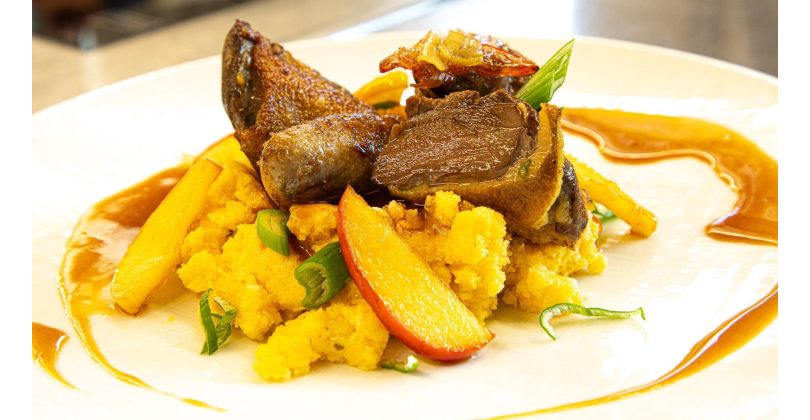
Roasted pigeon breast with wings on corn polenta, caramelized apple, and Marsala jus

Nice to know:  Les pigeonneaux Fermier du poitou – From egg to chef's kitchen.

Comprehensive quality: Genetically selected breeding stock.

Animal welfare: The well-being of the poultry is paramount: high-quality feed in sufficient quantity,
clean premises, constant ventilation, plenty of fresh water. Rearing in perfect harmony with the natural rhythms of the young pigeons.

Natural growth: For the first few days, the young are fed exclusively with the crop milk of their parents. This very rich milk allows the chick to double its weight within 48 hours. Human intervention is impossible; industrial pigeon farming is not an option.

Feeding with flaxseed, which is very rich in Omega-3 fatty acids: In accordance with the guidelines of BLEU BLANC COEUR (a French association whose goal is to promote healthier breeding methods), the young pigeons are fed grains (flaxseed, lupins, broad beans, etc.) and plants (grass, alfalfa, etc.) that are excellent for their health and the environment.

Flaxseed is the oilseed with the highest content of Omega-3 fatty acids: Thanks to this diet, the meat of our young pigeons is flavorful, tender, juicy, and of high nutritional quality.

From the pharaohs of ancient Egypt to our kings… who alone had the privilege of enjoying pigeons, to the French revolutionaries who feasted on them, the tradition is carried on today by the most renowned Michelin-starred chefs, who prepare them according to the most innovative recipes.

Oven-grilled Lamb Hammer on Mashed Potatoes with Green Asparagus, Jus, and Arugula-Mint Pesto
Loading...
159 view(s) 6 min read

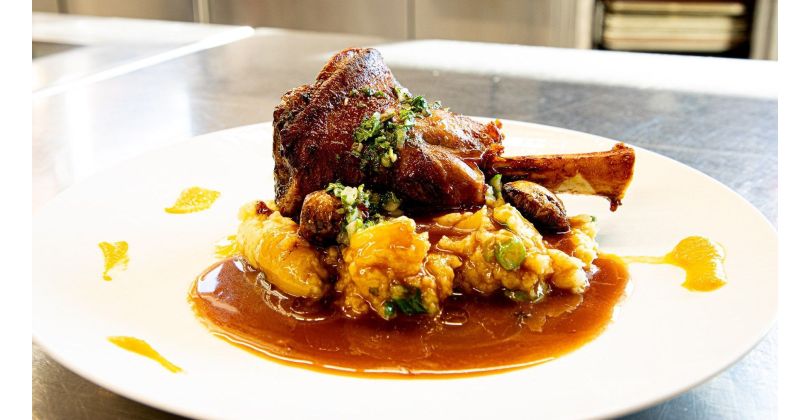
Oven-grilled Lamb Hammer on Mashed Potatoes with Green Asparagus, Jus, and Arugula-Mint Pesto

Nice to know: Lamb is one of the oldest types of meat known to humankind. Sheep were domesticated in the Near East over 10,000 years ago. Because they provided milk, wool, and meat, they were perfect farm animals.

Culinary role in the past, Ancient times (Greeks, Romans): Lamb was both a sacrificial offering and a festive meal. At religious festivals, an animal was sacrificed and then eaten together. This was not just food, but a social event. It was seasoned with herbs, garlic, vinegar, and honey.

Middle ages in Europe: Lamb was particularly important in spring because young animals were available then. After Lent, lamb was often the first "real" meat to reappear on the table.

The shank (from the leg, i.e., the lower leg) was not considered a delicacy for a long time. It contains a lot of connective tissue, tendons, and bones. In the past, this meant work in the kitchen.

Historical background: Peasant and working-class cuisine: The whole animal was used. Prime cuts went to the wealthy, while pork knuckle remained with the common people.

Long cooking made it tender → the perfect base for stews, broths, and braised dishes.

Technology shapes flavor: It wasn't until the 18th and 19th centuries, with improved ovens and roasting techniques, that the crispy roasted pork knuckle became popular, especially in southern Germany and Austria.

Pub culture: With beer culture and urban taverns, pork knuckle became a hearty classic: high in calories, inexpensive, and filling. What was once a "leftover" became a cult dish.

Roasted leg of chamois on the bone with warm fennel salad and game jus
Loading...
124 view(s) 5 min read

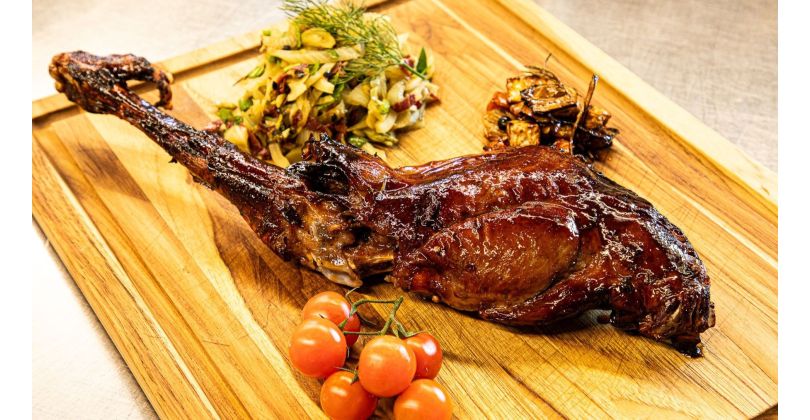
Roasted leg of chamois on the bone with warm fennel salad and game jus

Chamois has a long and rustic culinary tradition in Europe, closely tied to Alpine hunting and mountain culture. As early as the Middle Ages, it was considered a valuable game animal in high-altitude regions where livestock farming was limited. Its meat provided an important source of protein for people living in remote valleys and symbolised the skill and courage of the hunter, as chamois hunting was both demanding and dangerous.

In aristocratic cuisine, chamois played a lesser role compared to venison or wild boar, but it remained deeply rooted in regional and rural cooking. The meat was typically braised or roasted, often paired with robust herbs, root vegetables, and berries to balance its intense, slightly gamey flavour. Long cooking times helped tenderise the lean meat.

With the development of game cuisine in the 19th century, particularly in Alpine and southern German regions, chamois gained greater culinary recognition. Chefs began preparing it in more refined ways, such as chamois ragout, saddle of chamois, or delicately seasoned terrines. To this day, chamois represents authenticity, regional identity, and a respectful relationship with nature.

Why I, as a Food Scout and Meat Sommelier, Remain Indispensable Despite Meatly's AI Assistant
Loading...
89 view(s) 3 min read

Why I, as a Food Scout and Meat Sommelier, Remain Indispensable Despite Meatly's AI Assistant

Why I, as a Food Scout and Meat Sommelier, Am Indispensable Despite Meatly's AI Assistant

The introduction of Meatly as a digital assistant is a huge benefit for meat4you. It's always available, fast, organized, and reliably supports our customers with questions, orders, and navigating our product range.

Nevertheless, I'm convinced: Meatly cannot replace my role as a Food Scout and Meat Sommelier. In fact, AI makes my work even more crucial.

1. Origin, trust, and authentic experience are my responsibility. As a Food Scout, I'm where quality is created. I visit producers, farmers, and partners personally. I see animal husbandry firsthand, talk to people, and sense their values ​​and attitudes. These impressions, this gut feeling, and this experience cannot be derived from data. Meatly can share information. I decide what fits into the product range and what doesn't. My name stands for credibility, transparency, and trust. Without this personal evaluation, there would be no real story behind the product.

2. Taste and sensory perception are my strengths. As a meat sommelier, I work with my senses. I smell, feel, taste, and compare. I recognize degrees of ripeness, textures, fat distribution, and aromas. I know which cut is best for the grill, which for low and slow cooking, and which is meant for special moments of enjoyment. Meatly can access knowledge and make recommendations. I experience taste. This experience develops over years and makes the difference between good meat and true enjoyment.

3. Personal consultation creates a connection. Our customers don't just buy meat; they buy trust. In conversations, I recognize their wishes, uncertainties, and expectations. I explain, inspire, and share my enthusiasm for high-quality products. Meatly provides excellent support in everyday life. But for individual questions, special occasions, or demanding consultations, I am the personal voice that creates a connection and provides reassurance. Emotion, empathy, and authenticity remain human.

4. Quality requires attitude and responsibility. For me, quality is not a buzzword, but a promise. I question processes, set standards, and am prepared to say no if something doesn't meet my requirements. Meatly operates based on defined rules. I define these rules.

5. AI makes my work more effective. Meatly takes over repetitive tasks and standard requests. This gives me more time for what matters most: producer management, quality control, product development, knowledge transfer, and training. I see Meatly not as a replacement, but as an enhancement. It scales my knowledge—but I create it.


Not human or AI, but human with AI.

Copyright © 2026 meat4you. All rights reserved.