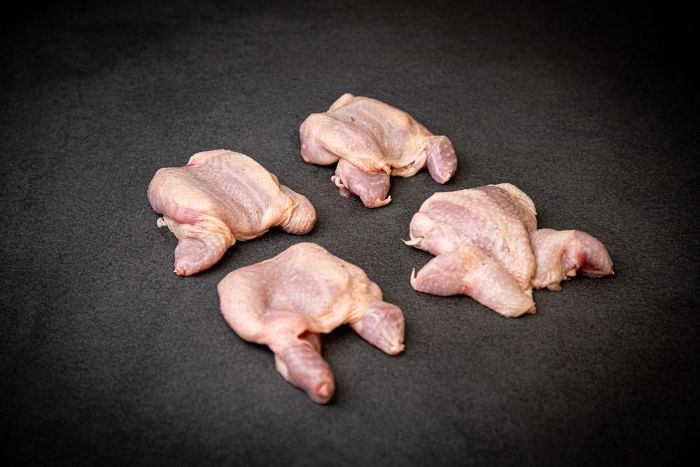



Nice to know: Quail in Culinary Art – A Historical Overview.
Antiquity: Quail were already prized in Egyptian, Greek, and Roman cuisine. In Egypt, depictions of quail catching and preparation are over 4,000 years old.The Japanese quail was domesticated early on – both for its eggs and its tender meat. In Greek and Roman cuisine, quail were considered a delicacy; they were grilled, roasted, or used in pies.
Biblical Significance: Quail play a remarkable role in the Judeo-Christian tradition: The Old Testament states that the Israelites in the desert were fed by "quail flying down." As a result, quail were often regarded as a divine gift in the Middle Ages.
Middle Ages: In Europe, quail were reserved for aristocratic tables. They were considered a fine game bird, served primarily at banquets. Quail hunting was strictly regulated, sometimes even reserved for nobility or monasteries.
Renaissance and Baroque: With the flourishing of courtly cuisine in France, Italy, and Germany, quail experienced a culinary golden age. It was served in elaborately stuffed dishes, pies, ragouts, or in combination with truffles. In France, it became a symbol of haute cuisine, from which many classic recipes originate.
19th & early 20th centuries: With the advent of modern agriculture and the spread of the Japanese quail, breeding became easier. Quail appeared more frequently on middle-class tables but remained a premium product compared to chicken or duck.
Modern cuisine: Today, quail is considered a delicate, refined poultry, used primarily in fine dining. Particularly popular:
Quail breast/quail legs in haute cuisine
Quail eggs as a delicacy, e.g. B. as an amuse-bouche or for decorative dishes
Regional focus in Europe: France, Italy, Spain and Eastern Europe.