Ingredients for 2 people
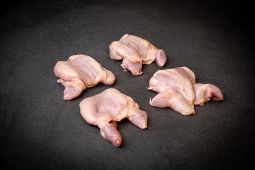
2 whole quails, hollowed out
200 g pork sausage meat (or raw sausage, without casing)
1 small head of endive
200 g fresh spinach
2 oranges
50 g sugar
50 g butter
Salt, pepper
Olive oil and butter
1 clove of garlic
1 onion
Preparation
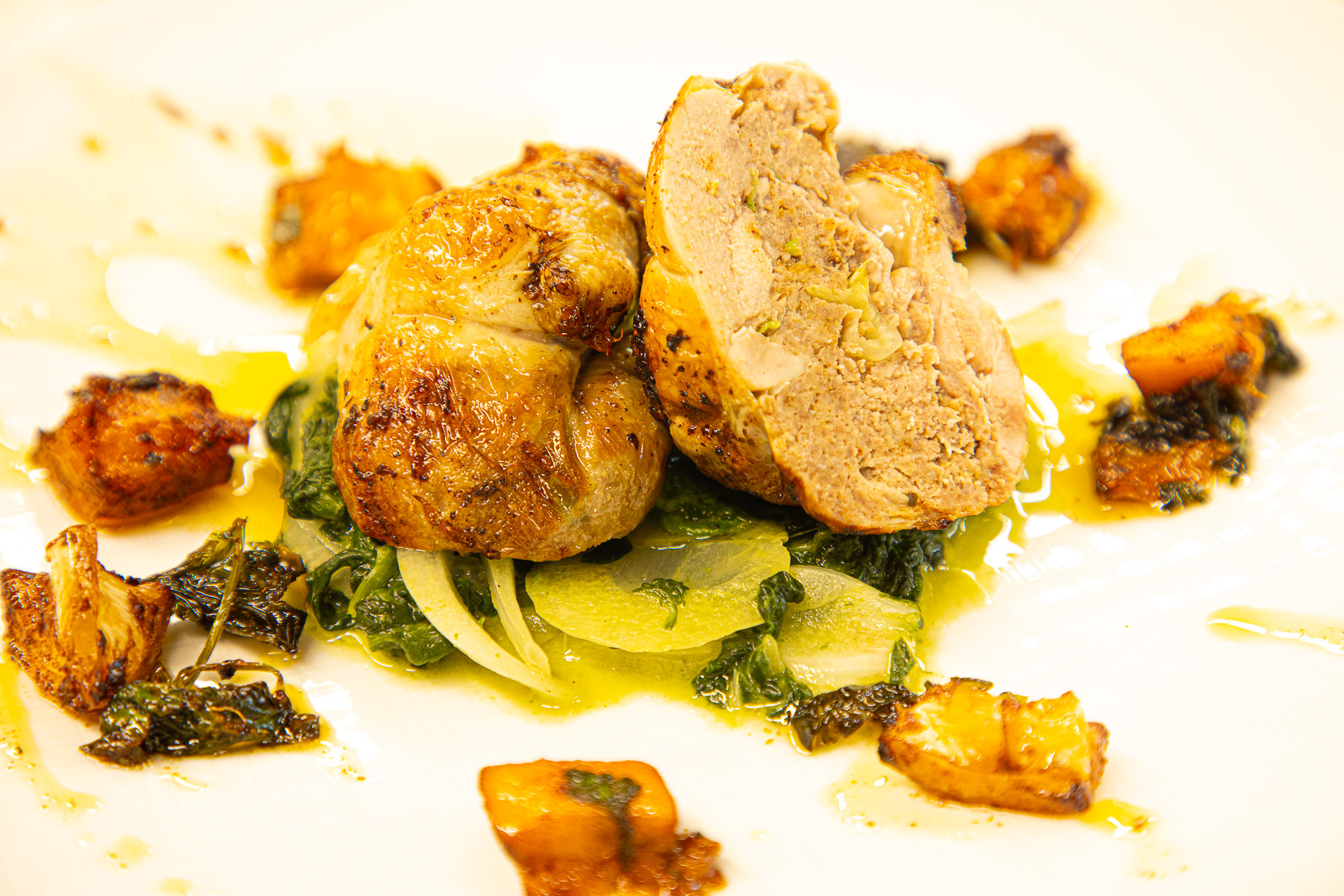
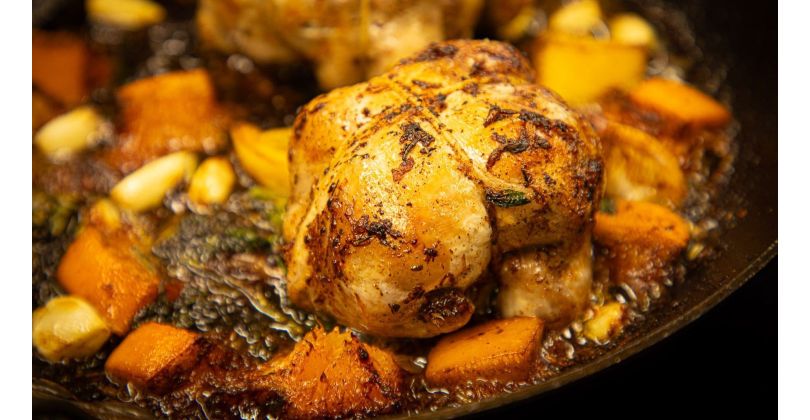
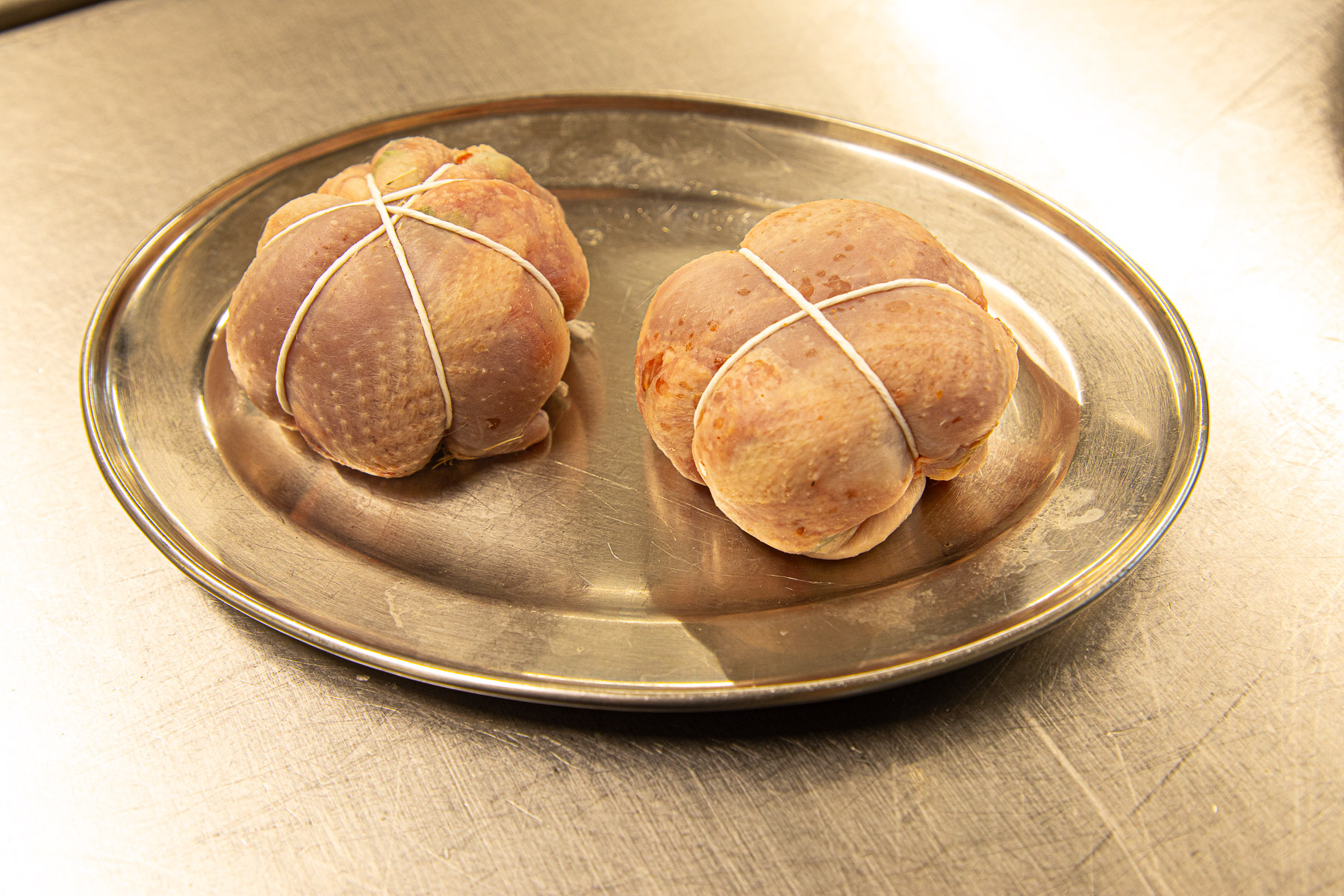
Prepare and stuff the quail: Gently pat the hollowed-out quails dry with kitchen paper. Wash the endive, remove the core, and roughly chop the leaves. Mix the endive leaves with the pork sausage meat and season with salt and pepper. Carefully stuff the quails with the filling and tie them closed with kitchen twine to prevent the filling from falling out during roasting.
Preparation Candied Oranges: Chop the oranges. Caramelize the sugar in a pan, then slowly add the reserved orange juice and simmer until the liquid becomes syrupy.
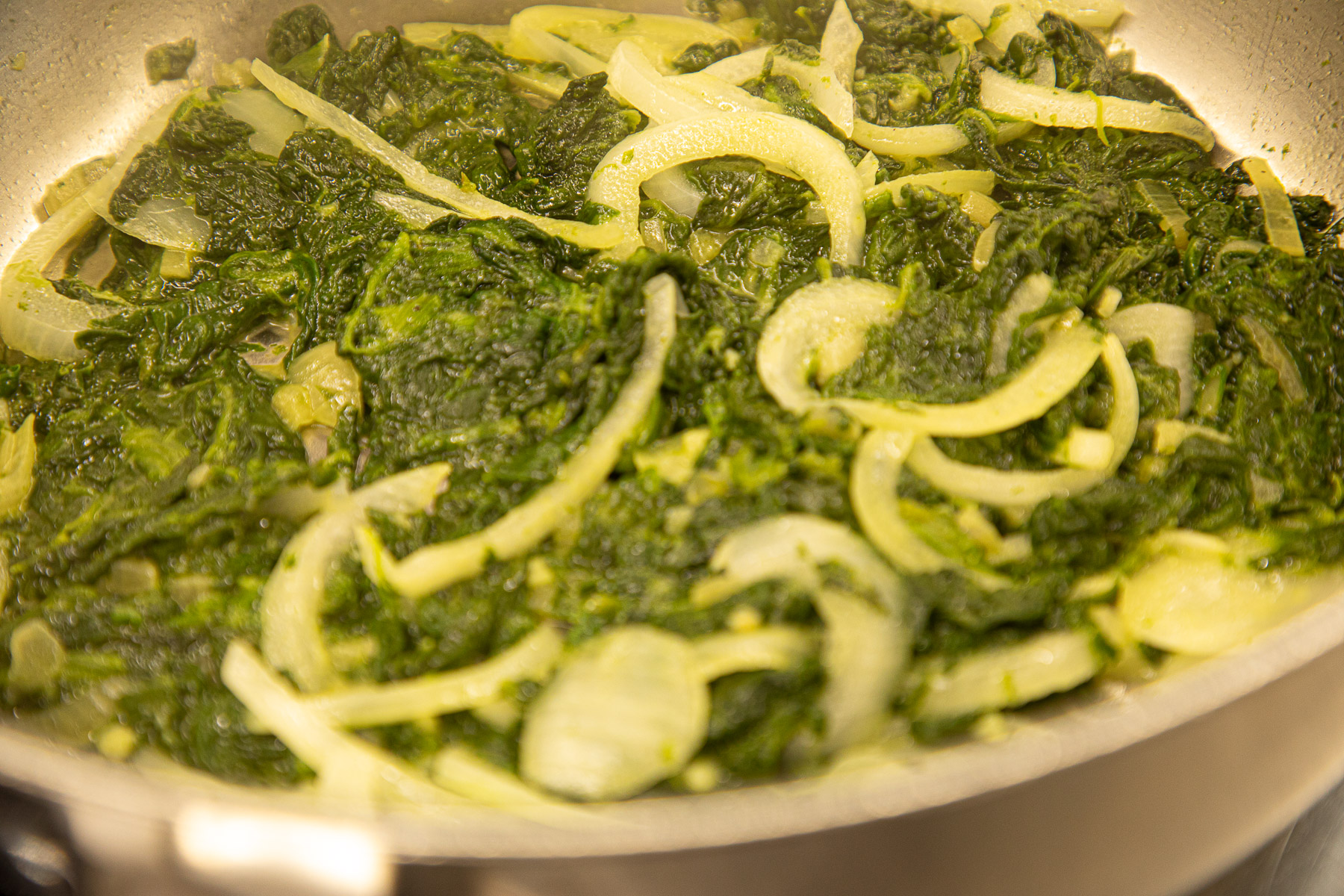
Spinach: Wash the spinach thoroughly. Finely chop the onions and garlic, and sauté them in a little olive oil until translucent. Add the spinach and cook until just wilted. Season with salt and pepper and keep warm.
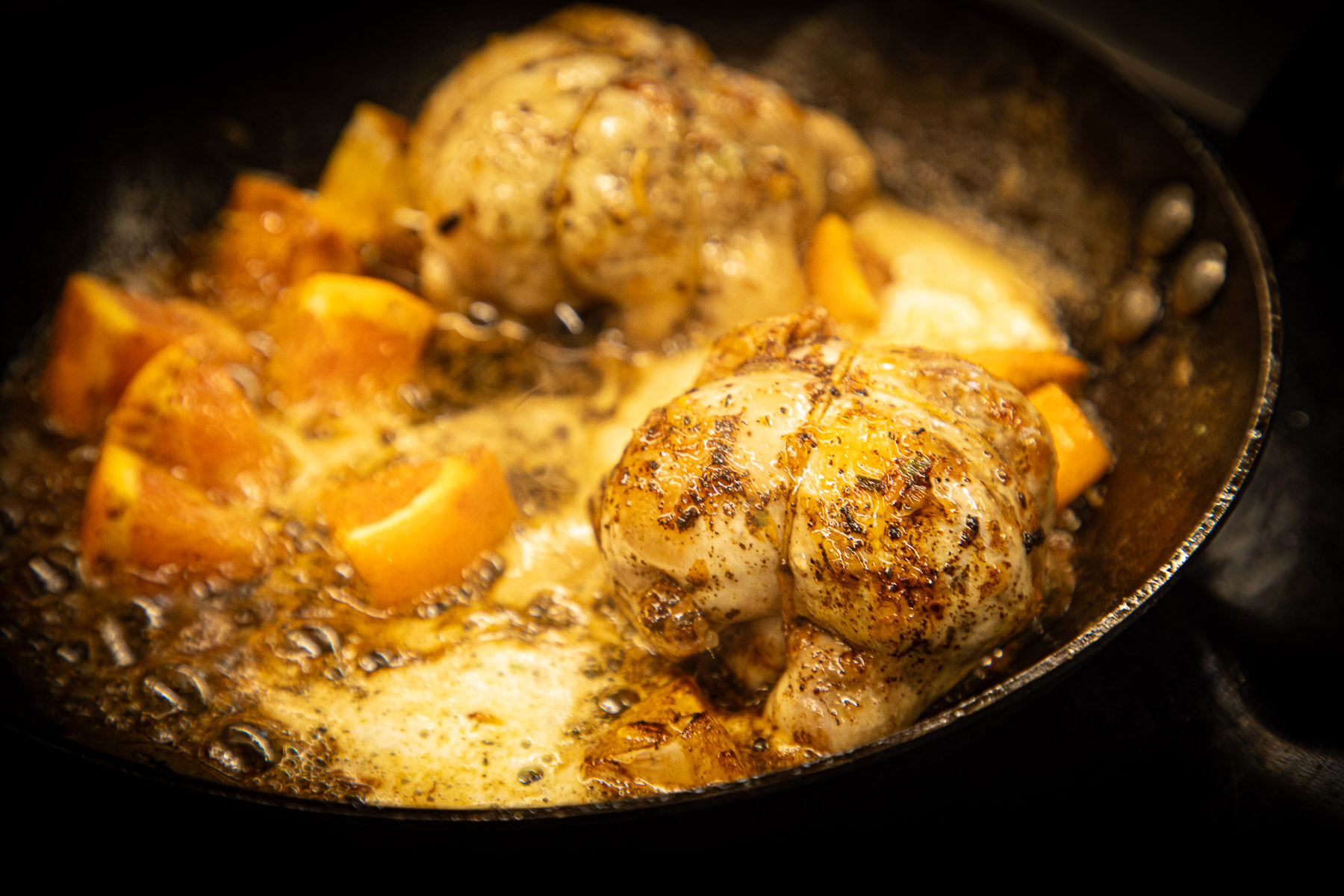
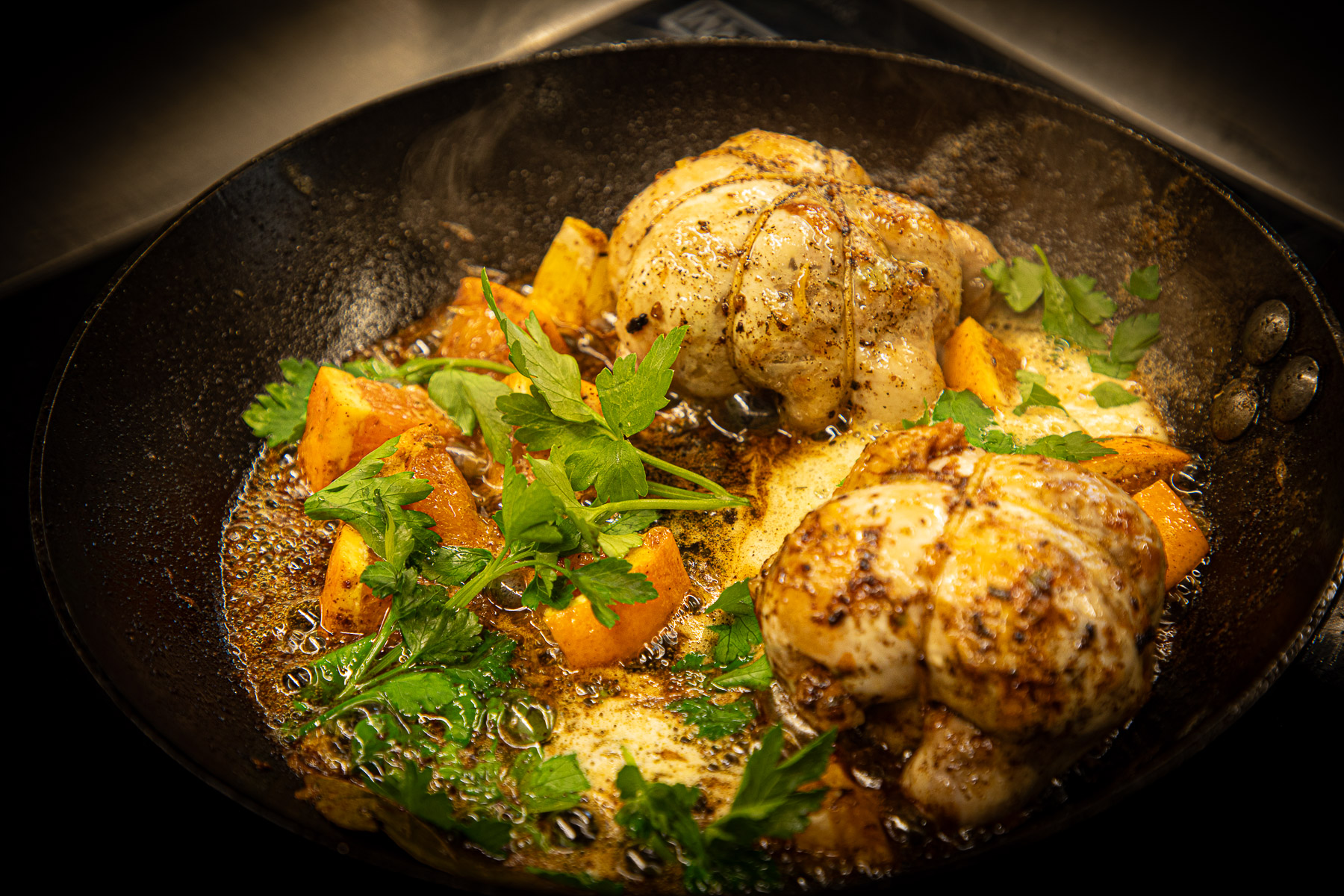
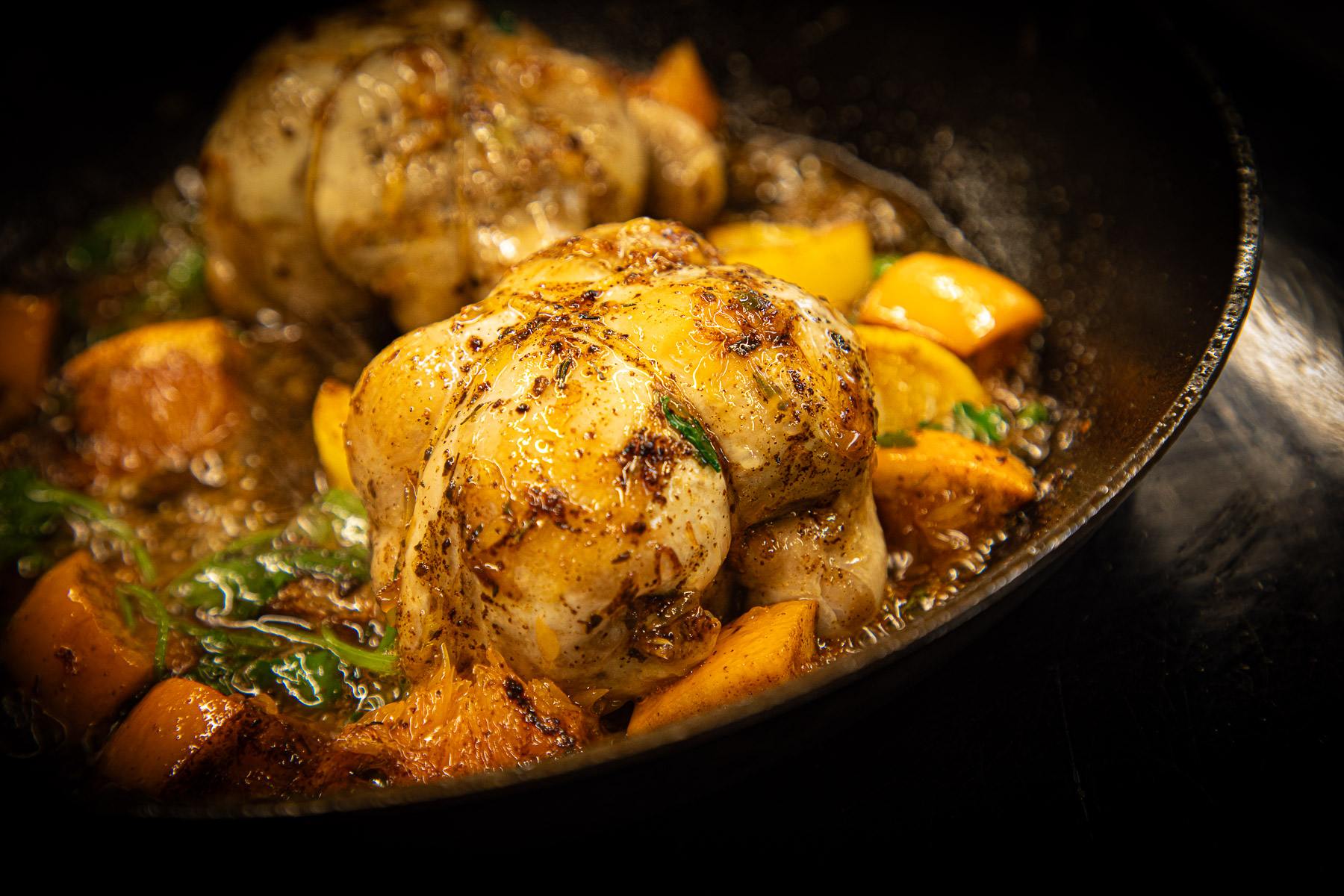
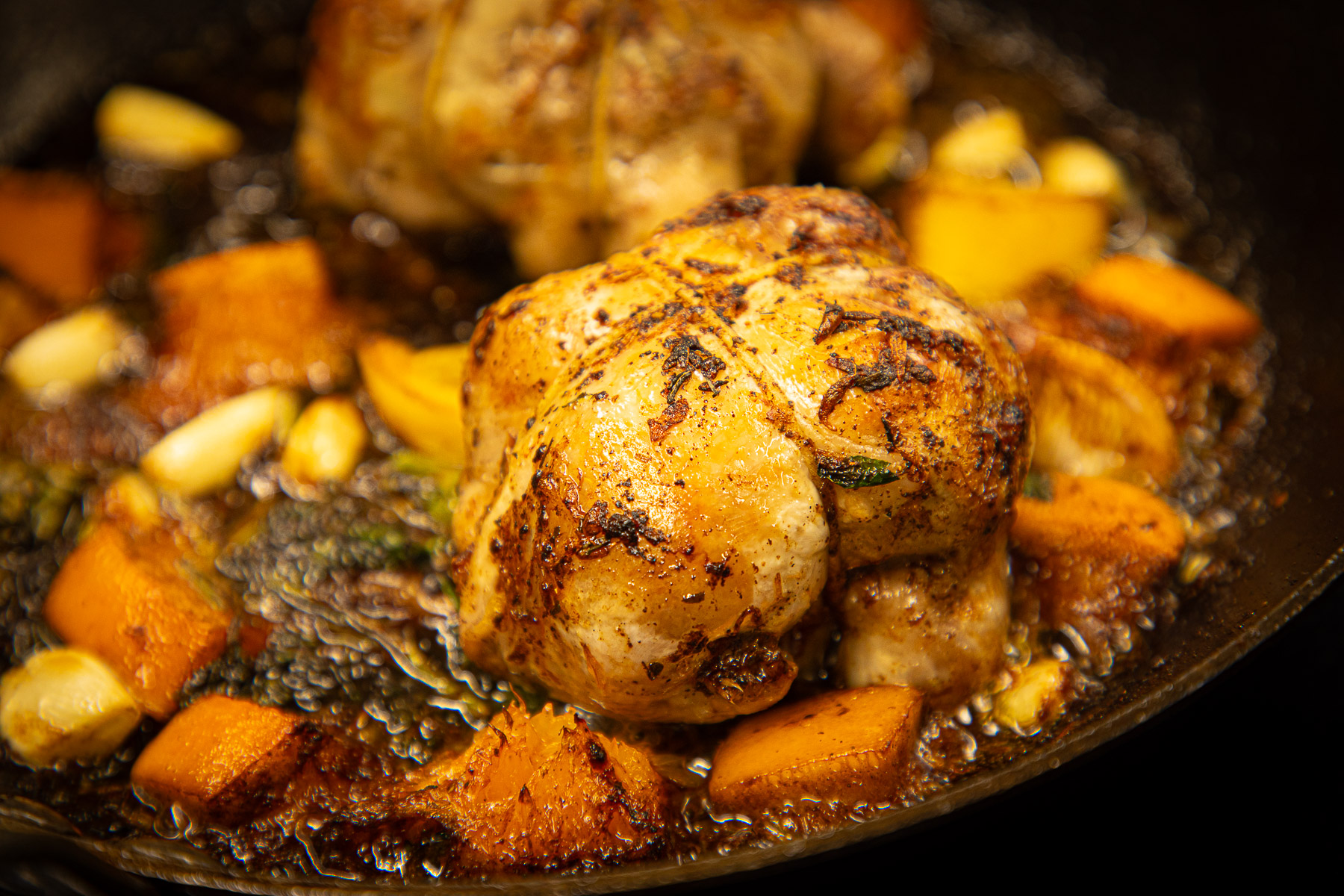
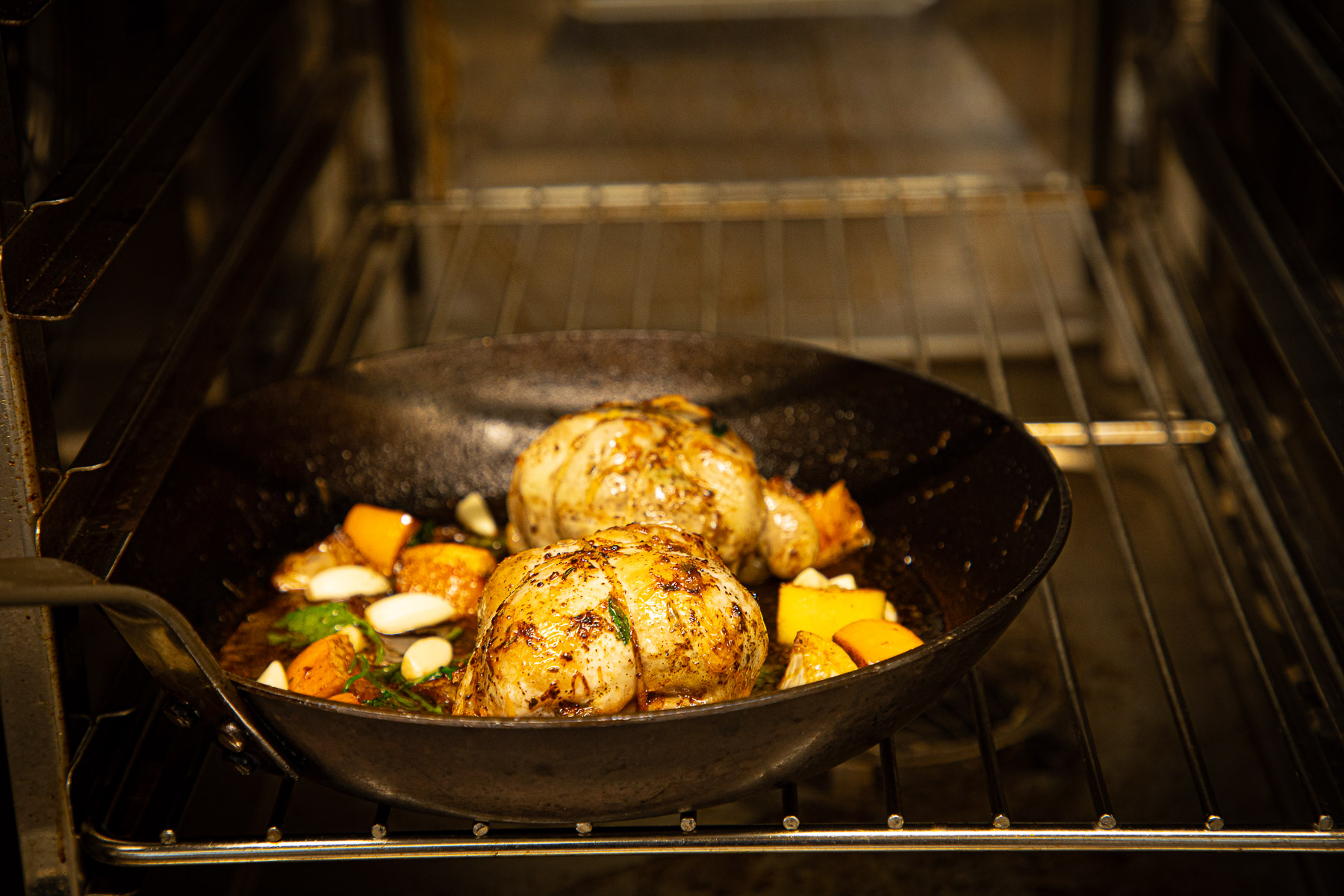
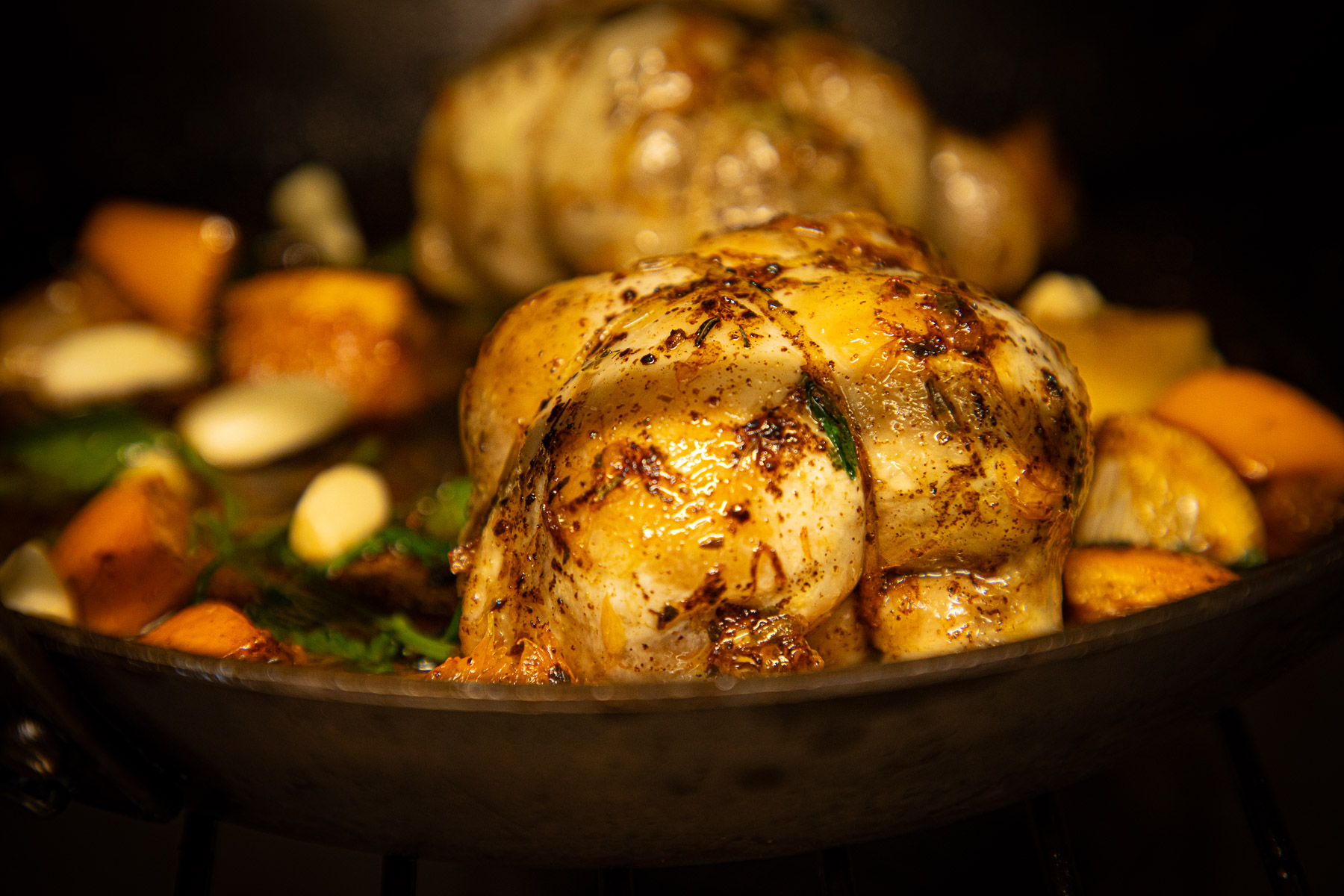
Fry the Quail: Heat a little butter in a pan. Fry the stuffed quail until golden brown on all sides (about 4-5 minutes per side). Baste the quail with the foaming butter (basting frequently with a spoon). Then place the pan in a preheated oven at 180°C (350°F) and cook the quail for about 10-15 minutes, or until crispy.
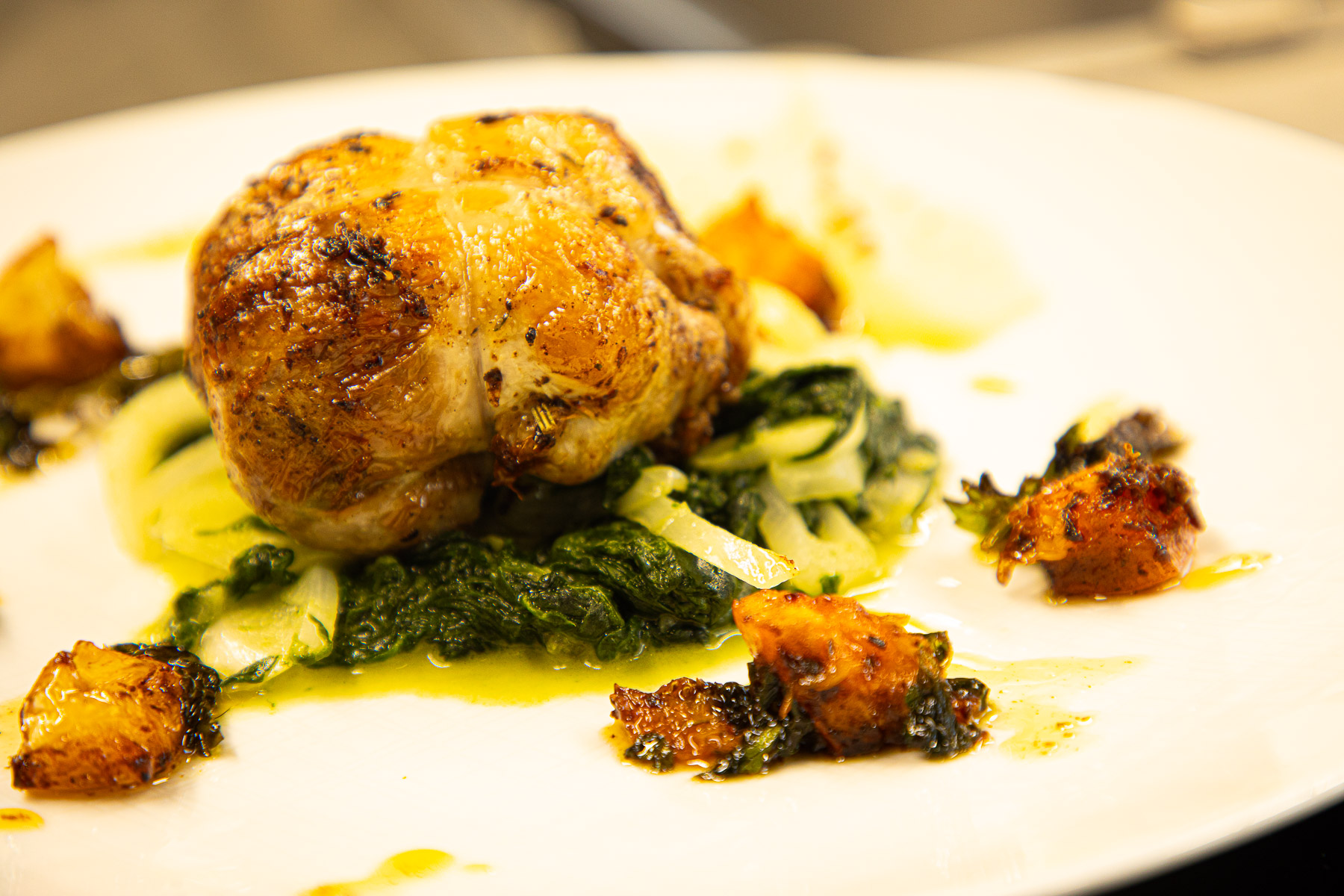
Nice to know: Quail in Culinary Art – A Historical Overview.
Antiquity: Quail were already prized in Egyptian, Greek, and Roman cuisine. In Egypt, depictions of quail catching and preparation are over 4,000 years old.The Japanese quail was domesticated early on – both for its eggs and its tender meat. In Greek and Roman cuisine, quail were considered a delicacy; they were grilled, roasted, or used in pies.
Biblical Significance: Quail play a remarkable role in the Judeo-Christian tradition: The Old Testament states that the Israelites in the desert were fed by "quail flying down." As a result, quail were often regarded as a divine gift in the Middle Ages.
Middle Ages: In Europe, quail were reserved for aristocratic tables. They were considered a fine game bird, served primarily at banquets. Quail hunting was strictly regulated, sometimes even reserved for nobility or monasteries.
Renaissance and Baroque: With the flourishing of courtly cuisine in France, Italy, and Germany, quail experienced a culinary golden age. It was served in elaborately stuffed dishes, pies, ragouts, or in combination with truffles. In France, it became a symbol of haute cuisine, from which many classic recipes originate.
19th & early 20th centuries: With the advent of modern agriculture and the spread of the Japanese quail, breeding became easier. Quail appeared more frequently on middle-class tables but remained a premium product compared to chicken or duck.
Modern cuisine: Today, quail is considered a delicate, refined poultry, used primarily in fine dining. Particularly popular:
Quail breast/quail legs in haute cuisine
Quail eggs as a delicacy, e.g. B. as an amuse-bouche or for decorative dishes
Regional focus in Europe: France, Italy, Spain and Eastern Europe.