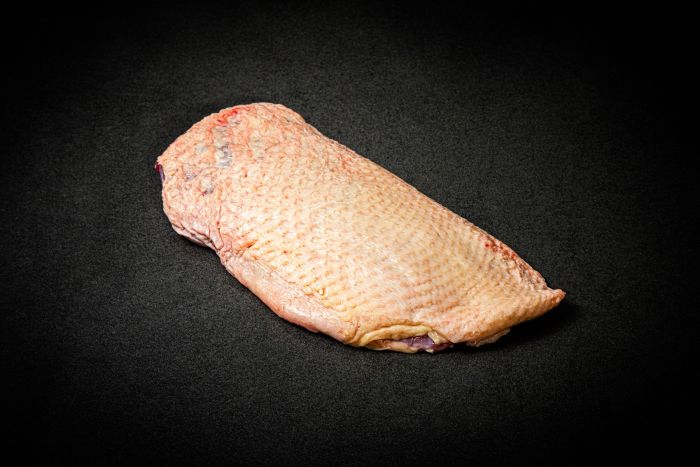



Nice to know: Duck has been one of the most popular types of poultry in the human diet for millennia. Wild ducks were domesticated as early as ancient China – archaeological finds show that duck farming was practiced there as early as 1000 BC. A rich duck culture developed, particularly in Chinese cuisine, whose most famous dish to this day is Peking duck. This was served at the imperial court of the Ming Dynasty as early as the 14th century and was considered a symbol of prosperity and festivity.
Duck also has a long culinary tradition in Europe. Even the Romans bred ducks and used them in elaborate banquets. In the Middle Ages, duck increasingly found its place in the kitchens of the nobility and monasteries, as it was considered more refined than chicken but more readily available than goose. It became a particular specialty in France – for example, as "Canard à l'orange," which became popular at the court of Louis XIV in the 17th century. The combination of meat and fruit (especially citrus fruits) was very popular, as it was considered elegant and "modern." Seville oranges (bitter oranges) were an expensive import from the Mediterranean and therefore a symbol of luxury.
This dish became so popular in French court kitchens that it was later refined and standardized in the great cookbooks of the 18th century – the modern Canard à l'orange is thus directly descended from this early version.