Facebook Pixel

Posts tagged 'wildfleisch'

grillfleisch
Which meat cuts are suitable for grilling?
Why Organic?
Why Organic?
dry aged beef
Why Dry Aged Beef?
The Chianina beef
Small tree or big cattle?
The world of truffles, the passion of Giuliano Tartufi
The caviar
The black gold
weisswurst
Oktoberfest in Switzerland, what does it actually include?
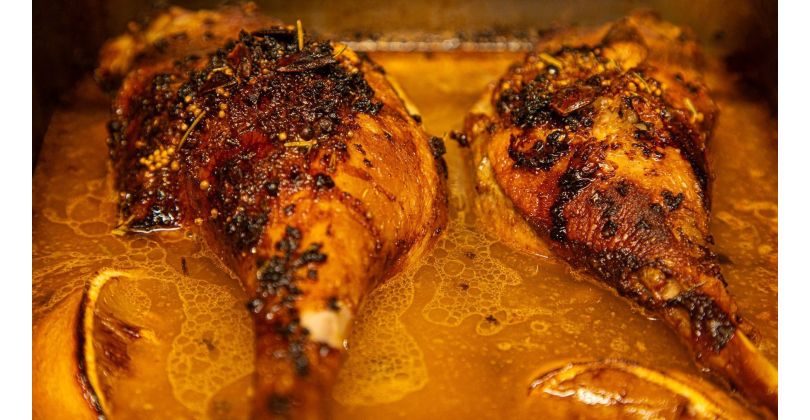
Braised goose leg marinated with white wine, spices, and citrus, served with pickled pumpkin, reduced marinade, and steamed endive with radishes
Loading...
236 view(s) 5 min read

Braised goose leg marinated with white wine, spices, and citrus, served with pickled pumpkin, reduced marinade, and steamed endive with radishes

Nice to know:  The Goose in Culinary History – A Historical Journey.

Antiquity: Egyptians, Greeks, and Romans kept geese as domestic animals. The Romans, in particular, valued geese both as guard animals (famous for the "cackling geese of the Capitol") and as food. Goose liver was considered a delicacy even in antiquity – the roots of modern foie gras lie in ancient Egypt and Rome.

Middle Ages: In medieval Europe, the goose became a typical holiday roast. This was because many farmers kept geese – they are hardy and provide meat, fat, and down. With the Catholic Lent and St. Martin's Day (November 11), the goose acquired strong cultural significance:

The "St. Martin's goose" symbolically marked the end of the agricultural season and the beginning of winter.

Modern Era: Especially in German-speaking countries, Austria, and Eastern Europe, the goose became a Christmas roast.

The reason: Wealthier households could more easily afford geese than other animals during the winter. Goose fat was used as an important cooking fat for centuries.
It was a staple product of peasant cuisine for a long time.

Jewish cuisine: In Ashkenazi cuisine, the goose played a central role, as goose fat (schmalz) is kosher and was used as a butter substitute.
Dishes such as roast goose, goose giblets, or stuffed neck (helzel) have a long tradition there.

Modern times: Today, roast goose is considered a classic holiday dish in parts of Europe – especially at Christmas and St. Martin's Day.

Raising geese is more expensive and labor-intensive than raising chickens, so goose meat is often considered a high-quality delicacy.

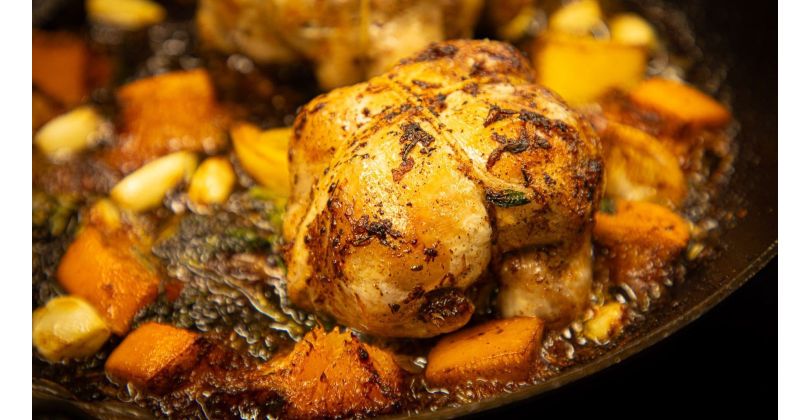
Stuffed Quail with Endive, Spinach, and Candied Oranges
Loading...
271 view(s) 5 min read

Stuffed Quail with Endive, Spinach, and Candied Oranges

Nice to know: Quail in Culinary Art – A Historical Overview.

Antiquity: Quail were already prized in Egyptian, Greek, and Roman cuisine. In Egypt, depictions of quail catching and preparation are over 4,000 years old.The Japanese quail was domesticated early on – both for its eggs and its tender meat. In Greek and Roman cuisine, quail were considered a delicacy; they were grilled, roasted, or used in pies.

Biblical Significance: Quail play a remarkable role in the Judeo-Christian tradition: The Old Testament states that the Israelites in the desert were fed by "quail flying down." As a result, quail were often regarded as a divine gift in the Middle Ages.

Middle Ages: In Europe, quail were reserved for aristocratic tables. They were considered a fine game bird, served primarily at banquets. Quail hunting was strictly regulated, sometimes even reserved for nobility or monasteries.

Renaissance and Baroque: With the flourishing of courtly cuisine in France, Italy, and Germany, quail experienced a culinary golden age. It was served in elaborately stuffed dishes, pies, ragouts, or in combination with truffles. In France, it became a symbol of haute cuisine, from which many classic recipes originate.

19th & early 20th centuries: With the advent of modern agriculture and the spread of the Japanese quail, breeding became easier. Quail appeared more frequently on middle-class tables but remained a premium product compared to chicken or duck.

Modern cuisine: Today, quail is considered a delicate, refined poultry, used primarily in fine dining. Particularly popular:

Quail breast/quail legs in haute cuisine
Quail eggs as a delicacy, e.g. B. as an amuse-bouche or for decorative dishes
Regional focus in Europe: France, Italy, Spain and Eastern Europe.

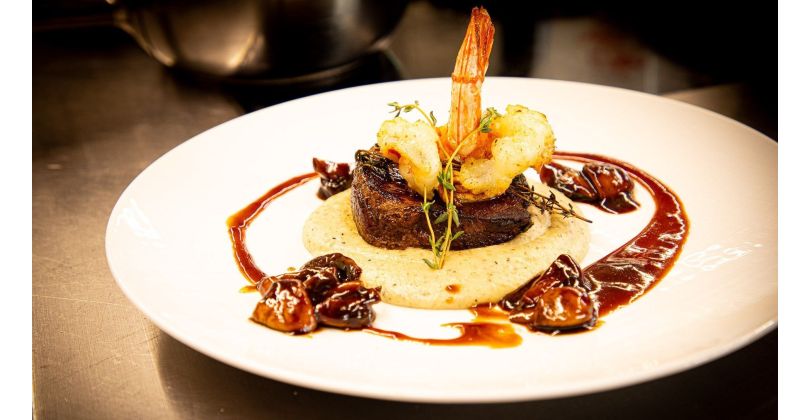
Surf and Turf with Beef Fillet and Prawns on Truffle Mashed Potatoes, Balsamic Mushrooms & Red Wine Reduction with Cognac
Loading...
452 view(s) 5 min read

Surf and Turf with Beef Fillet and Prawns on Truffle Mashed Potatoes, Balsamic Mushrooms & Red Wine Reduction with Cognac

Surf and turf is a dish that combines seafood ("surf") and red meat ("turf") on one plate—classically lobster, shrimp, or other seafood alongside beef, usually steak.

The origins of this dish lie in North America, particularly in the USA and Canada, and it became especially popular in the 1960s and 1970s. The combination symbolized luxury and affluence, as both high-quality beef and fresh seafood were traditionally considered expensive and exclusive ingredients.

Historical Background: In the USA, surf and turf emerged as a status symbol in upscale restaurants and hotels that wanted to offer their guests something special. The combination of land and sea produce was unusual at the time and considered innovative. The dish gained particular popularity in regions like California, where both fresh seafood and prime beef were readily available.

Culinary Significance: Surf and turf represents the fusion of two culinary worlds: the freshness and lightness of seafood and the hearty, robust flavor of red meat.
It is a symbol of opulent dining and is often served on special occasions.

Today, surf and turf can be found on the menus of upscale restaurants worldwide, with combinations varying depending on the region and the creativity of the chefs.


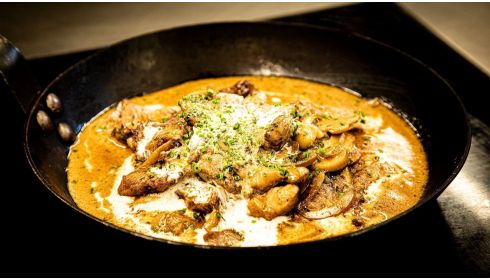
Venison Strips in a Game Cream Sauce with Birch Boletus Mushrooms and Crispy Egg Spätzli
Loading...
695 view(s) 5 min read

Roe deer Strips in a Game Cream Sauce with Birch Boletus Mushrooms and Crispy Egg Spätzli

Venison is a true treasure of local game cuisine and is very popular with gourmets. It is characterized by its delicate, mild game flavor, less intense than that of deer or wild boar, and its tender texture. These qualities make it an excellent choice for anyone who loves game or would like to try it for the first time.

Origin and quality: Deer live freely in our forests and feed on grasses, herbs, buds, and young shoots. This natural diet contributes significantly to the high quality and unique flavor of the meat. Since deer are usually hunted in their natural habitat, venison is a sustainable and natural product that does not require the use of medications or growth hormones.

Health benefits: In addition to its excellent taste, venison also boasts health benefits. It is lean, low in fat, and rich in protein, iron, and important B vitamins. This makes it a nutritious and healthy alternative to conventional meats.

Preparation in the kitchen: Venison is versatile in its use. Whether as tender strips, a succulent roast, a refined fillet, or a hearty goulash – the preparation options are endless. It pairs particularly well with earthy flavors such as mushrooms, cranberries, juniper berries, and full-bodied red wines. A short cooking time is crucial to preserve the tenderness of the meat and prevent it from drying out.
A seasonal delight: Venison is a seasonal product, available primarily in fall and winter. Eating venison is therefore always a bit of a tribute to nature and the seasons.

Copyright © 2026 meat4you. All rights reserved.