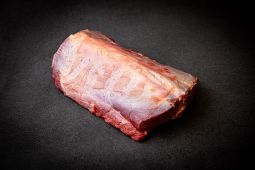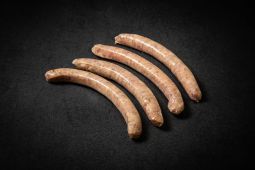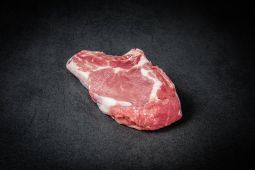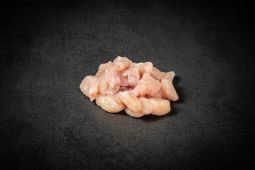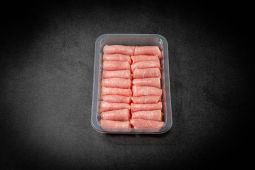



Zebra meat has deep roots in the history of southern and eastern Africa. Long before livestock farming was widespread, hunting wild animals played a central role in the diet of many indigenous communities. Zebras were an important, albeit not common, source of meat. They were prized for their lean, flavorful meat and were usually hunted as part of communal hunts.
With the colonial era, the status of zebra meat changed significantly. European settlers brought cattle, sheep, and goats, which meant that wild game meat became less prevalent. Furthermore, the zebra was increasingly perceived as a symbol of the African wilderness and less as a domestic animal.
Nevertheless, zebra meat remained part of the local cuisine in rural areas and was traditionally dried or cooked over an open fire.
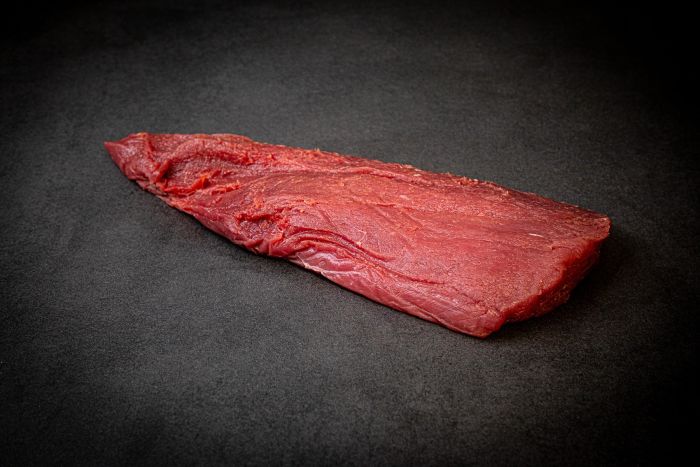
In the 20th century, zebra meat gained renewed attention, primarily from health and environmental perspectives. Due to its low fat content and the natural way the animals were raised, it is considered a very lean, protein-rich meat. In some African countries, it is still marketed under controlled conditions, especially where sustainable wildlife management is practiced.