


Nice to know:
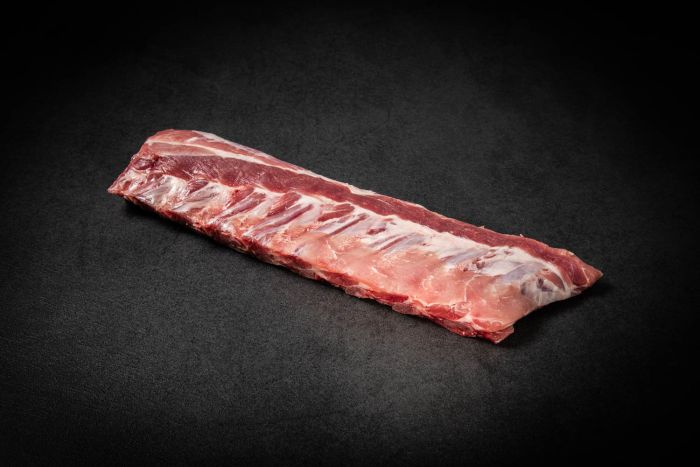
Baby back ribs come from the upper part of the pork loin, near the chops. They were once considered a byproduct of butchering—the prime cut was the chops, the ribs were "what's left over."
In many cultures, however, these cuts were never wasted. Instead, they were:
• slow-cooked to tenderize them
• heavily seasoned to bring out the flavor
• often cooked over an open fire or in simple ovens
This is where the true BBQ culture begins.
Rise in the USA: BBQ Culture & Soul Food
Baby back ribs owe their current cult status primarily to the Southern United States.
In the 18th and 19th centuries, various influences brought together the BBQ tradition:
• European settlers: pig farming and meat processing
• African cooking techniques: slow cooking over fire
• Caribbean influences: spices and marinades
Especially in African American cuisine (soul food), inexpensive cuts of meat like ribs were perfected.
The principle: Low & Slow
Hours of cooking at a low temperature make the ribs incredibly tender.
Regional Styles.
Over time, distinct "rib cultures" developed:
• Memphis: dry rub, minimal sauce
• Kansas City: thick, sweet and smoky BBQ sauce
• Texas: focus on meat and smoke, less sweet
• Carolina: often vinegar-based sauces
Each region swears its version is the best.
Globalization & Modern Cult
In the 20th century, baby back ribs became popular worldwide:
• BBQ restaurants made them a classic
• Food festivals and barbecue competitions fueled the trend
• Today, there are countless variations: from classic American to Asian-style glazed