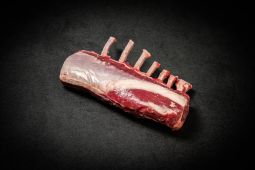



Nice to know: Lamb is one of the oldest types of meat known to humankind. Sheep were domesticated in the Near East over 10,000 years ago. Because they provided milk, wool, and meat, they were perfect farm animals.
Culinary role in the past, Ancient times (Greeks, Romans): Lamb was both a sacrificial offering and a festive meal. At religious festivals, an animal was sacrificed and then eaten together. This was not just food, but a social event. It was seasoned with herbs, garlic, vinegar, and honey.
Middle ages in Europe: Lamb was particularly important in spring because young animals were available then. After Lent, lamb was often the first "real" meat to reappear on the table.
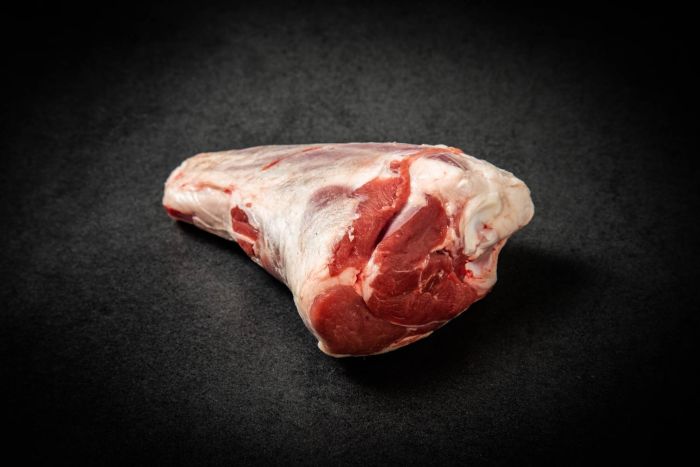
The shank (from the leg, i.e., the lower leg) was not considered a delicacy for a long time. It contains a lot of connective tissue, tendons, and bones. In the past, this meant work in the kitchen.
Historical background: Peasant and working-class cuisine: The whole animal was used. Prime cuts went to the wealthy, while pork knuckle remained with the common people.
Long cooking made it tender → the perfect base for stews, broths, and braised dishes.
Technology shapes flavor: It wasn't until the 18th and 19th centuries, with improved ovens and roasting techniques, that the crispy roasted pork knuckle became popular, especially in southern Germany and Austria.
Pub culture: With beer culture and urban taverns, pork knuckle became a hearty classic: high in calories, inexpensive, and filling. What was once a "leftover" became a cult dish.