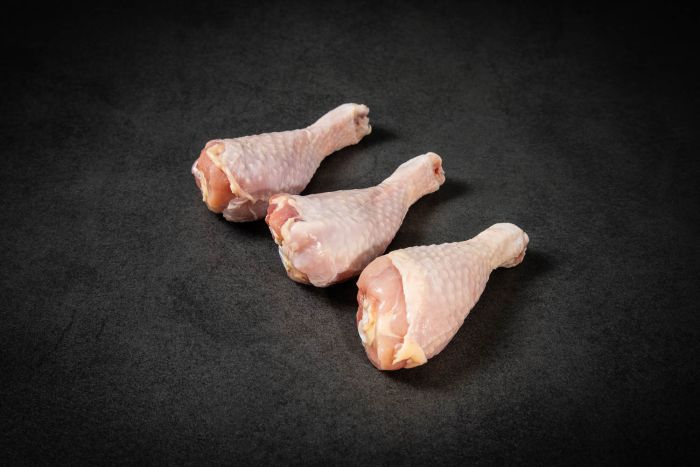



The chicken drumstick, or lower leg of the chicken, is one of the oldest and most widely consumed cuts of meat in human culinary history. Even with the domestication of the chicken in Southeast Asia several thousand years ago, this cut of meat was prized for its relatively high meat content, succulence, and ease of preparation.
In the historical everyday cuisine of Europe, the drumstick was long considered a typical dish for simple households. Whole chickens were boiled or braised, with the drumsticks being regarded as particularly nutritious. In many regions, they symbolized a hearty meal, often served on holidays or after hard work in the fields.
The chicken drumstick developed a special cultural significance in North America during the 19th and 20th centuries. With the rise of the fried chicken tradition, it became an iconic part of the local food culture. Its shape was ideal for eating by hand, making it particularly popular with street food vendors and later in fast-food chains.
Today, the chicken drumstick is a global all-rounder. Whether grilled, baked, fried, or braised, it combines culinary tradition with modern cuisine. Its story shows how a simple component, through cultural diversity and practical features, became a timeless classic.