weighed in the gram rangeIn the end, you pay the actual weighed weight. When you place your order, an average weight is used on the invoice, until the actual weight is established. At this moment, the average weight is cancelled and the actual weight is invoiced (max. +-20%).
Frozen Thawed products can be refrozen.
Important information: This product is shipped frozen. Depending on the outside temperature and the type of product, it may arrive partially thawed or fully thawed. No worries – the product has always been kept refrigerated.
Important Notice: For legal reasons, we are required to declare this product as thawed.
What to do upon receiving the product? Option 1: Let it fully thaw in the refrigerator at 5 °C and enjoy (until the best-before date on the small label on the product).
Option 2: Place it directly in the freezer at -18 °C upon arrival and enjoy it later. A slightly thawed product can be stored in the freezer for another 2 months without any loss of quality.
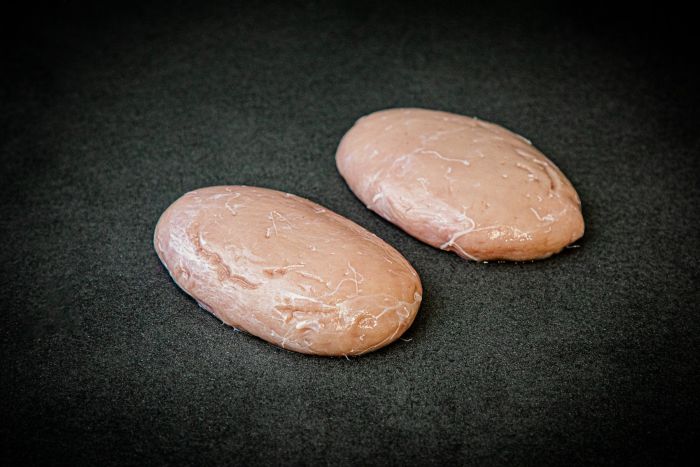
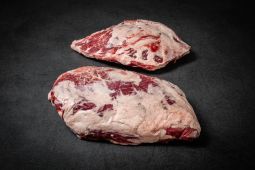
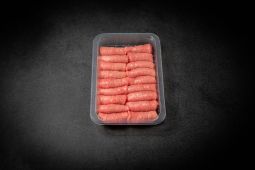
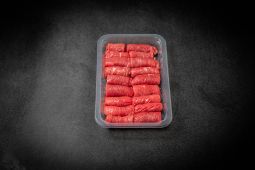
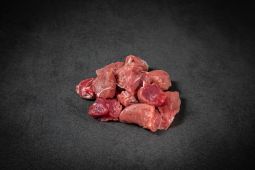
The bull's testicles or also called Spanish kidneys are a long-forgotten speciality. Cut into strips and fried, they are a delicacy.
weighed in the gram rangeIn the end, you pay the actual weighed weight. When you place your order, an average weight is used on the invoice, until the actual weight is established. At this moment, the average weight is cancelled and the actual weight is invoiced (max. +-20%).
Frozen Thawed products can be refrozen.
Important information: This product is shipped frozen. Depending on the outside temperature and the type of product, it may arrive partially thawed or fully thawed. No worries – the product has always been kept refrigerated.
Important Notice: For legal reasons, we are required to declare this product as thawed.
What to do upon receiving the product? Option 1: Let it fully thaw in the refrigerator at 5 °C and enjoy (until the best-before date on the small label on the product).
Option 2: Place it directly in the freezer at -18 °C upon arrival and enjoy it later. A slightly thawed product can be stored in the freezer for another 2 months without any loss of quality.
If you order this item by 3:00 PM on Monday, it will be available at the earliest as follows:
Pickup in Lupfig on Monday, September 21, 2026 | 17:30-22h
Delivery on Tuesday, September 22, 2026
The bull's testicles or also called Spanish kidneys are a long-forgotten speciality. Cut into strips and fried, they are a delicacy.
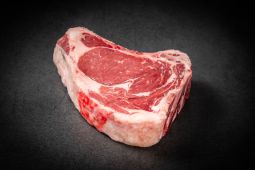
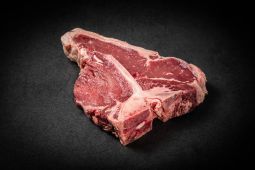
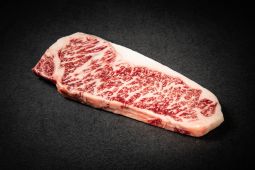
Swiss beef comes from one to two years old male or female animals. The meat is marbled, which means that small fat deposits are visible in the muscles. The marbling is a characteristic quality feature. Depending on age and breed, the structure of the muscle fibres differs. Beef has a light to bright red colour. Rosy on the inside and crispy brown on the outside – for many meat lovers, beef is the highest of highs. You can prepare classic dishes with the inexpensive cuts from the forequarter by stewing or braising them. The cuts from the hindquarter are primal cuts and are mainly sautéed.
A piece of Switzerland
In the Swiss pastures, many family farmers turn natural resources into valuable foods, take care of our landscape and provide a healthy biodiversity.
Animal welfare
Animal-friendly livestock farming plays an important role in Switzerland and is protected by law. 80% of livestock farmers voluntarily adhere to even stricter norms.
Natural feeding
Livestock is fed with environmentally friendly and exclusively GMO-free forage, of which 85% comes from Switzerland. Hormones and antibiotics are not allowed as growth promoters.
Animal-friendly transport
Switzerland has the world's strictest animal transport law. This means less stress for the animals and therefore better meat quality.
Safe food
Swiss meat deserves your trust. The products can be traced back to the farm, Switzerland is widely free of disease and strict laws provide for a safe meat production on all levels.
“Bull testicles” or “bull testicles” are a delicacy appreciated in various cuisines around the world.In European cuisine, especially in Mediterranean gastronomy, they are a traditional dish in some regions.They can be prepared in a variety of ways, often fried, grilled or incorporated into egg dishes. The origins of the dish are varied and often linked to the culture and eating habits of each region.In countries such as Spain, they are sometimes served in tapas form, while in France they are included in dishes such as “les ris de veau” (veal testicles).In Italian cuisine, there are also specific recipes that include bull testicles.
The preparation and use of bull testicles in cooking has not only culinary but also cultural significance.In many cultures, eating offal, including testicles, is considered a sign of courage or masculinity.In some countries, they are also served as part of celebrations or special occasions. As with many delicacies, the acceptance of bull testicles as food depends heavily on cultural norms and personal preferences.